
Key Takeaways
-
Lipoedema is as much an emotional disease as it is physical, so learning how to build body image resilience is just as important as managing your symptoms.
-
Mindful movement, self-compassion, gratitude, and neutral self-talk are actionable exercises that can fortify resilience and body image.
-
Adaptive fitness – water workouts, gentle strengthening, modified yoga and rebounder use – accommodate your needs and boost your mobility and wellbeing.
-
By curating social media feeds, dressing for comfort, and redefining beauty standards, individuals can cultivate self-acceptance and appreciate their own unique strengths.
-
Engaging with solidarity communities and embracing vulnerability can alleviate isolation and embolden those with lipoedema.
-
Continued open conversations and advocacy are necessary to combat stigma, increase lipoedema education, and encourage body acceptance.
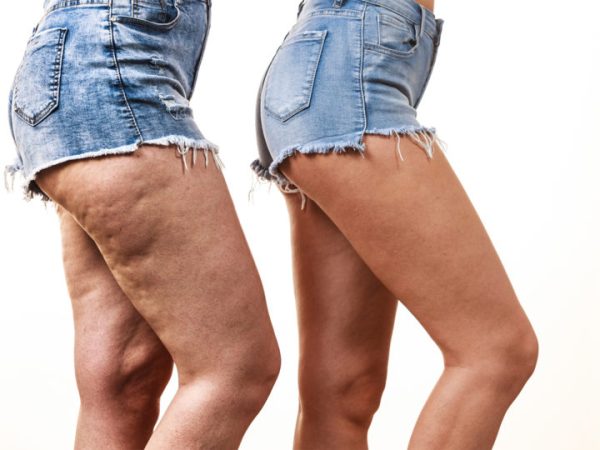
Body image resilience exercises for visible lipoedema legs teach individuals to regulate emotions and cognitions associated with the appearance of their legs. They’re about cultivating self-acceptance, stress relief, and community support. Lipoedema legs attract unwanted stares or remarks, which makes everyday life hard. Small steps such as mindful breathing, soft movement and journaling your emotions can assist. Group discussions or virtual community meetings create room to discuss and exchange information with other individuals facing similar difficulties. Working with a counselor or support group can be a big factor. To demonstrate how these tools function in practice, the following sections review simple actions, advice, and resources.
Lipoedema’s Shadow
Lipoedema casts a shadow beyond the swelling and pain in the legs. It informs how we walk and sit and experience our bodies — it frequently impinges on self-esteem and day-to-day life. There are many who cope with the physical pain and emotional toll, so supportive coping strategies are essential to living well with lipoedema.
The Physical Reality
Fat accumulates in the lower extremity, creating swelling and pain that’s difficult to manage. Lipoedema affects approximately 11% of women globally, but it’s consistently mistaken for obesity. Unlike typical weight gain, it doesn’t necessarily stem from dietary or lifestyle causes. This muddying can postpone treatment, with individuals left to suffer and escalating suffering.
Basic activities such as walking, stair-climbing, or standing for extended periods can become difficult. Swelling can make shoes fit badly and pain can intensify after even light exertion. Lipoedema isn’t just about legs, it alters lifestyles. Since each case is unique, some experience only slight swelling, whereas others face extreme pain or difficulty with mobility. Knowing these shifts is the initial move to seeking what works.
Exercise is crucial, not all types however work. High impact sports such as running or jumping could hurt more. Instead, low-impact alternatives—such as yoga, water aerobics, or brief walks—are safer and more sustainable. These assist in reducing swelling and may keep joints moving without tension. Maintaining a proper diet and healthy weight can minimize symptoms, but diet alone will not heal lipoedema. Liposhot might be required for permanent relief, but these healthy habits create a solid foundation.
The Emotional Weight
It is easy to become anxious and sad and feel isolated with the visible lipoedema. Watching the legs change can damage self-esteem, particularly in cultures that value slender or even skin tones.
Developing emotional resilience is as important as pain management. That is, learning to accept the body as is and to find ways to manage tough emotions. Therapy, either one-on-one or in groups, can assist individuals in navigating feelings of frustration, anger, or shame. Mental health support provides tools for handling stress and developing new mindsets around body image.
A lot of us find solace in support groups or online communities. Telling our stories to an understanding audience can alleviate loneliness and stigma. It opens room to discuss both the difficult days and the little victories, allowing us to better confront the day-to-day realities of lipoedema.
Building Resilience
Building resilience for lipoedema legs that are on show is that ability to manage stress, cultivate a positive mindset and navigate daily obstacles in ways that actually lead to you feeling more, not less, healthy. The practical exercises will assist in boosting self image, taming negative thoughts and promoting acceptance. Resilience blossoms from tiny, consistent efforts that embed themselves into life. Here are some practical steps:
-
Experiment with guided meditation, deep breathing, or present moment awareness training each day.
-
Or target self-image, like jotting down one good thing about your body.
-
Employ self-compassion strategies, such as talking to yourself gently and prioritizing self-care.
-
Join support groups where you can gain insight and commiserate.
-
Find professional support like CBT or EMDR to help with trauma or distorted body image.
-
Engage in emotional regulation, cognitive distortions, and body reappraisal.
-
Add mindful breaks and breathing exercises in stressful times to calm inflammation and fluid retention.
1. Mindful Movement
Mindful movement aids in establishing a healthier body connection. Something like walking, yoga, swimming or some gentle stretching — all low-impact options that are easy on joints. These workouts can make you more conscious about your body in terms of sensation instead of appearance.
Using slow breathing throughout your movement sessions grounds you in the present moment. This may reduce stress and encourage emotional health. Try to select activities that promote happiness and self-expression, such as dancing or gardening, to make the habit fun.
2. Compassion Focus
Self-compassion begins by acknowledging that body image struggles are legitimate. Most lipoedema sufferers are incredibly hard on themselves, so incorporating daily affirmations can cultivate a more compassionate mindset.
Challenge negative thoughts, by asking yourself if they’re fact or opinion. If caustic comments arise, attempt to re-interpret them with compassion, as you would for a friend. Self-compassion is not indulgence, it’s resilience building.
3. Gratitude Practice
A daily gratitude ritual brings attention away from appearance. List out three things you love about what your body can do – walk, hug, belong to a community.
Thanking supportive friends, family or groups can boost your mood. Make gratitude kinetic by observing what your body is capable of, not simply how it appears.
4. Sensory Awareness
Brief sensory activities — touching the textures of your dress, hearing soothing sounds — bring you back to yourself.
Pay attention to what your body feels like when moving, not just what it looks like. Relish simple comforts, such as a hot shower or beloved fragrance.
Stay present with your senses.
This can lower body image stress.
5. Neutral Self-Talk
Neutral self talk is saying body facts instead of body judgments. Substitute negative thoughts with straightforward observations, e.g., “These are my legs. They get me going.
Address yourself as you would a friend — gentle, compassionate and truthful. Reframe body talk toward what your body CAN do, not just how it looks.
Adaptive Fitness
Adaptive fitness, or adapting exercise to your needs, abilities, or limitations. For those with lipoedema legs, an appropriate fitness program can go a long way in symptom management and body image resilience. The point is to remain active in ways that support the body rather than fight against it.
-
Go for low-impact options that are easy on the joints, like walking, swimming or cycling.
-
Include lymph-flow exercises, such as light stretching, water exercise, or rebounder.
-
Choose exercises you like so your routine is more sustainable.
-
If this sounds overwhelming start with short regular sessions.
-
Leverage support mechanisms such as resistance or assistance bands, props, or group classes for added motivation.
-
Accept that pain or fatigue might fluctuate, day to day, and adjust.
-
Discover stress management skills to help manage anxiety and prevent flares.
-
Create a community, in-person or virtual, to swap advice and motivation.
Water Workouts
-
Water workouts — like swimming or light water aerobics — are forgiving on joints and muscles. Water buoyancy is great for taking the strain off and allowing people to move more easily, even with lipoedema.
-
Whether it’s swimming laps or a water aerobics class, you can boost heart health and lymphatic flow. This may reduce swelling and pain in the legs.
-
Since water buoyants the body, there is less strain on knees, hips, and ankles. This simplifies participation for individuals with reduced mobility.
-
Group water activities act as social support. Linking up with others who face the same challenges can help you build motivation and have more fun exercising as well.
Gentle Strengthening
Mild strength training builds muscle without over-stressing. With bands or light dumbbells, they can gradually increase their strength.
Concentrate on the correct technique to prevent harm. It’s more important to move with control than lift heavier weights. Being consistent even with light sessions delivers results and fuels the body.
Brief, daily strength sessions are flexible enough to fit into nearly any schedule and help users experience rapid success.
Modified Yoga
Modified yoga can be molded for lipoedema individuals by utilizing props such as blocks or straps. This comforts and empowers every pose. Yoga to stretch and calm.
Mindfulness is essential. By focusing on breath and movement, such practices offer people a chance to view their bodies in a favorable light, despite physical changes. Yoga controls stress which is key for your health and your body image.
Rebounder Use
Rebounder exercise, or mini-trampoline workouts, provide an enjoyable and low-impact way to get moving. Bouncing promotes lymphatic flow and can increase fitness.
Establish short, frequent sessions to develop persistence. Rebounders scale easily to a variety of fitness levels and can be customized to individual preference.
Even if its just a few minutes a day.
Try different moves to keep it fresh.
Beyond The Mirror
Body image for those with visible lipoedema legs is influenced by so much more than what’s reflected in the glass. The impact of lipoedema extends past pain and heaviness — mental health, self-worth, and daily life all factor in. Many experience shame, anxiety, or isolation, which can restrict social and work life. Reality based approaches can help rebuild body image resilience.
Curate Your Feed
Social media sculpts our self image. Following body diverse accounts is helpful. Having others with lipoedema or just people that own their shape around shifts the definition of “normal” in our heads.
Unfollowing accounts that promote a single beauty standard is a crucial first step. Social feeds crammed with photoshopped bodies or viral fashion trends can create an unrealistic perception of how bodies ought to appear. For people with lipoedema, this can intensify self-stigma and even self-value concerns.
She found it useful to connect with online lipoedema awareness groups. These are spaces to exchange tips, receive support, and see reflections of your own story. To see others in the same pain or day to day struggle is both a relief and a source of pride.
Dress For Comfort
Comfort first when selecting clothes. Soft, stretchy fabrics—such as cotton or bamboo—assist with the heaviness and pain that many lipoedema patients experience on a daily basis. Snug, scratchy outfits just increase stress.
Compression can help support legs and relieve swelling — all while being incorporated into your personal style. These don’t have to conceal your identity. Lean into the colors or patterns you love, not what’s “in”.
It’s one thing to wear clothes that display your own taste—not just what others expect—but that builds confidence. What’s a good fit anyway? One that can make your walk — and your imposter syndrome — a little lighter, holding up both body and soul.
Redefine Beauty
Beauty isn’t just thin lines or soft legs. Health, strength and what makes you “you” count as well. When you gaze on what your body can do—walk, or move, or just get through the day—you recode what’s valuable.
Speaking openly about body shapes and sizes goes a long way toward dismantling those ancient beauty ideals. It allows fresh thinking to blossom, proving there’s no one definition of beautiful. Observing your own special details–powerful calves, solid thighs–shifts the emphasis from imperfection to attribute.
Accomplishments — even tiny ones — count. Every pound lost is a testimony to progress, not only in appearance, but in living.
The Power of We
The strength of an incredible group of people supporting you goes a long way when you have lipoedema. Community is not just comforting—it aids in developing hardy coping skills and facilitates everyday life. They get actionable advice, new science, and much-appreciated community. The connection between physical health and mental well-being is prominent here, since proper support can enable individuals to adjust, control pain, and maintain pace with life’s obligations.
-
Community empowerment adds confidence and emotional resilience to your daily battles.
-
Peer support groups provide pragmatic guidance and consistent motivation outside of the medical treatment as well.
-
Common experiences and narratives teach individuals new coping strategies.
-
Group ties mitigate the missed-activity struggle by distributing hacks.
-
Together, they raise awareness and advocate for improved care.
Find Your People
The first step is locating others who struggle with the same issues. Support groups or online communities for lipoedema are all over the place now, so it’s easier than ever to get involved. These communities embrace all, wherever you may be on your path.
When you connect with others who experienced living with lipoedema, you don’t have to explain every. Single. Thing. They know pain, missed therapies, wrangling doctors and the psychological toll. It’s not just theoretical advice—it’s what works in the real world. A lot will say they miss things like soccer practice to conserve energy for the week and that’s cool when others understand.
They exchange advice, share what works on hard days, and discuss what to request at appointments. Many of us make lifelong friends this way. When you suffer losses or rejoice in victories, you do it with people who really get it.
Share Your Story
Your story matters. Not only to be heard, but to help others see they’re not alone. When individuals are vulnerable about the tough moments—hurt, lost moments, or invisibility—they create space for others to share as well.
Stories, after all, are potent. They can assist in healing, provide support and inspire new lipoedema management ideas. Posting stories on public forums educates so more people and medical professionals are aware of what lipoedema is and how it transforms lives.
Advocate Together
When we raise our voices together, it’s easier to fight for better care and treatment. Operating as a pack, they can access decision-makers and request more research and improved standards.
Campaigns sensitize, incite discourse, put the necessities of lipoedema patients on the map. It requires all of us—patients, friends, family, and healthcare workers—joining together to make change stick.
The Unspoken Truth
There are unspoken truths about living with lipoedema legs out in the open. A lot of women with lipoedema experience more than pain and swelling – they carry the burden of stigma, shame and silence. We have limited perceptions of beauty as a culture, and these beauty standards can make it difficult to embrace a body that is different or feels different. Because of the silence surrounding lipoedema, most people don’t get it. This unawareness can create delayed diagnosis, mislabeling, or being written off as just fat. For a lot of us, there is a dissonance, a pronounced divide, between how others experience us and how we experienced ourselves, exacerbating a sense of isolation.
Open conversations about body image in lipoedema are few but essential. Numerous women get by on a daily basis with hopeful strain–by hiding their legs or staying away from the pool or gym. These decisions aren’t merely about comfort but sometimes about protecting themselves from stares or remarks. This feeling of observation and criticism can become bigger and bigger, influencing how an individual walks, what they wear, or even how they interact with others. This impacts sense of self, connections, and happiness. It’s not easy to even start or sustain close connections when the world so infrequently discusses the way lipoedema alters intimacy and self-esteem.
Myths surrounding lipoedema compound the issue. A lot of people still believe it’s about weight, and it’s not. Lipoedema is an ongoing condition involving the legs, and occasionally arms, that isn’t always responsive to diet or exercise. This confusion results in unhelpful advice, or even worse, blame that intensifies shame. The effect carries into everyday life—being excluded from group activities, reaching boundaries around where they can go or such ill-fitting clothes. Even accessing care can be difficult, since most health professionals are not familiar enough with lipoedema.
Continued, candid conversations can help to shift this. By sharing stories, supporting research, and speaking up — you can break the silence. When they see and hear actual examples, it unleashes their imagination. Acceptance thrives on education and that helps all shapes and sizes be visible and appreciated.
Conclusion
To tackle lipoedema with resilient legs and focused mind, baby steps do the trick. Easy actions can inspire optimism. Honest talks shatter old shame. Community walks or restorative yoga connect people. Every day’s win matters. There are a lot of us lipoedemiax who find comfort in our own skin. Photos, shared meals, or short messages can create shared trust and pride. Real friends and open talks are more important than any mirror. To continue, contribute your experience or read a group. Test drive one of these baby steps today. Strong legs begin with a bold decision, not a flawless figure. Push forward, and let those tiny victories pave the path.
Frequently Asked Questions
What are effective body image resilience exercises for visible lipoedema legs?
Mindful self-talk, gratitude journaling and gentle movement like yoga help build resilience. These exercises promote positive mindset and body love, even if you have visible lipoedema legs.
How can adaptive fitness routines support body image for lipoedema?
Adaptive fitness is about working with movements that take into account comfort and ability. Lower-intensity exercises such as swimming or stretching enhance strength and confidence without inducing pain or discomfort.
Why is community support important for body image resilience in lipoedema?
Connecting to others who know what it feels like is enormously less isolating. Support groups provide guidance, motivation and real-life recommendations, which can empower your confidence and inner-workings.
What role does self-compassion play in coping with visible lipoedema?
Self-compassion is being kind to yourself. It lets you navigate the dark waters of body hate storms and emerge with a lighter, brighter body image glow, even in the gray areas.
Can focusing beyond appearance boost resilience for those with lipoedema?
Yes.Appreciating traits such as kindness, creativity, and accomplishments promotes self-assurance. This pivot provides some distance from appearance-based stress and fosters resilience.
How can I talk to others about lipoedema and body image?
Come clean!) Facts about lipoedema educates and destigmatizes. Open dialogue can foster understanding and support from loved ones.
Are there mental health resources for those struggling with body image due to lipoedema?
Yes. There are a lot of great therapists out there who focus on body image and chronic conditions and online communities designed specifically for this. Help can give you tools to process feelings and practice self-love.