
Introduction
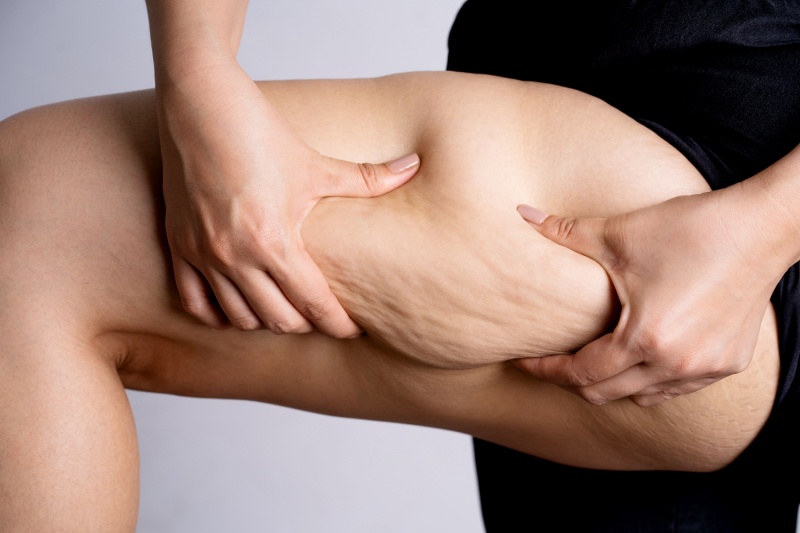 Lipedema remains one of the most misunderstood and underdiagnosed medical conditions affecting millions of women worldwide. This chronic disorder, characterized by the abnormal accumulation of fat tissue primarily in the legs and arms, is frequently mistaken for simple obesity or lymphedema, leading to years of frustration, misdiagnosis, and ineffective treatments for those who suffer from it.
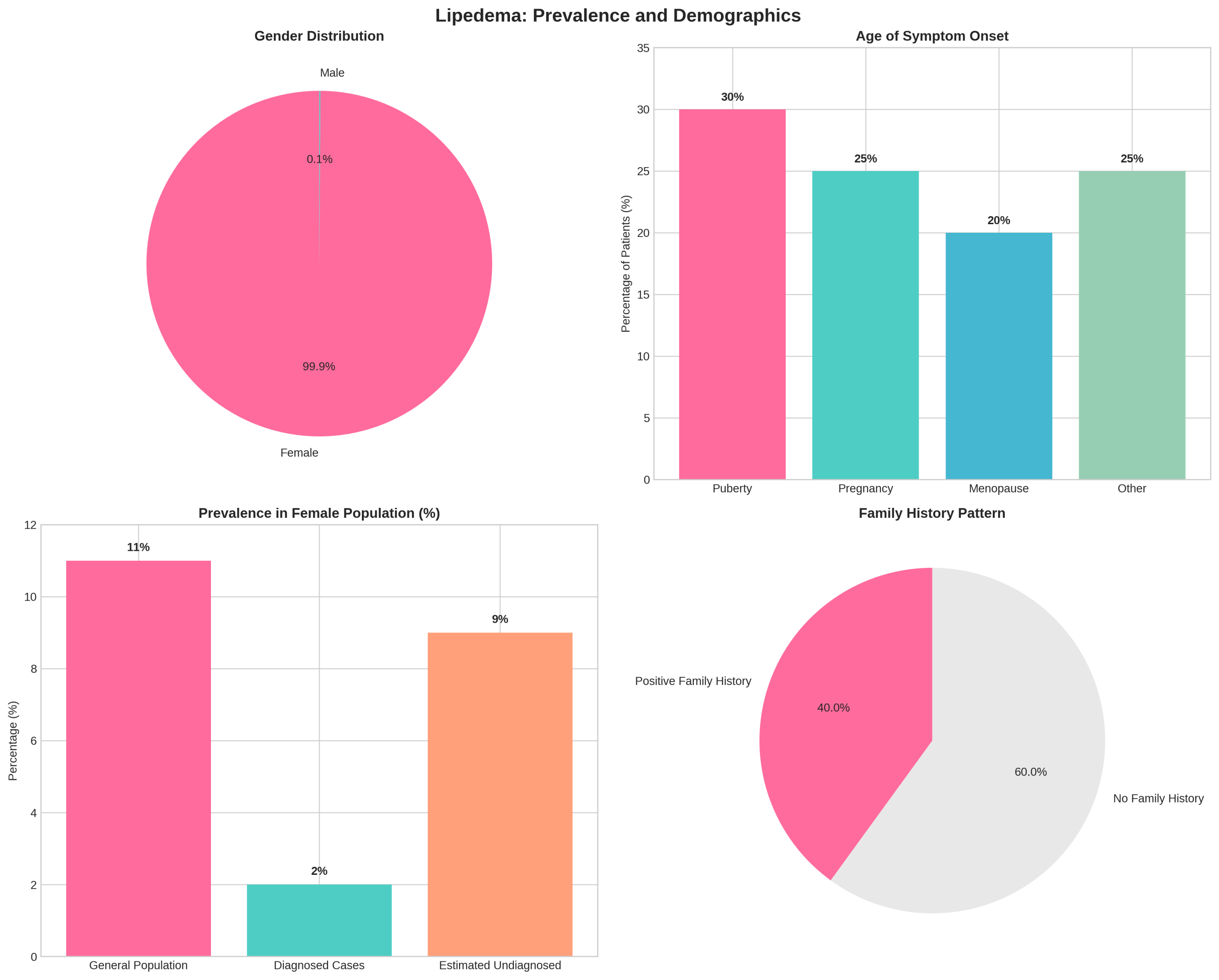
Recent medical research indicates that lipedema affects an estimated 11% of women globally, yet many healthcare providers remain unfamiliar with its distinctive characteristics and diagnostic criteria. This knowledge gap has profound implications for patient care, as early recognition and appropriate treatment can significantly improve quality of life and prevent the condition’s progression to more severe stages.
Unlike ordinary weight gain or other forms of swelling, lipedema presents with specific patterns and symptoms that distinguish it from similar conditions. The disorder typically manifests as bilateral, symmetrical fat accumulation that creates a characteristic “riding breeches” or “jodhpur” appearance in the lower body, while notably sparing the hands and feet. This distinctive presentation, combined with associated symptoms such as pain, tenderness, and easy bruising, forms the foundation for accurate diagnosis.
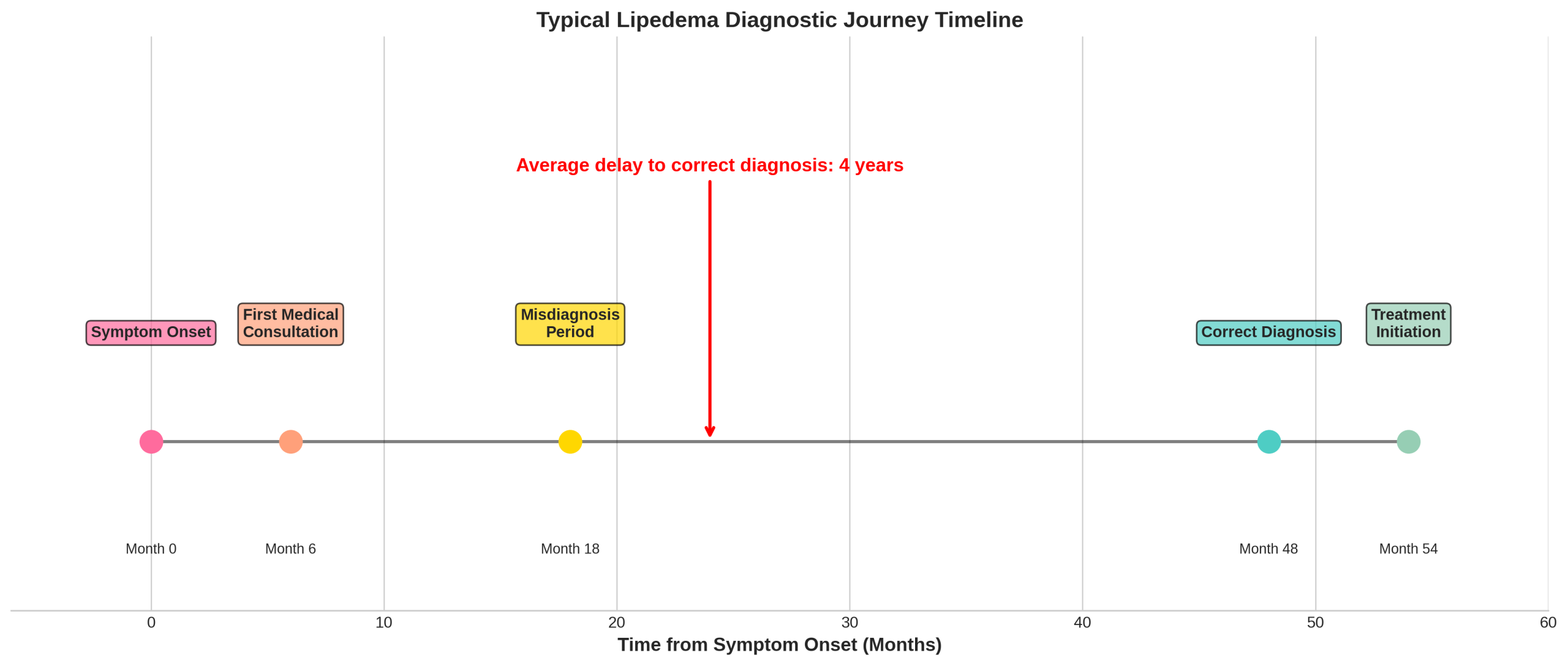
Key Point: The importance of understanding lipedema extends beyond individual patient care to broader public health implications. Misdiagnosis often leads to inappropriate treatment recommendations, including restrictive dieting and excessive exercise regimens that prove ineffective and may even exacerbate the condition.

This comprehensive guide aims to provide healthcare professionals, patients, and their families with the essential knowledge needed to recognize, understand, and effectively manage lipedema. We will explore the condition’s underlying pathophysiology, examine its clinical presentation across different stages, and provide clear guidance on how to differentiate lipedema from obesity and lymphedema. Additionally, we will discuss current treatment approaches, emerging therapies, and practical strategies for living with this chronic condition.
What Is Lipedema? A Medical Definition and Overview
Lipedema is a chronic disorder of adipose tissue metabolism that results in the abnormal, bilateral, and symmetrical accumulation of fat in specific areas of the body, most commonly the legs and arms. This condition represents a distinct pathological entity that differs fundamentally from ordinary obesity or fluid retention disorders. The term “lipedema” itself derives from the Greek words “lipos” (fat) and “edema” (swelling), reflecting the condition’s characteristic presentation of abnormal fat distribution combined with tissue swelling.
The medical literature defines lipedema as a chronic disease of lipid metabolism marked by bilateral and symmetrical swelling of the lower extremities, caused by impairment of symmetrical fatty tissue distribution and storage combined with hyperplasia of individual fat cells. This definition emphasizes several key features that distinguish lipedema from other conditions: its bilateral nature, its symmetrical presentation, and its specific involvement of fat tissue rather than fluid accumulation alone.
Clinical Classification and Types
Medical professionals classify lipedema into five distinct types based on the anatomical distribution of abnormal fat accumulation:
Type I Lipedema affects the area between the belly button and the hips, creating a characteristic widening of the hip region while typically sparing the upper torso. This type often presents as the earliest manifestation of the condition and may be mistaken for normal weight distribution variations.
Type II Lipedema involves fat accumulation between the pelvis and knees, affecting the thighs and creating the classic “riding breeches” appearance. This type is among the most commonly recognized presentations and often leads to significant functional impairment as the condition progresses.
Type III Lipedema extends from the pelvis to the ankles, encompassing the entire lower extremity while characteristically sparing the feet. This extensive involvement can severely impact mobility and quality of life, particularly in advanced stages.
Type IV Lipedema affects the upper extremities, specifically the area between the shoulders and wrists, while sparing the hands. This type may occur independently or in combination with lower extremity involvement.
Type V Lipedema involves the area between the knees and ankles, affecting the lower legs and creating a distinctive “cuffing” appearance at the ankles where the abnormal fat accumulation abruptly stops.
Pathophysiology and Underlying Mechanisms
The pathophysiology of lipedema involves complex interactions between genetic predisposition, hormonal influences, and abnormal adipose tissue metabolism. Research indicates that lipedema fat differs significantly from normal adipose tissue in both structure and function. The condition is characterized by hyperplasia of individual fat cells, meaning an increase in the number of fat cells rather than simply an enlargement of existing cells [4].
At the cellular level, lipedema involves dysfunction of the lymphatic system’s ability to properly drain interstitial fluid, leading to chronic inflammation and progressive tissue changes. The abnormal fat tissue in lipedema exhibits increased capillary fragility, which explains the characteristic easy bruising experienced by patients. Additionally, the tissue demonstrates altered pain sensitivity, with sensory nerve fibers distributed throughout the fat cells becoming hypersensitive to pressure and touch.
Understanding the Causes and Risk Factors of Lipedema
The exact etiology of lipedema remains incompletely understood, but current research points to a multifactorial origin involving genetic predisposition, hormonal influences, and potentially environmental factors. Unlike simple obesity, which results from an imbalance between caloric intake and expenditure, lipedema appears to be a primary disorder of adipose tissue that occurs independently of lifestyle factors.
Genetic Factors and Hereditary Patterns
The genetic component of lipedema is strongly supported by familial clustering patterns observed in clinical practice. Research indicates that 15% to 60% of lipedema patients have a positive family history of the condition, with the disorder typically affecting multiple generations of women within the same family. This pattern suggests an autosomal dominant inheritance pattern with variable penetrance, though the specific genes involved have not yet been definitively identified.
Hormonal Influences and Triggers
The overwhelming female predominance of lipedema and its tendency to manifest during periods of hormonal change strongly implicate estrogen and other female hormones in the condition’s pathogenesis. The majority of patients report symptom onset or worsening during puberty, pregnancy, menopause, or while taking hormonal contraceptives or hormone replacement therapy.
Estrogen appears to influence lipedema through multiple mechanisms. The hormone affects adipose tissue distribution, lymphatic function, and vascular permeability, all of which are disrupted in lipedema. Estrogen also influences the expression of genes involved in fat cell development and metabolism, potentially contributing to the abnormal fat accumulation characteristic of the condition.
Recognizing Lipedema Symptoms: A Comprehensive Clinical Guide
The clinical presentation of lipedema encompasses a constellation of physical signs and symptoms that, when properly recognized, form a distinctive diagnostic pattern. Understanding these symptoms is crucial for both healthcare providers and patients, as early recognition can lead to appropriate treatment and prevent disease progression.
Primary Physical Manifestations
The hallmark feature of lipedema is the bilateral, symmetrical accumulation of abnormal fat tissue that creates a characteristic body contour. This fat distribution differs markedly from normal weight gain patterns and exhibits several distinctive characteristics that aid in diagnosis.
Symmetrical Fat Distribution represents the most recognizable feature of lipedema. Unlike normal weight gain, which may be asymmetrical or variable in distribution, lipedema consistently affects both sides of the body equally. This bilateral symmetry is so consistent that significant asymmetry should prompt consideration of alternative diagnoses.
Stages of Lipedema Progression
Lipedema is a progressive condition that typically advances through distinct stages, each characterized by specific clinical features and functional impacts. Understanding these stages is crucial for prognosis and treatment planning.
Stage 1 (Early Stage) is characterized by smooth skin with small, evenly distributed fat nodules in the subcutaneous tissue. The skin surface remains relatively normal in appearance, though careful palpation may reveal the underlying nodular texture. Patients in this stage may experience mild symptoms such as easy bruising and pressure sensitivity, but functional impairment is typically minimal.
Stage 2 (Moderate Stage) demonstrates more pronounced changes, with the skin developing an “orange peel” appearance and larger, more irregular fat nodules becoming palpable. The characteristic body contour changes become more apparent, and patients typically experience increased pain, swelling, and functional limitations.
Stage 3 (Advanced Stage) is marked by severe tissue changes with large, lobulated fat masses that may hang in folds. The skin changes become more pronounced, and patients experience significant functional impairment. Walking may become difficult, and the risk of secondary complications such as lymphedema increases substantially.
How Lipedema Differs from Obesity and Lymphedema: A Diagnostic Guide
One of the greatest challenges in lipedema care is the frequent misdiagnosis of the condition as simple obesity or lymphedema. These diagnostic errors can lead to years of inappropriate treatment and significant patient suffering. Understanding the key differences between these conditions is essential for accurate diagnosis and effective treatment planning.
Lipedema vs. Obesity: Critical Distinctions
The differentiation between lipedema and obesity represents one of the most common diagnostic challenges in clinical practice. While both conditions involve abnormal fat accumulation, they differ fundamentally in their distribution patterns, underlying mechanisms, and response to treatment.
Fat Distribution Patterns provide the most obvious distinguishing feature between lipedema and obesity. In obesity, fat accumulation typically follows a more generalized pattern, affecting the trunk, abdomen, and upper body in addition to the extremities. In contrast, lipedema demonstrates a highly characteristic distribution pattern that predominantly affects the lower extremities while sparing the trunk and upper body.
Response to Weight Loss provides perhaps the most clinically significant difference between these conditions. Obesity typically responds predictably to caloric restriction and increased energy expenditure, with fat loss occurring proportionally across affected body regions. Lipedema fat, however, demonstrates remarkable resistance to traditional weight loss methods.
Lipedema vs. Lymphedema: Distinguishing Features
The differentiation between lipedema and lymphedema presents another significant diagnostic challenge, as both conditions can cause limb swelling and may even coexist in some patients. However, these conditions have distinct underlying pathophysiologies and clinical presentations that allow for accurate differentiation when properly evaluated.
| Feature | Lipedema | Obesity | Lymphedema |
|---|---|---|---|
| Distribution | Lower body, bilateral, symmetrical | Generalized, may be asymmetrical | Usually unilateral, may be bilateral |
| Hand/Foot Involvement | Spared (negative cuffing) | May be involved | Commonly involved |
| Stemmer's Sign | Negative | Negative | Positive |
| Response to Diet/Exercise | Resistant | Responsive | No direct effect |
| Pain/Tenderness | Severe, pressure-sensitive | Minimal | Minimal |
| Edema Type | Non-pitting | Non-pitting | Pitting |
| Family History | Often positive | May be positive | Rarely positive |
| Gender Predominance | Almost exclusively female | Both genders | Both genders |
Diagnosis of Lipedema: Clinical Assessment and Evaluation
The diagnosis of lipedema relies primarily on clinical assessment, as there are currently no specific laboratory tests or imaging studies that can definitively diagnose the condition. However, a systematic approach to evaluation can ensure accurate diagnosis and appropriate treatment planning.
Clinical Diagnostic Criteria
The diagnosis of lipedema is based on the presence of specific clinical criteria that have been established through clinical experience and research. These criteria provide a framework for systematic evaluation and help ensure diagnostic consistency across healthcare providers.
Primary Diagnostic Criteria include bilateral and symmetrical fat distribution affecting the legs and/or arms, sparing of the hands and feet, and negative Stemmer’s sign. These features are considered essential for the diagnosis of lipedema and should be present in all cases.
Treatment Options and Management Strategies
The management of lipedema requires a comprehensive, multidisciplinary approach that addresses both the physical symptoms and the psychological impact of the condition. While there is currently no cure for lipedema, various treatment modalities can help manage symptoms, slow disease progression, and improve quality of life.
Conservative Management Approaches
Conservative treatment forms the foundation of lipedema management and should be the first-line approach for most patients. These interventions are generally safe, cost-effective, and can provide significant symptom relief when properly implemented.
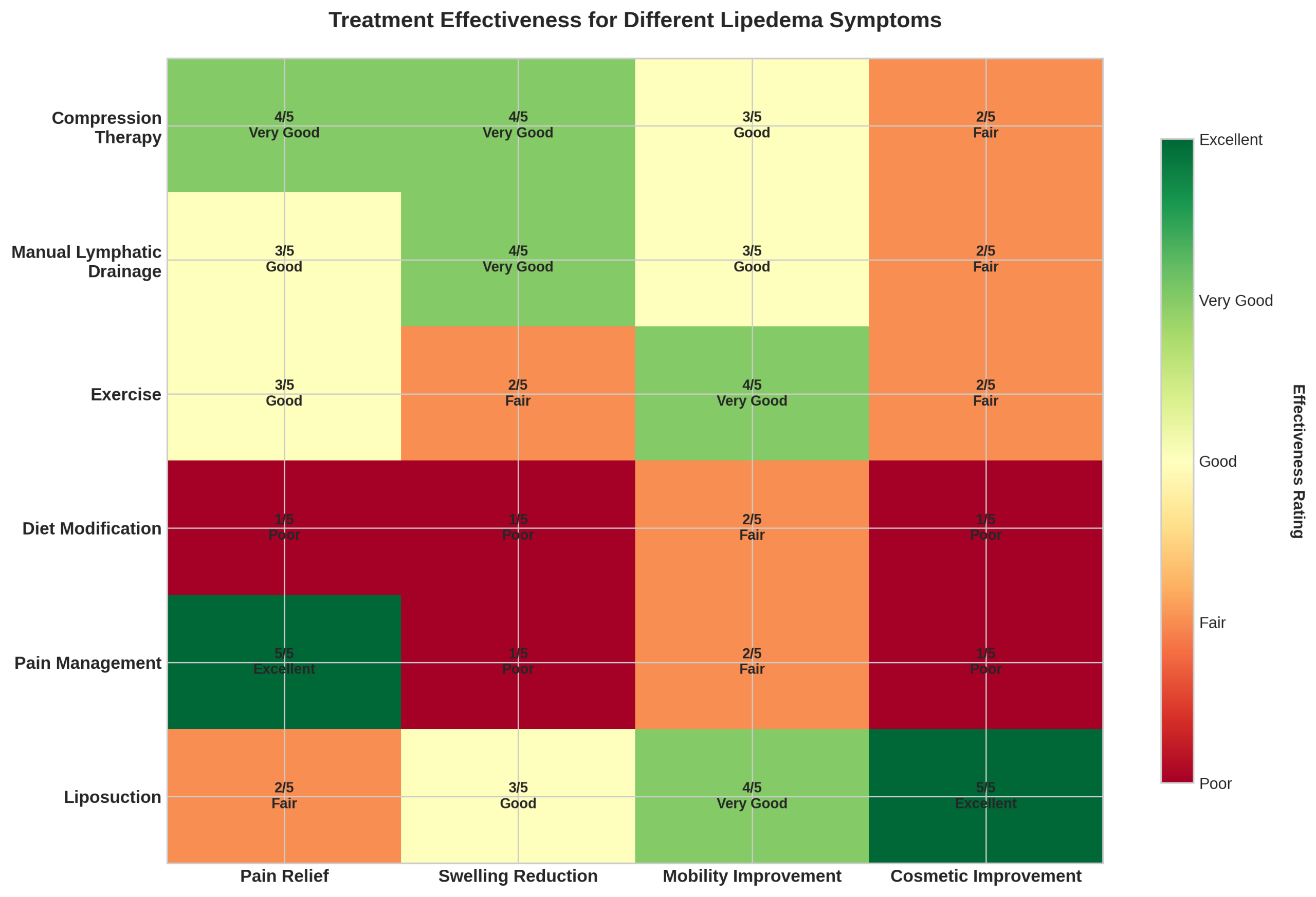
Compression Therapy represents one of the most important conservative treatments for lipedema. Properly fitted compression garments can help reduce swelling, improve circulation, and provide pain relief. The compression should be graduated, with higher pressure distally and lower pressure proximally, to promote lymphatic drainage.
Medical and Surgical Interventions
For patients with more severe symptoms or those who do not respond adequately to conservative measures, medical and surgical interventions may be considered.
Liposuction represents the most definitive treatment for lipedema and can provide significant improvement in symptoms and quality of life for appropriately selected patients. However, not all liposuction techniques are suitable for lipedema patients, and the procedure should only be performed by surgeons experienced in treating this condition.
Frequently Asked Questions About Lipedema
Is lipedema the same as cellulite?
No, lipedema and cellulite are distinctly different conditions. Cellulite is a cosmetic condition that affects the appearance of the skin, creating a dimpled or “orange peel” texture due to fat deposits pushing through connective tissue beneath the skin. Lipedema, in contrast, is a medical condition involving abnormal fat accumulation that causes pain, swelling, and progressive functional limitations.
Can men develop lipedema?
Lipedema is extremely rare in men, with only isolated case reports documented in the medical literature. When lipedema does occur in men, it is typically associated with hormonal abnormalities, liver disease, or other conditions that affect hormone metabolism.
Will losing weight cure my lipedema?
Unfortunately, traditional weight loss methods are not effective for treating lipedema. While patients may successfully lose weight from their upper body and trunk through dieting and exercise, the abnormal fat accumulation characteristic of lipedema is largely resistant to these interventions.
Is lipedema hereditary?
Yes, lipedema has a strong genetic component, with 15% to 60% of patients reporting a family history of the condition. The disorder typically affects multiple generations of women within the same family, suggesting an autosomal dominant inheritance pattern.
Can lipedema be prevented?
Currently, there are no proven methods for preventing lipedema in genetically susceptible individuals. However, early recognition and intervention may help slow disease progression and minimize complications.
Living with Lipedema: Practical Advice and Next Steps
Building Your Healthcare Team
Managing lipedema effectively requires a multidisciplinary approach involving various healthcare professionals. Building a comprehensive healthcare team is essential for optimal outcomes and should include providers who understand the condition and can work together to address your specific needs.
Self-Advocacy and Education
Becoming an informed advocate for your own care is crucial when living with lipedema. Many healthcare providers have limited knowledge about the condition, so being prepared to educate them and advocate for appropriate care is important.
Conclusion: Empowering Understanding and Action
Lipedema represents a complex medical condition that affects millions of women worldwide, yet remains significantly underdiagnosed and misunderstood. This comprehensive guide has explored the multifaceted nature of lipedema, from its underlying pathophysiology and clinical presentation to its differentiation from similar conditions and available treatment options.
The key to improving outcomes for lipedema patients lies in increased awareness, accurate diagnosis, and comprehensive care approaches. Healthcare providers must become more familiar with the condition’s characteristic features and diagnostic criteria to reduce the current epidemic of misdiagnosis. Patients and their families need access to accurate information and support resources to navigate the challenges of living with this chronic condition.
Taking Action: Your Next Steps
If you suspect you may have lipedema, the first step is to seek evaluation from a healthcare provider familiar with the condition. Come prepared with information about your symptoms, family history, and any previous treatments you have tried. Don’t be discouraged if the first provider you see is not familiar with lipedema—continue advocating for yourself and seeking appropriate care
Remember that living with lipedema is a journey that requires patience, persistence, and support. With proper diagnosis, appropriate treatment, and comprehensive care, individuals with lipedema can achieve significant improvement in their symptoms and quality of life. The key is to remain informed, advocate for yourself, and work with qualified healthcare providers who understand the unique challenges of this condition.