
Expert analysis of lipedema surgery costs, financing options, hidden fees, and insurance coverage to help you make informed treatment decisions
Key Takeaway
Lipedema surgery costs range from $10,500 to $65,200 in the US, with international options starting at $1,700. Understanding all costs upfront and exploring financing options can save you thousands while ensuring quality care.
Understanding Lipedema: Why Surgery Costs Vary
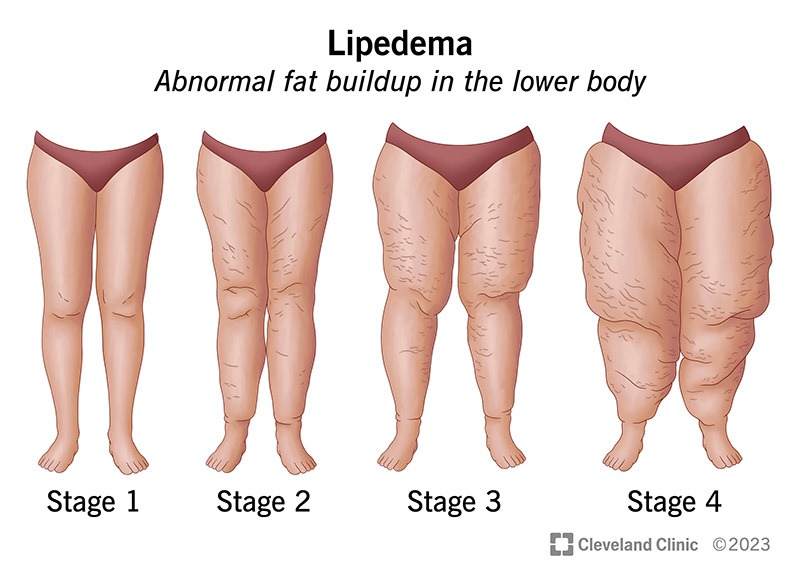
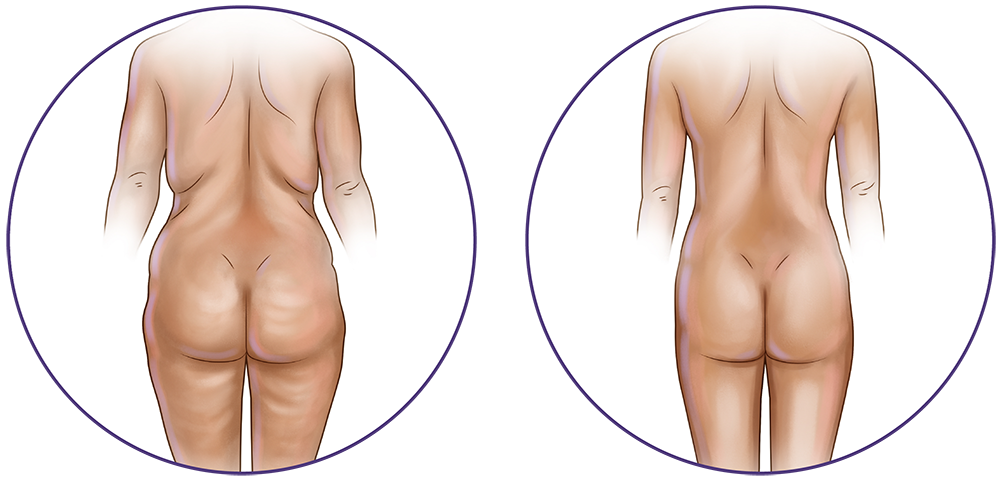
Lipedema is a chronic medical condition characterized by the abnormal accumulation of fat tissue, primarily affecting women’s legs, thighs, and sometimes arms. Unlike regular weight gain, lipedema creates a disproportionate buildup of adipose tissue that doesn’t respond to traditional diet and exercise methods. This condition affects approximately 11% of women worldwide, yet it remains widely misdiagnosed or confused with obesity or lymphedema.
The cost of lipedema surgery varies dramatically based on several critical factors. The stage of lipedema significantly impacts pricing, with early-stage patients requiring less extensive procedures compared to advanced cases. Stage 1 lipedema, characterized by smooth skin with small fat deposits, typically requires less surgical intervention than Stage 4, where large fat lobules and skin changes necessitate more complex procedures.
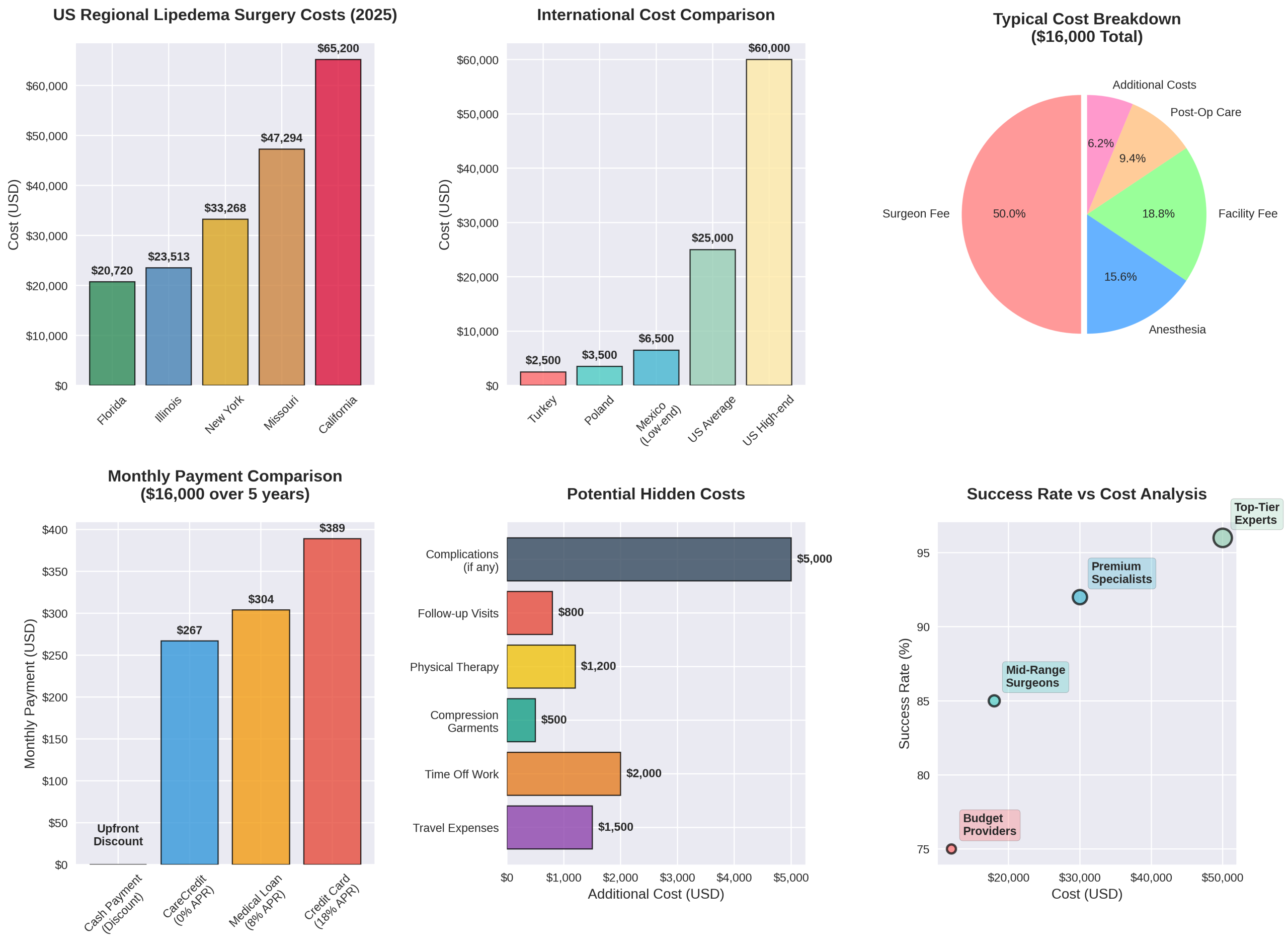
Geographic location plays a crucial role in determining costs. According to FAIR Health data, lipedema surgery costs range from $20,720 in Florida to $65,200 in California, representing a 215% price difference within the United States alone. This variation reflects differences in cost of living, surgeon expertise, facility fees, and regional healthcare economics.
Surgeon specialization and experience significantly influence pricing. Board-certified plastic surgeons with extensive lipedema experience typically charge premium rates, often ranging from $30,000 to $60,000 per procedure. However, this investment often translates to better outcomes, lower complication rates, and more comprehensive post-operative care.
2025 Price Breakdown: What You'll Actually Pay
United States Regional Pricing
The United States shows significant regional variation in lipedema surgery costs. Based on extensive research and FAIR Health data, here’s the current pricing landscape:
| Location | Average Cost | Cost Range | Notable Factors |
|---|---|---|---|
| Florida | $20,720 | $15,000 - $28,000 | Lower cost of living, competitive market |
| Illinois (Chicago area) | $23,513 | $18,000 - $32,000 | Moderate costs, good specialist availability |
| New York | $33,268 | $25,000 - $45,000 | High cost of living, premium facilities |
| Missouri (St. Louis) | $47,294 | $35,000 - $55,000 | Specialized centers, comprehensive care |
| California | $65,200 | $45,000 - $85,000 | Highest costs, premium locations |
Detailed Cost Components
Understanding the breakdown of lipedema surgery costs helps patients budget effectively and identify potential areas for savings. A typical $25,000 lipedema surgery includes several distinct components:
Surgeon’s Fee ($12,000 – $20,000): This represents the largest portion of the total cost and reflects the surgeon’s expertise, reputation, and time investment. Board-certified plastic surgeons with specialized lipedema training command higher fees, but their expertise often results in better outcomes and fewer complications.
Anesthesia Costs ($2,000 – $4,000): Lipedema surgery requires general anesthesia administered by a certified anesthesiologist. The duration of surgery directly impacts anesthesia costs, with complex cases requiring 4-6 hours of anesthesia time.
Facility Fees ($3,000 – $8,000): These costs cover the use of the surgical facility, including operating room time, equipment, nursing staff, and post-operative recovery space. Accredited surgical centers typically charge more than office-based facilities but offer enhanced safety protocols.
Post-Operative Care ($1,500 – $3,000): This includes follow-up appointments, wound care, compression garments, and any necessary adjustments to the treatment plan. Comprehensive post-operative care is crucial for optimal results and complication prevention.
Additional Costs ($1,000 – $2,500): These may include pre-operative testing, medications, special compression garments, lymphatic drainage sessions, and potential revision procedures.
International Options: Significant Savings with Considerations
Turkey: The Leading Medical Tourism Destination
Turkey has emerged as the premier destination for international lipedema surgery, offering costs ranging from $1,700 to $3,000 USD. This represents savings of 80-90% compared to US prices. Turkish medical facilities specializing in lipedema treatment often provide comprehensive packages including surgery, accommodation, airport transfers, and post-operative care.
The lower costs in Turkey don’t necessarily indicate lower quality. Many Turkish surgeons have trained internationally and use state-of-the-art equipment in JCI-accredited facilities. However, patients must carefully research surgeons’ credentials, facility accreditation, and post-operative support systems.
European Options
Poland and other Eastern European countries offer lipedema surgery at costs ranging from $3,000 to $8,000 USD. These destinations provide a middle ground between US prices and the lowest-cost options, often with easier communication for English-speaking patients and shorter travel distances.
Medical Tourism Considerations
While international options offer substantial savings, patients must consider additional factors that can impact the total cost and experience:
Travel Expenses: International travel, accommodation, and extended stays for recovery can add $2,000 – $5,000 to the total cost. Patients typically need to stay 7-14 days for initial recovery and follow-up appointments.
Communication Barriers: Language differences can complicate pre-operative consultations, informed consent processes, and post-operative care instructions. Ensure your chosen facility provides adequate translation services.
Follow-up Care: Post-operative complications or concerns may require local medical attention upon return home, potentially creating additional costs and coordination challenges with the original surgeon.
Legal Recourse: Medical malpractice laws and patient protection regulations vary significantly between countries. Understanding your legal rights and available recourse is crucial before proceeding with international treatment
⚠️ Warning About Extremely Low-Cost Providers
Be cautious of providers offering lipedema surgery at suspiciously low prices ($4,000 – $9,000 USD). These may indicate inexperienced surgeons, substandard facilities, or hidden costs that emerge later. Always verify surgeon credentials, facility accreditation, and patient reviews before making decisions based solely on price.
Hidden Fees: What They Don't Tell You Upfront
One of the most frustrating aspects of planning lipedema surgery is discovering unexpected costs after committing to treatment. These hidden fees can add $5,000 – $15,000 to your total investment, making budget planning challenging. Understanding these potential costs upfront allows for better financial preparation and more accurate provider comparisons.
Pre-Operative Hidden Costs
Consultation Fees ($200 – $500): Many surgeons charge consultation fees, especially for out-of-state patients. Some providers apply this fee toward surgery costs, while others treat it as a separate expense. Virtual consultations may reduce this cost but might not provide the comprehensive evaluation needed for accurate surgical planning.
Diagnostic Testing ($500 – $1,500): Pre-operative testing may include blood work, EKG, chest X-rays, and specialized imaging studies. While some basic tests are included in surgical packages, comprehensive evaluations often incur additional charges.
Functional Capacity Evaluations ($800 – $2,000): These specialized assessments help demonstrate medical necessity for insurance purposes and provide baseline measurements for post-operative comparison. While valuable for insurance approval, they represent an additional upfront cost.
Surgical Day Surprises
Extended Surgery Time: Complex cases may require longer surgical time than initially estimated, resulting in additional anesthesia and facility fees. Surgeons typically provide time estimates, but actual procedures may exceed these projections by 1-2 hours.
Additional Procedures: Surgeons may discover during surgery that additional areas require treatment or that complementary procedures would optimize results. While these recommendations may be medically sound, they can significantly increase costs.
Specialized Equipment: Some surgeons use advanced technologies like water-assisted liposuction (WAL) or power-assisted liposuction (PAL), which may incur additional equipment fees not included in standard pricing quotes.
Post-Operative Expenses
Compression Garments ($300 – $800): High-quality compression garments are essential for optimal healing and results. Patients typically need multiple sets for washing and replacement, and these specialized medical garments are expensive.
Lymphatic Drainage Therapy ($100 – $200 per session): Manual lymphatic drainage helps reduce swelling and improve healing. Patients often need 10-20 sessions, creating costs of $1,000 – $4,000 not typically included in surgical quotes.
Physical Therapy ($150 – $300 per session): Specialized physical therapy helps restore mobility and function after surgery. Insurance may not cover these services when related to cosmetic procedures, leaving patients responsible for $2,000 – $6,000 in therapy costs.
Time Off Work: Recovery typically requires 2-4 weeks off work, with some patients needing extended time for physically demanding jobs. Lost income can represent a significant hidden cost, potentially reaching $5,000 – $15,000 depending on salary and recovery time.
Complication-Related Costs
While serious complications are rare with experienced surgeons, they can create substantial additional expenses. Secondary lymphedema, the most serious potential complication, can result in treatment costs ranging from $22,000 to $128,000 over time. Other complications like infection, seroma, or poor healing may require additional procedures, medications, or extended care.
💡 Pro Tip: Transparent Pricing
Seek providers who offer transparent, all-inclusive pricing. Dr. Thomas Wright, for example, provides a cash price of $10,500 that includes surgery, facility, and anesthesia fees with no hidden costs. This transparency helps patients budget accurately and avoid financial surprises.
Financing Options: Making Surgery Affordable
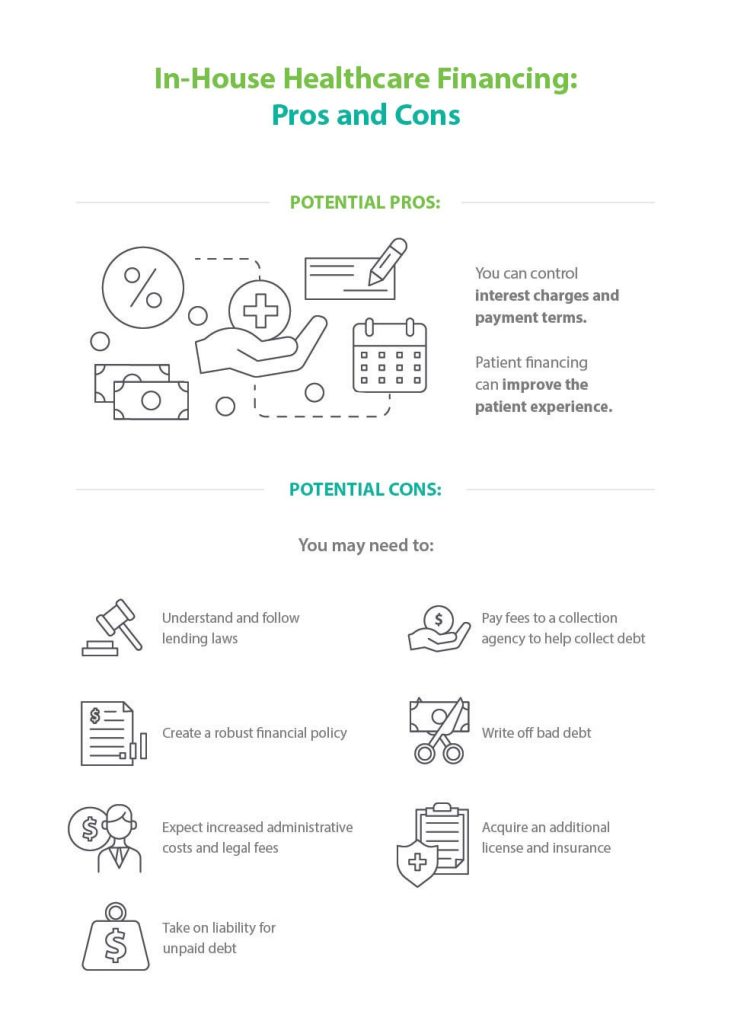
The high cost of lipedema surgery can seem overwhelming, but numerous financing options make treatment accessible to patients across different financial situations. Understanding these options and their terms helps patients choose the most appropriate financing method for their circumstances.
Medical Credit Cards
CareCredit: The most popular medical financing option, CareCredit offers promotional periods with 0% APR for qualified applicants. For lipedema surgery, patients can often secure 12-24 month interest-free financing, making a $20,000 procedure cost approximately $833-$1,667 per month with no interest charges.
CareCredit’s benefits include immediate approval for many applicants, acceptance at thousands of medical providers, and flexible payment terms. However, patients must pay off the full balance during the promotional period to avoid retroactive interest charges, which can be substantial (typically 26.99% APR).
Alphaeon Credit: Provided by Comenity Capital Bank, Alphaeon Credit specializes in elective medical procedures. They offer longer promotional periods than CareCredit, sometimes extending to 36 months for larger procedures. Interest rates and terms vary based on creditworthiness and procedure cost.
Personal Medical Loans
Traditional personal loans for medical expenses typically offer fixed interest rates ranging from 6% to 36% APR, depending on credit score and income. These loans provide several advantages over medical credit cards:
Predictable Payments: Fixed monthly payments make budgeting easier and eliminate the risk of retroactive interest charges common with promotional medical credit cards.
Longer Terms: Medical loans often offer 3-7 year terms, reducing monthly payment amounts. A $25,000 loan at 10% APR over 5 years results in monthly payments of approximately $531.
No Promotional Restrictions: Unlike medical credit cards, personal loans don’t require paying off the full balance within a promotional period to maintain favorable terms.
Healthcare-Specific Financing Programs
Many lipedema treatment centers partner with specialized healthcare financing companies to offer customized payment plans. These programs often provide more flexible terms than traditional financing options:
Extended Payment Plans: Some providers offer in-house financing with payment plans extending 12-60 months. These arrangements may not require credit checks and can accommodate patients with less-than-perfect credit.
Graduated Payment Plans: These plans start with lower payments that increase over time, accommodating patients expecting income growth or those managing other financial obligations.
Seasonal Payment Options: Some programs allow patients to skip payments during certain months or make larger payments during high-income periods, providing flexibility for seasonal workers or those with variable income.
Insurance and Health Savings Accounts
While insurance coverage for lipedema surgery remains challenging, several strategies can help offset costs:
Health Savings Accounts (HSAs): HSA funds can be used for qualified medical expenses, including lipedema surgery when deemed medically necessary. This provides tax advantages and can significantly reduce the effective cost of treatment.
Flexible Spending Accounts (FSAs): Similar to HSAs, FSAs allow pre-tax dollars to pay for medical expenses. However, FSAs typically have “use it or lose it” policies, requiring careful planning.
Insurance Appeals: While initial insurance denials are common, successful appeals can result in partial or full coverage. Working with experienced insurance specialists and providing comprehensive medical documentation improves approval chances.
Cost-Saving Strategies
Multiple Procedure Discounts: Patients requiring treatment of multiple areas often receive discounted pricing for combined procedures. This approach also reduces overall anesthesia and facility costs.
Seasonal Promotions: Some providers offer promotional pricing during slower periods, typically winter months. These promotions can provide savings of 10-20% on standard pricing.
Package Deals: Comprehensive packages including surgery, post-operative care, compression garments, and follow-up appointments often provide better value than paying for services separately.
Group Discounts: Some providers offer discounts for patients who schedule surgeries together or refer friends and family members. While not common, these programs can provide modest savings
Insurance Coverage: Navigating the Complex Landscape
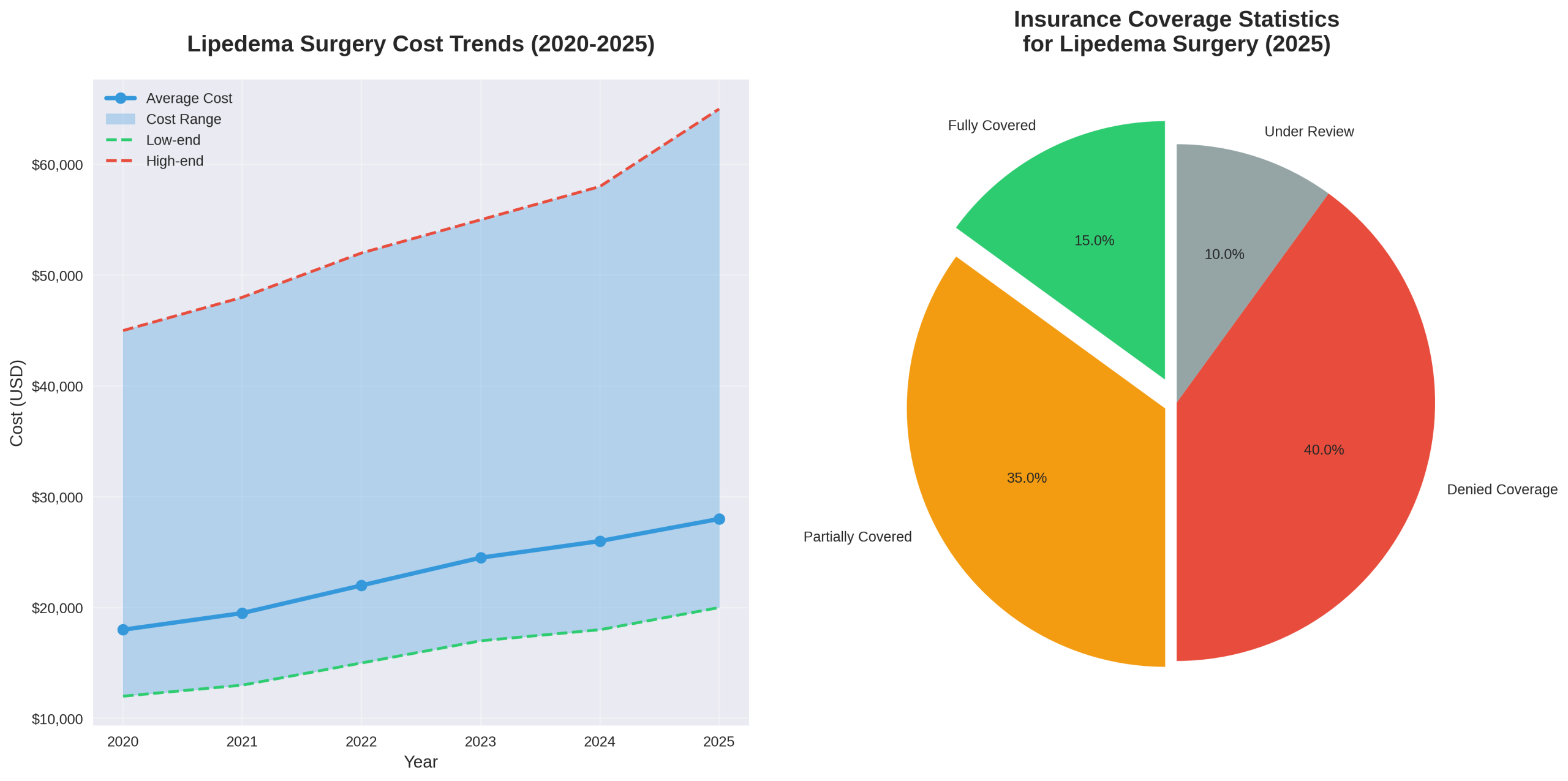
Insurance coverage for lipedema surgery represents one of the most challenging aspects of treatment planning. While lipedema is increasingly recognized as a legitimate medical condition requiring surgical intervention, insurance approval rates remain frustratingly low, with only 15% of patients receiving full coverage and 35% obtaining partial reimbursement.
Current Insurance Landscape
The insurance industry’s approach to lipedema surgery varies significantly between providers and individual policies. Major insurers like Aetna, Blue Cross Blue Shield, and UnitedHealthcare have developed specific medical policies addressing lipedema treatment, but these policies often contain restrictive criteria that many patients struggle to meet.
Medicare and Medicaid coverage exists but remains limited. Medicare covers lipedema surgery when specific medical necessity criteria are met, including documented functional impairment, failed conservative treatment, and comprehensive medical documentation. However, the reimbursement rates are often so low that many experienced surgeons cannot afford to accept Medicare patients.
Medical Necessity Documentation
Successful insurance approval requires comprehensive documentation demonstrating medical necessity. This documentation typically includes:
Clinical Diagnosis: Formal lipedema diagnosis from a qualified physician, preferably a specialist familiar with the condition. The diagnosis must differentiate lipedema from obesity, lymphedema, or other conditions.
Functional Impairment Evidence: Documentation of how lipedema affects daily activities, mobility, and quality of life. Functional Capacity Evaluations (FCEs) provide objective measurements of physical limitations and can strengthen insurance appeals.
Conservative Treatment History: Insurance companies typically require evidence of failed conservative treatment attempts, including compression therapy, manual lymphatic drainage, exercise programs, and dietary modifications. This treatment history must span 6-12 months with documented lack of improvement.
Photographic Documentation: Before and after photos showing the progression of lipedema and the disproportionate fat distribution characteristic of the condition. These images help insurance reviewers understand the medical rather than cosmetic nature of the procedure.
Working with Insurance Specialists
Many lipedema treatment centers employ dedicated insurance specialists who understand the complexities of coverage approval. These professionals provide valuable services including:
Pre-Authorization Assistance: Insurance specialists help gather required documentation, submit pre-authorization requests, and communicate with insurance companies throughout the review process.
Appeals Management: When initial requests are denied, insurance specialists can file appeals with additional supporting documentation and medical literature supporting the medical necessity of lipedema surgery.
Policy Analysis: Understanding specific policy language and coverage criteria helps optimize approval chances by ensuring all requirements are met before submission.
Out-of-Network Considerations
Most experienced lipedema surgeons operate as out-of-network providers, meaning patients must navigate out-of-network benefits and reimbursement processes. Understanding your policy’s out-of-network provisions is crucial for financial planning:
Deductibles and Co-insurance: Out-of-network procedures typically have higher deductibles and co-insurance requirements. Patients may be responsible for 30-50% of costs even with insurance approval.
Reasonable and Customary Limits: Insurance companies may limit reimbursement to “reasonable and customary” charges for your geographic area, which may be significantly less than actual surgeon fees.
Balance Billing: Patients may be responsible for the difference between insurance reimbursement and actual surgeon charges, potentially creating substantial out-of-pocket expenses even with insurance coverage.
⚠️ Insurance Reality Check
Despite increasing recognition of lipedema as a medical condition, insurance approval remains challenging. Plan for the possibility of paying out-of-pocket while pursuing insurance coverage. Many patients find that the certainty of self-pay allows them to proceed with treatment without the stress and delays of insurance battles.
Choosing the Right Surgeon: Balancing Cost and Quality
Selecting a surgeon for lipedema treatment requires careful consideration of multiple factors beyond cost alone. While price is undoubtedly important, the surgeon’s experience, technique, and patient outcomes significantly impact both short-term results and long-term satisfaction.
Choosing the Right Surgeon: Balancing Cost and Quality
Board Certification: Ensure your surgeon is board-certified in plastic surgery or a related specialty. Board certification indicates completion of rigorous training and ongoing education requirements. However, board certification alone doesn’t guarantee lipedema expertise.
Lipedema-Specific Experience: Look for surgeons who specialize in lipedema treatment and perform these procedures regularly. Surgeons who treat lipedema occasionally may not have the specialized knowledge needed for optimal outcomes. Ask about the surgeon’s annual lipedema case volume and years of experience treating the condition.
Published Research and Education: Surgeons who publish research on lipedema treatment and educate other physicians demonstrate commitment to advancing the field. Dr. Thomas Wright, for example, has published surgical outcomes data showing significant mobility and functional improvements from lipedema reduction surgery.
Surgical Technique and Approach
Different surgeons use various techniques for lipedema treatment, and understanding these approaches helps patients make informed decisions:
Tumescent Liposuction: The gold standard for lipedema treatment, tumescent liposuction uses specialized cannulas and techniques to remove lipedema fat while protecting lymphatic vessels. This technique requires specific training and experience for optimal results.
Water-Assisted Liposuction (WAL): Some surgeons prefer WAL for lipedema treatment, claiming it provides gentler fat removal and better lymphatic preservation. However, the technique is more important than the specific technology used.
Comprehensive Treatment Approach: The best lipedema surgeons provide comprehensive care including pre-operative optimization, surgical treatment, and extensive post-operative support. This holistic approach typically produces better outcomes than surgery alone
Facility Accreditation and Safety
The surgical facility’s accreditation and safety record are crucial considerations, especially for procedures requiring general anesthesia:
Accreditation Standards: Look for facilities accredited by organizations like the American Association for Accreditation of Ambulatory Surgery Facilities (AAAASF) or The Joint Commission. These accreditations ensure adherence to strict safety and quality standards.
Emergency Protocols: Ensure the facility has appropriate emergency equipment and protocols for managing potential complications. This is particularly important for longer procedures or patients with medical comorbidities.
Anesthesia Safety: Verify that board-certified anesthesiologists or certified nurse anesthetists provide anesthesia services. Proper anesthesia management is crucial for patient safety during lengthy lipedema procedures.
Patient Reviews and Outcomes
Research patient reviews and outcomes data to understand the surgeon’s track record:
Before and After Photos: Review extensive before and after photo galleries showing results in patients with similar lipedema stages and body types. Pay attention to the naturalness of results and improvement in leg shape and proportion.
Patient Testimonials: Read detailed patient testimonials focusing on the entire experience, including consultation, surgery, recovery, and long-term results. Look for testimonials from patients with similar circumstances and goals.
Complication Rates: Ask about complication rates and how complications are managed. Experienced lipedema surgeons should have low complication rates and comprehensive protocols for managing any issues that arise.
💡 Red Flags to Avoid
Be cautious of surgeons who: guarantee specific results, pressure you to decide quickly, lack lipedema-specific experience, operate in non-accredited facilities, or offer prices significantly below market rates. Quality lipedema surgery requires expertise, time, and appropriate resources.
Frequently Asked Questions
How much does lipedema surgery typically cost in 2025?
Does insurance cover lipedema surgery?
What financing options are available for lipedema surgery?
Are there hidden costs I should know about?
Is medical tourism for lipedema surgery safe?
How do I choose between different surgeons and price points?
What's the difference between lipedema surgery and regular liposuction?
Lipedema surgery requires specialized techniques to remove pathological fat while protecting lymphatic vessels. It’s performed by surgeons with specific lipedema training and typically involves tumescent or water-assisted liposuction. Regular cosmetic liposuction techniques are inadequate for lipedema treatment and may cause complications.
How many surgeries will I need?
Making Your Decision: Key Considerations
Deciding to proceed with lipedema surgery involves balancing multiple factors including cost, quality, timing, and personal circumstances. This comprehensive analysis should help you make an informed decision that aligns with your medical needs, financial situation, and quality of life goals.
Financial Planning Strategies
Create a Comprehensive Budget: Include all potential costs including surgery, travel, time off work, post-operative care, and potential complications. Add a 20% contingency for unexpected expenses.
Explore All Financing Options: Compare medical credit cards, personal loans, and provider payment plans. Consider the total cost of financing, including interest and fees, when making decisions.
Maximize Tax Benefits: Use HSA or FSA funds when possible, and consult with a tax professional about medical expense deductions for large medical expenditures.
Consider Timing: Plan surgery during periods of financial stability and when you can take adequate time off work for recovery.
Quality vs. Cost Balance
While cost is important, prioritize surgeons with extensive lipedema experience and excellent patient outcomes. The difference between a $15,000 procedure with poor results and a $30,000 procedure with excellent outcomes often justifies the higher investment when considering long-term satisfaction and potential revision costs.
International vs. Domestic Treatment
International treatment can provide substantial savings but requires careful consideration of total costs, quality assurance, and post-operative support. For complex cases or patients with medical comorbidities, domestic treatment may provide better safety and continuity of care.
Final Recommendation
Lipedema surgery is a significant investment in your health and quality of life. Take time to research thoroughly, consult with multiple surgeons, understand all costs involved, and choose a financing option that fits your situation. Remember that the cheapest option is rarely the best value when it comes to medical procedures.