Key Takeaways
-
The pain cycle in lipoedema is critical to comprehend — it encompasses not only physical pain, but emotional suffering and behavioral adjustments that degrade your quality of life.
-
CBT provides actionable techniques to cope with both the physical and emotional aspects of lipoedema pain, empowering patients to cultivate resilience and improved coping abilities.
-
By customizing CBT protocols to target body image issues, medical trauma, and isolation, this approach provides more effective and personalized care for lipoedema patients.
-
By incorporating self-management techniques and consistent practice of CBT exercises, patients can feel empowered to control their health and monitor their own progress.
-
Digital apps, internet forums, and teletherapy make continued support and connection available anywhere, anytime.
-
By keeping up with new research and peer networks, patients can take advantage of the latest advances and help create a supportive community of inclusion.
Cognitive‑behavioural therapy protocols tailored to lipoedema pain implement evidence-based strategies to assist individuals in coping with the physical and psychological impact of this condition. These protocols frequently combine pain management, stress reduction, and pragmatic coping skills. These might involve paced activity, problem-solving tools and methods to redirect unhelpful thinking about pain. A lot of plans instruct self-care and guide people to navigate emotions associated with lipoedema, like shame or anxiety. They can be organized as individual, group, or online instructions. With actionable strategies and techniques, these therapy schedules provide lipoedema patients additional options to manage pain and everyday tension. The specifics in the following sections demonstrate how these methods operate in practice.
The Pain Cycle
Lipoedema pain is not simply physical. It forms a person’s mind, emotions, and behaviors. Chronic pain from lipoedema can ignite a cycle that ties people in knots — and makes life more difficult and less enjoyable. This cycle connects physical symptoms, emotions, and behaviors. Each can exacerbate the others, forming a vicious cycle difficult to escape. Knowing this cycle is important for constructing lipoedema-specific CBT protocols.
|
Physical Sensations |
Emotional Toll |
Behavioral Impact |
|---|---|---|
|
Pain, swelling, fatigue |
Anxiety, depression, shame |
Avoidance, social withdrawal |
|
Heaviness, tenderness |
Helplessness, frustration |
Reduced activity, sleep issues |
Physical Sensations
-
Ongoing pain in the legs or arms
-
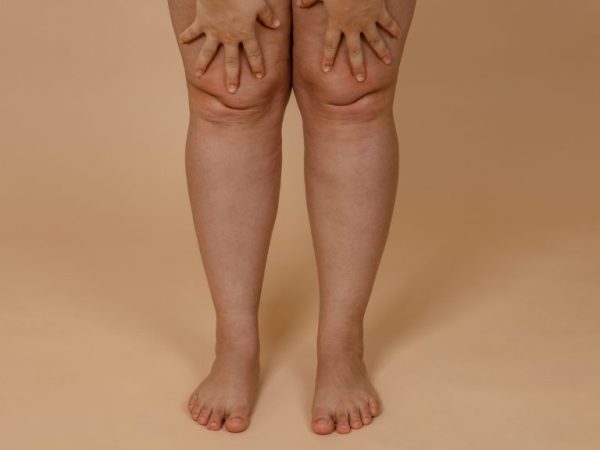
Swelling that gets worse as the day goes on
-
Skin that feels tender or bruised
-
Heaviness or tightness in the limbs
-
Fatigue from carrying extra weight
Edema — fluid build-up — can exacerbate pain and swelling. This swelling restricts motion. Basic activities such as walking, stair climbing, or even standing for prolonged periods become difficult. As swelling increases, everyday life becomes more overwhelming.
Pain, on the other hand, is commonly associated with fat accumulations pressing upon nerves and tissues. This pain isn’t always alleviated by regular painkillers. If unimpeded, the ache can intensify as adipose accumulates.
If physical complaints are unaddressed, quality of life plummets. Controlling the pain and swelling can help individuals reclaim mobility and autonomy, which in turn sustains their psychological and social well-being.
Emotional Toll
Helplessness abounds. The pain doesn’t disappear, it can seem like nothing works. This can drain hope and vitality.
A lot of lipoedema patients struggle with body image concerns and stigma. Others don’t get it, and you receive hurtful comments or social ostracization.
Chronic pain causes constant depression and anxiety as well. Worry about the future, changes in appearance, and sleep issues can all exacerbate this.
Emotional support is critical. It provides individuals a means to manage their stress and feel less isolated.
Behavioral Impact
Lipoedema pain can translate to abandoning daily habits. Folks can quit working out, sit more or sleep badly. Little things seem like major undertakings.
Avoidance is common. To avoid pain or bad attention, for example, we might ditch social engagements or steer clear of anything new. It can contract their universe and cap happiness.
Social life suffers. Relationships can break down if loved ones don’t ‘get’ the pain. This disconnection can fuel isolation and sadness.
Participating in group rehab, visiting a therapist, or initiating light exercise can interrupt this cycle. CBT pushes individuals to make minor efforts to reconstruct routines and social connections.
How CBT Helps
CBT is a rigorous, actionable treatment for lipoedema pain. CBT helps individuals identify and alter unhelpful thoughts and behaviours that contribute to pain and emotional distress. For lipoedema patients, CBT can be tailored to manage pain, body image concerns and emotional issues. It provides tactics to help control depression, anxiety, and physical symptoms, which makes life seem more manageable.
1. Reframing Thoughts
CBT instructs patients to identify negative thoughts about pain, body, or ability and then test whether those thoughts are accurate or useful.
By confronting these patterns, patients can employ positive self-talk to combat shame and stigma. Basic mantras—such as, don’t let lipoedema measure your value—can erode the sense of shame. Cognitive restructuring helps shift the perception of suffering, from something unbearable to something manageable. Over time, patients can construct a more balanced narrative about life with lipoedema, evolving from victimhood to empowerment.
2. Modifying Behaviors
CBT promotes minor lifestyle tweaks, such as incorporating brief walks or light stretching, even in the face of pain.
Designing rituals that encompass self-care and coping measures can aid in controlling both pain and mood. Creating movement or weight control goals, keeping them realistic, encourages consistent advancement. These shifts usually equate to less suffering and improved mental health, because doing something about pain—instead of feeling trapped—enhances feelings of control.
3. Calming the Body
Relaxation is a crucial component of CBT for lipoedema. Deep breathing, guided imagery, and mindfulness are common skills to relax tension and decelerate racing thoughts.
Through regular muscle relaxation practice, it reduces pain and improves sleep. These exercises are simple to pick up and deploy whenever pain spikes. With a calm body, individuals tend to experience reduced stress and increased cognitive clarity, enabling them to react to pain more adaptively.
4. Pacing Activities
Pacing keeps symptoms from flaring. Learning to balance work and relaxation can make a big difference.
Logging energy and limits makes it easier to see patterns and make smarter plans. Customizing pacing strategies is crucial — what’s effective for one individual may not be for another. This careful balance results in more consistent progress and less backsliding.
Tailoring Protocols
Cognitive-behavioural therapy (CBT) for lipoedema pain requires more than a cookie-cutter approach. Symptoms, triggers, emotional burdens — are defined by each individual’s path. Personalized CBT involves examining the individual in totality—body, mind, and history. The table below summarizes several of the main ways CBT can be customized for lipoedema.
|
Adaptation |
Description |
|---|---|
|
Pain coping skills |
Teach simple, practical ways to manage chronic pain. |
|
Body image work |
Focus on self-acceptance and challenge negative self-beliefs. |
|
Trauma support |
Address medical trauma and mistrust of health care providers. |
|
Social skills training |
Help build or rebuild social connections and support. |
|
Collaborative planning |
Work with doctors and therapists for safe, joined-up care. |
Body Image
Bad body image is prevalent in lipoedema. A lot of patients feel like a misfit because they don’t look the same. This could impact on mood and self-esteem.
Therapy might incorporate body acceptance exercises, such as gratitude lists or mirror work. Group sessions and body positive workshops allow individuals to exchange experiences and encourage one another. Easy daily rituals, like putting on clothes that make you feel good, can change how you perceive yourself. Reframing your inner self talk—“my body is wrong” to “my body deserves care” is crucial. Lipoedema support groups help individuals recognize they aren’t alone and can even increase self-confidence.
Medical Trauma
Many with lipoedema have had tough medical pasts: missed diagnoses, surgeries, or feeling dismissed by providers. This can make people scared, distrustful, and worried about receiving treatment.
Dealing with trauma in therapy is crucial. Therapists can encourage open discussion about what happened and how it continues to haunt the patient. Listening non-judgmentally fosters trust. Supportive measures — like role play pre-doctor visits or written appointment plans — assist patients relearn trust their care teams.
Social Isolation
Lipoedema can cause people to retreat from social life, sometimes due to pain or stigma. This isolation only compounds depression and prevents individuals from seeking assistance.
Joining peer groups or online forums helps people connect and share tips. Keeping up even minor social contacts, such as having coffee with a friend, nourishes mental health. Community events– exercise classes or info sessions– can break loneliness. Keeping in touch– however minimally– counts.
Practical Application
Tailored CBT protocols for lipoedema pain emphasize practical, actionable steps you can apply in daily life. These strategies aid in mitigating chronic aches and enhancing self-discipline, emphasizing habit and responsibility.
Self-Management
Advocating for yourself is important. Tools like daily journals or the lipoedema wheel assist patients in identifying pain and mood patterns, simplifying what works. Symptom, exercise, and emotional tracking highlights trends that can inform new habits. I find this helps many to write down advance and reverse steps, so mini wins are obvious and challenges not ignored.
Self-advocacy is crucial. When someone advocates for their needs—like requesting assistance with compression garments or communicating to friends about missing hockey or work functions—they receive the support required without guilt. Adaptability shows up here: instead of missing out, some find new ways to stay active or involved, even if it looks different than before.
Professional Guidance
CBT is most effective when led by a therapist with specific training in pain management. These experts assist customize techniques to every individual’s requisites, making modifications as signs translate or new pressure emerges. Healthcare teams–dietitians, physical therapists, etc.–are integral. They provide additional support that assists with both physical symptomatology and the psychological burden of lipoedema.
Ongoing check-ins keep the plan fresh. For instance, a physical therapist could demonstrate more effective methods to workout safely, and a dietitian can assist with selecting meals that promote energy and ease. With consistent encouragement, adherence to therapy targets is more feasible.
Consistent Practice
Change is born of consistent activity. Drilling down on CBT tools—whether thought records, breathing, or micro-objectives—is most effective when baked into existing habits. Setting reminders, or associating exercises with particular times (post-breakfast or pre-bed) makes them easier to maintain.
Persistence is important. Any kind of forward movement, no matter how slow, has a way of making the pain recede and the exercise seem less intimidating. Self-determination theory demonstrates that folks remain motivated when they notice themselves making decisions and accomplishing goals — even if the goal is something as fundamental as wearing compression gear each morning.
Beyond the Clinic
CBT for lipoedema pain doesn’t end when you leave the clinic. To aid in long-term coverage, digital tools, peer support, and actionable daily habits all have a role. These daily practices provide relief and assist with pain, exhaustion and the emotional impact lipoedema can have.
Digital Tools
Digital tools assist women with lipoedema manage symptoms and maintain their well-being. Tracking tools simplify the process of identifying patterns, such as when pain intensifies or which movements provide relief. It both makes people feel more empowered and can direct minor adjustments to daily habits.
Apps that record pain, mood, and fatigue assist users in identifying patterns. For instance, a digital journal or symptom tracker can illustrate how stress or diet impact pain or inflammation. A multitude of apps now offer mood tracking, self-care reminders, and even guided relaxation exercises.
Online forums, virtual support groups connect those with lipoedema. These groups are effective for those who feel isolated or alienated, as they create a community. Teletherapy allows individuals to receive continuous mental health care from the comfort of their own home – a service that is commonly required as lipoedema patients often struggle to travel.
-
Symptom tracking apps
-
Mood journals
-
Guided relaxation/meditation apps
-
Teletherapy platforms
-
Online support forums
Peer Support
Connecting and talking with others who live with lipoedema reduces the shame. No matter their form—online or in-person—peer-led groups provide a secure environment to discuss pain, body image, and the potential stigma of the condition.
In these tribes, members exchange stories and coping strategies that are effective for them. Then there are the women who claim that listening to other people’s wins, big or small, makes them feel less isolated and more optimistic. These spaces reduce the isolation that can accompany lipoedema, particularly when everyday life feels difficult.
Lifestyle Integration
-
Eat a healthy diet of fruits, vegetables, and lean protein
-
Participate in low impact exercise on a regular basis (water aerobics, walking)
-
Practice mindfulness or meditation for stress management
-
Keep a symptom or pain diary
-
Get enough sleep every night
Daily habits DO MATTER for lipoedema management. Balanced meals and regular exercise — including swimming or walking — keep symptoms in check and enhance mobility. Mindfulness and meditation can alleviate anxiety and depression that are prevalent in this population. Incorporating these habits into your daily routine provides consistent reinforcement for both body and mind.
Future Directions
There’s a growing interest in novel treatments for lipoedema, which is reflected in how specialists are evolving their approach to the disease. This shift is creating more opportunities for patients and care teams alike. Recent research suggests that liposuction, when performed properly, can provide powerful symptomatic relief and improve quality of life. Still, with no single path for treatment, many advocate for longitudinal research that follows outcomes and constructs defined treatment pathways. Complementing liposuction with compression therapy might very well alleviate post-surgical pain and swelling, demonstrating that combining therapies could provide enhanced benefits.
Beyond surgery and physical care, more teams today recognize the requirement for a comprehensive, integrated approach. This involves combining physical assistance, an effective nutrition plan, and mental health support, such as CBT. For most, lipoedema pain isn’t just physical. There is usually concern or grief or anxiety associated with it. Complex CBT customized for lipoedema pain can assist individuals in managing challenging thoughts and behaviors. It can provide mechanisms to get through the day. More research is necessary to evaluate these novel CBT regimens and identify what works best for whom.
We’re seeing new research to discover how lipoedema connects to obesity, and what weight loss signifies for symptoms. It remains unclear whether weight loss alleviates lipoedema pain or swelling, so additional information is required. Concurrently, newer tools like confocal laser scanning microscopy allow researchers to examine lipoedema more closely. This can result in improved care. As researchers discover more about the genes and pathways that cause lipoedema, targeted treatments might be possible in the future.
Maintaining the dialogue with the lipoedema community is crucial. It does us all good to share our stories and advice. Advocacy matters too — because the more people know, the better the care and the less stigma for everyone living with lipoedema.
Conclusion
CBT intervenes to disrupt the stranglehold of pain and stress that accompanies lipoedema. Tiny adjustments in cognition and behavior can tip the entire pain cascade. Customized protocols provide individuals with strategies that suit their requirements, not generic solutions. True change begins in everyday life, not just in the clinic. New thoughts just keep flowing, which means new methods to reduce pain continue to sprout. Lipoedema sufferers don’t have to endure pain in silence. For more info/respite contact a local therapist or a global lipoedema group. By remaining receptive to novel approaches, we all have an equal opportunity at release and a more thriving life.
Frequently Asked Questions
What is cognitive-behavioral therapy (CBT) for lipoedema pain?
CBT for lipoedema pain is a psychological method. It trains individuals to shift harmful cognitions and behaviours associated with pain, which can help to decrease pain and enhance quality of life.
How does CBT break the pain cycle in lipoedema?
CBT assist in recognizing and reforming dysfunctional thought process. It educates in coping skills that reduce stress and anxiety. This disrupts the pain-depression cycle.
Can CBT protocols be tailored for lipoedema pain?
Indeed, CBT protocols can be tailored for lipoedema. The therapists take into account particular pain triggers, emotional needs, and lifestyle factors to design an individualized protocol.
What are some practical CBT techniques for managing lipoedema pain?
Typically these take the form of relaxation training, mindfulness, and goal-setting. These techniques aid in coping with pain in a way that improves mood and promotes activity.
Is CBT for lipoedema only available in clinics?
No, CBT is available beyond clinics A lot of therapists do online sessions, and there’s self-help stuff. This makes it more accessible to individuals globally.
Are there benefits to using CBT alongside medical treatments for lipoedema?
Absolutely, CBT used in conjunction with medical treatment can optimize pain and emotional relief. It provides a comprehensive answer to lipoedema.
What future directions exist for CBT protocols in lipoedema care?
Looking ahead, there’s further study to be done on personalized CBT protocols, digital therapy tools, and provider education. This will increase support for lipoedema patients around the world.