Key Takeaways
-
Educating yourself on lipoedema and its impact breaks down stigmas and encourages thoughtful dialogue in the dating sphere.
-
Open and honest disclosure about lipoedema, when timed thoughtfully, can build trust and deeper connections with potential partners.
-
They key is emotional preparedness, self-acceptance and a support network that will allow you to navigate dating and disclosure with confidence.
-
Navigating a partner’s response with patience and clear communication is key to building healthy, supportive relationships!
-
Dating with lipoedema: navigating disclosing a hidden disability
-
By being honest about yourself during online and in-person dating, you’re more likely to attract like-minded and understanding individuals.
Lipoedema is a chronic disorder that results in swelling and pain, primarily in the legs and arms, but is not necessarily visible to others. Most people with lipoedema crave an authentic connection, but fear when, or how, to disclose their condition. Others don’t know how much to disclose or how others will respond. Transparency and trust are important in dating, but everyone has their own timeline for sharing. In this post, she shares tips and insights for those who want to date with lipoedema, with an emphasis on real-life concerns and support.
Lipoedema’s Shadow
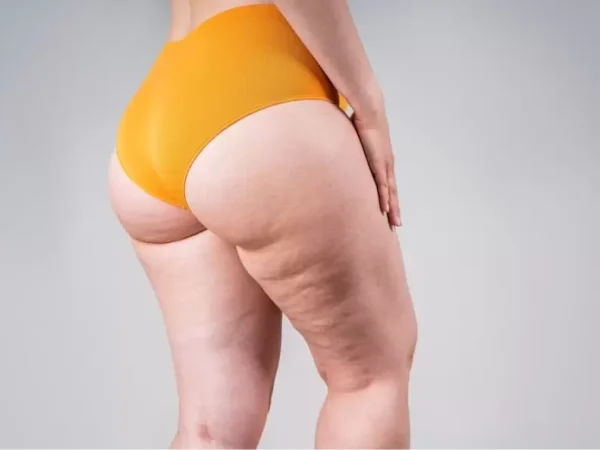
Lipoedema, a chronic condition that predominantly affects women, characterized by a disproportionate accumulation of fat, typically in the legs, thighs or arms. It’s not the same thing as general obesity, although it can be confused with it. The adipose accumulation is frequently painful, inhibits mobility, and can alter one’s appearance over time. These changes provide true challenges — in everyday life and dating — as the condition tends to be hidden or misinterpreted. A large number of lipoedema patients experience embarrassment, self-criticism and concern about their appearance to others, particularly in social situations.
The Physical
Lipoedema deposits fat in specific locations, pain or aching that can intensify throughout the day. Swelling and bruises that can pop up at a moment’s notice are typical. This fat doesn’t budge with diet or exercise, compounding the frustration.
The discomfort and inflammation often makes it difficult to walk or stand for extended periods, restricting participation in activities or outings. Even stupid stuff like standing in line or going for some long walk can be difficult. That can cause them to start skipping social events, even dates, to avoid discomfort or embarrassment.
Finding good fitting clothes is another struggle. Very few off-the-rack options take into account the unique shape changes caused by lipoedema. Shopping gets scary and some folks, well, shy away from it.
-
Sizing issues between upper and lower body
-
Limited styles that offer comfort and coverage
-
High cost of custom or adaptive clothing
-
Trouble finding shoes for swollen feet
-
Frustration with changing sizes over time
The Emotional
There’s a feeling of desolation that comes with living with lipoedema–a feeling of separation from your own body. This disconnection can lead a woman to feel unworthy or vulnerable, particularly in dating. Anxiety and depression creep in when you feel like you’re constantly being judged by your appearance.
Internalized ableism—the notion that you’re “less than” because of a concealed disability—can eat away at self-esteem. It’s typical to stress about when and how to disclose your diagnosis or be afraid of abandonment. These emotions can keep women from moving on to new partners.
Having the support of your friends, family or partner can assist. It’s so much less lonely when we share the struggles and small wins with others. Even a small note from a friend lifts lipoedema’s shadow.
The open conversation surrounding mental health is crucial. Mindfulness and self-care provide a respite, assisting in interrupting this shame spiral. Most discover that opening up about hard feelings, even just a little, helps make dating feel less intimidating.
|
Misconception |
Fact |
|---|---|
|
Lipoedema is just obesity |
Lipoedema is a separate, chronic disorder |
|
Affects only older people |
Can start at puberty or early adulthood |
|
Diet and exercise cure it |
Lipoedema fat is resistant to both |
|
Not a “real” medical issue |
Recognized by health professionals globally |
|
Only cosmetic, not painful |
Pain and bruising are common symptoms |
The Disclosure Guide
Lipoedema disclosure in dating can be tricky and requires preparation, compassion, and confidence. Individuals with invisible disabilities confront difficult decisions regarding when and how to disclose, research indicating that the majority disclose only to those they trust. When, how, with what words and attitude all influence this conversation. Here are some key points for making disclosure smoother and more meaningful:
-
Assess the relationship’s stage and trust level before disclosure.
-
Pick an approach that complements your comfort and your partner’s style.
-
Use simple, honest words to avoid confusion.
-
Stay centered on self-respect and connection.
1. The Timing
Disclosing lipoedema is a personal decision, but it provides to hold out till some belief is constructed not a lot that it causes confusion. Disclosing post-second or third date, or once you feel real interest, can help avoid surprises pre-intimacy. Waiting too long to disclose risks feelings of betrayal or lost opportunities for increased intimacy. Determine if your partner is receptive to health talks by paying attention to how they respond to general discussions about wellness or disabilities. The timing should come organically, keeping with the pace and flow of your relationship.
2. The Method
There is no ‘best’ way to disclose your diagnosis. In-person conversations provide intimacy, a well-wrought note or message provides room for rumination. Humor can diffuse, for example, ‘My legs have a life of their own’, helping to make the talk less stressful. Rehearsing what you want to say—perhaps with a friend or in front of a mirror—can assist you in feeling prepared. Customize the tactic to your partner’s style — a forthcoming type may respond well to an earnest conversation, whereas a more closed off individual might appreciate a carefully worded note.
3. The Words
Clear, plain words work best: “I have a condition called lipoedema. It hits my fat cells, mostly in my legs and arms.” Skip the medical thesaurus! It helps to put your discussion in the context of resiliency and what you’ve learned about yourself, not simply the trials. Anticipate questions; some will inquire about its impact on your life or if assistance is needed. Having additional details or links on hand can help dispel confusion and demonstrate you’re receptive to discussion.
4. The Mindset
Think of disclosure as a pathway to trust, not a cost or hassle. Own it, your story is richness not embarrassment. Establish boundaries—disclose what’s comfortable for you and withhold certain information if you prefer. Self-kindness counts, because this discussion can rouse old concern or criticism.
Emotional Readiness
To confront this reality, look back on your previous experiences with rejection or acceptance, develop your self-confidence, and ensure you have a support system for emotional support. An emotionally sturdy foundation not only assists with the management of lipoedema long-term but makes room for more open, honest connections.
Your Worth
Self-worth has nothing to do with body shape, transformations or health. So many lipos sufferers battle with self-esteem, which has been molded by society’s limited perspective on beauty. Identifying your own strengths—such as empathy, resilience, and humor—can change the emphasis from physical differences to characteristics that deepen connections.
Self-love and acceptance are crucial when it comes to dating with a disability. Practicing self-compassion, celebrating small wins, or developing positive self-talk routines assists. We all deserve love and companionship regardless of if we have a visible or nonvisible health condition. These rituals develop courage to tell a personal tale to someone else.
Their Reaction
Your partners might respond with support, confusion, or silence. Patience, they may still be digesting the news. Willing to field questions and gently steer the conversation can help dispel confusion.
Candid discussion matters. Educating others about lipoedema, welcoming queries and communicating what types of support are most beneficial can be surprisingly bonding. At times, brutally frank health discussions can bring couples closer together.
Internalized Bias
Internalized ableism can influence perceptions of oneself and one’s dating life. Harmful thoughts, such as feeling undeserving or concerns of being a nuisance, usually stem from prior stigma. It takes work to challenge these thoughts.
CBT provides tools to identify, challenge, and transform these patterns. Mindfulness work—body scans, breathing exercises—assist in stress reduction and body awareness. Joining support groups or therapy, and forging friendships with others who are empathetic, can ease the emotional burden. Good examples and supportive bonds count for permanent transformation.
Support System
A good support system—friends, family, online groups—provides essential reinforcement. Emotional support helps to alleviate the distress—which is prevalent among chronically ill patients. Guided imagery or muscle relaxation can relieve stress and assist with flare-ups.
A patient-centered, compassionate approach results in better outcomes and more happiness.
Partner Responses
Opening up about lipoedema, a disease shrouded in secrecy, can result in quite the spectrum of partner responses. Responses are colored by each partner’s experience, prejudice and perception of disability. Respecting these differences is essential in measuring compatibility and cultivating healthy relationships. Below is a table summarizing common responses:
|
Response |
Example |
Impact |
|---|---|---|
|
Support |
Partner helps with leg braces |
Builds trust and intimacy |
|
Confusion |
Partner asks many questions or shares unrelated experience |
Opens dialogue, may need patience |
|
Rejection |
Partner pulls away or changes behavior |
Can be painful but clarifies alignment |
Acceptance
Partner responses like acceptance, understanding, etc. Are huge in forming a strong relationship. When a partner listens, inquires with sincere interest or provides assistance—say, backing the use of mobility aids or being flexible during an episode—it reinforces trust and intimacy. Such actions demonstrate that the relationship can endure real challenges and grow. A simple thank you goes a long way, even for the little things. In one instance, a partner was empathetic and supportive when the other was struck with a debilitating migraine on a date—which brought them closer together. Acceptance is a prerequisite for a healthy, enduring relationship.
Confusion
They might not be familiar with lipoedema and hidden disabilities. As I mentioned, it’s easy for confusion to manifest as numerous questions or even as a partner sharing an off-topic health experience, assuming all disabilities are the same. This can cause confusion, particularly if it is disclosed too soon and the partner isn’t prepared. Open, honest talks contribute to things being more clear and prevent misconceptions from taking hold. Patience as the partner learns. Other times, confusion provides an opportunity to educate and communicate, thereby making both parties feel more connected and informed.
Rejection
Rejection, tough though it may be, is a very real possibility. Some partners pull away or are distant post-lipoedema diagnosis and that can be hard emotionally. Don’t let this damage your ego—most of the time, it’s a matter of chemistry, not your character. Reaching out to friends, expressing emotions, or participating in support groups aid in coping. Every rejection is an opportunity to toughen up and continue searching for a receptive partner.
Intimacy Redefined
Intimacy is beyond skin or feather candles. For those with lipoedema, it frequently involves redefining intimacy—both with the outside world and on the inside. Much still connects intimacy to able-bodied ideals, such a perspective omits the beautiful, complicated lives of those navigating hidden disabilities. Lipoedema sufferers often grapple with body shame, stigma and silence, but they experience partners who see beyond appearance to offer support and care. Intimacy is about self-love and acceptance, too, just as transformative as any romantic tie.
Beyond Physicality
Emotional and intellectual connections can be the stuff of solid relationships. These bonds are only deepened when proximity is scarce or difficult. Common interests, humor, and values can unite people. For instance, hours-long conversations or sharing of books fosters deeper connections than touch alone.
Non-physical displays of affection — a sweet note, shared meal or mere presence — can make 2 people feel connected. Being transparent about needs and comfort allows both partners to adjust, particularly when pain or exhaustion are involved. Direct, open communication helps us get through intimacy hurdles, so you both know what’s working or what needs to shift.
Shared Values
-
Respect: Valuing each other’s feelings and boundaries.
-
Honesty: Sharing thoughts and emotions, even when difficult.
-
Empathy: Trying to see things from your partner’s side.
-
Support: Backing each other’s goals and health needs.
-
Growth: Embracing change together.
Open conversations about health, lifestyle, and future goals allow both partners to understand what is important. Common values help soften differences and minimize misunderstandings. When two people honor and listen to one another, they can nurture each other’s development and health.
Mutual Growth
Intimate connections allow room for both individuals to explore and develop. Encountering lipoedema as a couple will cultivate trust and deepen your connection. When partners encourage each other’s health or personal goals, it makes both sides feel appreciated.
Acknowledging small victories—such as a successful doctor’s appointment or a new habit of self-care—helps maintain a destination-oriented mindset, not just problem-solving.
Digital Dating
Online dating has transformed the way we encounter and establish new relationships. For lipoedema warriors, it can provide a combination of opportunities and challenges. Digital platforms assist us break previous physical boundaries but likewise present hard options about when or the best ways to reveal a covert impairment. It’s not merely about honesty — it’s about being safe, being comfortable, and finding someone who understands.
Your Profile
Profiles tend to be the initial stumbling block. It assists in demonstrating who you are aside from appearance or stature. Name what you love, what you’re into and what’s important to you.
A casual reference to lipoedema in your profile can establish the necessary context. Others, “I have a chronic condition that defines my lifestyle.” This can set the stage for truthful conversations down the line and weed out who is flexible from the beginning.
Doing so, being real about yourself, builds trust. Deceptive pictures or bogus hobbies can cause disappointments. If you’re passionate about hiking, art, or reading – share it. It attracts those that like you for you, not just your appearance.
The Conversation
Begin health discussions early if you feel secure. This allows both parties to develop trust before meeting. If you wait too long it feels like a big reveal, a secret.
Be upfront about lipoedema. Provide basic information, such as, “It’s a chronic condition that causes swelling in my legs.” You don’t need to go into specifics, just enough to orient the other person.
Open-ended questions. This can assist both individuals discuss fitness, lifestyle, and what they want in a companion. It maintains the conversation equilibrium and helps identify the listener.
Great conversations require active listening. If your match is inquisitive or uncertain, respond cautiously. Leave room for their input as well. This establishes a connection of respect.
Conclusion
Discussing lipoedema when dating can be rough. We all discover the appropriate timing and method of disclosing. Some disclose early, some wait. Either way works. Truthful conversation lets both parties know where they stand. Little steps instill trust and comfort. A partner’s response can provide encouragement or assist you to establish direction. There is real support in telling your story online or out loud. There are countless ways people deal with lipoedema. No one has to do it alone. Maintain open communication, express desires, and allow mutual respect to lead the path. If you crave additional inspiration or just want to hear from others who get it, contact IRL groups or online forums. Your story counts.
Frequently Asked Questions
What is lipoedema and how does it affect dating?
Lipoedema is a fat disorder that leads to swelling, typically in the legs. It can cause discomfort and body image issues, affecting confidence and dating experiences.
When should I tell my partner about my lipoedema?
Come out with your lipoedema, when you feel ready and safe to do so. While upfront honesty can establish trust, there’s no perfect time to disclose — it’s all about your comfort level and how the relationship is developing.
How can I prepare emotionally to talk about lipoedema?
Remember to listen to your feelings and be kind to yourself. Preparing talking points and seeking support from trusted people can help you feel confident in disclosure.
How might partners react to learning about hidden disabilities?
Reactions are different. Some partners are wonderful and others take a learning period. Open communication allays questions and concerns.
Can lipoedema affect intimacy in relationships?
Ok, so lipoedema can impact body confidence and discomfort. Being open about your needs and boundaries allows you and your partner to cultivate intimacy and respect.
Is online dating safe for people with hidden disabilities like lipoedema?
Yes, online dating can provide a safe haven to link. It puts you in charge of when you disclose and how you disclose.
What are tips for disclosing lipoedema on dating platforms?
Disclose at your own speed. If you’re okay with it, bring up lipoedema in your profile or messages. Emphasize truthfulness and connection to compatible counterparts.