Key Takeaways
-
Schedule trips during periods when symptoms are lighter and incorporate additional buffer time in your itinerary to allow for rest, mobility, and any unexpected requirements that relieve pressure from swelling and discomfort.
-
Travel tips for lipedema warriors Pack and rotate well-broken-in compression garments, mobility aids, medications, and a documented treatment plan to keep symptoms at bay on the go.
-
Opt for transport and accommodations that emphasize accessibility, legroom, and ease of movement. Pre-arrange help or seating.
-
Schedule frequent breaks, gentle movement, and simple lymphatic drainage techniques during travel while monitoring hydration and nutrition to support lymphatic health.
-
Be vocal about needs to travel staff and companions. Travel with a medical letter in these cases to ensure accommodations and avoid freak-outs.
-
Be kind to yourself, seek out other travelers for support, and take advantage of every journey to develop better, safer, more comfortable travel strategies.
Travel tips for lipedema sufferers aid them in coping with swelling, pain and mobility while on the road. The travel tips include packing compression, scheduling rest, selecting seats and locating medical care.
There are tips for skin care, light workouts, and managing flights or road trips. These travel tips provide some practical steps to maintain comfort and minimize flare-ups while away on a trip.
The body contains comprehensive guides and checklist alternatives for various forms of trips.
Your Travel Blueprint
Traveling with lipedema requires explicit planning around a core focus on compression, movement, hydration, and pacing to maintain symptom stability. Tips from Your Travel Playbook below dissect actionable steps and decisions to minimize inflammation and ache from planning through arrival.
1. Pre-Trip Planning
Plan your travel on the weeks when symptoms are minimal to lower the risk. Book flights or trains that allow you to break long journeys up into smaller chunks. Even a six-hour direct flight can be split into two three-hour legs to reduce the pain.
Update medications and pre-trip consult to revise the treatment plan. Communicate needs to travel partners and talk about easy support moves like carrying bags or assisting with seat swaps.
Pack a checklist: compression, medications, mobility aids, spare socks, and a note from your clinician. Think about the brief pre-travel ritual some adhere to, such as a three-day fast, if permitted by your provider, to minimize fluid shifts.
2. Compression Wear
Wear your best, well-broken-in compression stockings or leggings for long trips to avoid additional swelling. Leave room for at least one additional set to change into if you’re traveling in humid climates or after a long day of walking.
Never wear brand new compression garments on travel day. New fabric can rub or bind in strange places.
Table of recommended levels by scenario:
-
Light daily wear (15–20 mmHg) for short outings
-
Moderate support (20–30 mmHg) for long flights or extended walking
-
Higher levels (30–40+ mmHg) only with clinician approval for severe flare-ups.
Pack both knee high and full-leg, depending on itinerary and temperature.
3. Mobility Aids
Opt for collapsible, ultralight-weight canes, rollators or walkers that stow in overhead bins or small car trunks. Pre-book wheelchair assistance with airlines or stations to expedite transfers and minimize your waiting time.
Pack tiny tire repair kits for wheeled canes and extra straps for braces. If you schedule long walks, pre-scout public transport in the area and you will be able to replace walking with a short ride when you need it.
4. Itinerary Pacing
Construct regular pauses into every day for standing, gentle ambulation, and self-lymphatic massage. Don’t book back-to-back tours. Give yourself some downtime to decompress and reapply compression if necessary.
Get yourself a planner app and map movement reminders by the hour. Add in brief mild exercise periods such as ankle pumps, calf stretches, and chair squats to improve circulation.
5. Self-Advocacy
Have a clinician letter describing lipedema or lymphedema or necessary aids to present to security or staff. Indicate your seating and boarding preferences at the time of booking.
Maintain a cheat sheet of assistance-asking phrases in other languages or noisy environments. Be adamant about things like room for compression changes or food necessities.
Navigating Transport
Selecting what to travel influences symptom management and comfort. Select options that allow you to transfer, reach assistance, and utilize assistive devices. Trip length, transfer times, and freedom to stop, stretch, or prop up legs are important. If you can, break up long drives into smaller ‘chunks.’ Two 3-hour legs are better than one 6-hour grind!
Air Travel
Reserve aisle seats or additional legroom to get up and stretch once an hour. Cabin pressure and altitude changes contribute to increased water retention and wearing footed compression leggings helps combat this. Physicians usually recommend wrapping with compression bandages prior to takeoff and for as long as two hours after landing.
Pack a plush travel pillow for propping up legs when there is room. Stash low-sodium snacks and a reusable bottle. Airline meals are salted to death in order to make them ‘tastier’ and that really boosts swelling. Seek pre-boarding or gate support to get situated with your mobility aids or compression garments.
If you use a lymphatic drain or pump, check airline regulations in advance and bring a doctor’s note. Divide long flights into shorter legs when possible so you’re not sitting for more than two to three hours at a time.
Road Travel
Schedule breaks every 1 to 2 hours for walking, stretching, and bathroom stops. Sitting beyond 2 to 3 hours increases the risk of swelling. Doctors recommend standing up every hour or so on long drives. Elevate legs with pillows or travel cushions when parked or at a rest stop.
Remember to pack a cooler with low-sodium meals and plenty of fluids to keep you on track with your diet and hydration. Where feasible, get someone else to drive so you can attend to compression bandages/devices and rest legs. Carry extra compression stockings and compression wraps in case of fit shift.
If you’re navigating transport, portable tools like mini pumps or manual drainage aids can be used at stops. Check battery and power options in advance. Account for surprise delays and be honest about comfort.
Rail Travel
Opt for trains with wheelchair accessible seating and room to lift legs. Certain carriages have bigger seats or wheelchair spaces, so book these in advance. Stroll the aisles periodically to facilitate blood flow and try to get up at least once every hour.
Know carrier rules on medical gear, snacks, and compression gear. Wherever possible, travel off-peak to avoid the trampled ‘human’ trails restricting your path. If you have to change trains, give yourself extra transfer time so you’re not rushing.
Pack layers and a discreet cushion for your legs. Double-check for onboard toilet facilities and cabin crew assistance at booking.
|
Mode |
Comfort |
Accessibility |
Typical Cost |
|---|---|---|---|
|
Air |
High with extra legroom; altitude may increase swelling |
Varies; pre-board and assistance often available |
Medium–High (USD) |
|
Road |
Good with stops; easy leg elevation |
Depends on vehicle; personal control |
Low–Medium (USD) |
|
Rail |
Spacious on some services; frequent walking possible |
Often accessible; reserve space ahead |
Low–Medium (USD) |
Choosing Accommodations
Where you decide to stay makes a difference in comfort, getting around, and the management of your symptoms. Select accommodations that minimize walking, offer a quiet private room, and have at least some combination of space to elevate your leg, a mini-fridge for meds, and options for light pampering.
Accessibility
Check entrances, bathrooms and common areas for steps and tight turns that make moving with mobility aids or limited stamina difficult. Request ground-floor rooms or rooms adjacent to elevators to minimize walking distances. Proximity to the lift is great when schlep-packing, wearing compression suits or lugging supplies.
Validate bathrooms contain shower benches, grab bars, and non-slip mats to prevent falling hazards and make washing and self-care easier. For bathtub-loving MLDers or soakers, inquire prior to booking; some of us really require a tub to conduct our self-care rituals. Ask for pictures or floor plans if available.
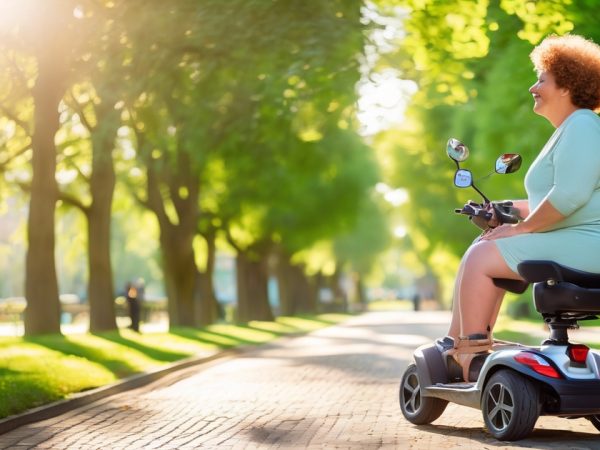
Find out if the resort can book accessible transportation to nearby hospitals and the airport. Inquire about ramps, wide doorways, and attendant assistance with luggage and walking aids. For wheelchair or scooter users, note the turning space in the room and the accessible wardrobe and sink heights.
Amenities
Opt for rooms with in-room refrigerators so you can safely store any medication and special foods. Check the fridge size. Small hotel mini-fridges may not accommodate larger cold packs or medications. Ask for additional pillows, blankets, or an adjustable bed so you can position your legs comfortably. Most hotels will provide wedge pillows upon request.
Seek out a pool or light exercise activities available at your accommodations. The low-impact water exercise promotes circulation and lymph flow. Check equipment and quiet hours if there is a fitness center. Ask about on-site spa services or local therapists familiar with manual lymphatic drainage (MLD). Some hotels collaborate with trained therapists or will refer trusted providers in the area.
Inquire if housekeeping services can honor quiet or private periods while a peaceful room encourages rest and relaxation. Verify laundry or in-room washer availability for re-wearing of compression or special clothing.
Location
Try to stay near airports, train stations, or major bus hubs to avoid long transfers and walking which exacerbates swelling. Select accommodations close to medical facilities and pharmacies in the event that you require urgent treatment or medication. Map the distance and travel time before booking.
Select accommodations with grocery stores and clean eating restaurants in the vicinity to keep your nutrition on point and your weight in control. Stay away from steep or hilly neighborhoods that add strain. Consult walkability maps and transit apps when selecting accommodations.
Get as close as possible to restaurants, shops, and care facilities so your daily needs are easily met.
Essential Packing
Essential Packing describes what to bring and how to pack to handle lipedema, lymphedema, and delightfully unexpected adventures. Concentrate on swelling control, skin support, and convenience of movement. Pack smart for convenience and light luggage with multipurpose selections.
Clothing
Pack loose, breathable clothing in natural or moisture-wicking fabrics to minimize heat and friction on sensitive skin. Add a few pairs of compression leggings or stockings, class 2 and above for flights of a longer duration, to reduce the risk of altitude-induced swelling or deep-vein thrombosis. Bring two full backup compression sets in case one gets wet or damaged.
Slip-on shoes with adjustable straps are best to use when feet or ankles swell or change size. Think sandals with a wide toe box and wide straps or slip-on sneakers with elastic sides. Layering helps manage temperature swings on planes, trains, and at destinations. Lightweight tops, a mid layer like a thin fleece, and a compressible jacket take up little space but add flexibility.
Pack a mini garment bag or packing cube specifically for compression pieces so you can get to them easily during security checks or mid-trip tweaks.
Medical Kit
Gather a mini first aid kit with any prescriptions, OTC pain medication, and supplements and store two days’ worth with your carry-on luggage. Take a pill organizer or zip bags marked with the dose to make everything clear and accessible. Provide additional compression bandages and sleeves. These can be donned prior to air travel and up to two hours post-arrival to control lymphedema.
Add wound care basics: sterile dressings, tape, antiseptic wipes, and any topical creams your clinician recommends. Bring with you a printed treatment plan and the contact information of your treating clinician, along with a travel letter detailing your condition and prescription for customs or emergency use.
Think about a portable device for machine-assisted fluid circulation if prescribed, and pack its power adapter and a compact carrying case. Put your meds in a separate, marked packing cube so you don’t accidentally confuse them with your underwear.
Comfort Items
Include travel pillows and seat cushions for added leg support and pressure relief. Lumbar support cushions keep posture on road trips and ease tension. Take breaks every 1 to 2 hours on car trips to stretch and move around. Schedule rest stops and bring resistance bands for easy leg workouts.
Pack unscented lotions and gentle skin-care products to prevent irritation and mitigate dryness. Throw in some mini-massage toys or rollers for self-lymphatic drainage when safe to apply. Bring at least 2 liters per day and attempt to steer clear of alcohol and excess caffeine to mitigate dehydration risk.
Don’t forget fun stuff like headphones and books to keep stress levels down. This can help keep inflammation and swelling at bay.
On-the-Go Wellness
Travel requires crystal clear regimens to safeguard lymphatic integrity and minimize flare-ups. Keep basic habits—compression, hydration, movement, skin care—top of mind. Check for signs of swelling, pain, or infection twice a day. Modify schedule or resources. Below are some actionable advice, real-world examples, and an easy checklist to keep wellness on the road.
Nutrition
Pack your own low-sodium, high-protein snacks to circumvent those airport or convenience food traps. Examples include unsalted nuts, single-serve tuna or salmon, hard-boiled eggs, Greek yogurt cups, and jerky with under 300 mg sodium per pack.
Collagen powder mixes with water or smoothies, vitamin D if you’re a taker, and tiny electrolyte packets to sprinkle in drinks. Adhere to your normal diet where you can, but embrace substitutions.
If you have to eat out, opt for grilled lean proteins, steamed vegetables, and salads with the dressing on the side. Request sauces and dressings on the side to monitor salt and sugar.
Pack supplements in clearly labeled containers and bring along receipts for TSA. Store a short numbered list of local grocery stores and restaurants that offer healthy options:
-
On-the-Go Wellness
-
Health market B — supplements, low-sodium snacks.
-
Casual restaurant C — grilled proteins, vegetable sides.
-
Café D — smoothies with added protein, plain yogurt.
Hydration
Bring a refillable bottle with you, set reminders on your phone to sip every 20 to 30 minutes, and shoot for more than 2 liters a day. Skip the booze and restrict caffeine, which can both heighten dehydration and swelling.
Urine Color: This is a fast and effective way to check your hydration status, so pay attention! Throw in some electrolyte tablets for those long flights or hot climates.
If there is room, pack a mini insulated bottle to keep your drinks chilled in hot destinations.
Movement
Schedule short movement breaks: stand and move every hour on flights and take 5 to 10 minute walks or stretches every 1 to 2 hours in car travel. Easy in-seat maneuvers such as ankle pumps, knee lifts, and seated marches assist lymph flow.
Wear compression on long travel. Class 2 or higher is recommended for flights to prevent your over-swelling. Think lumbar cushions for posture in cars and track steps with a wearable to encourage movement.
Symptom Care
Look for new swelling, acute pain, redness or warmth. These can be signs of infection or worsening lymphedema. Wear compression bandaging before flights and up to 2 hours post-arrival if required.
Carry a mini pneu pump or at least know where to grab one along the way. Keep skin clean, dry, and moisturized with antiseptic wipes and a light moisturizer in your bag.
Track symptom changes in a travel health note and modify care if no relief occurs, such as extra rest, extra compression, or a clinic visit.
Beyond Logistics
Traveling with lipedema and lymphedema is about more than just packing compression garments and locating accessible transportation. The journey demands emotional labor, social scheduling, and a mentality that lets your plans shift without sacrificing the experience. This section examines how mindset, relationships, and self-advocacy influence journeys as much as physical readiness.
Mindset
A hopeful, pragmatic attitude establishes what “great” looks like on the road. It’s an evolving landscape of hope and expectations. A day with tolerable pain and a brief walk outside is a victory. Focus on small pleasures: a quiet café, a view from a bench, or time spent with a friend.
Try simple breath work or brief mindfulness exercises to calm nervous energy before extended travel or packed days. These grounding exercises can be done sitting in a terminal or in a hotel room and require just a few minutes.
Be OK with symptoms flaring. If plans shift due to swelling or exhaustion, grant a guilt-free rest. By reframing them as data—what works and what doesn’t—setbacks become frustration and turn into useful insight for next time.
Maintain a brief travel diary or notes on your smartphone regarding what supported you and what stressed you. These notes simplify future strategizing and conserve mental resources.
Community
Connecting with others who travel with lipedema or lymphedema minimizes isolation. Online forums, disease-specific travel groups, and social media communities provide advice on compression brands, airlines, and destination doctors. Post-trip write-ups are valuable.
Include what packing adjustments you made, how long flights were managed, and how local healthcare was accessed. If you can, connect with local support before you arrive. Most cities will have a patient group or lymphology clinic that can provide guidance on services and accessible routes.
By sharing such practical information, such as names of doctors, hours of clinics, or shops supplying goods, peers can help each other make better plans. Building a small network of co-patients or friends who know your needs adds social resilience when a plan goes awry.
Empowerment
In other words, they learned to advocate for themselves. Clear requests to airline staff, hotel personnel, or guides make daily life smoother. Ask for a room near an elevator, extra pillows, or a chair during tours.
Bring short doctor’s notes if necessary and have your prescriptions and supply lists in a cloud folder. Trace your victories. Having survived a tough day, or sampling novelty, or just getting somewhere you really wanted to get to is cause for rejoicing.
Share tips with others: a packing tweak, a useful phrase in the local language, or a strategy to handle swelling on long trips. Every journey strengthens abilities and assurance. This incremental development circulates back into improved self-care and more complete travel down the road.
Conclusion
Travel with lipedema can feel tough. Small things accumulate. Schedule rest stops and select your seats with leg room. Bring along some firm compression, elastics, and a mini ice pack. Select hotels that have elevators and spacious showers. Do something every hour on long trips. Request assistance at airports and train stations. Carry medications, doctor scribbled notes, and a simple list of care needs in a carry bag. Go for silky garments that slide on and off. Monitor swelling with pictures and a mini journal. Use local pharmacies and plain foods to reduce fatigue. These transitions cut pain and keep joy on your journey. Let’s get started crafting a trip plan that works for your body. Take your next itinerary and make a single modification.
Frequently Asked Questions
What should I include in a travel blueprint for lipedema?
Care plan, compression schedule, medical contacts, medications, and mobility aids. Record treatment preferences and emergency instructions. Have copies available digitally and in paper form.
How do I choose the best transport for lipedema?
Choose seats that provide you with additional legroom and space to stretch. I tend to seek out the most direct routes with the fewest transfers. Inquire with airlines or operators for seat upgrades or support.
What accommodations help manage swelling during travel?
Select a ground-floor or elevator-access room. Ask for a firm mattress, room to prop legs up, and a fridge for meds. Call to verify late check-in if delayed due to traveling.
Which compression garments are best for flights or long trips?
Pack and wear your clinician-approved graduated compression garments. Pack an extra pair. Opt for breathable, well-fitted fabrics for extended wear.
What are essential packing items for lipedema care?
Pack compression, bandages, prescribed meds, a portable cooler, a little pillow for elevation, and a doctor’s note. Leave things in the carry-on.
How can I manage swelling while on the go?
Get up and walk often, do ankle pumps, and stay hydrated. Elevate legs when you can and compress. Short walks assist circulation.
When should I seek medical help during travel?
Get help for acute pain, rapid swelling, fever, or infection. Reach out to local emergency services or your doctor right away.