
Key Takeaways
-
Lipedema is a chronic fat disorder that primarily affects the legs, hips, and arms, and can be differentiated from obesity by symmetrical fat deposits, pain, tenderness, and easy bruising. Early recognition improves life and reduces stigma.
-
Symptoms commonly resist diet and exercise and can exacerbate with hormonal changes. Track symptom patterns and seek evaluation from clinicians familiar with lipedema.
-
Genetics and hormones are overwhelmingly the contributors. Lipedema is not a result of bad lifestyle habits, so stop blaming those impacted by lipedema and help educate the public appropriately.
-
Help raise awareness. Share patient stories, leverage digital advocacy, advocate for medical education to enhance diagnosis, access to multidisciplinary care, and policy shifts such as insurance coverage.
-
Support patients holistically by addressing emotional, social, and financial impacts. Provide mental health resources, community connections, and guidance on treatment options and costs.
-
Do something about it by joining awareness campaigns, logging symptoms and treatments for doctors, hunting down specialists or second opinions, and demanding research and policy changes.
Raising awareness lipedema is simply spreading the facts about a chronic fat disorder impacting legs, arms, and quality of life. It results in painful swelling, prone bruising, and tissue that won’t budge with diet and exercise.
Early awareness directs diagnosis, access to specialist care, and symptom relief via compression, manual lymphatic therapy, or surgery when necessary. Below, we discuss signs, diagnosis, treatment options, and practical ways communities and clinicians can optimize outcomes.
Understanding Lipedema
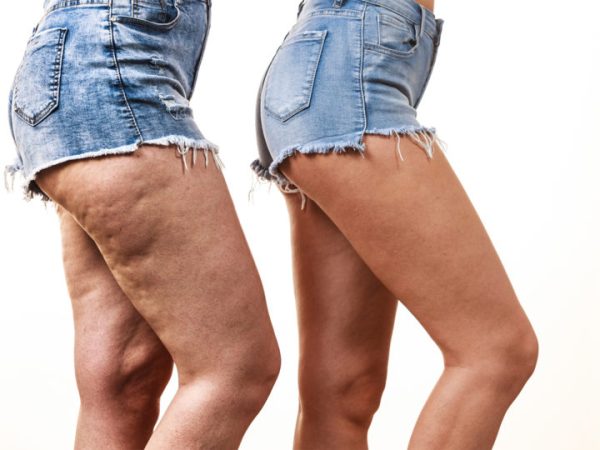
Lipedema is a long-term adipose condition characterized by irregular, symmetrical fat accumulation predominantly in the lower limbs, hips, and arms. It causes painful swelling, a doughy or lumpy texture in affected limbs, and easy bruising. The disease is progressive and hormonally fluctuating, meaning symptoms can begin or exacerbate during puberty, pregnancy, or menopause.
Public awareness is important because earlier recognition decreases stigma and increases timely diagnosis and management.
The Symptoms
Primary symptoms are disproportionate fat, painful swelling, tenderness, and easy bruising. Affected limbs frequently appear out of proportion to the torso, resulting in what are referred to as “cankles,” wrist/ankle cuffs, or “tree trunk legs.” Many people experience diet and exercise resistant fat; traditional weight loss methods do not eliminate lipedema fat.
Others feel doughy or lumpy under the skin that is tender or painful to touch. Symptoms frequently worsen during hormonal changes and can advance over time. In later stages, mobility may decrease and secondary lymphedema may develop, with additional heavier swelling and skin changes that restrict activity and quality of life.
The Causes
Genetics and family history are a big risk factor, as many individuals with lipedema will have relatives with similar distributions. Hormonal changes appear to precipitate or exacerbate the condition, which explains the onset around puberty, pregnancy, or menopause.
Lipedema isn’t due to poor lifestyle or gluttonous behavior. Pointing fingers at patients for their symptoms is misguided and damaging. Scientists are actively investigating potential causes of lipedema, including biomarkers, alterations to the lymphatic system, and inflammatory responses, but no definitive explanations exist yet.
Continued research looks to find biomarkers to assist in diagnosis and direct treatment.
The Diagnosis
Diagnosis relies on clinical assessment: a detailed patient history and focused physical exam looking for symmetry, tissue texture, and the presence of pain and easy bruising. Misdiagnosis with obesity or lymphedema is common. Some people wait a decade or more for the correct diagnosis.
Using standardized diagnostic guidelines and tools can help clinicians distinguish lipedema from other conditions. Checklist for diagnosis:
-
Symmetrical fat deposits occur in the legs, hips, or arms while sparing the hands and feet.
-
Painful or tender tissues and easy bruising on affected areas.
-
Fat that resists diet and exercise has a history of worsening during hormonal shifts.
-
Family history or similar patterns in relatives.
-
Signs of progression include increased limb size, mobility loss, or secondary lymphedema.
The Misconceptions
Even worse, most assume lipedema is just obesity or just a cosmetic problem. Lipedema is a separate disease with pain and functionality implications. Lingering myths that it is caused by inactivity or overeating continue to bamboozle patients and clinicians.
-
Lipedema is caused by overeating.
-
It can be fixed by diet alone.
-
It is only cosmetic and not painful.
-
It impacts elderly people only.
Getting the facts right is critical to mitigating shame, mental health outcomes, and getting people the right treatment.
The Awareness Imperative
Helping people become aware of lipedema is the most important thing we can do to change the lives of those impacted. Too many go undiagnosed for years, and more transparent public awareness helps facilitate faster diagnosis, reduce stigma, and connect patients to the right care.
June is Lipedema Awareness Month and World Lipedema Day is June 11, which helps to anchor yearly campaigns and public education efforts.
1. Personal Stories
Patient stories reveal just how diverse the lipedema journey is. Include experiences from individuals of various ages, races, and bodies to highlight how symptoms begin, evolve, and impact work, locomotion, and social bonds.
Include brief timelines: first symptoms, misdiagnoses such as obesity or lymphedema, and the moment of correct diagnosis. Real-life examples of coping, such as compression garments, manual lymphatic drainage, or staged surgery, make options concrete.
Personal narratives reveal emotional load: shame from stigma, relief when believed, and isolation from insensitive comments. Get these stories up on blogs, newsletters, and social feeds to cultivate empathy.
Gather full testimonials with permission, trim as needed for clarity, and share in text, audio, and short video formats to expand your reach.
2. Digital Advocacy
Launch targeted campaigns on Instagram, Facebook, and other global platforms. Develop visual assets such as purple-themed posts, shareable infographics that contrast lipedema with obesity and lymphedema, and short clips explaining hallmark signs like disproportionate fat and pain.
Make basic lipedema emojis or awareness shirts to increase awareness and use hashtags like #lipedemaawareness to bring posts together. Conduct webinars and live Q&A with clinicians and patients to engage viewers from all over the world.
Create private online peer support groups where they can post questions and local resources. Provide captions or summaries in different languages to reach non-English audiences and extend reach.
3. Medical Education
Advocate for lipedema to be taught in medical school modules and continuing education. Generate clinician pocket guides on diagnostic criteria, differential diagnosis, and referral pathways.
Collaborate with organizations such as the Lipedema Foundation to distribute brochures and case studies. Organize workshops and symposiums hosting recent research, practical treatment methodologies and referrals.
Disseminate diagnostic protocols that assist clinicians in separating lipedema from obesity and lymphedema, minimizing diagnostic delay and improving care.
4. Community Building
Assemble local patient support groups and connect them to national registries and monthly roundtables to exchange data and lived experience. Inspire body-positive warriors of all shapes to share real talk and tips.
Organize offline and online gatherings to learn from peers, share resources, and advocate together.
5. Policy Influence
Advocate for insurance coverage of proven treatments and have lipedema included in health policy and research priorities. Partner with medical societies to define standards of care and engage patients to reach out to policymakers.
Together we can create systemic change and increase access to diagnosis and treatment.
Beyond The Physical
Lipedema goes beyond swollen limbs and pain. It transforms day-to-day life, work, relationships and the way people view themselves. The subsequent sub-sections outline emotional, social, and financial impacts and indicate actions that can alleviate the load.
Emotional Toll
Many lipedema patients carry a lot of shame, guilt, and embarrassment with their bodies. These emotions tend to fuel worry and sadness and deflate self-esteem. The body image pressures of media and social norms make it difficult to embrace a body in flux, and comparisons only exacerbate the sense of isolation.
Mental health support counts. Counseling, cognitive behavioral therapy, and peer support groups provide patients with coping skills, reduce negative self-talk, and build resilience. Online forums and local meetups offer safe places to vent without scorn. Family therapy may help mend frayed bonds when relatives don’t comprehend the disease.
By carving out safe, habitual spaces for open discussion, we break down secrecy and stigma. Clinics should provide regular mental health screening. Employers can incorporate mental health days and flexible schedules to allow individuals to navigate flare ups without guilt.
Social Impact
Lipedema can alter the way individuals participate in social life. Pain and restricted movement make going to events, traveling, or standing a challenge. This results in missed hangouts and a dwindling social network. Friendships and intimate relationships can suffer when partners misread chronic pain or physical alterations.
Stigma is a factor. We assume things about diet, exercise, or appearance and give unjust advice and blame. Body positivity campaigns for chronic conditions can help debunk myths. Highlighting real people’s lived stories in campaigns displays the truth of these experiences and changes public perception.
Community creates pragmatic assistance. Peer-led walking groups that honor pace, local advocacy for accessible seating, and employer education efforts break down barriers. Easy things such as straightforward event details regarding seating and accessibility simplify social life.
Financial Burden
These lipedema treatments are expensive. Compression garments, targeted physical therapy, and surgeries like liposuction are all additional expenses. Too many insurers deem treatments cosmetic and refuse to cover them, so patients must pay.
For regular folks, lost income is par for the course. Pain after procedure recovery and medical visits eat up work hours and productivity. That loss compounds stress and restricts care access.
Patient assistance programs from non-profits, grants for surgery from disease-focused foundations, sliding-scale clinics and community health funds, crowdfunding platforms for medical costs, local social services for disability leave advice, and employer HR programs for workplace accommodations can provide some relief.
Navigating Healthcare
Lipedema patients often encounter a fragmented system. Many clinicians lack training on the condition, diagnostic criteria vary, and timely care depends on persistence and clear documentation. Here’s the strategy for patients to work the system, where to seek specialist assistance and craft a realistic care plan.
Diagnostic Hurdles
It is often misdiagnosed and delayed because lipedema overlaps with obesity, lymphedema, and chronic venous disease. Obstacles are low clinician awareness, no standard diagnostic tests, and a bias to just attribute limb swelling to weight.
Find clinicians who know lipedema or will learn. Ask for referrals to vascular specialists, lymphologists, or plastic surgeons who know about the condition. Request second opinions if the diagnosis is ambiguous. Use advocacy guides that list key signs: symmetric limb fat, sparing of the feet, pain or tenderness, easy bruising, and a family history. Bring progress photos and your symptom diary.
Common misdiagnoses and distinguishing features:
|
Misdiagnosis |
How it differs from lipedema |
|---|---|
|
Obesity |
Generalized fat; lipedema shows disproportionate limb fat and may not respond to diet alone |
|
Lymphedema |
Involves pitting edema, positive Stemmer sign, and often unilateral onset; lipedema is usually bilateral and non-pitting early |
|
Chronic venous insufficiency |
Skin changes, varicose veins, and dependent edema dominate; lipedema features nodular fatty tissue and pain |
|
Cellulite / Dercum’s disease |
Cellulite is superficial; Dercum’s has painful adipose deposits but lacks the symmetric limb pattern of lipedema |
Treatment Paths
-
Conservative care includes compression garments, manual lymphatic drainage, and targeted physical therapy.
-
Lifestyle and dietary support includes anti-inflammatory diet patterns, realistic weight management, and tailored exercise.
-
Procedural options include tumescent liposuction, water-assisted liposuction, and other surgical debulking when indicated.
-
Psychological and pain management: counseling, pain clinics, and support groups.
Compression helps reduce discomfort and slow progression. It does not remove the fat. Physical therapy targets movement patterns, lymphatic flow and strength, such as low-impact exercise in water and gait training. Nutritional modifications are targeted towards reducing inflammation. There is no magic ‘lipedema diet.’ Some patients find symptom relief with less processed food and sodium.
Surgical liposuction can lessen limb volume and pain, enhancing mobility. Risks include anesthesia complications, contour irregularities, and prolonged swelling. Select lipedema-experienced surgeons and talk about achievable expectations. Treatment plans should be tailored by stage, symptoms, and comorbidities, with patient and team shared decision making.
Team Approach
|
Professional |
Role in care |
|---|---|
|
Primary care physician |
Coordinate referrals, monitor comorbidities |
|
Vascular/lymphatic specialist |
Diagnostic evaluation, rule out lymphedema |
|
Plastic surgeon |
Evaluate and perform surgical options |
|
Physical/lymphatic therapist |
Prescribe compression and movement programs |
|
Dietitian |
Advise on anti-inflammatory nutrition |
|
Mental health clinician |
Address emotional distress and coping |
Integrated care minimizes duplication and simplifies navigation. Conduct regular team reviews, in person or by shared records, to monitor progress and adjust plans. Bring family or close friends to appointments. Their presence aids in follow-through and emotional support.
The Body’s Narrative
A lot of lipedema patients experience frustration as their bodies evolve and no longer respond to conventional weight loss. That confusion frames its own story. Asking patients to tell that story helps transform personal suffering into communal awareness.
Sharing information about when symptoms started, what hurts and what treatments you’ve attempted provides clinicians sharper context. It further aids others in spotting patterns like stubborn limb fat, tenderness or a heaviness that doesn’t align with weight. Patient stories can demonstrate how the diagnosis becomes a pivot when clarity supplants guilt and focused treatment can begin.
Reframing Pain
Pain in lipedema is corporeal and narrative. Promote the body’s story – pain as a call to care and connection, not concealment. Easy measures involve locating a lipedema-aware clinician, attempting mild physical therapy, and wearing compression garments where advised.
Mindfulness and paced movement can neutralize the emotional charge of pain and enhance daily function. Validation matters: patients who report tenderness, bruising, or swelling should have their experiences taken seriously. Maintain a pain diary.
Pay attention to times of day, triggers, activity levels, and what helps alleviate symptoms so treatment plans can be modified with actual information.
Redefining Strength
Strong doesn’t have to mean powering through it solo. To me, strength is the sustained resilience to confront day-to-day life with lipedema. Celebrate small wins: a less painful morning, a day with fewer flare-ups, or successfully asking for workplace adjustments.
Post stories of individuals who pursued surgery, tracked down supportive therapists, or built advocacy groups and then paid it forward. Use short practices to build self-talk: list three small things done well each day or repeat a short phrase that affirms worth.
These habits sculpt a more stable identity and bolster sanity when the disease impacts connections or spirit.
Reclaiming Self
Reclaiming your identity beyond your diagnosis begins with pragmatic actions. Craft joy-inducing self-care rituals such as nature strolls, creative endeavors, or light strength training scaled to ability.
Creative expression helps; tattoos, photography, or social media posts can reframe visible differences as part of a rich life, not a deficit. Join an advocacy or community event where you can connect and feel less alone.
Your voice in public can change minds and inspire improved care. Patient voices have inspired research, education, and policy change. As the stories go, awareness increases for a condition that impacts nearly 350 million women worldwide, and that awareness helps others find diagnosis, care, and acceptance.
A Call To Action
Lipedema is a debilitating, progressive disorder that is routinely misdiagnosed and untreated. It hurts, it inflames, and it bruises mobility and can result in significant daily activity restrictions and psychological stress. It impacts virtually exclusively women, usually beginning at puberty and continuing until the third decade of life, and it is sometimes hereditary. Sixty percent of patients have a family history.
Prevalence rates are as high as 9.7% in women and even greater in those with obesity. These realities provide a foundation for a call to action at the levels of community, clinic, and policy.
Get involved with Lipedema Awareness Month and campaigns. Sign up for runs, donate to nonprofits that support research, and support local outreach that provides screenings or awareness talks. Awareness months concentrate media attention and curb stigma.
Practical examples include hosting a webinar that explains signs and stages, joining a walk that raises funds for patient support, or lobbying for a local clinic to add lipedema screening to routine checks. These actions increase awareness and can trigger healthcare systems to report cases and support treatment.
Spread the word with educational info and your own story. Publish plain, fact-based content on social media, citing research and medical protocols. Share patient stories of symptoms, diagnosis lag, and treatment.
Concrete content ideas include an infographic showing common signs, a short video on how lipedema differs from obesity and lymphedema, or a patient interview describing improved mobility after liposuction. Personal stories put the humanity behind the data.
Surgical series report median lipoaspirate volumes of 4,700 mL and median limb circumference reduction of 6 cm, with pain falling from 7.8 to 2.2 after treatment. These numbers resonate when paired with lived experience.
Ask doctors to modify clinical practice and publish research. Motivating primary care clinicians, endocrinologists, and vascular specialists to add lipedema to their differential lists and integrate validated diagnostic tools.
Push for medical school and continuing education training on prevalence, family history, and presentation. Open up referral routes for both conservative care and surgery. Research priorities are for improved epidemiologic data, genetic studies given the 60% familial signal, and long-term outcomes after liposuction and conservative therapy.
Encourage all to jump on the bandwagon for improved acknowledgment, care and assistance! Patients, caregivers, clinicians, and policy makers can advocate for insurance coverage of proven treatments, support registry-based research, and build community supports that combat isolation.
Tiny actions, such as disseminating a statistic, providing education, and revising a clinic protocol, accumulate and alter the lens through which the world views and approaches lipedema.
Conclusion
Lipedema requires more voice and factual clarity. They deal with pain, dramatic size shifts, and misdiagnosis. Improved clinician education and more straightforward patient protocols reduce delays and damage. Groups in the community, focused campaigns, and easy-to-use tools help disseminate correct information. Real change is shorter diagnosis times, more covered treatment options, and care that respects life. Use local health talks, share patient stories, and link to trusted resources like specialist clinics or patient networks. Small steps add up: a clinic that screens patients, an online post that explains symptoms, and a policy brief that asks for coverage. Take initiative because care needs to be more equitable and compassionate for people with lipedema.
Frequently Asked Questions
What is lipedema and how does it differ from obesity?
Lipedema is a chronic condition characterized by symmetrical fat accumulation in the legs and arms. It’s frequently painful and doesn’t respond to diet or exercise. Unlike obesity, it involves subcutaneous fat distribution and frequently occurs with a normal BMI.
What are common signs and symptoms of lipedema?
Watch for painful, disproportionate fat in your limbs, easy bruising, and swelling that increases with standing. The feet and hands are typically spared, resulting in a distinct cut-off point between involved and uninvolved regions.
How is lipedema diagnosed?
The diagnosis is clinical and based on history and physical exam by a trained clinician. Imaging such as ultrasound or MRI and excluding lymphedema or venous disease can aid the diagnosis. Referral to a specialist sooner enhances precision.
What treatment options are available?
Conservative care includes compression therapy, manual lymphatic drainage, exercise, and weight management for overall health. For selected patients, surgical interventions such as liposuction can alleviate symptoms and enhance mobility.
Can lipedema be managed without surgery?
Yes. A lot of folks will get meaningful symptom relief with compression, lymphatic drainage, targeted exercise, and pain management. These treatments enhance quality of life and reduce progression for some patients.
How does lipedema affect mental health and daily life?
Lipedema can lead to chronic pain, body image issues, and social isolation. Early education, psychosocial support, and multidisciplinary care alleviate emotional burden and enhance quality of life.
How can I raise awareness and support people with lipedema?
Educate with facts, advocate for early diagnosis, help spread access to specialized treatment and inclusive messaging. Advocacy drives down stigma and enhances research and access to treatment.