
Key Takeaways
-
Compression enhances lymphatic flow and reduces fluid retention. It assists in lowering pain and limb heaviness when worn regularly and paired with disease stage.
-
Select the appropriate compression level and fabric, measure your limbs correctly, and seek advice from a certified lymphedema therapist to prevent circulation issues.
-
Seek out garment features such as micro-massage fabrics, breathable materials, anatomical shaping, and easy-doff closures to maximize comfort and effectiveness.
-
Wear compression right when you wake up in the morning. Increase wear time gradually, incorporate clothes into workouts, and alternate several items to maintain fit and efficacy.
-
Stick to care recommendations, check your garments for signs of wear, and replace them as necessary. Think of ways to mitigate the cost, such as insurance, grants, and shopping around to different suppliers. Do whatever you can to keep using it.
-
Combine compression therapy with expert support and emotional self-care. Employ support groups, journaling, and mindful strategies to boost long-term adherence and quality of life.
Lipedema compression garment advice details how fitted compression helps manage pain, swelling, and bruising for people with lipedema. It includes garment type, pressure in mmHg, thigh and arm fit tips, and when to get fitted by a professional.
Tips observe fabrics, maintenance, and incremental wear plans to enhance ease and results. The next few sections provide concrete, actionable steps and examples to help you select and wear compression garments properly.
How Compression Helps
Compression applies this same principle by using graded, external pressure to support the skin and subcutaneous tissue. For lipedema patients, that support can facilitate lymphatic drainage, reduce edema, and provide structural support to compromised connective tissue. The effect is cumulative. Consistent wear yields clearer changes than sporadic use.
Reduces Pain
Compression decreases tissue sensitivity by providing a consistent counter-pressure to sore areas, which can reduce the severity of pain. Well-fitted garments at 15 to 20 mmHg for early and mid-stage lipedema typically decrease leg pain and decrease muscle cramping associated with lipids and fluid shifts.
Equal pressure prevents micro-bleeding in delicate tissue, so bruises are less likely to form and less sore. Following liposuction or in combination with conservative therapy, prescribed compression accelerates recovery, reduces post-operative discomfort, and sustains pain relief observed in the weeks post-intervention.
Supports Tissue
Compression helps keep subcutaneous fat tissue from moving around and minimizes the mechano-stimulation that promotes additional fat nodularity. In the long term, consistent compression can restrict lobular fibrosis and reduce dermal thickness.
Imaging reveals less hyperechoic masses in certain patients post therapy. Stabilizing connective tissue decreases progressive dermal fibrosis and provides the limb with a more even contour that impacts function and clothing fit. In more advanced stages, medical grade garments help prevent progression of deformity and maintain easier day to day movement.
Manages Swelling
Compression drives lymph and venous return from the limb to central circulation, decreasing local fluid pooling and day-to-day size swings. Paired with activity, compression improves calf muscle pump efficiency and accelerates interstitial fluid clearance, with certain research observing mild decreases in swelling and heaviness after approximately six weeks.
Pneumatic devices and multi-layer bandaging provide active or stronger passive compression for severe swelling or secondary lymphedema and are effective where garments alone are not.
-
Pneumatic compression devices assist lymph transport through intermittent cycles of pressure.
-
Multi-layer short-stretch bandaging provides high working pressure during ambulation.
-
Both help decrease limb volume as components of complete decongestive therapy.
-
They can be used short-term to knock down significant edema prior to transitioning to garments.
Anecdotal and clinical evidence tells us that approximately 36.67 percent of all people who wore compression three to four days per week found it helpful, while others report increased energy and physical function. Some patients observe minimal difference.
Expect variability: fit, wear time, garment class, and concurrent exercises all shape results.
Choosing Your Garment
Picking your garment counts for symptom management and day-to-day comfort. Select compression, material, and shape according to your lipedema stage and swelling status. Opt for garments specifically designed for lipedema versus ‘standard’ post-operative pieces.
These tend to be flat 12 to 20 mmHg and do not have the specialized graduated profiles that help lymphatic flow. Be aware that the first time on can be difficult. Donning and doffing devices are handy, and garments with elasticated or adjustable waistbands assist in holding shape and staying comfy all day.
1. Compression Level
Select mmHg according to limb size and swelling severity. Use medical guidelines: 18 to 20 mmHg is often medical-grade for arms. 30 to 40 mmHg at the ankle is standard for legs.
Lower 20 to 30 mmHg can be used for mild edema, first-time use, or pressure sensitivity, but data is lower for its ability to move interstitial fluid. Stay away from excessive compression that leaves you numb, tingling, or discolored because that can inhibit circulation.
Compare common classes in a simple table to decide:
Class/Range — Typical Use — Notes 12–20 mmHg — post-op/uniform — not graduated 20–30 mmHg — mild/step-up — tolerability 30–40 mmHg — moderate — common for leg treatment.
Graduated compression aids lymphatic clearance and venous return. Uniform compression does not and is less therapeutic.
2. Fabric Type
Elasticized circular knit garments stretch in length and width and conform snugly. Flat knits have seams and stretch in fewer directions but provide firmer, inelastic support.
Breathable, moisture-wicking fabrics are ideal for daily wear and workouts because they minimize sweating and skin maceration. These new fabrics may consist of micro-massage yarns or heavy-duty reinforced panels.
Select materials that are gentle on delicate skin to reduce inflammation or itchiness.
3. Garment Style
Whether it be knee-high stockings, capri pants or full-leg leggings. Capri or shorter styles are better for mobility and comfort. Full-leg styles cover more surface for even compression.
Seek out flexfit comfort ankles and cuffs and anatomical shaping around knees and calves to prevent bunching. Experiment with both medical-grade and athletic designs to strike the balance of support and comfort.
4. Proper Fit
The correct arm length is a must. Measure in the morning when swelling is least. Look for uniform compression with no tight bands that cut into skin.
Visit a qualified lymphedema therapist to get fitted and receive donning tips. They can demonstrate fitting and application of aids. Reevaluate fit frequently as limb size fluctuates throughout treatment.
5. Unique Features
Micro-massaging fabrics can encourage lymph flow. Seamless construction and soft linings protect irritated skin. Adjustable bands, zippers, or easy-doff designs facilitate removal.
Reinforced knee or ankle patches add longevity where wear is highest.
The Daily Routine
Everyday compression wear is key to controlling lipedema symptoms and maintaining mobility. Regular wear decreases pain, minimizes swelling and decreases sensitivity, so setting time aside for garments should be more of a daily health routine and less of a once in a while repair.
Here are concrete actions and specifics to keep that habit dependable and cozy.
Wearing Tips
Put garments on immediately in the morning before swelling starts. Morning application maintains limb size throughout the day and decreases pain flares. Use a numbered routine to make this quick and repeatable:
-
Seat yourself on a hard chair and stretch out the skin. Begin at the toes or foot if it has one.
-
Stuff the fabric into a tube, slide in the limb and gently roll the article of clothing on, with tension uniform.
-
Tweak seam lines and the garment lays flat on the skin without bunching.
-
Stand and weight shift lightly to test for comfort and fit. Re-flatten hard spots.
Put cotton wadding at pressure points to ward off chafing and save your sensitive skin. Donning aids like rubber gloves for grip or frames that stretch the fabric minimize hand stress and save the garment from over-stretching.
If you’re just beginning, build up wear time gradually over a few weeks. Brief daytime trials cause your body to acclimate and help unearth any pressure points that require tweaking.
Care Instructions
Rinse garments daily after light wear with a gentle soap and warm water. Air dry flat out of direct heat to maintain elasticity and shape. Adhere to the manufacturers’ care labels precisely. Those are calculated based on the fabric blend and compression class.
Alternate between two or more pieces of clothing to increase longevity and keep the pressure constant. Change clothes every 3 to 6 months as elasticity and compression dissipate. Replacement maintains therapeutic pressure.
Check seams and fabric for thinning, runs, or stretch repeatedly. Any loss of snugness is a cue to upgrade. With the right care and rotation, save money and keep support firm.
Activity & Temperature
Coordinate garment style and fabric with scheduled events and regional climate. Employ lighter, more breathable compression for hard exercise or hot conditions to prevent overheating and excessive sweating.
For winter, simply layer with wicking baselayers or wear heavier fabrics for warmth while keeping your lymph flow supported. If chafing or heavy sweating emerges, change into a fresher piece or add a thin breathable layer.
Some individuals require varying compression levels as their body changes, transitioning from Stage 1 to Stage 2 garments based on comfort and function. Have a clinician monitor your fit for adjustments.
When combined with these steps, daily compression wear powers performance and ease.
Beyond The Fabric
Compression garments for lipedema do more than sculpt limbs; they fuse biomechanics with compassion. Graduated compression enhances lymphatic flow and circulation, reducing inflammation, swelling, pain, and discomfort. Laplace’s law connects pressure with tension and radius; therefore, fit and layering are important.
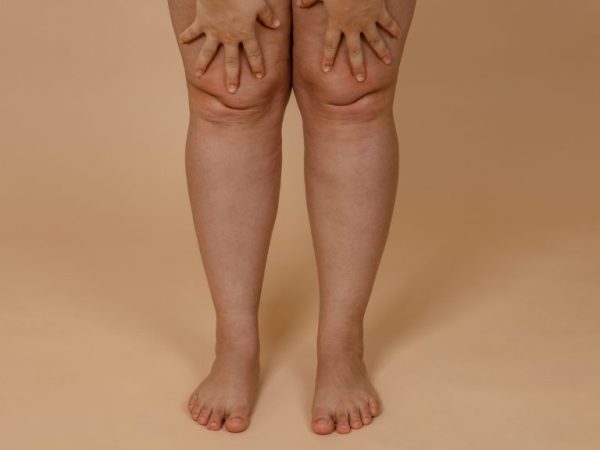
Lipedema impacts buttocks, thighs, calves, and ankles regardless of age and size. Since it’s incurable, treatment focuses on limiting swelling, managing pain, and slowing its progression. Compression, frequently the first-line treatment, works most effectively in conjunction with manual lymphatic techniques, exercise, and skincare. Here are pragmatic, people-centric ways to look beyond the fabric.
The Emotional Hug
Compression provides a consistent, light pressure which many individuals find comforting. That pressure may soothe nerves, reduce anxiety and relieve stress associated with chronic pain by modulating the nervous system’s perception of pain.
View compression as an act of self-compassion: choosing a garment is a choice to care for your body in a visible, repeatable way. As you put on the clothes, incorporate short breathwork, body scans, or guided mindfulness. These extend the relaxation response and assist in associating the piece of clothing with relaxation and respite.
Journaling the sensations before, during, and after wear builds a record of enhancements and helps identify when a new pressure or fit is required. By sharing those notes with clinicians or peers, it makes adjustments more precise.
Building Confidence
It’s not just about good taste; it’s about selecting styles that feel good. Discreet or fashionable options exist: shorts, tights, knee-highs, open-toe socks, and garments in neutral or vivid colors.
When clothes appear and feel good, they tend to be worn more often, boosting impact. A lot of patients have increased confidence after weeks of use, increased movement, and decreased swelling. Those victories, even little ones, are worth noting.
Celebrate milestones—longer walks, less pain on stairs, a day without swelling alarms—and document them. Join support groups or online communities to swap tips about brands, fitters, and day-to-day coping. Social connection fuels motivation and normalizes the highs and lows.
Overcoming Discomfort
Begin at a snail’s pace. Build wear time incrementally so the body adjusts and the initial pain subsides. Go for silicone-based lubes or donning aids to minimize friction when sliding on clothes.
If pinching, rolling, or just too much tightness occurs, consult sizing, garment placement, and seams. A size up or down or a different cuff style and you’re good to go. Stubborn issues warrant a call to your fitter or provider.
Tweaks, bespoke solutions, or modified pressure classes can assist. Keep in mind that compression coupled with other lymphatic-stimulating care usually results in the best outcomes for lobules, wrist, and ankle cuffs.
Professional Guidance
Professional guidance grounds successful compression therapy for lipedema and defines the trajectory for responsible, effective treatment. It should be led by certified lymphedema therapists at the beginning of care. They evaluate limb contour, tissue consistency, and circulation, and they tailor a plan to genetic risk, pregnancy, and weight loss requirements.
Anticipate a combination of hands-on evaluation, measurements for bespoke or off-the-rack attire, and advice on everyday habits like skin care and pain management. It cuts down on the tedium and hit-and-miss with options that don’t fit.
Professional input is crucial for individual compression regimens. They select compression class, stocking length, and material according to stage and symptom pattern. For instance, stage 2 lipedema with fibrotic tissue typically requires stronger graduated compression and potentially custom-made stockings or sleeves.
Postoperative cases or mixed lymphedema need more intricate modifications. In these situations, a therapist fits compression after swelling has settled. Be sure to always ask for a written plan of compression level, wearing schedule, and follow-up timing.
Regular re-evaluation ensures therapy remains relevant to evolving needs. Limb size and symptom severity vary with hormonal changes, activity, and fluctuations in weight. Schedule re-evaluations every 3 to 6 months or when volume or pain changes significantly.
When re-evaluating, the therapist re-measures and sometimes switches class or style. Simple examples include switching from knee-high to thigh-high if thigh tissue expands or moving from 20 to 30 mmHg to 30 to 40 mmHg when extra support is needed. Routine follow-up enables professionals to monitor skin health and personalize skincare recommendations.
Professional fitting for the tricky or high level stuff and post-surgery is essential. A pro fitting minimizes pressure points, avoids rolls or gaps, and decreases the risk of skin breakdown. For surgical patients, timing is everything.
Therapists recommend when to begin compression and what devices fit early versus late-stage recovery. Request test wear whenever possible so you can test comfort during normal daily movements like standing, walking, and sitting.
Professional Guidance – Mastering Use and Care
Ask for a demonstration of donning and doffing and receive written care instructions for washing, drying, and replacing garments. Wear garments upon arising before swelling has risen. Take off garments at night unless a clinician recommends nighttime garments.
Apply bland, fragrance-free moisturizers and cleanse skin each day. Frequent follow-up monitors efficacy and alerts to switch garments, materials, or compression.
Financial Considerations
Compression wear and care associated with it come with recurring expenses that impact therapy decisions and long-term management. Check coverage, shop around suppliers, get assistance, and accommodate replacements so treatment remains steady and cost-effective.
Insurance coverage and financing options
A number of insurers cover prescribed compression garments, lymphatic therapy, or some treatment, but coverage policies vary greatly. Verify if your plan requires a prescription, CPT or HCPCS codes, prior authorization or medical necessity. Public systems and private insurers may cover different things.
Call the insurer and obtain decisions in writing. For surgical options such as lipedema liposuction, expect out-of-pocket expense. Average costs range from 6,000 to 20,000, currency consistent with your plan. Anesthesia contributes 500 to 2,000 depending on type and provider.
Financing routes encompass personal loans from either banks or online lenders, which amortize expense over 2 to 5 years with fixed monthly payments. Medical cards usually provide 0% APR for 6 to 24 months, but rates can spike afterward, so read the terms.
In-house payment plans with clinics can break large bills into monthly chunks and often avoid hard credit pulls, but watch out for monthly management fees which can seem small but add up. High-interest, multi-year loans can easily double total cost compared to a lower-rate, shorter-term alternative. Location matters; big cities are usually pricier than small towns.
Price comparison and supplier choices
Shop around by brand and supplier for the same compression class and fit. Be sure to measure and check return and exchange policies before purchasing! Few medical supply companies sell both off-the-shelf and custom made garments, and while the custom costs more, they can provide a better fit and longer wear.
Consider fabric durability, compression retention, and wash instructions. Less expensive products could lose their effectiveness quicker and need to be replaced sooner. Request samples or trials when you can.
Compare local clinics, online retailers, and manufacturer direct channels. Consider shipping and customs if ordering internationally.
Grants, foundations, and budgeting for replacement
Lipedema foundations and patient organizations can provide grants or assistance for garments, therapy, or surgery. Applications typically require medical documentation and income information. Explore national and local organizations and review their qualification guidelines.
Budget for multiple garments. Wearing one while washing another preserves consistency and extends garment life. Replace every four to twelve months based on usage and fabric.
Factor in ancillary expenses. Therapy sessions, lymphatic taping materials, and possible trips to specialists should be included in an annual budget.
Conclusion
Specific directions simplify treatment. Choose a piece of apparel that suits medical notes and your dimension. Seek out strong, steady compression and breathable material. Try on in clinic or shop with a return policy. Build a steady routine: wear times that match activity and rest, wash with mild soap, and swap garments every few months. Discuss with a physician, therapist, or fitter about measurements, skin inspections, and gradual schedules for putting on the garments. Find local programs or tax codes to reduce costs. Small changes add up: better comfort, fewer flare-ups, and more steady mobility. Already want to get started? Book a fitting, jot down three daily goals, and record how the garment impacts pain, swelling, and movement.
Frequently Asked Questions
What compression level is best for lipedema?
Compression levels range by stage and symptoms. Begin with Class 1 (mild) for early-stage or prevention and Class 2 (moderate) for more advanced or symptomatic cases. Always check with a physician or lymphatic therapist before selecting a level.
How do I find the right size and fit?
Take measurements in the morning when limbs are least swollen. Utilize manufacturer sizing charts and re-measure every few months. A certified fitter or lymphedema therapist can check fit and minimize the possibility of skin abrasions.
How long should I wear compression garments each day?
Most people wear them during the day and take them off at night, unless directed otherwise. Either way, strive to wear them daily for symptom management. Follow your clinician’s schedule if your condition or treatment is on a different timeline.
Can I exercise while wearing compression garments?
Yes. Compression helps circulation and can alleviate pain while moving. Wear well-fitted garments and do what your clinician approves, such as walking, swimming, or low-impact strength work.
How do I care for and clean my garments?
Hand wash or use a gentle cycle with a mild detergent. Air dry flat, away from heat. Replace these every 3 to 6 months or earlier if the elasticity dips.
When should I seek professional guidance?
Consult a specialist should you experience pain, swift swelling, skin alterations or increasing immobility. A lymphatic therapist or vascular specialist can offer evaluation, custom compression and other therapies.
Are compression garments covered by insurance?
Coverage differs greatly by country and by insurer. Get a prescription and send documentation from your clinician. Ask your supplier about supplier codes and reimbursement support to increase the likelihood of coverage.