
Key Takeaways
-
Educate physicians on lipedema so they can distinguish it from obesity and lymphedema. Implement case-based learning in medical education for better practical diagnosis.
-
Push diagnostics forward with biomarker development, imaging standardization, and genetic exploration for earlier and more consistent detection and staging.
-
Broaden treatment avenues through collaborative research into medications, optimized surgery, conservative management, integrative strategies, and regenerative treatments to provide customized care options.
-
Empower the patient voice with initiatives that support advocacy, patient-reported outcome measures, and community networks to drive research agenda-setting, inform policy, and combat stigma.
-
Leverage digital health solutions, such as telehealth, wearables, and data analytics, to expand access, track symptoms, and customize care plans for populations.
-
Strive for systemic change, such as insurance reform, global research collaboration, and policy efforts to ensure coverage, standardize guidelines, and increase access to holistic lipedema treatment.
Future outlook: increasing awareness and improving access to care. Research into causes, diagnostic tools, and surgical and non-surgical options is growing.
Health systems and patient groups are advocating for universal policies and insurance coverage. Better clinician training and clearer public information should reduce diagnosis time and misdiagnosis.
The core is the future outlook for lipedema awareness and treatment, including evidence, policy moves, and practical steps for patients and providers.
Shifting Perceptions
Lipedema awareness and care hinge on shifting the way clinicians, the public, and media view the disease. The following chapters outline actionable strategies for medical training, public storytelling, and journalist coverage so awareness and treatment advance globally.
Medical Education
Incorporate lipedema into medical school and continuing education for clinicians. I’ll teach anatomy and clinical signs and when to refer.
-
Develop curricular modules: create lectures on pathophysiology, clinical staging, and differential diagnosis. Add quick videos and annotated images to demonstrate tissue texture and fat distribution.
-
Add skills labs: teach palpation, measurement of limb volume in centimeters and liters where relevant, and use of duplex ultrasound basics for subcutaneous tissue assessment.
-
Build assessment tools: include case-based exam questions and objective structured clinical examination (OSCE) stations that test recognition and counseling.
-
Require interdisciplinary training: include sessions with vascular surgeons, lymphologists, physiotherapists, and mental health clinicians to demonstrate team care.
-
Offer continuing education credits. Provide online modules and short courses for practicing clinicians with certification and updates on surgical and conservative care.
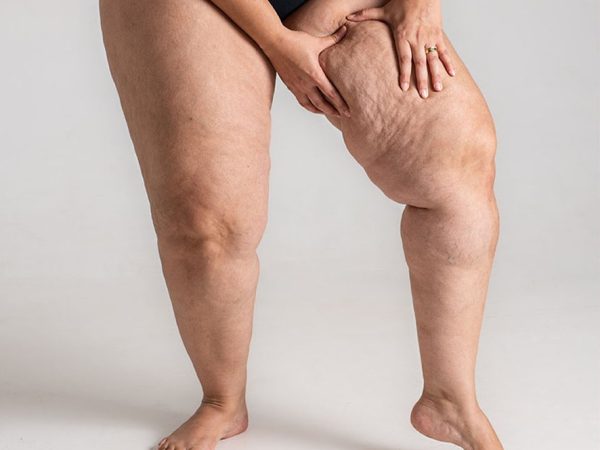
Help clinicians distinguish lipedema from lymphedema and obesity by emphasizing symmetrical distribution, tenderness, and sparing of the feet. Take real case examples that compare apples to apples and demonstrate how weight loss comes off fat stores in a different way with lipedema.
Case studies can be short clinical vignettes with imaging and follow-up, which help students connect signs with management decisions.
Public Narrative
Bring the condition to life through the patients’ own voices. First-person experiences reveal daily thresholds, aches, and treatment journeys.
Highlight news about early symptoms such as easy bruising and limb fat. Blend formats — written testimonials, short subtitled videos, community panels — to connect with different viewers. Tell triumphs of compression, exercise, nutrition, and surgical options such as liposuction, which removes liters of fat, in a balanced way that gives hope.
Address false beliefs by listing specific symptoms that differ from general obesity: persistent pain, tenderness, and lack of response to dieting. Leverage events associated with world health days to grow your reach and have local support groups organize awareness events.
Media Portrayal
Push for transparent, accurate depictions to demystify and destigmatize. Collaborate with reporters to showcase new research, patient stories and clinical advice.
|
Media portrayal type |
Common effect on public perception |
Corrective approach |
|---|---|---|
|
Sensational headlines |
Confuses lipedema with obesity |
Use precise terms and expert quotes |
|
Personal blogs |
Humanizes but may spread anecdotes as facts |
Pair with clinician commentary |
|
Documentaries |
Raises awareness broadly |
Include diagnostic criteria and treatment options |
|
Social media images |
Can mislead about severity |
Add captions with medical context |
Collaborate with illustrators to demonstrate clinical signs, not just before and after. Accompany with diagrams and short clips breaking down diagnosis steps and realistic treatment journeys to help audiences understand why early recognition matters.
Diagnostic Frontiers
Diagnostic frontiers will influence how lipedema is identified, monitored, and managed. We need clearer tools to distinguish lipedema from obesity and lymphedema, detect early disease, and guide interventions across the four clinical stages. Here are actionable guidance and specific milestones for biomarkers, imaging, and genetics that together strive to normalize diagnosis and increase availability.
Biomarkers
Molecular markers may aid in distinguishing lipedema from other adipose disorders. Investigations from 2020 to 2025 reveal M2 macrophage preeminence in lipedema, a divergence from obesity and suggestive of a unique immune environment.
Lipidomic profiling might discover specific plasma lipid signatures. Standard tests might identify aberrant fat metabolism prior to obvious clinical alterations. Track disease activity and stage by measuring circulating inflammatory markers, cytokine panels, and macrophage activity.
Combine these data into a biomarker panel that clinicians can use in outpatient settings, for instance, a set including select lipids, M2-associated cytokines, and lymphatic injury markers. Such a validated panel would reduce misdiagnosis, particularly considering estimates that 6% to 11% of women could be impacted and that lipedema is commonly misdiagnosed as lymphedema.
Imaging
High-resolution MRI and targeted ultrasound improve tissue-level assessment. MRI can map subcutaneous adipose tissue thickness and fibrosis, while ultrasound can assess nodularity and fluid content.
Use imaging to look for lymphatic vessel changes and signs of vascular dysfunction, which help distinguish lipedema from lymphedema. Develop and publish standardized imaging protocols that ensure consistent slice thickness, positioning, and scoring systems for staging and comparison across centers.
Routine imaging comparisons among lipedema, lymphedema, and obese controls will refine sensitivity and specificity. Standardized imaging supports monitoring progression through the four clinical stages and can help evaluate interventions such as conservative care or liposuction.
Genetics
Genetic work provides avenues for early detection and risk stratification. Family studies and sequencing efforts pinpointed hundreds of candidate genes. A study of 162 patients discovered 305 putatively associated genes and intersections with related diseases.
Larger genome-wide association studies identify common risk alleles and rare variants that confer susceptibility. Research gene-environment interactions, particularly how hormonal changes during puberty, pregnancy, and menopause combine with genetic risk to push fat deposition.
To translate these findings into screening tools for high-risk families and populations, guiding surveillance and early lifestyle or medical interventions that could decelerate progression.
Evolving Treatments
Research and clinical practice are moving away from symptom-only care towards approaches targeting adipose biology, inflammation, and patient function. Here are some emerging trends in drug therapies, surgical interventions, conservative and integrative approaches, and regenerative options that combine to create a more holistic treatment landscape.
1. Pharmaceutical Research
Pharmaceutical research focuses on decelerating fat build-up, pain, and inflammation. Trials now test agents that alter adipocyte behavior or lipid handling. Researchers have associated lipedema tissue with elevated MIF-1 expression, so treatments that modulate this pathway are in development.
There is research into whether metabolic drugs and anti-obesity drugs used for obesity help lipedema, with early work pointing to some agents changing adipokine profiles. This is significant because adipose produces more than 600 adipokines, including leptin and adiponectin, which impact insulin sensitivity and inflammation.
Longer trials must demonstrate safety and real-world impact. Clinical trials need to publish changes in adipocyte size, markers of fibrosis, and symptoms. A 2023 morphological and molecular examination revealed stage-dependent differences in adipocyte hypertrophy, tissue inflammation, and interstitial fibrosis, highlighting the importance of stage-specific drug strategies.
Evaluating side effects and long-term benefits over years is necessary.
2. Surgical Techniques
Surgical options are honed to excise excess tissue with preservation of lymphatic vessels. Water-assisted liposuction (WAL) and other lymphatic sparing techniques are on the rise. These are all things we need standardized protocols for so surgeons can weigh fat mass reduction against lymphatic health and mitigate complications.
Head to head studies should quantify objective outcomes such as limb volume, pain scales, adiponectin, and cytokine levels along with long term treatment plans. Given that data demonstrates liposuction-induced alterations in adiponectin and certain cytokines are not altered by exercise training, combined post-op care needs to be scheduled accordingly with reasonable hope.
Trials contrasting classic suction-assisted approaches with WAL and microcannula techniques will direct practice.
3. Conservative Care
Compression, massage lymphatic drainage, and customized PT are still central. Non-surgical treatment can work. A small study of five cases reported benefit without surgery.
Diet isn’t insignificant. A low-carb-high-fat (LCHF) diet has demonstrated symptom relief potential for some patients, and personalized plans can reduce inflammation and promote fat metabolism. Lifestyle plans must be personal, track outcomes, and shift as disease stage advances.
Track symptom scales, mobility, and biomarkers to optimize treatment.
4. Integrative Medicine
Pairing traditional care with acupuncture, therapeutic massage, and mindfulness can assist pain and quality of life. Nutritional counseling addresses diet-based lipids and metabolic health.
Focusing on potential gluten sensitivity associated with HLA-DQ2 and HLA-DQ8 expression can aid certain patients. Better coordination with collaboration of metabolic, vascular, and integrative clinicians is essential.
5. Regenerative Therapies
My stem cell and adipose-derived stromal cell (ADSC) work focuses on tissue repair and inflammation control. Early phase trials will attempt to see if regenerative approaches can slow progression or enhance tissue quality.
Safety and repeated clinical benefit would need to be demonstrated before wide use.
The Patient Voice
Patient voice directs priorities, approach and results in lipedema treatment. It directs what questions receive funding, what endpoints matter in trials, and how therapies are evaluated. Patient perspective accelerates research and development by directing scientists to relevant targets and practical reactions.
This chapter deconstructs how patients behave, what research must listen to, and how communities maintain momentum.
Advocacy Impact
Patient advocates can transform policy and coverage by chronicling need, lobbying payers, and providing testimony to legislators. Mobilize through coalitions that gather outcome data, policy briefs and meet insurers with cost and quality evidence.
Awareness campaigns should address clinicians and the public with straightforward information about symptoms, prevalence and treatment gaps. Take advantage of short videos, grand rounds and translated brochures for wide dissemination.
To me, global collaboration means common toolkits, joint conferences, and harmonized data standards so little groups everywhere can have a big impact.
Checklist of key advocacy activities:
-
Data collection: Gather patient-reported outcomes and cost data to support coverage arguments.
-
Story sharing: Collect diverse patient narratives for media and policymaker briefings.
-
Clinician outreach: host continuing education events with specialists and primary care.
-
Payer engagement: Present economic models showing long-term benefits of treatment.
-
Coalition building: Partner with related disease groups to amplify voice.
For every item, lead contacts, timelines, and measurable goals should be included as a way to track progress.
Research Priorities
Research must start from questions patients say matter most: pain relief, function, and prevention of progression. Schedule sessions that explore lipedema biology and connections to immune or vascular pathways.
Patient observations sometimes suggest mechanisms to test. Focus on trials of new treatments, tests of early diagnosis tools, and interventions that could alter disease trajectories. Longitudinal cohorts that follow symptoms, imaging, and biomarkers over years will prove which treatments change outcomes.
Involve patients and clinicians to prioritize the most important questions. In trials, use patient-reported outcomes routinely, so treatments are judged by function and quality of life, not just imaging.
Community Support
Begin constructing online and local networks where folks exchange care advice, surgeon critiques, compression hacks and lifestyle tips. In these safe forums, patients voice candid observations that can hint at biological hypotheses, such as connections with mast cell activation or comorbidities.
Educational resources:
-
Symptom guides and self-assessment tools
-
Video tutorials on compression and post-op care
-
Webinars with clinicians and researchers
-
Peer-led workshops on advocacy and research participation
-
Multilingual fact sheets for global reach
Conduct frequent workshops, regional meetups, and online mentorship initiatives connecting new patients with seasoned advocates. Peer networks retain studies, enhance data, and promote the open sharing required for patient-centered discovery.
Digital Therapeutics
Digital therapeutics employ software, apps, virtual reality, and other tools to help prevent, manage, or treat diseases. For lipedema, they can provide customized management plans, complement standard treatments, and gather data that empowers clinicians and patients to make more informed decisions.
The subsections that follow, telehealth, wearables, and data analytics, demonstrate how these components converge in primary and specialty care.
Telehealth
Telehealth expands access to specialized lipedema care through virtual visits that include video exams, symptom reporting, and remote monitoring. Patients in areas without local specialists can get initial assessments and second opinions without long travel.
Virtual visits help reduce delays in diagnosis and let clinicians triage who needs in-person assessment or imaging. Telehealth facilitates coordinated care. One virtual meeting can convene a vascular specialist, physical therapist, and lymphology nurse to construct a collaborative plan.
This minimizes lost handoffs and maintains continuity of care. Private platforms allow physicians and therapists to communicate, share images, measure limb changes based on photos, and track compression garment fit over time.
Follow-up care is easier via telemedicine. Routine check-ins, post-liposuction wound checks, and lifestyle coaching can all happen remotely, unblocking clinic capacity for more complex visits. Telehealth platforms need to be privacy and interoperability compliant so the data funnels into the patient record.
Wearables
Wearables can be used to monitor activity, limb circumference changes, and swelling flares. Take simple examples like smart bands that record steps and posture and sensor sleeves that measure circumference or tissue stiffness.
Real-time alerts to patients and clinicians of worsening edema or activity drops that may indicate pain or loss of mobility. Ongoing data personalizes care. If a patient’s swelling increases after prolonged standing, a clinician may adjust compression or incorporate manual lymphatic drainage treatments.
Wearables monitor adherence to exercise regimens and compression usage, providing quantitative metrics instead of relying solely on self-report. Integration is important. Wearable outputs should flow into EHRs so clinicians can view trends directly alongside clinical notes.
That paints a more complete image for surgery, rehab, or medication decisions.
Data Analytics
Big anonymized data from apps, wearables, and registries can uncover patterns of lipedema progression and treatment response. Analysts with predictive models flag patients at higher risk of rapid progression or poor response to conservative care.
Those models assist in personalizing interventions according to age, BMI, limb distribution, and symptom courses. Key metrics can be displayed to track progress and guide care:
|
Metric |
What it shows |
Use |
|---|---|---|
|
Limb circumference change (cm) |
Swelling trend |
Adjust compression or therapy |
|
Daily steps |
Mobility and activity |
Tailor exercise goals |
|
Symptom flare frequency |
Pain/swelling events per month |
Modify treatment plan |
|
Compression adherence (%) |
Device wear time |
Identify barriers to use |
Aggregated insights guide research and policy by uncovering what works and where care is missing. Development needs clinicians, engineers, and regulators all together to ensure safety and efficacy.
Digital therapeutics for lipedema are emerging and offer exciting opportunities to enhance access, customize care, and optimize outcomes.
Systemic Change
Systemic change means shifting laws, clinical routines, funding, and culture so lipedema care is consistent, timely, and effective. We aim to tackle the disease across prevention, diagnosis, treatment, and long-term care. Given that lipedema AT exhibits distinct characteristics that differentiate it from obesity and lymphedema, it requires specific care.
Insurance Reform
Advocate for insurance policies to cover conservative treatments such as manual lymphatic drainage, compression garments, physical therapy, and evidence-based surgical treatments including liposuction for lipedema. Create uniform guidelines that connect coverage to objective indices: disease stage, functional restrictions, and proven attempts at conservative treatment to reduce denials and hold-ups.
Tackle inequalities by establishing defined routes for the more complicated cases, such as dedicated referral centers and priority approvals for stages 3 to 4 where movement and skin alterations are most acute. Inform payers with cost-benefit data showing early intervention reduces long-term costs from disability, comorbidity, and repeated ineffective treatments.
Employ sample policy language and pilot reimbursement models that insurers may test regionally.
Global Collaboration
Established international consortia to pool patient registries, biobanks, and imaging data so genetic and molecular signals, such as those linked to ECM and cell-cycle pathways, can be validated across populations. Organize multicenter trials for testing medical agents, rehab protocols, surgical techniques, and common protocols to accelerate recruitment and increase statistical power.
Align diagnostic and treatment guidelines so a patient in one country gets similar care in another. Incorporate perspective from vascular medicine, physical therapy, psychology, and surgery to address the condition’s multi-system demands.
Sponsor worldwide events, such as research symposia and patient conferences, to disseminate best practices and to increase awareness, with case studies and pragmatic toolkits that clinics can implement.
Healthcare Policy
Push for lipedema to be included in national health plans and chronic disease registries so there are funding streams and outcomes tracked over time. Suggest specific grants for stage-specific mechanistic research since the disease develops through four clinical stages with unique histopathology and immune profiles.
Need training modules for clinicians in primary care, vascular clinics, and rehab services to alter recognition and referral patterns. Develop monitoring systems that track policy adoption and patient results and release periodic reports to demand systems responsibility.
Target policies that support holistic management—exercise, weight support, psychosocial care—so patients receive integrated rather than siloed care.
Conclusion
Lipedema awareness gains momentum. More doctors see symptoms. These new scans and the soon clearer criteria cut down on misdiagnoses. Surgical and non-surgical care continue to get better. Apps and remote tools track pain, swelling, and response to care. Patient groups advocate for insurance coverage and improved clinician training. Health systems implement protocols that accelerate referral and treatment.
Real change looks like more clinics with trained staff and fairer coverage and faster diagnosis. Patient stories help shape our research and care priorities. Small steps add up: a more informed clinician, a covered procedure, and a supportive local group. All of those moves make day-to-day life easier for people with lipedema.
Discover, support, or share to help shape care.
Frequently Asked Questions
What is the future outlook for global lipedema awareness?
Awareness is growing. Increased awareness through medical education, public campaigns, and patient advocacy results in earlier diagnosis and improved care availability globally.
How will lipedema diagnosis improve in coming years?
Diagnosis will become more precise with standardized diagnostic criteria, clinician education, and increased use of imaging such as ultrasound. This minimizes misdiagnosis and accelerates effective treatment.
What new treatments are emerging for lipedema?
These advances span from improved liposuction methods to new targeted conservative therapies to pharmaceutical investigations. Integrated strategies work to alleviate pain, increase mobility, and improve quality of life.
How will patients influence lipedema care?
Patients drive research agendas, treatment standards, and policy through advocacy and data sharing. Their voices speed up access to care and insurance coverage shifts.
What role will digital tools play in lipedema management?
Apps, telehealth and wearable monitoring will assist with symptom tracking, remote consultations and personalized care plans, rendering management more convenient and data-driven.
Will systemic healthcare changes improve access to lipedema care?
Yes. With increasing awareness and advocacy, health systems and insurers begin to implement guidelines, cover treatments, and educate providers, enhancing access and equity.
How can someone stay informed about lipedema advances?
Stay updated through reliable medical journals, patient associations, and expert centers. Ask lymphatic and vascular clinicians for vetted current guidance.