
Key Takeaways
-
How weight loss medications impact lipedema Weight loss medications, particularly GLP-1 receptor agonists, can decrease overall weight, improve insulin sensitivity, and reduce inflammation, which can alleviate lipedema symptoms and complement other treatments. Talk to a specialist about medication options to tailor therapy to your metabolism.
-
Anticipate benefits beyond the scale including less pain, limb swelling, and enhanced mobility. Monitor non-scale wins such as pain scores, limb circumference, and daily activities to gauge success.
-
Drugs can change fat biology and location, but they tend to be most effective when paired with exercise, physical therapy, anti-inflammatory diet modifications, and psychosocial support for lasting benefits.
-
Track safety and access via side effect checklists, known contraindications, potential drug interactions, and cost or insurance barriers. Schedule ongoing follow-up to titrate therapy.
-
When contemplating pharmacological treatment, think of it as a component in a stepwise, individualized plan that could include adjunct therapies and, when appropriate, liposuction surgery post-metabolic optimization.
-
Watch for new research and clinical trials for more targeted agents and guidelines. Talk with your care team about participating or new options to tap into the latest therapies.
Weight loss medications and their impact on lipedema are being actively researched and clinically observed. Certain weight loss medications can reduce total body fat and appetite.
Research demonstrates that these medications have minimal impact on the abnormal fat cells and pain associated with lipedema. Response differs by medication class, disease stage, and individual factors like hormones and circulation.
Patients generally require multidisciplinary care such as compression, exercise, and consultation with specialists for symptom-based treatment plans.
The Medication Impact
Weight loss medications can affect the pathophysiology of lipedema by modifying body weight, fat biology, inflammation, pain and mobility. The subsections below present evidence and probable mechanisms, using clinical examples where possible to anchor expectations for patients and clinicians.
1. Overall Weight
GLP-1 receptor agonists and its ilk reduce total body weight by decreasing appetite and slowing gastric emptying. In lipedema, treated patients may see meaningful drops in weight. One reported a 10 kg loss in the first three months on exenatide LAR 2 mg/week, with a net 6 kg loss at six months when diet later shifted.
These drugs are more effective than diet alone for many people because they alter hunger signals rather than depend exclusively on willpower. Lipedema presents extra challenges. Fat tissue behaves differently and resists loss.
Compromised adipose tissue restricts the quantity of fat that drug treatment can eliminate relative to non-specific obesity. Keeping lower body weight helps compression and surgery results and lessens the load on veins and joints.
Think of the pill as just one component of a program. Medication, when combined with moderate exercise and nutritional changes, produces better and more stable results than either alone.
2. Inflammation
GLP-1 agonists are anti-inflammatory in adipose tissue. Exenatide LAR-treated patients experienced less tenderness and bruising following six months of treatment, which is indicative of decreased local inflammation. They can reduce macrophage activation and pro-inflammatory cytokines secreted in fat depots, improving metabolic signaling.
Chronic inflammation is associated with insulin resistance and the exacerbation of lipedema symptoms. Targeting insulin resistance, like the one treated for three months with exenatide plus exercise, can redirect metabolic strain and decelerate symptom advancement.
Anti-inflammatory supplements and diets high in omega-3s, fiber, and low in processed sugars provide added benefit and can enhance drug effects on tissue inflammation. Inflammation propels fat accumulation and metabolic damage. Lowering it in turns benefits both symptoms and the metabolic profile.
3. Pain Levels
Medications can reduce lipoalgia both directly and indirectly. Less inflammation leads to less pain signaling. The subject patient had full remission of spontaneous pain and tenderness following six months of exenatide LAR.
Evoked pain at the medial thigh also resolved by month 6, and lower limb symptom scores decreased on questionnaire measures. Not every ache will flee to pharmaceuticals alone. Structural problems and nodular fibrosis may require mechanical or surgical treatment.
Look for modest pain relief from medication and more when used along with physical therapy.
4. Mobility
Less limb fat and lower inflammation can enhance ambulation, balance, and exercise tolerance. The exenatide-treated patient noted reduced waist and hip measurements and improved activity following the combination therapy. Better blood sugar helps the joints and combats fatigue.
Medications do help, and combine those with some targeted physical therapy, and that’s where you get the gains in mobility.
5. Fat Distribution
GLP-1 agents are known to reduce subcutaneous fat thickness and the ultrasound in our case demonstrated reduction in thickness of adipose at three and six month intervals. Medications might target metabolically active fat, but lipedema’s subcutaneous caches are stubborn.
Some patients experience significant reductions in arm and leg retention, but full redistribution is rare without surgical treatment. Pharmacology changes adipocyte biology and whole body adiposity. We should temper expectations and combine it with other interventions.
Medication Types
Medication types for lipedema target appetite, glucose metabolism, and fat accumulation to decrease weight, pain, and disease advancement. Below is a brief overview of these drugs, followed by an in-depth treatment of the major classes.
-
Stimulate appetite through central nervous system pathways and increase calorie intake.
-
Slow gastric emptying to enhance fullness after meals.
-
SGLT2 inhibitors increase urinary glucose loss to remove calories and reduce blood glucose.
-
Improve insulin sensitivity to reduce fat storage signals.
-
Modify lipid metabolism and inflammation in adipose tissue.
-
Lower cardiovascular risk by improving glycemic and weight profiles.
GLP-1 Agonists
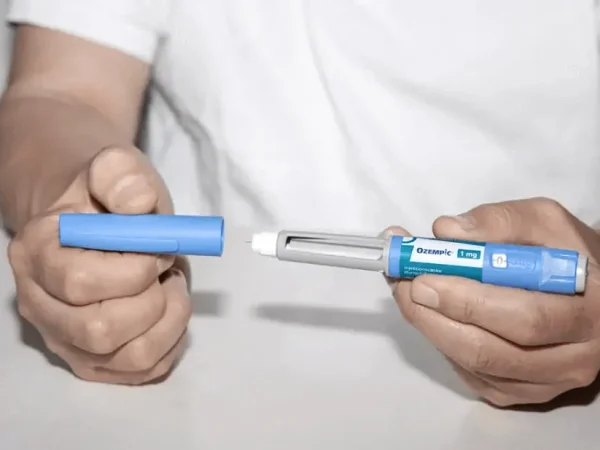
GLP-1 receptor agonists are medications that imitate glucagon-like peptide-1, a gut hormone that increases insulin post meals and decreases hunger. Semaglutide, sold under the names Ozempic or Wegovy depending on dose and indication, delays gastric emptying and reduces food intake while enhancing post-prandial insulin response.
Clinical use in lipedema includes short series and case reports with impressive initial weight loss, frequently in the first three months. Exenatide LAR 2 mg weekly has been administered in lipedema patients for a duration of three to six months, with anecdotal evidence documenting decreased body weight, reduced lipoalgia scores, and firmer tissues, particularly when combined with lifestyle modifications.
Trials demonstrate improved insulin sensitivity on fasting and oral glucose tests, which is significant as many with lipedema have insulin resistance. For GLP-1s, cardiovascular outcome data indicate a lower risk of major adverse events. Pooled analyses show a reduction of fatal myocardial infarction by approximately 27 percent and stroke by about 7 percent for some agents.
These benefits have now made GLP-1s an expanding cornerstone of pharmacological lipedema treatment, though long-term lipedema-focused trials are still scant.
SGLT2 Inhibitors
SGLT2 inhibitors prompt the kidneys to dump glucose, resulting in moderate weight loss and reduced blood sugar levels regardless of insulin. As an adjunct to GLP-1 agonist, they can provide a little extra weight loss and better glycemic control, which can be helpful in obese lipedema patients with diabetes or insulin resistance.
Advantages may encompass decreased hyperglycemia and heart failure risk protection observed in more general diabetic populations. Unique considerations include risk of genitourinary infections and volume depletion, which is important in patients with mobility constraints or fragile skin.
Data specific to lipedema are sparse, thus usage is typically individualized and combined with metabolic testing like fasting insulin and glucose tolerance tests.
Other Agents
Metformin, GIP receptor agonists, and older appetite suppressants are alternatives. Metformin increases insulin sensitivity and is cheap. There isn’t a lot of evidence in lipedema, but it makes sense when insulin resistance is present.
GIP agents are investigational and may act differently than GLP-1s on weight and fat distribution. Conventional appetite suppressants provide temporary intake reduction, but have side effects and rebound weight gain.
Selection should align with metabolic signature, co-morbidities, and fertility aspirations. For instance, metformin might be preferred for insulin resistance, while GLP-1s could be chosen for substantial weight and cardiovascular advantage.
|
Drug group |
Target |
Typical outcomes in lipedema |
|---|---|---|
|
GLP-1 agonists |
GLP-1 receptor (appetite, insulin) |
Marked early weight loss, less craving, tissue pain reduction |
|
SGLT2 inhibitors |
Renal glucose reabsorption |
Modest weight loss, better glycemia, adjunct benefit |
|
Metformin/others |
Insulin sensitivity, appetite |
Small weight effects, improved metabolic markers |
Beyond The Scale
Lipedema treatment success isn’t measured on the bathroom scale. Weight loss medicine can transform tissue biology, symptoms, and function in ways that impact day-to-day life. First, there are pragmatic, quantitative ways to track benefits beyond raw weight.
Then, there is an in-depth discussion of quality of life, mental health, and symptom relief.
-
Non-scale victories to log.
-
Changes in limb circumference (cm) at standard points: ankle, calf, thigh measured weekly or monthly.
-
Decrease in pain reported via a simple lipoalgia score (0–10) and flare days per month.
-
Improved mobility: timed walk tests (e.g., 6-minute walk) or minutes of daily activity without rest.
-
Decrease in swelling: visual scoring plus photos taken under consistent lighting and position.
-
Clothing fit: number of garments that feel comfortable or waist/hip clothing sizes reduced.
-
Energy and fatigue: hours per day active and days per week able to perform planned tasks.
-
Medication-specific effects: early weight loss patterns (6–10 kg in first 3 months for some drugs) and noted reductions in waist and hip circumference.
-
Metabolic markers: fasting glucose, HbA1c, lipid panel changes recorded every 3 months.
-
Inflammatory markers: CRP or local tissue inflammation if available.
-
Patient-reported outcome measures (PROMs): quality-of-life scales and mental health screens at baseline and regular intervals.
-
Quality of Life
Good drugs can reduce pain and swelling, which produces more obvious improvements in everyday function than weight by itself. When pain subsides and limbs become lighter, patients frequently resume the social and physical activities they had dropped.
Even if it’s only visible changes in fat distribution or reduced tenderness, this can relieve body image distress and motivate more active self-care. Tracking PROMs alongside objective measures gives a fuller view. Small circumference drops can coincide with large gains in confidence and activity.
Mental Health
Chronic pain combined with inevitable body shape changes compounds a serious mental health load. While some GLP-1 receptor agonists and other agents can improve mood indirectly via weight and symptom reduction and directly through metabolic effects, medicine is just one aspect of treatment.
Integrated plans with counseling, support groups, and regular mental health checks yield more sustainable outcomes. Track anxiety and depression as you treat with short validated screens.
Symptom Relief
Medications can mitigate signature signs such as edema, heaviness, and pain. Alleviation is stage and drug-dependent. For some, exenatide and the like generate pronounced pain reductions.
Others maintain pain despite substantial weight loss or following bariatric surgery. Record measurement of limb circumference, lipoalgia scores, and functional tests to demonstrate change. Full resolution is rare.
More than half with advanced disease can develop tissue outside treated areas, so adjuvant techniques like combining medications with compression, physiotherapy, or surgery when necessary are important. Frequent glancing enables customization of merged treatments.
Practical Considerations
Clinical context: Weight loss medications can change symptoms and body composition in people with lipedema. Effects vary by drug class, baseline metabolism, comorbidities, and concurrent therapies.
In our experience with exenatide LAR 2 mg/week, there is meaningful weight loss of roughly 6 kg at 6 months, with a progressive decline within the first 3 months and slower thereafter. Symptom improvements sometimes emerge within 3 months and can be independent of weight, lipid, and inflammatory effects.
Schedule treatments around those patterns and be realistic about setting goals for the first 3 to 6 months.
Side Effects
-
Checklist to track and manage side effects:
-
Gastrointestinal upset: nausea, vomiting, diarrhea. Note onset, severity, and relation to dose.
-
Injection-site reactions: redness, pain. Document location and duration.
-
Hypoglycemia signs: sweating, dizziness, confusion. Check if on insulin or sulfonylureas.
-
Dehydration and renal stress: monitor urine, creatinine, and fluid intake.
-
Signs of pancreatitis: severe abdominal pain radiating to the back, vomiting. Seek urgent care.
-
Genitourinary infections (SGLT2): dysuria, increased frequency. Test and treat promptly.
-
Weight plateau or rapid loss: track weekly weight and circumferences.
-
Compare classes:
-
GLP‑1 receptor agonists (exenatide, semaglutide) have common gastrointestinal effects, reduced appetite, and injection-site issues. Rarely, they can cause pancreatitis. There is a low risk of hypoglycemia unless they are combined with insulin.
-
SGLT2 inhibitors: genital mycotic infections, volume depletion, rare ketoacidosis. Modest weight loss mostly comes from water and visceral fat.
-
Combination regimens can amplify benefits but increase monitoring needs.
Rare but serious risks include pancreatitis with GLP‑1 agents, euglycemic diabetic ketoacidosis with SGLT2s, and severe hypoglycemia when combined with insulin. Monitor for SAEs, discontinue drugs per safety protocols and SAE resolution.
Recommend ongoing tracking: baseline labs, weight, waist/hip and limb circumferences, symptom scores and ultrasound of adipose thickness where available. Review every 4 to 12 weeks initially, then quarterly.
Accessibility
Insurance, expense, and accessibility differ widely. GLP‑1 drugs can be pricey, and coverage varies by country and indication. Out‑of‑pocket expense can restrict access.
Geographic disparities exist: urban centers and specialty clinics are more likely to supply prescriptions and monitoring.
Practical steps for patients:
-
Find documentation of lipedema and related comorbidities from specialists to support coverage claims.
-
Consider patient-assistance programs, generic alternatives, or clinical trials.
-
Telemedicine could be used for specialist consults in areas with limited local access.
Policy change matters: expanding indications, reimbursing evidence-based therapies, and funding education for clinicians would reduce inequities and improve uptake.
Contraindications
|
Drug class |
Contraindications |
|---|---|
|
GLP‑1 receptor agonists |
Personal/family medullary thyroid carcinoma, MEN2, severe gastroparesis, pregnancy |
|
SGLT2 inhibitors |
Severe renal impairment (eGFR threshold varies), active genital infections, history of DKA |
Drug interactions and screening:
-
GLP‑1s combined with insulin or sulfonylureas increase the risk of hypoglycemia, so reduce doses.
-
SGLT2s with diuretics increase the risk of dehydration.
Screen for endocrine, cardiac, and renal function and other metabolic issues prior to therapy. Drug choice should be tailored to the individual profile and rechecked periodically.
A Holistic Approach
A holistic approach to lipedema treats it on all fronts, not just with weight loss pills. This involves integrating pharma with nutrition, smart exercise, manual work, and expert support. Fine tuning the plan to disease stage, comorbidities, and patient priorities increases the likelihood of better symptoms, less pain, and better quality of life.
Complementary Therapies
-
Aquatic exercise: Low-impact water workouts reduce joint stress, improve circulation, and help lymph flow when paired with medication.
-
Manual lymphatic drainage (MLD): therapist-led sessions can ease edema and pain and make drugs more tolerable.
-
Compression therapy: Fitted garments support tissues and limit fluid pooling, complementing drug effects.
-
Strength and mobility work: Targeted resistance training preserves muscle and boosts metabolic health.
-
Anti-inflammatory supplements, such as omega-3s, vitamin D, and certain antioxidants, may reduce inflammation when used safely with medications.
-
Tracking tools: Use symptom scales like QuASiL and regular photos and circumference measures to watch combined effects.
About: A Holistic Approach Combining anti-inflammatory diet habits with medication controls systemic inflammation. Diet won’t cure lipedema, but lowering inflammatory load can reduce pain and sensitivity.
Consider a Mediterranean-style diet, cut down on super-processed foods, and watch your sodium for fluid balance, for example. Supplements require selection and dosage. A few patients experiment with herbal antioxidants, others omega-3s or vitamin D under supervision.
Talk to your prescribers about interactions to prevent unwanted side effects or diminished potency. Track symptom scores and objective measurements to evaluate if the cocktail of treatments results in change.
Surgical Options
Surgical options are taken into account when conservative management is inadequate, particularly in late stages of lipedema. Signs are severe pain, functional restrictions, and breakdown of medical and conservative care.
Assisted liposuction (tumescent, water-jet, or PAL) can diminish pathologic fat deposits and relieve contour and pain more immediately than pharmaceuticals. Drugs might reduce perioperative risk by enhancing metabolic markers, reducing inflammation, or supporting weight control prior to surgery.
Outcomes differ. Liposuction often yields larger, lasting reductions in limb volume and pain. Drugs can offer whole body advantages and symptom management, but typically lead to less pathological fat decrease. A staged approach works best.
Optimize medical therapy, address comorbidities like obesity and varicose veins, then plan surgery if needed.
Lifestyle Integration
Pair consistent low-impact exercise, a balanced anti-inflammatory diet, and good sleep and stress habits with medication for optimal long-term outcomes. Continued weight and metabolic monitoring maintains gains and decreases surgical risk if surgery is scheduled.
Plan a structured supplement and nutrition regimen with a lipedema-savvy nutritionist. Long-term change matters: lipedema management is chronic care, not a short fix.
Employ multidisciplinary teams—vascular surgeons, physical therapists, nutritionists, and lipedema specialists—to construct and modify customized plans depending on stage, symptoms, and patient ambitions.
Future Outlook
New data and research indicate people with lipedema respond more quickly and more measurably to weight loss medication than believed in the past. Preliminary data reports weight loss at three months between 4.5 and 11.2 percent, occasionally better than historical literature. That early change is often accompanied by improved glucose control and many patients demonstrate a decrease in subcutaneous fat thickness throughout the lower limb, abdomen, and upper limb after three months.
These results lay the groundwork for a number of short-term advances. Anticipate progress in GLP-1 receptor agonist treatments and innovative lipedema drugs. Anticipate next-generation GLP-1 drugs that have longer half-lives, are more tolerable, and are selective to adipose tissue.
These include molecules that pair GLP-1 activity with other peptides to accelerate fat loss while mitigating gastrointestinal side effects. Others seek to specifically target fat cell metabolism, minimizing pathological storage of lipedema without significant systemic weight loss. When combined with new therapies that address the underlying biology of lipedema, such as exenatide, reductions in body weight and inflammation will make patients much more responsive to physical therapy and pain management.
Emphasize current clinical trials and research toward developing more effective, targeted treatments. Trials now track not only weight but tissue thickness by ultrasound, pain scores and mobility. Some studies indicate positive results as early as two to three months after initiating exenatide and other GLP-1 RAs, with continual improvements up to six months.
Trials test combinations of drugs and compression or manual lymphatic therapy to determine if drugs enhance conservative care. Novel research is evaluating therapies that target lymphatic function and local inflammation, tackling mechanisms believed to underlie lipedema instead of just systemic metabolism.
Talk about the future of personalized medicine based on adipose tissue biology and metabolic profiles. The researchers intend to incorporate biopsies, hormone panels, and gene expression from fat to categorize lipedema subtypes. That could allow clinicians to select medications customized to a patient’s fat biology.
For instance, they could select an agent that decreases adipocyte size in one subtype or targets fibrosis and pain pathways in another. Metabolic markers like insulin sensitivity and inflammatory cytokines will help forecast who receives the greatest benefit, as better glucose control tends to correlate with both weight loss and symptom relief.
Expect better standards and wider availability of pharmacologic lipedema therapies in the years ahead. As more data emerges demonstrating early impact, such as weight loss, reduction in subcutaneous thickness, decreased pain, and improved tissue quality, professional organizations will probably create more defined treatment algorithms and reimbursement could broaden.
Conclusion
Weight loss medications can reduce weight and relieve pressure on joints. Some meds reduce inflammation and inhibit fat deposition. Others alter appetite and fat storage in the body. For lipedema patients, these impacts can assist with pain, swelling, and mobility. It depends on the drug, dose, and stage of the condition. Pair medicine with mild exercise, targeted physical therapy, and lymph-safe treatment for increased daily ease. Monitor symptoms, leg circumference, and adverse effects. Communicate clear notes to your care team and establish practical objectives. New studies will provide more information in the future. Consult a lipedema-aware clinician before starting any drug regimen. Find out more or book a consult to discover the best next step.
Frequently Asked Questions
Can weight loss medications reduce lipedema fat?
Weight loss medications can reduce overall body fat but typically do not significantly impact lipedema fat. Lipedema tissue resists regular weight-loss drugs. While medications can be beneficial for overall body composition, they typically do not make a dent in the painful, disproportionate lipedema fat.
Do GLP-1 agonists help lipedema symptoms?
GLP-1 agonists (like semaglutide) may generate weight loss and metabolic effects. A few patients report symptom improvement with overall weight loss, but the data are sparse. These medications do not directly impact lipedema tissue or pain.
Could weight loss drugs worsen lipedema pain or swelling?
Certain medications do cause fluid shifts or side effects that can impact swelling. Most don’t directly exacerbate lipedema, but as with all conditions, everyone responds differently. Keep an eye on symptoms and reach out to your clinician if you experience pain, swelling, or new symptoms.
Are lipedema patients good candidates for weight loss medication?
They should be candidate by candidate. If there is comorbid obesity or metabolic disease, medication may benefit overall health. A specialist experienced in lipedema should drive decisions to balance benefits, expectations, and side effects.
Will weight loss medication replace lipedema surgery?
No. Lipedema surgery (lipedema-specific liposuction) removes abnormal fat and often alleviates pain. How Weight Loss Pills Impact Lipedema Weight loss pills can certainly complement lipedema treatment but don’t usually replace lipedema fat removal surgery.
What else should I combine with medication to manage lipedema?
Integrate medical treatment with compression, MLD, specialized exercises, skincare, and anti-inflammatory dietary modifications. A multi-disciplinary approach typically provides optimal symptom management and functional improvements.
Are there risks or side effects specific to lipedema patients on these drugs?
Risks are generally the same as for other patients: gastrointestinal issues, nausea, or metabolic changes. Lipedema patients should watch for fluid retention, mobility changes, or worsening pain and co-manage with a specialist.