
Key Takeaways
-
Lipedema is a chronic fat disorder that does not respond to conventional weight loss and mostly affects the legs, hips, and occasionally arms. Therefore, anticipate enhancements instead of a cure post-operatively.
-
Realistic expectations generally involve decreased limb volume, smoother contours, and improved mobility, with results varying based on disease stage, type of treatment, and the individual.
-
Symptom relief like less pain and swelling is typical. Some tenderness or residual fullness may remain as lymphatic-sparing approaches preserve function.
-
Emotional wins such as better confidence are certainly attainable. Happiness relies on setting realistic goals and steering clear of comparing yourself to a ‘normal’ weight-loss transformation.
-
Pair surgery, when needed, with non-surgical care such as compression, manual drainage, and movement to optimize and sustain results.
-
Anticipate slow results over months, not overnight. Record measurements and symptoms. Adhere to your care plan for the best long-term results.
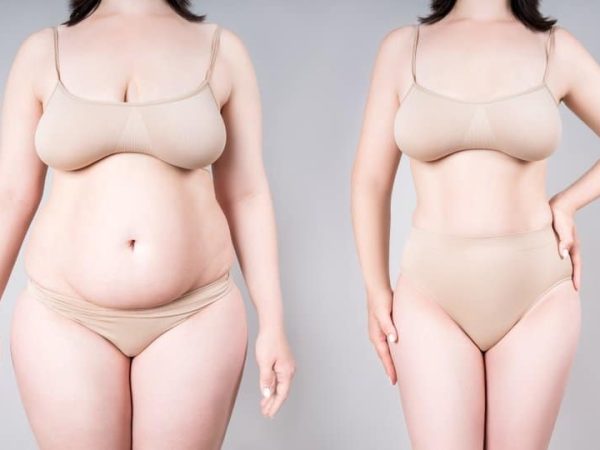
Lipedema patients’ realistic before and after expectations detail average results post-procedure and extended maintenance. They include probable pain transformation, limb contour, locomotion and requirement for future treatment.
Stage, weight and therapist skill determine results. The body breaks down what to expect in step, recovery time, and how to set realistic goals.
What Is Lipedema?
Lipedema is a long-term fat disorder that results in the excessive accumulation of fat under the skin, typically in the legs such as the thighs and hips, and occasionally the arms. This creates a ‘body disproportion’ where the affected limbs appear fuller than the torso. It is a progressive disease that can exacerbate as subcutaneous fat deposits increase.
As it commonly manifests as symmetric, circumferential limb enlargement, lipedema is regularly confused with lymphedema or common obesity, thus proper identification is crucial.
Lipedema fat is not like regular weight-related fat. It is resistant to typical weight-loss measures like calorie restriction, general exercise, and standard obesity treatments. Patients typically state that diet and gym regimens shrink their tummy but do nothing for their legs or arms.
This resistance aids in distinguishing lipedema from nonlipedema obesity in the clinic and explains why so many people with it become frustrated by failed efforts at weight loss.
It primarily impacts women and men as well. Epidemiologic studies estimate a worldwide prevalence near 11% and family patterns suggest genetic associations in approximately 60%, indicating polygenic inheritance.
Lipedema often starts or exacerbates during hormonal changes, including puberty, pregnancy, or menopause. With a typically slow disease course, many patients progress over years and on average, take approximately 17 years to reach more advanced stages if untreated or unrecognized.
The symptoms are more than cosmetic. Pain, tenderness, bruising, and swelling are common and can affect mobility. They can restrict activity, decrease productivity, and damage quality of life.
Because its symptoms overlap with other conditions, diagnosis requires detailed history and physical exam. Clinical diagnosis is standard, and laboratory tests and imaging can help exclude other causes but are not a substitute for the bedside evaluation.
A useful diagnostic approach applies the criteria described by Wold et al. When all five of their criteria plus two key physical findings are present, a diagnosis of lipedema is highly probable.
Lipedema-trained clinicians look for signs including disproportionate fat distribution, pain on palpation, and sparing of the feet, among others. Misdiagnosis is common. Lipedema may be labeled as obesity or lymphedema, which can delay appropriate care.
Knowing these differences, including pathology, resistance to weight loss, common symptoms, progression, and diagnosis, allows patients and providers to select appropriate treatment options and establish realistic expectations.
Realistic Outcomes
Realistic expectations after lipedema treatment are tangible but usually incomplete, body shape, symptom, and quality of life improvements. Expectations should be about incremental wins, not total destruction. Outcomes depend on disease stage, baseline health, interventions selected, and followup care.
1. Physical Changes
Common physical results are reduced limb volume, a smoother contour and improved proportion between involved and uninvolved body areas. Reduction is most noticeable in the thighs, calves and arms where lipedema fat collects. Some residual fullness usually persists.
Late stages often require multiple treatments or maintenance to maintain shape improvements. Trackable measures help set clear goals: compare limb circumference, body mass index, and percent body fat (DXA) before and after treatment. For example, lipectomy groups showed a 2.1% decrease in percent body fat versus 0.28% in controls after six weeks.
A realistic results table might list baseline and 6 to 12 week thigh circumference, calf circumference, BMI, and percent body fat values to demonstrate actual change.
2. Symptom Relief
Patients often experience less pain, decreased swelling and improved range of motion following a successful treatment. Manual drainage and lymphatic-sparing liposuction have the potential to minimize fluid accumulation and improve lymphatic flow, which eases intolerable heaviness and enhances mobility.
There might still be some tenderness or bruising in the area and symptom relief depends on how much of the diseased fat is removed and compliance with compression, physiotherapy and self-care. Clinical data demonstrate improved decreases in complex decongestive therapy scores for patients with BMI less than or equal to 35 kilograms per square meter and for stage I to II versus stage III, so earlier intervention often provides more symptomatic relief.
3. Emotional Impact
Better looks and freedom from symptoms can boost confidence and reduce activity restrictions. Emotional satisfaction depends on matching outcomes to realistic goals. Otherwise, disappointment can ensue even with clinical improvement.
Track mood, body image, and daily function to capture psychological changes. Peer support and a multidisciplinary lipedema team help tame setbacks and set realistic expectations.
4. Unrealistic Goals
To expect a cure, perfect symmetry, or total fat removal is unrealistic. A lot of unhappy patients had unrealistic expectations and volume-obsessed patients were significantly more likely to be unhappy, with 17% unhappy compared to 1% of happy patients.
Average operations achieve approximately 6% of weight in fat removed. Major complications are uncommon at 1.2%, with infection at 0% and hemorrhage at 0.3%. Post-op swelling can persist: up to 7 days for 7.2%, up to 14 days for 16.1%, and more than 14 days for 76.8%.
Establish realistic, stage-based goals with your clinician.
Treatment Pathways
Treatment for lipedema combines surgical and non-surgical measures. Treatment pathways are personalized according to disease stage, BMI, symptom burden, mobility, and patient objectives. Here’s a simple in-out map of choices, usual gains, and probable results to establish realistic expectations before and after.
Surgical
Liposuction, particularly lymphatic-sparing and tumescent liposuction techniques, is the leading surgical treatment for extricating excess lipedema tissue. These techniques seek to remove the diseased fat while preserving lymphatic channels. Results increase when surgeons have dedicated lipedema experience.
Liposuction has demonstrated a decrease in symptomatology and reduced dependence on conservative therapies, especially for patients with a BMI less than 35 kg/m2 and less bulging for early-stage disease. Surgical outcomes are a function of surgeon expertise, stage of disease, and patient compliance with pre- and post-operative guidelines.
Multiple procedures are typical for more advanced stages or when treating large areas of the body. Staging surgeries can result in better contour and reduce the risk of complications. Preoperative work consists of medical clearance, medication review, and planning for compression garments and lymphatic care following surgery.
Postoperative care is critical. Compression therapy, careful wound checks, gradual return to activity, and follow-up lymphatic care help healing and long-term results. Complications are rare in the hands of experienced teams but may involve bleeding, infection, or transient changes in sensation.
Find a surgeon with proven lipedema expertise. Not all liposuction surgeons are lipedema-trained.
Non-Surgical
Complex decongestive therapy (CDT) — manual lymphatic drainage, skin care, compression bandaging, and therapeutic exercise — addresses swelling and pain. CDT doesn’t remove lipedema fat but can reduce swelling and enhance mobility and pain.
We have data demonstrating greater improvements in CDT scores for patients with BMI less than or equal to 35 kg/m2 and stage I to II disease. The median CDT score reductions are approximately 37.5 percent after follow-up, representing significant symptom change for many.
Long-term compression garments decrease everyday swelling and provide tissue support post surgery. Consistent low-impact activity like walking, swimming, and resistance training keeps you mobile and could stop your symptoms from deteriorating quickly.
Lipedema fat is notoriously resistant to traditional weight loss, so diet and exercise should center around function and weight maintenance rather than fat reduction. Non-surgical care enhances surgery and sustains results.
Follow symptom changes and quality-of-life measures over months to determine if conservative measures meet goals or if a surgical referral is needed. Other surgeries occasionally employed are vein surgery, joint replacements, fat nodule excision, bariatric surgery for central obesity, and debulking or lifts for contour.
|
Option |
Main benefits |
Likely outcomes |
|---|---|---|
|
Liposuction (tumescent, lymph-sparing) |
Fat removal, symptom drop |
Reduced symptoms, less need for CDT, may need staged ops |
|
Complex decongestive therapy |
Swelling control, pain relief |
Median 37.5% CDT score drop at ~20 months |
|
Compression and exercise |
Support, mobility |
Improved daily function and maintained surgical outcomes |
|
Other surgeries (vein, joint, debulking) |
Targeted relief |
Enhanced function or contour when appropriate |
The Timeline
The lipedema management journey involves distinct phases: diagnosis, initial treatment choices, surgical planning if indicated, immediate recovery, and long-term maintenance. Initial actions involve confirming diagnosis with a lipedema-savvy clinician, discussing conservative care (compression, manual lymphatic drainage, exercise, nutrition support) and determining if liposuction or staged surgeries are a good idea.
Planning can incorporate imaging, baseline photos, and realistic goals set with the care team. The first few weeks after treatment are centered around wound healing, swelling control, and pain management. Both surgery and conservative care had early, visible changes, but these evolved.
Anticipate swelling and leakage of fluid for weeks. In one instance, it was close to six weeks before swelling and seepage of fluids subsided with the use of compression garments. Sensations change too: numbness on the inner thighs lasting about a month was reported after the first surgery. These early signs are typical and usually fade.
Midterm recovery occurs over two to three months and exhibits consistent variation as inflammation subsides and tissues settle. Many patients experience significant contour improvements during this time, and remodeling of the soft tissues is ongoing beyond this.
One recovered to the point of driving, working, and picking up most normal activities in a matter of days, but opted to take a two-week relaxation period; such variation is expected. Another required a week to recover from a first surgery and approximately two weeks from a second, proving that recovery times can vary from procedure to procedure and person to person.
Longer-term results generally require six to twelve months to manifest. Assume it will be incremental, not an overnight shift. Scar maturation, nerve sensation’s return and lymphatic adaptation provide the latter gains. Final results aren’t visible until six to twelve months.
For staged approaches, it can depend on the timing between surgeries and healing. Phased surgical plans are common. For example, one patient scheduled five surgeries with hopes to get through them all within a year of diagnosis. External forces such as COVID-19 introduced delays.
Staging minimizes operative risk and permits tissue to heal between surgeries. Each stage may feel different: the second surgery may be easier for one person, while another finds a later stage harder. Anticipate some post-operative recovery time.
Some practical steps that help manage expectations are making a timeline chart of surgery dates, expected recovery windows, garment use, and follow-ups. Mark timeline milestones like the 1st week for wound care, 4 to 6 weeks for less drainage and compression tapering, 3 months for noticeable contour change, and 6 to 12 months for final soft-tissue remodeling.
Monitor symptoms such as numbness, pain, and mobility to communicate with clinicians.
Your Role
Knowing what you have to do makes treatment more effective. A specialist is central: they confirm the diagnosis, explain how lipedema changes fat distribution, and map out options that fit your stage and goals. Lipedema is a long-term, progressive disorder that typically involves the lower body and tends to start or accelerate during hormone changes like puberty or pregnancy.
A specialist assists in distinguishing lipedema from other reasons for swelling, so you do not spend time on plans that do not work.
Stick to the plan daily. As directed, compression therapy lessens pain and helps control swelling in between procedures. Wear fitted clothes and change them out when elastic sags. Take skin care measures to reduce infection risk.
If manual lymphatic drainage or pneumatic compression is advised, make those visits part of your regular schedule. Lipedema fat frequently defies diet and exercise alone, which is why regularity in employing these therapies is more important than the occasional blitz.
Move in ways that your body enjoys. Physical therapy specific to lipedema emphasizes gentle strengthening, range of motion, and gait retraining. Frequent walks, mini low-impact sessions, and just a little bit of movement each day maintain mobility and reduce pain.
Start small: two 10 to 15 minute walks, adding minutes over weeks. Combine movement and stretching to minimize stiffness and prevent tissue pain. If you’re not very mobile, collaborate with a therapist to create a plan utilizing chair exercises, water-based therapy, or assistive devices.
Monitor changes and raise your voice. Monitor your progress using simple measures: pain level, mobility, garment fit, and mood. Report new or worsening symptoms immediately. Unusual swelling, skin breaks, or severe spikes in pain can indicate complications.
Be upfront with your lipedema team about expectations for weight loss and shape. A pro can tell you why spotty fat reduction or surgery might be necessary because lipedema fat usually won’t shrink with calorie restriction or activity.
Daily checklist to track activity, symptoms, and well-being:
-
Compression: note hours worn, fit issues, and replaced garments.
-
Movement: record type and duration (walks, therapy, water exercise).
-
Pain and comfort: Rate pain from zero to ten. Mark areas of sharp pain or tenderness.
-
Skin and wounds: Note redness, cuts, or signs of infection.
-
Mood and energy: Record stress, self-esteem shifts, and sleep quality.
-
Food and hydration: brief notes on patterns, not calories.
-
Appointments and notes: List upcoming visits, questions for the specialist, and summaries of clinician advice.
Anticipate slow change. Lipedema management is long-term work, and progress reveals itself in function, pain, and quality of life more than rapid cosmetic recalibrations.
Beyond The Photos
Photos capture form, but not the narrative. For folks with lipedema, real change tends to be in the way the body functions and everyday life feels. Functional improvements, symptom relief, and quality of life are how I judge the outcomes. Lipedema surgery is life changing for those with debilitating pain, immobility, and persistent discomfort. Yet before and after images seldom show drops in pain, improved lymphatic flow, or the return of basic tasks.
Surgery can relieve pain, heaviness, and pressure in the legs and arms. Some of the alterations are internal. Less pain might allow them to stand longer or sleep more soundly. Better lymphatic function will reduce inflammation and swelling even if the skin appears the same. More mobility could mean walking longer distances, climbing stairs without pausing, or jumping into work schedules fatigue-free. These shifts matter more for everyday life than a single flattering photo.
Mark non-visual milestones. To be able to walk 1.6 kilometers (1 mile) without supplementing rest, climb two flights of stairs without pausing, or pick up a child without tension are indisputable successes. For stage three patients who encounter significant contour changes and intense pain, any progress in movement simplicity can be monumental. Some will have loose skin after high-volume liposuction of the legs. This is normal and can require extra care or a revision. Focus on what improved: less pain, smaller swelling, better balance, and more activity.
Gauge achievement by real indicators. Monitor pain using a straightforward daily scale. Record steps, flights of stairs, or standing minutes. Note sleep quality, daytime energy, and dressing times. These are the days that data beats photos. Rehab and compression use post-op impact results. Physical therapy, customized exercise, and appropriate compression can accelerate functional gains and decrease the chance of recurrence.
Numbered list: personal achievements and positive changes
-
Walking 1.6–3.2 km (1–2 miles) without extra rest.
-
Going up several flights of stairs without being short of breath or pain.
-
Brought down the daily pain score by a few points on a zero to ten scale.
-
Easier sleep and fewer night-time awakenings from discomfort.
-
Returning to work tasks that were painful before surgery.
-
Dressing and personal care with less time and effort.
-
Increased ability to exercise or join social activities.
-
Less swelling after standing for long periods.
Anticipate pragmatic trade-offs. A few dimples or loose skin may still be present, and additional care may be required. Many patients experience real, significant improvements in comfort and mobility that surpass cosmetic constraints.
Conclusion
Lipedema care delivers sustainable, actual change. Most patients experience less pain, better shape, and increased ease with movement following appropriate treatment. Fat removal offers the most optimal sculpting to leg shape and size. Conservative care relieves symptoms and extends results. Your recovery lasts weeks to months. Scars fade and strength returns with guided rehab. Photos capture obvious changes, but they overlook day-to-day successes such as reduced bruising, increased comfort, and renewed energy.
Choose a plan that matches your objectives, budget, and lifestyle. Consult an expert who offers transparent risks and probable benefits. Monitor progress with measurements, photos, and notes. Now, are you ready to take the next step? Book a consult or join a support group to get clear options and local resources.
Frequently Asked Questions
What is a realistic expectation for appearance improvement after lipedema treatment?
What lipedema patients should expect in terms of before and after results includes realistic improvements in volume, smoother contours, and less disproportionality. Complete normalization is uncommon. Results vary based on disease stage, the treatment being performed, and the skin’s elasticity.
How much pain and swelling reduction can I expect?
Most patients experience considerable pain and swelling reduction, sometimes within weeks following surgery or with conservative care. The extent depends on stage and post-op compliance.
Will lipedema return after surgical treatment?
It can advance if factors remain unaddressed. Appropriate surgery and maintenance care usually slow or stop major return.
How long until I see noticeable results?
Early enhancement occurs within days to weeks for swelling and pain. Final contour and scar maturation can take three to twelve months depending on the procedure.
Do before-and-after photos reflect typical outcomes?
Photos depict what can be and tend to emphasize top performers. Let them serve as a guide, not a guarantee. Request surgeons for examples of your stage and body type.
How do I choose between conservative care and surgery?
Conservative care (compression, manual therapy, exercise) alleviates symptoms and is first-line. When conservative measures fail or when there is significant limb volume impacting mobility or quality of life, surgery is contemplated.
What role does patient behavior play in results?
You make all the difference. Observe compression, activity, wound care and follow-up. Lifestyle changes and compliance enhance outcomes and long-term symptom management.