
Key Takeaways
-
While lymphatic drainage massage can be a helpful tool in lipedema recovery by reducing swelling, easing pain, and improving mobility, it’s most effective as part of a comprehensive plan that includes compression, movement, and diet.
-
Start therapy early when you detect disproportionate limb swelling, tenderness, or skin changes to slow progression and optimize long-term results.
-
Apply gentle skin-stretching pressure only and trace lymph flow from distal to proximal. Go to a professional and find a trained manual lymphatic drainage therapist who is experienced in treating lipedema for safe and effective care.
-
Pair consistent massage with low-impact exercise such as walking or swimming and an anti-inflammatory, nutrient-rich diet to boost lymphatic flow and promote tissue healing.
-
Between sessions, wear medical-grade compression garments to maintain results and reduce fluid buildup. Change garment type and session frequency according to symptoms and response to treatment.
-
Monitor symptom, pain, and function fluctuations and adjust your treatment plan with your care team to maintain personalized recovery momentum.
One of the key components of lipedema recovery is lymphatic drainage massage. It specifically works on the superficial lymph vessels to relieve pressure, enhance comfort and assist movement.
These sessions often combine with compression, movement, and skin care for optimal outcomes. Clinicians tailor techniques to pain and fat patterns.
These sections detail techniques, advantages, and actionable steps for secure, incremental restoration.
Understanding Lipedema
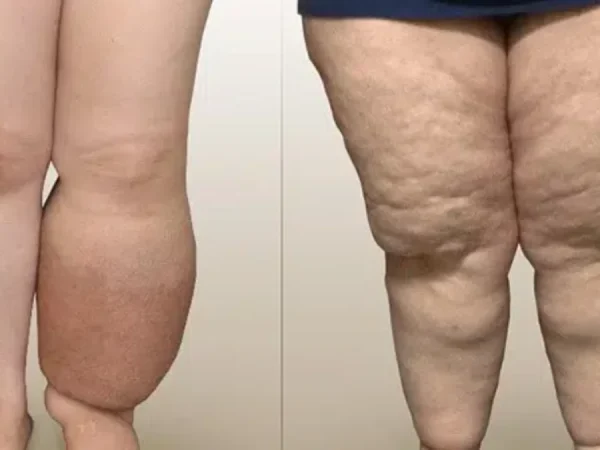
Lipedema is a chronic disorder characterized by the irregular accumulation of fat under the skin, most commonly in the legs and arms. This fat is denser and fibrotic in comparison to normal adipose tissue and leads to disproportionate limb enlargement. Most people live with these changes for years before receiving an accurate diagnosis because lipedema is frequently misdiagnosed as obesity or as lymphedema.
Early recognition matters; timely care can slow progression and improve daily functioning.
The Condition
Lipedema is a disease of subcutaneous fat that results in symmetrical, disproportionate limb enlargement. The difference is in the fat itself, not the consequence of eating too much and moving too little. Lifestyle alone doesn’t cause the disorder.
Patients frequently complain of pain, tenderness, and easy bruising in the affected areas, and the tissue can be firm or nodular due to fibrosis. Diets and cardio might help you lose weight overall, but they don’t necessarily shrink lipedema fat. Clinicians observe that mental health strain is prevalent.
Anxiety and depression can result after years of being misdiagnosed or frustrated after treatment failures.
The Stages
Stage I has smooth skin with enlarged subcutaneous fat and slight edema. Stage II adds an uneven skin surface, dimples, and harder nodules beneath the skin that suggest fibrosis. Stage III includes large lobular deformities, increased heaviness, and potential mobility concerns.
Stage IV, occasionally characterized when lymphedema is present, exhibits extreme swelling and obvious functional limitation. Every stage complicates both everyday life and managing symptoms.
It can be slowed with early, multi-pronged care that includes manual therapies, compression, weight management when appropriate, and surgical options in select cases. Dr. Herbst and colleagues propose that there may be lipedema subtypes which, if proven, could enable more personalized treatment directions.
|
Stage |
Key features |
Impact on function |
|---|---|---|
|
I |
Smooth skin, enlarged fat |
Mild mobility effect |
|
II |
Nodules, uneven surface |
More pain, harder to compress |
|
III |
Large lobules, fibrosis |
Difficulty with walking, dressing |
|
IV |
Lipo-lymphedema overlap |
Significant immobility risk |
The Symptoms
Characteristic symptoms are bilateral swelling, heaviness of limbs, chronic pain, and tenderness. Skin can become different textures over time, from softer to nodular or fibrotic. A useful distinguishing point is that swelling usually spares the feet and hands, which helps tell lipedema apart from lymphedema.
Symptoms usually exacerbate around hormonal changes like puberty, pregnancy, or menopause and may deteriorate with long periods of standing or inactivity. Obesity may exacerbate it, but it is not the source.
Diagnosis is harder when overweight or obesity is present, which is why many patients experience long diagnostic delays.
Your Lymphatic System
The lymphatic system maintains fluid balance, supports immunity, and clears waste from tissues. Healthy lymph flow prevents fluid buildup and swelling. Lymphatic vessels, nodes, and tiny capillaries serve as a network to transport lymph fluid. When this web is disturbed, swelling and inflammation ensue, and chronic issues like lymphedema can arise.
Its Function
Your lymphatic system gathers up excess fluid that leaks from blood capillaries and returns it to the bloodstream. Lymph, a transparent fluid (the term derives from Latin for “clear water”), transports proteins, salts, and immune cells into circulation. Lymph capillaries in tissues suck up the fluid.
Larger vessels transport that fluid through nodes where immune cells capture microbes and debris. This filtering facilitates immune protection by catching pathogens and triggering immune reactions. Lymph nodes are like checkpoints. When they sense something is amiss, they swell and dispatch white blood cells to take action.
Proper lymph drainage minimizes local toxin overload and infection risk, which keeps tissue healthier. Good lymph flow accelerates healing. Following injury or surgery, shifting lymph away from injured tissue reduces swelling and delivers immune backup. Manual lymphatic drainage, a slow rhythmic massage, pushes lymph through its channels.
Your lymphatic system, regular movement, physical therapy, and skin care keep the system working well. Lymphedema is lifelong but manageable with these supports, including MLD and targeted exercise.
Its Lipedema Link
Lipedema is a fat disorder that’s different from lymphedema but can disrupt lymph flow and cause secondary lymphedema. In lipedema, the abnormal fat deposits and tissue changes squeeze lymph capillaries and vessels. This compression leads to fluid retention and bulging swelling, frequently in the legs and hips.
In lipedema patients, compromised lymph vessels mean lymph moves slower and pools. Over time, that pooling exacerbates inflammation and can alter tissue composition. MLD can help lymph flow by promoting flow through alternate pathways and relieving local pressure.
MLD is delicately rhythmical, intended to move with the body’s own pathways rather than push fluid. Targeted lymphatic care matters: specialized MLD, compression garments, skin care, and guided exercise form a practical plan.
Even those who’ve had surgeries like mastectomies can get lymphedema and see improvements from comparable methods. One in 100,000 people has lymphedema, so it’s not common, but preparedness is important. Accurate diagnosis is critical, as lipedema and lymphedema require different long-term care and tissue-preserving strategies.
Core Recovery Benefits
Our targeted lymphatic drainage massage supports lipedema recovery by increasing lymph flow, reducing tissue pressure, and relieving debilitating symptoms. As a non-invasive complement to treatment, it decreases inflammation, supports tissue repair, and makes patients more comfortable as they recover.
These subtopics explain why the therapy is effective and why consistent sessions are important for pain, swelling, mobility, skin, and emotional health.
1. Pain Reduction
Though gentle lymphatic techniques reduce tissue pressure and diminish local inflammation, they alleviate the aching and tenderness associated with lipedema. Avoiding deep, forceful work, this method employs slow, light strokes that displace fluid and soothe nerve endings instead of irritating them.
Many patients experience more defined, quantifiable pain reductions following regular treatments, particularly if they monitor pre- and post-session scores to observe patterns. For athletes and active individuals, inflammation management with lymphatic massage accelerates recovery from microtrauma, mitigates soreness, and can reduce the downtime between training.
2. Swelling Management
Lymphatic massage pushes excess lymph out of the swollen areas and towards the new, working lymph nodes so puffiness and heaviness in the limbs decreases. It controls both lipedema’s chronic swelling and post-liposuction or post-operative edema, supporting tissue healing and minimizing fibrosis in the 2 to 4 week recovery window.
Paired with compression garments or bandaging, massage optimizes fluid control and prolongs gains between sessions. The therapy limits residual fluid accumulation in diseases such as lymphedema, keeping patients more comfortable on a daily basis.
3. Mobility Improvement
Less swelling and less pain means more joint flexibility and motion. These sessions, on a regular basis, make standing, walking, and daily activities easier and minimize the stiffness that restricts independence.
Enhanced leg strength aids balance and stamina, which count for professional, travel, and personal activities. Incorporating gentle movement, basic range-of-motion exercises or light walking, in addition to massage aids in collagen fiber alignment and encourages tissue realignment for more sustained mobility benefits.
4. Skin Health
Improved lymph circulation benefits skin texture, elasticity, and subcutaneous health. It can decrease skin adherence, facilitate nodule softening, and decrease tenderness, all of which are frequently evident on palpation and in perceived leg mobility.
Moisturizing and proper skincare additionally shield the skin barrier and minimize the threat of complications. By reducing inflammation and increasing collagen synthesis, lymphatic massage supports tissue remodeling and prevents scar tissue accumulation.
5. Emotional Well-being
Therapeutic touch soothes your nervous system, reduces stress, and can enhance sleep; all are helpful for recovery and daily concentration. Decreased pain and swelling increase morale and confidence, and consistent self-care routines provide emotional sustenance.
Core Recovery Benefits: Building a wellness toolkit that includes massage, exercise, and rest helps patients return to activity with clearer thinking and steadier energy.
The Gentle Technique
Manual lymphatic drainage (MLD) is a specialized, gentle massage technique designed to move lymph fluid more efficiently through the body. It uses light, rhythmic strokes to stimulate lymph flow without pain, differing markedly from deep tissue or traditional massage. Proper technique is essential to get safe, reliable results.
When done correctly, MLD can reduce painful swelling common in lipedema, offer analgesic effects, and improve tissue structure and perceived leg function.
The Method
-
Prime your client and space. Start with a silent room and clean, supported skin. Lay the client out either supine or semi-reclined to relax muscles and decrease venous pressure.
-
Begin at proximal lymph nodes. Unclog the primary drainage centers in the neck and groin initially to establish a receptive route. This drains incoming fluid into central collectors.
-
Work distally toward the nodes. Make slow, rhythmic strokes from the limbs toward the trunk, always with natural lymph flow. Continue each stroke a few times until the skin softens.
-
Apply targeted MLD strokes. Popular techniques are stationary circles, pump strokes, and scoops with the flat of the hand or your fingers. Each of them targets the superficial lymph capillaries and pre-collectors.
-
Order and timing. We work in sessions of 30 to 60 minutes based on need. Take your time in congested areas, like the thighs in lipedema, and continue to check on tissue softness throughout.
-
Conclude with evaluation and counsel. Test for diminished tension and give patients easy self-care moves and pictures for home care.
The Pressure
Just light, skin-stretching pressure is employed so that lymphatic capillaries will not be damaged. Pulling gently on the skin, not pushing against deeper tissue, distends superficial vessels and shifts fluid.
Stay away from deep pressure, knuckle pushes, or forceful thumbs. These only exacerbate swelling and pain. Soft lobster claw contact minimizes bruising potential and encourages the treatment’s pain-blocking mechanisms.
Therapists should request input continuously, monitor face and skin receptivity, and reduce pressure immediately if discomfort or pain occurs.
The Direction
All strokes direct lymph flow toward large lymph nodes to support natural drainage. Reroute fluid from distal locations, such as the feet, lower legs, and outer thighs, to proximal collectors like the inguinal nodes.
Appropriate guidance promotes decreased fluid accumulation, decreased tissue pressure, and decreased pain and discomfort. By introducing diagrams or uncomplicated color-coded guides, patients are guided to master at-home routines for daily care.
Research reveals that subcutaneous massage, given over a few weeks, can actually help improve tissue structure, decrease volume, and benefit leg function in women with lipedema, encouraging continued, appropriately directed practice.
A Holistic Approach
The holistic approach treats the person—physical, emotional, and often spiritual—rather than the manifest symptoms of lipedema alone. This perspective undergirds the integration of manual lymphatic drainage massage with other conservative care to enhance long-term outcomes and quality of life.
Here are practical, research-backed methods of creating a multi-faceted regimen that combines massage with nutrition, exercise, compression, and pampering.
Diet Synergy
Pursue an anti-inflammatory diet to assist lymphatic health and minimize tissue strain. Log any foods that appear to exacerbate your inflammation or pain. Common culprits are high-sodium processed foods, refined sugars, and certain dairy or gluten for sensitive patients.
Maintain a straightforward food diary for several weeks to identify trends.
-
Leafy greens (spinach, kale)
-
Fatty fish rich in omega-3s (salmon, mackerel)
-
Nuts and seeds (walnuts, chia)
-
Colorful vegetables (bell peppers, beets)
-
Berries (blueberries, strawberries)
-
Whole grains (oats, quinoa)
-
Lean proteins (lentils, chicken breast)
-
Sources of vitamin C (oranges, kiwi)
Support tissue repair and reduce inflammation with these foods. When possible, consult a dietician for individualized intake to maintain weight and nutrient needs. Think small, sustainable changes instead of strict rules.
Movement Pairing
Consistent low-impact exercise aids in lymphatic movement, maintains joint mobility and decreases pain. Combine massage with walking, swimming or light stretching to prolong benefits and prevent fluid pooling.
Water exercise is particularly useful as buoyancy decreases load on the joints and provides external compression that supports lymphatic flow.
Start with a sample routine: 10 minutes of gentle range-of-motion warm-up, 20 minutes of brisk walking or pool laps, 10 minutes of targeted calf and hip stretches, and 5 minutes of diaphragmatic breathing to stimulate central lymph flow.
Take it easy and pay attention to pain and fatigue. Activity helps because muscle contractions serve as a pump, preventing fluid accumulation. Regularity beats intensity. A little bit every day usually trumps the occasional, all out, sweat drenched, inhalant infused workout.
Compression Use
Medical-grade compression promotes lymph flow and maintains gains between massage sessions. When used properly, compression supports tissue, diminishes pain, and restricts reabsorption of fluid.
Here’s a decent garment type comparison.
|
Garment Type |
Typical Use |
Compression Level |
Notes |
|---|---|---|---|
|
Knee-high stockings |
Mild leg swelling |
15–20 mmHg |
Good for early-stage support |
|
Thigh-high or full stockings |
More extensive limb involvement |
20–40 mmHg |
Requires correct fit by professional |
|
Custom-fitted garments |
Severe or irregular shape |
Variable, prescribed |
Best symptom control, costly |
|
Wrap systems |
Adjustable compression |
Low–high |
Useful for day changes or after exercise |
Combine compression with massage. Apply garments after sessions to lock in reduced swelling and protect skin.
Self-Care Rituals
Daily self-massage, skin care and stress management make professional care last longer. Use soft upward strokes and light pressure, not painful friction. Keep skin hydrated with non-aggravating, fragrance-free moisturizers and prevent tears.
Rest, deep breath and sleep, as stress and exhaustion can exacerbate symptoms.
Checklist:
-
Daily 5–10 minute self-lymph massage focused on limbs
-
Twice-daily skin moisturizing and inspection for breaks
-
Short movement breaks every 2 hours activate the calf pump.
-
Track your symptoms and garment use weekly to share with your clinician.
Your Treatment Plan
A well-defined treatment plan establishes objectives, approaches, and a follow-up on progress. For lipedema recovery, plans often consist of MLD as part of a comprehensive CDT plan. CDT decreases edema, relieves pain, and preserves range of motion. This plan needs to be customized to symptoms, history, and lifestyle, and it must evolve as the patient evolves.
When to Start
Start MLD as soon as you notice swelling, pain, or heaviness. Early treatment can lag progression and relieve symptoms earlier. Post-Op: begin as early as the surgeon and therapist agree to help reduce post-operative swelling.
Early MLD often reduces recovery time and decreases the risk of complications. Look for late signs — significant nodularity, recurrent bruising, or significant limb contour change — which increase urgency. If trunk or root swelling emerges, MLD can assist in rerouting fluid and providing relief even in the absence of other options.
Session Frequency
The first phase usually requires one to two times per week. Frequency is dictated by symptom load, response to therapy, and lifestyle demands. As the swelling falls and the symptoms improve, move to maintenance visits to preserve gains.
Long-term consistency matters. Ongoing care prevents rebound swelling and keeps mobility better.
|
Treatment Phase |
Typical Frequency |
Factors that Change Frequency |
|---|---|---|
|
Phase I (intensive) |
1–2× per week |
severity, recent surgery, wound healing |
|
Transition |
weekly to biweekly |
rate of improvement, compression use |
|
Phase II (maintenance) |
monthly or as needed |
activity level, compression adherence |
Tweak frequency when pain recurs, daily function declines, or seasonal weight or fluid shifts. Record changes and discuss with the therapist every four to eight weeks.
Finding a Therapist
Locate a therapist certified in MLD and experienced with lipedema and lymphedema. Search for CDT-certified lymphedema therapists or practitioners who have lipedema listed on their profiles.
Ask about specific training in the four MLD strokes: stationary circles, scoop, pump, and rotary. These strokes work to stimulate lymph node activity and redirect congested fluid by performing light, rhythmic strokes.
Check credentials and, if you can, request patient references. Put together a brief list of local therapists and lipedema centers by browsing professional directories or patient support groups.
See your therapist about incorporating compression bandaging, fitted compression stockings, remedial exercises, diaphragmatic breathing, and self-care education. CDT typically works in two phases.
Phase I combines MLD, compression bandages, exercises, and skin care education. Phase II focuses on MLD, fitted compression, and limb mobilization. Track measurements, symptoms, and notes from each session to inform tweaks.
Conclusion
Lymphatic drainage massage reduces swelling, decreases pain and accelerates soft tissue repair in patients with lipedema. Light sweeps mobilize fluid, increase circulation, and soften hardened skin. Combine the massage with compression, mild exercise and a clean diet for maximum benefits. Measure progress with easy journaling, photos, and limb measurements. Go to a trained therapist who knows lipedema and can tune pressure and timing to your needs. Experiment with a brief course of sessions, then maintain a home routine of gentle massage and exercise. Little consistent steps accumulate. If pain or swelling increases, see a clinician. Book a consult or first session to find out how lymphatic drainage complements your recovery.
Frequently Asked Questions
What is lymphatic drainage massage and how does it help lipedema?
Lymphatic drainage massage is a light, rhythmic type of massage that promotes lymph movement. It eliminates swelling, relieves pain, and promotes tissue health, assisting in the treatment of lipedema symptoms and enhancing comfort and mobility.
Is lymphatic drainage massage safe for all stages of lipedema?
Yes, when done by a trained therapist, it is safe across stages of disease severity and individual needs. Techniques and frequency adjust accordingly. Of course, always check with your medical team first.
How often should I get lymphatic drainage massage for best results?
Most begin with one to three times a week for a few weeks, then taper to maintenance. A bespoke program from a qualified therapist provides the optimal, enduring results.
Can lymphatic drainage massage reduce fat in lipedema?
Massage facilitates fluid mobilization and edema reduction. It does not eliminate lipedema fat. Optimal results are achieved by pairing massage with compression, exercise, and medical attention.
Will lymphatic drainage massage be painful?
No. This technique is very gentle and should feel soft and soothing. If you experience pain or additional bruising, discontinue and consult your therapist or clinician.
Do I need compression garments after massage?
Yes. Compression garments after procedures help to keep the swelling down and support lymph flow after sessions. Your therapist can suggest the appropriate type and fit.
Can lymphatic drainage massage be done at home?
Certain types of gentle self-massage are safe and beneficial. Train with a licensed therapist to learn the proper strokes and prevent damage.