
Key Takeaways
-
Lipedema is a chronic disorder of abnormal fat of the lower body that resists diet and exercise and often affects lymphatic function. Thus, diagnosis and staging are necessary before surgery.
-
Liposuction can minimize painful, disproportionate fat and enhance quality of life but remains an invasive procedure with general anesthesia, aesthetics, lymphatic, and long-term risks that must be carefully considered.
-
Preserving lymphatic tissue is crucial to prevent secondary lymphedema, so select surgeons trained in modified techniques like water-assisted or tumescent liposuction and pursue objective lymphatic testing before surgery.
-
Only certain patients are suitable candidates following a medical workup, imaging such as lymphoscintigraphy and review of comorbidities and reasonable expectations. This includes symptom relief, not cure.
-
Appropriate post-operative management with compression, manual lymph drainage, a slow return to activity, and psychological support enhances results and mitigates complications.
-
Consult clinical evidence, surgeon experience, and patient accounts when making treatment decisions. To support your care, verify lymphatic condition, find specialists with lipedema expertise, and anticipate long-term follow-up.
Liposuction risks for lipedema patients explained outlines frequent complications and safety concerns associated with surgical fat removal for a chronic fat disease.
Lipedema alters tissue architecture and fluid dynamics, which can increase infection, bruising, and healing complications post-liposuction. Patient health, surgeon experience, and technique choice impact outcomes.
Transparent evaluation, pragmatic hopes, and incremental interventions minimize damage. The body details particular risks, prevention measures, and recovery tips.
Understanding Lipedema
Lipedema is a long-term progressive condition characterized by an irregular accumulation of fat in the lower body, typically the hips, buttocks, thighs, and lower legs. It’s not just extra weight; the fat is pathologic, resistant to diet and exercise, and spares the feet. It’s a process of abnormal fat cell behavior and dysfunctional local metabolism that fuels disproportionate, typically symmetric fat growth.
The tissue itself becomes nodular and fibrotic. Lipedema often compromises lymphatic function, causing swelling, pain, and easy bruising. Diagnosing it accurately demands exclusion of other causes and familiarity with the condition’s natural history and characteristics.
The Condition
Lipedema manifests as symmetrical bilateral swelling with pathological fat deposits in the subcutaneous tissues. This change is frequently symmetrical and is more noticeable on the legs and hips. Although the majority of patients are women and estimates are as high as 11% of women may be affected, men can develop lipedema as well.
Numerous patients are initially treated as obesity or lymphedema and suffer delays in appropriate diagnosis. The impacted tissue tends to have firm nodules, an uneven texture of fat deposits, and elements of edema. Patients often complain of pain, tenderness, and easy bruising. Ninety-eight percent report bruising and transient burning.
Lipedema left untreated results in significant morbidity, decreased mobility, and decreased quality of life.
The Stages
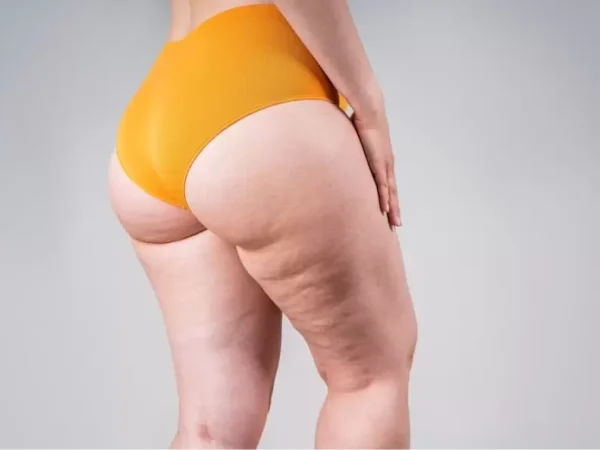
Lipedema has stages from mild soft tissue swelling to severe adipose deposits with skin and tissue changes. Initial stages may exhibit soft, ‘doughy’ fat lacking many surface changes. Later, it shows fibrotic, nodular tissue, skin dimpling, and obvious tissue sclerosis.
Clinicians employ clinical tests and imaging data to stage disease, such as observing clearance from the skin following local injection or measuring inguinal uptake correlation coefficients. Advanced stages increase the risk of true lymphoedema from lymphatic overload and insufficiency.
Identifying stage-specific symptoms is important for treatment planning, as the stage impacts surgical candidacy, anticipated results, and ongoing conservative management.
The Difference
Lipedema is distinct from lymphedema, vascular disease, and regular obesity in its distribution, symptoms, and response to treatment. Fat in lipedema is disproportionate and immune to conventional weight-loss strategies; dieting won’t dislodge the pathological fat.
Lipedema in its early stage typically does not cause pitting edema or affect the feet, which is different from lymphedema. Bruising easily and pain are more common in lipedema than in uncomplicated obesity.
Diagnosis is based on a combination of clinical history, physical exam, ruling out other causes, and often a history of failure to conservative treatment, including at least half a year of complex decongestive therapy in many individuals, with an average patient age of 40 to 45, ranging from 22 to 68.
Research demonstrates that interventions like liposuction can alleviate pain, bruising, and limb volume for years, enhancing mobility and quality of life.
Liposuction Realities
Liposuction is the most popularized method to get rid of abnormal fat in lipedema patients. It’s supposed to take away the hard fat, assist with lymphatic flow, and attenuate disease progression. It’s invasive and comes with the typical surgery-related risks. Techniques have to be customized to the disrupted tissue planes and delicate lymphatic network present in lipedema.
Realistic expectations are important: liposuction is not a cure-all and about 51% of patients still need conservative therapy afterward. The complete effects can take six to twelve months to appear and swelling frequently intensifies for months before receding.
1. General Risks
Infection, blood loss, swelling and bruising are standard surgical risks post-liposuction. These may be mild or severe and necessitate antibiotics, transfusion, or additional care. The patient can have negative consequences from anesthesia or from the tumescent solution used to reduce bleeding and pain, and these can require urgent treatment.
Healing can be slow in lipedema skin, with numbness or altered sensation lasting for weeks to months. Fat necrosis and seroma can occur and may manifest as hard nodules or areas. Fluid collections might require aspiration. Uneven fat extraction may result in contour abnormalities or asymmetry that needs a touch-up.
2. Lymphatic Risks
Lymphatic vessels, capillaries and collectors lie in proximity to the fat that’s removed in lipedema. Damage to these structures can disrupt lymphatic flow and cause secondary lymphedema or exacerbation of lymphostasis. High-volume or overly aggressive liposuction increases this risk as deeper tissue and more force are deployed.
Liposuction realities: Preserving lymphatic tissue is paramount. Lymph-sparing surgeons with expertise in microcannulas can reduce damage. Even with care, some patients develop chronic lymphatic issues necessitating lifelong compression and therapy.
3. Anesthesia Risks
Local anesthesia causes allergic reactions or only partial numbing, with some areas remaining painful during the course of the procedure. General anesthesia has breathing, heart, and clotting risks. We’ve seen rare but serious respiratory or cardiovascular events.
Extravasation of anesthetic into adjacent tissue can result in edema or temporary tissue irritations. The type of anesthesia is determined by patient health, previous reactions, and degree of surgery. Careful pre-op screening minimizes risk.
4. Aesthetic Risks
Uneven fat removal, skin irregularities, and asymmetry are common cosmetic complaints. There can be persistent swelling, skin discoloration, and scarring at the incisions that last months. Lumpy, hard nodules can form in the subcutaneous fat, which can feel painful or firm.
If you don’t take it all, you might need additional surgeries. Most patients say they can activate better, 62%, and have less pain, but have tissue regrow in places other than treated areas in 61% of women within six months.
5. Long-Term Risks
If lipedema is not completely controlled, the disease can advance despite surgery. Fat can return and symptoms can worsen over time. Chronic lymphatic disease or lymphedema can develop as long-term complications.
Maintenance, compression, physiotherapy, and lifestyle changes are still necessary, and three months is too short of a follow-up to judge results.
Patient Candidacy
Assessment begins with a focused medical evaluation and thorough patient history. This step clarifies disease stage, prior treatments, infections, and medications that affect healing. Quantitative tests of lymphatic function are essential before considering liposuction for lipedema.
Imaging and functional studies guide risk estimation and surgical planning. Reviewing operative guidelines and patient reviews helps identify surgeons trained in liposuction for lymphedema and shows real-world outcomes.
Diagnosis
-
Clinical exam with standardized staging of lipedema.
-
Ultrasound checks subcutaneous thickness and excludes DVT.
-
Quantitative lymphoscintigraphy to measure lymph flow and nodal uptake.
-
Indirect lymphography for structural detail of lymphatic channels.
-
Skin clearance measures and inguinal uptake post injection tests.
-
Histologic confirmation when needed to show abnormal adipocyte patterns.
Differentiating lipedema from obesity, lymphedema, chronic venous disease and lipohypertrophy is important. They end up mistagged, which results in inappropriate treatment selection and increased risk.
Inguinal uptake post tracer injection, combined with skin clearance, provides the hard data on lymphatic transit lag times. Verifying abnormal fat cells and fibrosis in subcutaneous tissue confirms lipedema diagnosis and can predict liposuction response.
Comorbidities
Typical comorbidities are obesity, metabolic syndrome, and peripheral vascular disease. All of these conditions alter perioperative risk and wound healing. Diabetes and smoking, for instance, slow recovery and increase infection risk.
Lymphatic disease or insufficiency raises worry because surgery can put stress on lymphatic channels. Patient candidacy is determined by quantitative lymphoscintigraphy and indirect lymphography, which identify patients with sufficient residual function to withstand liposuction safely.
Patients with major lymphatic failure may require staged or conservative approaches. Candidacy must take into account medication use, cardiac and pulmonary status, as well as previous cellulitis episodes.
A liposuction-trained surgeon for lymphedema should spearhead evaluation and liaise with a lymphatic therapist for pre- and post-management. This team approach minimizes complications and promotes lymphatic care in recovery.
Expectations
Make clear, realistic goals about fat extraction and symptom relief. Liposuction frequently decreases adipose bulk, may enhance mobility and often decreases pain, but it is not a cure.
Stage 1, 2, or 3 lipedema patients may be candidates. Reported case mixes indicate approximately 8.6 percent stage one, approximately 57.8 percent stage two, and approximately 33.6 percent stage three of treated groups.
Results are different by stage and method. Some patients get massive improvement, while others experience partial relief. Those who fail conservative therapy and have substantial adipose excess are the traditional candidates.
Expect coordinated care that includes pre-op therapy, surgical technique tailored to lymphatic preservation, and close post-op lymphatic therapy. Liposuction for lymphedema can reduce cellulitis rates, sometimes by as much as 75 to 87 percent, and boost quality of life when performed in appropriate patients by skilled teams.
Surgical Techniques
Liposuction for lipedema eliminates fat from affected limbs with the objective of sparing lymphatic vessels. The technique is commonly referred to as lymph-sparing liposuction. The choice of technique impacts the healing process, risk of complications, and the long-term change in limb circumference.
Choice is based on patient anatomy, lipedema stage, previous surgeries, and objectives. Multiple sessions are common because there are limits to how much fat can be safely removed in one surgery.
Water-Assisted
Water-assisted liposuction (WAL) utilizes a targeted, pressurized stream of fluid to dislodge fat cells with reduced mechanical pull. This jet of fluid helps dislodge fat and simultaneously flushes debris, which can mitigate the blunt force to subcutaneous lymphatics compared with purely mechanical methods.
According to reports and surgeon experience, WAL frequently results in less swelling and bruising and faster wound healing. That’s significant when 98% of patients encounter bruising and many want a swifter return to function.
WAL is perfectly adapted to extract the diseased fat nodules whilst sparing the delicate lymphatic mesh just beneath the skin. This makes it a favored choice in early and moderate lipedema.
However, it has limits. Large lymph trunks or advanced-stage tissue with fibrotic change may not respond as well, and WAL alone may not access deep deposits or areas with pronounced fibrosis.
For example, WAL can reduce thigh circumference by mean values similar to other methods when staged, but advanced-stage patients may need combined approaches.
Tumescent
Tumescent liposuction injects a dilute anesthetic and epinephrine solution into the fat planes to numb tissues and shrink blood vessels. This reduces bleeding and permits operations under tumescent anesthesia with discharge the same day.
The tumescent technique is popular in lipedema treatment, as it reduces the risk of lymphatic damage when performed carefully and promotes the goal of lymph-sparing.
Benefits include better fat extraction with less swelling and less post-operative pain. Meticulous fluid and sodium balance is needed because excess absorption can lead to fluid shifts and uncommon complications.
Surgeons need to track volumes and patient vitals, particularly if treating multiple areas or when staging sessions.
Power-Assisted
Power-assisted liposuction (PAL) features rotating or vibrating cannulas that help break up fat to make suction easier. It can accelerate fat removal and is ideal for high volume or fibrous tissue, which is helpful when dramatic circumference reduction is desired.
Patient research indicates average thigh reductions close to 8 cm and lower leg reductions approaching 4 cm post-treatment.
However, PAL carries an increased risk of causing nerve irritation or damage to lymphatic capillaries if not employed with caution and a lymph-sparing technique.
In an attempt to strike a balance between efficiency and tissue safety, many surgeons combine PAL with tumescent or WAL. Experienced surgeons trained in lipedema-specific protocols are essential in minimizing usual side effects like transient methemoglobinemia, bruising, and burning.
Beyond The Procedure
Liposuction for lipedema is just a single step in an extended treatment journey. Postoperative care, psychological support, lifestyle modification, and continued surveillance dictate if surgery provides a sustainable functional and aesthetic advantage. Lipedema impacts millions of women globally and is often misdiagnosed as obesity or lymphedema. Therefore, transparent post care and patient education are crucial.
Postoperative Care
Wound care, compression and infection surveillance remain the cornerstone of acute recovery. Keep dressings clean, change per clinic instructions, and monitor for redness, increasing pain or fever. Compressive garments are worn during all waking hours in early recovery to manage edema and contour tissues.
Patients are frequently advised to keep limbs elevated when nonambulatory to assist lymphatic flow. Manual lymph drainage is often advised immediately post operatively to encourage lymphatic outflow and minimize residual edema. This is a trained technique and should be administered by certified therapists.
Monitor recovery with routine clinic visits and patient diaries recording pain, swelling, and movement. A documented post-op 3 month follow-up demonstrating satisfaction cosmetically and functionally is a good benchmark. These can dramatically change in subsequent months.
Step through activities gently to avoid backslide and push back lifting and intense training as much as possible to prevent additional bleeding or tissue strain. If complications rear their ugly head, call your surgical team immediately.
Psychological Impact
Living with lipedema can be emotionally taxing from chronic pain, body changes and misdiagnosis. Surgery can boost self-esteem and body image for many, providing both cosmetic and functional benefit. Expectations have to be reasonable.
Others are disappointed that results sometimes take months to evolve or that residual symptoms linger. There is relief when mobility and pain abate, but ambivalence is typical. Counseling and peer support not only reduce isolation, they help with expectations management.
Support groups, local or online, provide practical advice and emotional support. Specialized mental-health support can help with coping strategies before and after surgery and should be provided as part of holistic care.
Lifestyle Integration
-
Continue conservative measures: exercise, lymphatic massage, and compressive garments after healing.
-
Introduce low-impact activities like swimming and walking to encourage lymph flow.
-
Keep your weight and diet in check to lower joint load and inflammation.
-
Go for regular medical check-ups to ensure there are not any return or new issues.
-
Learn self-care techniques for skin and limb observation.
Frequent compression promotes lymphatic drainage in the long run. Mobility and connective-tissue care in physical therapy supports function. Because there isn’t a therapy that targets lipedema’s cause yet, surgical and conservative care in combination is still the pragmatic route.
Evaluating Evidence
Evaluating evidence means judging the quality and relevance of studies so clinicians and patients can make clear choices about liposuction for lipedema. The literature varies in size, follow-up, and methods, so a careful look at study design, patient mix, and outcome measures is needed before drawing conclusions.
Clinical Studies
|
Study/Series |
Patients (mean age) |
Follow-up (months) |
Key findings |
|---|---|---|---|
|
Multicenter cohort |
120 (38.8 y) |
90 (56–130) |
Mean leg volume −6.9% at 6 months; |
|
66.7% reduced CDT scores |
|
|
|
| Candidate series | 45 | 60 | Lymphoscintigraphy is normal in the majority and has a low significant complication rate | Comparative trial | 70 | 48 | Tumescent versus water-assisted provides similar pain relief and shows different bruising patterns |
Numerous studies mention preservation of lymphatic function on imaging and low major complication rates. Lymphoscintigraphy and inguinal tracer uptake measurements are used to identify changes in flow. Most series demonstrate no progressive worsening.
Complication data emphasize transient events: bruising in roughly 98% and temporary burning sensations in about 82% of patients across cohorts. Infection, deep venous thrombosis, or major lymphatic injury rates are low but variably reported.
When compared to traditional tumescent liposuction, new assisted methods (water-assisted and power-assisted, PAL) demonstrate equivalent pain and volume improvements. There are techniques that claim gentler tissue handling and less trauma to lymphatics. There is limited randomized evidence, so they rely on small series and what the surgeons say.
Patient Outcomes
|
Outcome domain |
Short-term (≤6 months) |
Long-term (>1 year) |
|---|---|---|
|
Pain scores |
Marked reduction; spontaneous pain decreased significantly |
Sustained reductions in many cohorts |
|
Volume change |
Mean −6.9% at 6 months |
Variable; some maintain, others see partial recurrence |
| Quality of life | Quick progress in sitting up, crawling, and feeding themselves | Many experience permanent benefits but require maintenance |
Outcome varies based on disease stage, BMI, comorbidities (80% had at least one in a cited study), surgical approach and surgeon expertise.
Examples: A stage II patient with a skilled surgeon may recover fully and return to exercise. Another with high BMI and limited follow-up may have persistent lymphatic insufficiency and need continued compression therapy. Complete recovery cases are not uncommon in younger patients, with chronic lymphatic sequestration less common and most often associated with underlying lymphedema.
Expert Consensus
Top surgeons and specialty societies advocate for personalized evaluation, preoperative imaging as appropriate, staged procedures for high-volume cases, and utilizing techniques that reduce blunt trauma to lymphatics.
Post-op protocols emphasize compression, early mobilization, and close follow-up. There’s general consensus that the selection of technique should align with disease stage and patient objectives.
Controversies encompass the safety of high-volume liposuction and long-term protocol for maintenance care, with more high-quality trials required. Urge clinicians and patients to consider study designs, follow-up length, and patient mix when weighing options.
Conclusion
Lipedema care requires factual clarity and composed decision making. For some patients, liposuction can reduce pain, alleviate immobility, and reduce limb circumference. It brings risks: nerve harm, fluid build-up, scarring, and uneven contours. Surgeons with lipedema encounter fewer of those risks. Ideal candidates have stable weight, reasonable expectations, and attempt conservative treatments first. Water-jet and tumescent techniques minimize tissue trauma and hasten recovery beyond older suction devices. Long-term success relies on aftercare, compression, and gentle movement. Science reveals benefits but also long-term data and standard methodology voids.
If you want next steps, request a consult with a surgeon who treats lipedema frequently, bring photos and symptom notes, and cover probable results and recuperation timelines.
Frequently Asked Questions
What are the main risks of liposuction for lipedema patients?
Liposuction risks include infection, bleeding, nerve damage, uneven contours, and fluid imbalance. Lipedema patients can face extended swelling and unpredictable symptom relief. Select a seasoned surgeon to mitigate these dangers.
Can liposuction make lipedema worse?
If done properly, liposuction generally enhances pain and movement. Bad technique or working on the wrong tissue can aggravate symptoms or cause irregularities. The correct patient and the experience of the surgeon reduce this risk.
Is tumescent or water-assisted liposuction safer for lipedema?
Tumescent and water-assisted techniques minimize blood loss and tissue trauma relative to traditional methods. Studies show they are safer and work better for lipedema, particularly when done by lymph-sparing specialists.
How long is recovery and what complications should I watch for?
Normal recovery is weeks to months. Be alert to worsening pain, redness, fever, excessive bleeding, or numbness. Persistent swelling, skin changes, or lymphatic complications require immediate medical attention.
Who is a good candidate for liposuction for lipedema?
Ideal candidates have a definitive lipedema diagnosis, stable weight, realistic expectations and failure of conservative management (compression, physiotherapy). They must be medically fit and appreciate potential risks and ongoing care.
Does liposuction stop lipedema progression?
While liposuction can reduce volume and pain and improve function, it’s not a guarantee that future progression will not occur. Continuous compression, physical therapy, and lifestyle measures assist in preserving results.
How do I choose a qualified surgeon for lipedema liposuction?
Choose a surgeon with lipedema-specific experience, lymph-sparing training, and proven patient results. Check for board certification, before and after photos, and peer-reviewed publications or patient reviews. Inquire about complication rates and post-operative care.