
Key Takeaways
-
Lipedema is a poorly understood chronic condition characterized by abnormal fat accumulation, predominantly in the lower body, which differs from obesity and impacts up to 11% of women worldwide.
-
Unlike obesity, lipedema fat doesn’t respond to traditional weight loss techniques. It often presents with pain, tenderness, and changes in tissue stiffness.
-
Early recognition of distinct symptoms, including disproportionate lower body fat and unaffected feet and hands, is key to proper diagnosis and management.
-
Diagnosis involves a combination of physical assessments, specific tests, and imaging to distinguish lipedema from other conditions.
-
Management necessitates a tailored approach that includes conservative treatments, lifestyle modifications, and sometimes surgical procedures to enhance quality of life.
-
Continued emotional support and medical follow-up are needed to assist patients in dealing with the physical and mental toll of lipedema.
Lipedema is a chronic health disorder that causes fat deposition in the legs, hips, and sometimes arms, often leading to pain and swelling. Unlike obesity, lipedema is not caused by overeating or a sedentary lifestyle, and lipedema fat doesn’t disappear with weight loss.
Lipedema mostly affects women and is frequently mistaken for weight gain. The main body will explore both conditions and their differences.
Understanding Lipedema
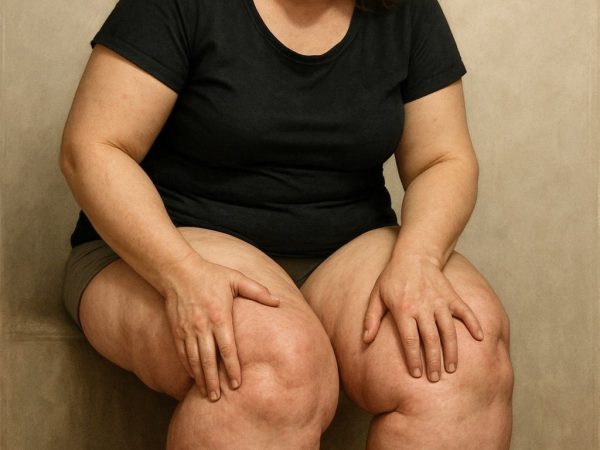
Lipedema is a long-term disorder characterized by the irregular accumulation of fat, primarily in the lower body. Mostly appearing in women, it can alter body appearance, lead to disability, or increase diabetes risk. Unlike general fat disorders or obesity, lipedema fat is resistant to elimination through diet or exercise.
This resistant fat primarily accumulates around the hips, thighs, and legs, and seldom involves the hands or feet. This is why individuals frequently mistake lipedema for lifestyle-related obesity, frustrating both patients and doctors alike. No matter what they do, many cannot lose the fat. This distinguishes lipedema from garden variety obesity.
Lipedema is far more common than most believe. Research indicates that as many as 11% of women globally and more than 16 million in the US alone could have lipedema and be unaware of it. Though men can develop it, the majority of cases are in women, leading some scientists to suspect hormones could be involved in its origin.
The cause remains unclear. A few European studies indicate the protruding fat cells grow much larger than normal, but more research is required.
There are five primary types of lipedema, determined by where fat deposits the most. Certain types affect only the hips, others the thighs, and some can extend down to the ankles. This disproportionate accumulation causes body shape changes and can increasingly complicate even easy tasks.
The fat can be soft and spongy to the touch and can bruise easily. This swelling tends to become worse after standing for extended lengths of time.
Pain is prevalent with lipedema. A lot of lipedema patients say their legs feel heavy, sore, or sensitive to touch. Swelling is typical and may become more severe as the day progresses.
Lipedema can sometimes progress to lymphedema, or swelling due to fluid accumulation when the lymphatic system functions improperly. Not all lipedema patients develop lymphedema. In extreme cases, lipedema can severely disrupt movement and sensation, resulting in disability.
Key Distinctions
Lipedema is a chronic adipose fat disorder that differs from obesity with its resistant fat deposits. These fat cells don’t shrink from diet or exercise, which is why the two conditions are frequently mistaken for each other. Lipedema can give a remarkably high BMI, frequently above 35, but its root cause is distinct from weight gain. Identifying these distinctions is crucial to obtaining the correct diagnosis and initiating the appropriate treatment.
1. Fat Distribution
Lipedema primarily focuses on the lower body, including the hips, thighs, buttocks, and sometimes the upper limbs. It gives the body a bottom-heavy appearance, whereas obesity distributes fat more evenly on the body, including on the abdomen and upper body.
This lopsided appearance regularly causes lipedema sufferers to feel embarrassed or exasperated, particularly when their upper body remains slender while their legs become several sizes bigger. Recognizing these body changes sooner can aid people in realizing whether their fat gain is normal or an indicator of lipedema.
2. Tissue Texture
Lipedema fat has a different feel than regular fat. It can be soft, spongey, and occasionally like little nodules beneath the skin. Skin can become bumpy or dimpled over time; that does not happen with good fat.
As lipedema advances, loose or sagging skin can develop. Monitoring for these changes can assist individuals and clinicians in identifying lipedema early.
3. Pain Sensation
Tingling is a hallmark of lipedema. The impacted areas typically ache when pressed or following extended periods of standing. Most people will say their legs are tender, sore, or swollen, which is not typical with obesity.
Chronic pain impacts mood, mobility, and daily life. If you have persistent leg or arm pain, speak with a lipedema-savvy physician.
4. Lifestyle Response
Unlike standard obesity, lipedema doesn’t respond to diets or exercise. They attempt weight loss and yet notice very little difference in their bottom half.
It can be useful to emphasize mild exercises, such as swimming or walking, to alleviate pain and maintain mobility. While diet might not reduce lipedema fat, eating well fuels your body and controls other risk factors.
5. Feet and Hands
Feet and hands are typically spared in lipedema, which aids physicians in differentiating it from other fat disorders or edema conditions. The legs or arms can appear much larger than the feet or hands, establishing a defined size difference.
Recognizing this distinction is important in diagnosis and can result in quicker, more precise treatment. Monitoring for changes in the size or shape of hands and feet can assist in detecting lipedema earlier.
Underlying Mechanisms
Lipedema is a poorly understood chronic fat disorder that has been confused with obesity. The underlying cause of lipedema remains a mystery, so physicians do not have a straightforward way to treat it. Recent research suggests that genetic and hormonal factors may heavily influence how and why lipedema initiates and progresses.
The majority of lipedema patients are female, and the disease commonly manifests or exacerbates during hormonal fluctuations like puberty or menopause. This has caused specialists to suspect that female hormones, such as estrogen, could contribute to the initiation or acceleration of lipedema, but there is not yet one single piece of evidence to explain it all. Family history is common, so genes are probably involved. We often find multiple women in a single family with these symptoms, suggesting a hereditary connection.
Other researchers in Europe and elsewhere have proposed that lipedema occurs because fat cells in specific areas, typically the legs and occasionally the arms, undergo hypertrophy, or an abnormal increase in cell size. These giant fat cells are not distributed evenly but accumulate in clusters.
A big piece of the puzzle is the accumulation of hyaluronic acid, a sugar-based molecule composed of long chains of sugars. Hyaluronic acid retains water and forms a gel-like mantle around fat cells. This geloid stratum displaces the adipocytes from blood vessels, which inhibits fat metabolism and resorption from these adipocytes. The fat lobules, or small sections of fat, also bloat and become more anchored in this viscous environment, causing the tissue to feel different than typical fat.
Lipedema isn’t vanity or fluff. This accumulated fat is anything but benign, causing discomfort, inflammation, and mobility issues. Lipedema is referred to as a ‘pre-lymphedema’ condition. This implies lipedema patients can be susceptible to developing lymphedema, which occurs when lymph fluid pools in the hands or feet due to the lymphatic system’s inability to clear it.
With lipedema, the lymph system’s pumping of fluid can be slowed, but it doesn’t fully stop. Not all lipedema patients will progress to develop lymphedema. We have a long way to go on lipedema. Research throughout the world is trying to discover what is really behind it and how to treat it best.
The Diagnostic Journey
Diagnosing lipedema is frequently not straightforward, particularly when obesity coexists. Lipedema is a chronic fat disorder that primarily affects women and is frequently misdiagnosed as obesity, but the two have obvious distinctions. Obesity is weighed with height and weight to obtain a body mass index (BMI) score.
Lipedema is a clinical diagnosis. That’s why physicians have to consider symptoms, familial background, and body trends, not just statistics. Most people get labeled as having obesity first before doctors see the signs of lipedema.
A checklist helps guide the steps for diagnosing lipedema:
-
Take the person’s history and family history of similar symptoms.
-
Pay attention to your age and any hormonal shifts, like puberty, pregnancy, or menopause, which could have initiated or worsened symptoms.
-
Physical exam for fat distribution—lipedema usually involves both legs and occasionally arms, but not the hands or feet.
-
Query for pain, tenderness, swelling, or easy bruising, which are frequent in lipedema and absent in uncomplicated obesity.
-
Perform the Stemmer sign by attempting to pinch the skin at the base of the second toe or finger. If you can pick up a fold of skin, the Stemmer sign is negative, which supports lipedema rather than lymphedema.
-
Inquire regarding previous attempts at weight loss and if fat in the involved areas shifted. Lipedema fat frequently won’t budge even if you slim down anywhere else.
-
Think about imaging exams such as ultrasound or MRI to see the architecture of the fat and exclude other causes.
Imaging tests, like MRI and ultrasound, can reveal the varying composition of tissues. They assist in determining whether the swelling is from fat or fluid or something else. These tools don’t diagnose lipedema by themselves, but they provide more granularity and detect changes that support a clinical diagnosis.
Correct diagnosis is the cornerstone of quality care. Lipedema and obesity require distinct treatment paths. Obesity improves with lifestyle modifications and weight loss, whereas lipedema requires management of pain, edema, and skin integrity.
Lipedema primarily impacts women, affecting an estimated 7–11% of women in the West. Knowing what to look for can get a lot of people into the proper treatment. Without a clear diagnosis, the patient and care team are left guessing the best steps forward, while falling into frustration and failed weight loss attempts.
Effective Management
Lipedema management concentrates on symptom relief, progression reduction, and quality of life enhancement. There is no cure, but a powerful therapy can make life more livable. Each individual’s management plan should be tailored to his or her own needs, as symptoms and triggers can vary. Success comes from continuous check-ins and adjustments.
Lipedema treatment consists of a combination of conservative measures and, if necessary, surgery. These choices address swelling, discomfort, and range of motion. Conservative measures are generally attempted initially. If symptoms remain severe, surgery could be considered.
Proper control assists with organ function, self-esteem, and everyday ease. Tailoring treatment to age, health, and severity can increase quality of life. They’ve got to be individualized for each individual. Factors like age, build, health conditions, and specific objectives are all relevant. Others might require additional assistance or alternative treatments.
These check-ins help identify any changes in symptoms or side effects. Keeping the plan updated ensures it continues to work well and suits new needs.
Conservative Therapies
-
Compression therapy: Wearing medical-grade compression stockings helps move fluid, ease pain and control swelling.
-
Manual lymphatic drainage (MLD) is a type of gentle massage that helps move excess fluid out of the affected areas.
-
Physical therapy: Targeted exercises can improve strength, mobility and balance.
-
Skin care: Regular cleaning and moisturizing help reduce infection risks.
-
Dietary changes: Many benefit from a low-calorie, anti-inflammatory diet. The famed Mediterranean diet, loaded with vegetables, fruits, whole grains, and healthy fats, can help control this type of low-grade fat tissue inflammation associated with lipedema.
These treatments combine to reduce inflammation, increase mobility, and decrease pain. Compression and MLD both flush out trapped fluid, helping legs feel lighter. Activity maintains muscle strength and joint mobility. Dietary adjustments won’t necessarily cure lipedema, but they can help support your overall health and minimize flare-ups.
Unlike obesity, many women with lipedema do not demonstrate the same metabolic risks. For instance, insulin resistance and blood sugar fluctuations are far less prevalent in lipedema. In one study, only around 19% of lipedema patients had trouble with carbohydrate metabolism versus more than 43% of overweight or obese individuals.
Lipid profiles tend to be normal, and the risk of diabetes is very low at 2% even when BMI is in the obese range. Follow-ups on a regular basis allow your care team to monitor if the treatments are effective and adjust as necessary.
Surgical Options
|
Criteria for Surgery |
Expected Outcomes |
Surgical Options |
|---|---|---|
|
Severe pain not helped by other means; major limits on movement; frequent infections; poor response to conservative care |
Less swelling, better movement, less pain, improved daily life |
Liposuction (water-assisted, tumescent), excisional surgery |
Surgery is for those whose symptoms don’t improve with other treatments. Liposuction can reduce swelling and fat accumulation. Others might require excisional surgery to extract larger portions of tissue and enhance contour or function.
Consulting with a lipedema-aware doctor prior to electing surgery is important. They can balance the hazards, establish actual targets, and ensure that surgery is risk free.
Surgery should never be isolated. It works best in the context of a larger treatment plan, with therapy and lifestyle measures. Routine aftercare and follow-ups maintain results and reduce complications.
The Patient Experience
Living with lipedema is about more than the physical. Lipedema patients suffer from tender touch, heavy limbs and easy bruising. Most feel their bodies are somehow unbalanced, with fat accumulating in an atypical pattern of distribution not seen in obese patients.
These symptoms can begin or be exacerbated during hormonal changes such as puberty, pregnancy or menopause. For many, pain is not a little ache. It can be acute, piercing or chronic and ever-present, complicating everyday life. Studies reveal that nearly all patients experience hardness, approximately 82% have pain without contact, and almost 89% have pain with minor trauma.
These cues are impossible to overlook and tend to aggravate. The emotional stress is just as real as the symptoms. A lot of people are dismissed or told to simply lose weight, even by health professionals. Misdiagnosis is rampant, with many patients waiting decades before anyone would call it.
This lengthy quest for answers can leave individuals feeling isolated, judged, and embarrassed. Quality of life scores are lower for lipedema patients. On a scale from 0 to 100, best to worst, most fall under 60, with some well-being as low as 35. This informs us that the effect extends past aesthetics and into how patients feel every day, physically and mentally.
Charitable conversations and support from other folks who live with lipedema can do wonders. Whether it’s sharing stories, joining support groups, or speaking up about struggles, these actions help build trust and break down the stigma. When they discuss their real-life problems, like trouble finding clothes that fit, managing pain at work, or educating others on the disease, it benefits us all!
Self-care is really important. This is more than just physical care. It’s about the patient experience. Others turn to mindfulness, light movement, or therapy. Coping tools such as journaling, seeking movement in safe ways, or dedicating time for rest can help.
Simple adjustments such as pacing daily tasks or wearing soft, loose garments can enhance comfort and assist in pain management. If you have lipedema, you definitely need to listen with a very careful ear to this. If your pain intensifies or swelling shifts, it is wise to consult with a physician familiar with lipedema.
Some patients have regular lymph flow and others may be swollen from water retention. Seeing a specialist can help direct care and catch changes early.
Conclusion
Lipedema is distinct from obesity. It strikes women harder, manifests as pain and swelling in the legs and arms, and doesn’t improve with diet or increased activity. It’s frequently overlooked by doctors, which can make it difficult for sufferers to receive appropriate care. Clear signs and early checks reduce stress for those with it. Proper care provides less pain and a better life. Most discover hope with support and fresh information. To find out more or assist someone you know, consult a health professional or contact a lipedema organization. Early action and assistance means brighter days to come. Keep wondering, inquiring, and sharing.
Frequently Asked Questions
What is lipedema?
Lipedema is a long-term disorder characterized by the disproportionate accumulation of fat, typically affecting the legs and arms. It primarily impacts women and results in pain, swelling, and easy bruising.
How is lipedema different from obesity?
It impacts fat accumulation in localized regions of the body, commonly the legs and arms. Obesity is general body fat. Lipedema does not come from overeating and will not be resolved with diet or exercise.
What causes lipedema?
The etiology of lipedema remains unknown. Doctors think hormones and genetics may be factors. It typically begins or is exacerbated during puberty, pregnancy or menopause.
How is lipedema diagnosed?
Doctors diagnose lipedema via a physical exam, medical history, and exclusion of other disorders. No single test exists for lipedema.
Can lipedema be cured?
Lipedema cannot be cured. Management can control symptoms. Treatment options consist of compression therapy, exercise, and in some cases, surgery.
What are the main symptoms of lipedema?
Key symptoms are symmetrical swelling in the limbs (legs or arms), pain, easy bruising, and skin that has a soft or doughy feel. Feet and hands are typically spared.
Why is early diagnosis of lipedema important?
Early diagnosis prevents progression and severe symptoms. It enables better management, quality of life, and can reduce complication risks.