
Key Takeaways
-
A specific anti-inflammatory diet lowers systemic and local inflammation and can reduce pain, swelling, and progression of lipedema. Focus on antioxidant-rich vegetables, berries, omega-3s, and healthy fats.
-
Stabilizing blood sugar and insulin with low glycemic index foods, lean protein, and complex carbohydrates supports hormonal balance and can slow tissue growth.
-
Supporting lymphatic health with hydration, lower sodium intake, and anti-inflammatory nutrients helps reduce reversible edema and improves bilateral swelling.
-
Support gut health with fiber-rich veggies, fermented foods, and reduced ultra-processed foods to reduce systemic inflammation and promote immune balance.
-
Systematically eliminate inflammatory foods, like processed sugar, refined grains, and unhealthy fats, and replace them with whole-food alternatives in order to make it sustainable.
-
Pair diet with lifestyle measures like regular hydration, strategic meal timing, stress management, and focused supplementation such as omega-3s, vitamin D, magnesium, and probiotics for a holistic approach.
This is my version of a diet for lipedema inflammation — an approach to eating that strives to calm the swelling and pain associated with lipedema.
It focuses on whole foods, low refined carbs, healthy fats, and consistent protein to promote weight equilibrium and tissue wellness.
Typical picks are leafy greens, oily fish, nuts, and restricted added sugars.
The upcoming sections cover scientific evidence, provide practical meal inspiration, and offer advice for customizing plans to your everyday life.
Lipedema and Inflammation
Lipedema is a chronic adipose tissue disorder characterized by abnormal fat accumulation, most commonly in the hips, thighs, and arms, and by persistent local inflammation that changes tissue function. The irregular buildup of fat cells in lipedema is associated with chronic immune activity in these regions. This immune activity manifests itself as elevated levels of inflammatory markers in tissue and blood, and it can result in pain, tenderness, and fragile skin.
This chronic inflammation eventually causes tissue fibrosis, nodules, and heaviness that restrict mobility and activities of daily living. Chronic inflammation in lipedema causes pain, swelling, and symptom progression, all of which reduce quality of life. Many patients present with chronic limb pain and swelling that exacerbates with time, and this can make day-to-day activities more difficult.
Inflammatory signaling appears to initiate fluid retention in the tissue and alters lymphatic and microvascular functions that worsen edema and pain. As lipedema progresses through its four stages, inflammation can escalate, and untreated advancement can lead to limited mobility and disability.
Inflammation in lipedema comes from genetics as well as lifestyle. Inherited risk is indicated by family histories. Diet, metabolic health, and body composition all influence inflammation levels. Too many simple carbs, bad sugars, and constant blood sugar spikes can promote systemic inflammation.
Metabolic gains, such as less insulin resistance, more stable blood sugar, and less central fat, are associated with decreased inflammatory markers. Research shows that immune cells in lipedema tissue act differently, but the specific triggers and causality are still being investigated and aren’t yet fully understood.
Controlling inflammation is key to lipedema management as reducing inflammation can decrease edema and tissue pain and may slow disease progression. Pragmatic strategies incorporate weight-stable approaches aimed at reducing systemic inflammation instead of hard calorie restriction.
While some research and patient anecdotes support low-carb, higher-fat diets for relieving pain and swelling, probably by stabilizing blood sugar and changing inflammatory mediators, think a Mediterranean-style low carb plan rich in veggies, olive oil, fatty fish, and nuts with limited refined grains or a keto plan used briefly and with supervision.
Leaves, berries, omega-3-rich oily fish, and polyphenols, all anti-inflammatory foods, may help. Just as important is sleep, stress management, very gentle movement, and addressing any concomitant metabolic issues. Additional research is required to delineate optimal dietary patterns and to verify which approaches best reduce tissue inflammation and improve long-term outcomes.
How Diet Helps
A targeted diet reduces inflammation and aids lipedema management. Diet changes how your fat tissue behaves, how your insulin is managed, and metabolic health in general. This impacts swelling and pain and ultimately disease progression. Food adjustment is a practical, non-invasive instrument that can complement medical and physical therapies and enhance everyday performance.
1. Reduces Inflammation
Prioritize foods with clear anti-inflammatory effects: oily fish (rich in EPA/DHA), extra-virgin olive oil, nuts, berries, leafy greens, turmeric, and ginger. These foods provide omega-3s and polyphenols that reduce cytokine activity in subcutaneous fat.
Studies have reported that both a low-fat and low-carbohydrate plan improve circulating fatty acid profiles and inflammation markers in lipedema patients. Eliminate or sharply reduce known pro-inflammatory items: processed meats, refined sugars, and industrial seed oils.
Cutting these out can decrease pain and reversible edema by diminishing systemic inflammatory tone. For instance, removing sugars and refined carbs commonly results in quantifiable declines in pain and improved quality of life scores in as little as weeks.
Embrace antioxidants and healthy-fat sources together. A Mediterranean-style plate of fish, veggies, whole grains, legumes, and olive oil delivers a steady anti-inflammatory punch, which has been shown to keep weight off and improve health when calories are managed at around 1500 to 1700 kcal.
Repeated decisions count. In the long run, anti-inflammatory eating can decrease the urgency for intensive interventions by tempering the rate at which symptoms worsen and minimizing everyday pain.
2. Balances Hormones
Choose foods that stabilize blood sugar: whole grains, legumes, non-starchy vegetables, and proteins. Stable glucose keeps insulin surges in check that not only drive fat storage but the hormonal imbalance associated with lipedema tissue growth.
Steer clear of high-glycemic products and refined sugars that cause swift insulin surges. Cutting back on bread, sweets, and sugary beverages manages insulin-induced adipose hypertrophy.
Add lean protein and healthy fats to keep you satiated and provide a steady release of hormones. Nuts, fish, poultry, and avocado lessen the need for simple carbs and may slow tissue growth.
When combined with holistic lifestyle change, balanced hormones can decelerate lipedema progression and diminish symptom severity over the course of months.
3. Supports Lymphatics
Hydrate regularly and favor foods that reduce fluid retention: fruits, vegetables, and herbs with mild diuretic effects such as parsley. Work with lymph flow through proper hydration and anti-inflammatory nutrients.
Limit sodium and processed foods to prevent lymphatic congestion. Excess salt causes swelling, and in limbs impacted by lymphedema, these features can be exacerbated.
A diet that supports lymph function controls bilateral swelling and increases ease of movement throughout the day.
4. Manages Insulin
A low-glycemic approach keeps insulin stable and reduces the risk of resistance. Cutting out refined carbs means less insulin and less fat storage.
Ketogenic or LCHF plans have produced notable weight loss in trials. One LCHF study found a weight loss of 4.5% at seven weeks and 4.0% at 13 weeks. A ketogenic diet with a calorie deficit of approximately 250 kcal also improved circumferences.
Whole foods and complex carbs go a long way in helping glycemic control and reducing your risk of lipogenesis.
5. Improves Gut Health
Load up on fiber-rich veggies and fermented foods to fuel microbiome diversity and reduce gut-driven inflammation. Steer clear of ultra-processed foods that wreck your gut lining and increase systemic inflammation.
Gut health impacts immune signaling. Improved gut barrier function can decrease inflammatory mediators associated with lipedema.
Anti-Inflammatory Foods
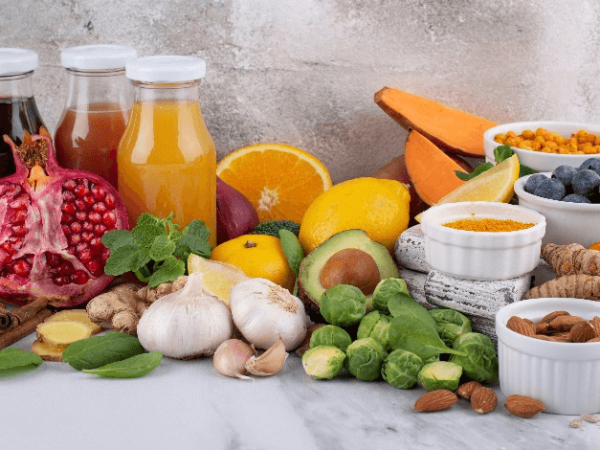
Anti-inflammatory foods provide antioxidants, omega-3s, fiber, and phytonutrients that may reduce the systemic inflammation present in lipedema. A lot of these foods fall into the Mediterranean-style pattern, which is rich in vegetables, fruits, whole grains, legumes, fish, nuts, and extra virgin olive oil. This pattern has been associated with decreased inflammatory markers. Here’s a targeted, nutrient-dense pick and thunk guide.
-
Fatty fish: salmon, sardines, mackerel
-
Seeds and nuts: chia, flaxseed, walnuts, almonds
-
Oils: extra virgin olive oil, avocado oil
-
Vegetables: spinach, kale, broccoli, Brussels sprouts, peppers
-
Berries and low-sugar fruits: blueberries, raspberries, strawberries
-
Whole grains and legumes: oats, quinoa, lentils, chickpeas, beans
-
Spices and flavorings: turmeric, ginger, garlic, black pepper
-
Fermented foods: yogurt, kefir, sauerkraut, kimchi (moderate)
-
Plant proteins: tofu, tempeh, edamame
Healthy Fats
Anti-Inflammatory Foods: Focus on omega-3s from salmon, sardines, chia, and flaxseed to regulate inflammatory signaling. Consistent servings, roughly two servings of fatty fish a week or daily servings of seeds, deliver EPA/DHA or ALA that promote cell signaling and could alleviate pain.
This means using extra virgin olive oil and avocado as primary culinary fats for salads and cooking. These fats transport polyphenols and monounsaturated fats that support skin and joint health and enhance lipid profiles.
Restrict omega-6 rich seed oils and steer clear of processed food trans fats. Excess omega-6 can tip the scale toward inflammation. Healthy fats promote fat metabolism and can potentially alleviate lipedema pain by modulating adipose tissue biology and hormone signaling.
Colorful Produce
Load up half your plate with colorful vegetables and low-sugar fruits to increase antioxidant intake and combat oxidative stress. Spinach, kale, broccoli, and berries supply vitamins C and E, carotenoids, and polyphenols associated with reduced inflammation.
Rotate your produce weekly to expand your phytonutrient profile and prevent nutrient holes. Consuming a variety of deep green, red, orange, purple, and yellow fruits and vegetables helps you get a range of different protective compounds.
-
Greens: spinach, Swiss chard, kale
-
Brassicas: broccoli, cauliflower, Brussels sprouts
-
Berries and low-sugar fruits: blueberries, raspberries, blackberries
-
Colorful options: bell peppers, carrots, beets
Lean Proteins
Include lean protein like chicken, turkey, eggs, and tofu to preserve muscle and blood sugar stability. Stable glucose and preserved muscle decrease metabolic stress that can exacerbate lipedema inflammation.
Stay away from processed meats and fatty cuts, which link to increased inflammatory markers. Add plant-based proteins such as legumes and tofu for extra fiber and less saturated fat.
Balance protein at every meal, which is 20 to 30 grams for many adults, to support satiety, metabolic health, and tissue repair.
Complex Carbs
Choose whole grains, legumes, and starchy vegetables for sustained energy and enhanced glycemic control. Fiber-filled carbs nourish the gut microbiome, which helps control immune function and inflammation.
Cut back on refined grains and sugars to prevent insulin surges that fuel inflammation. Design your meals with complex carbs, lean protein, and healthy fat. This keeps blood glucose stable and prevents the quick-fix weight loss tactics that can hijack your metabolism.
Inflammatory Foods
Some foods and ingredients increase systemic inflammation, which can aggravate lipedema-related pain, swelling, and tissue changes. Here are common culprits, easy swaps, and how to make changes manageable. Read labels closely and develop a quick ‘foods to avoid’ list when planning meals and doing grocery shopping. Slow elimination over weeks curbs cravings and makes compliance easier.
Processed Sugars
Excess processed sugars — cakes, chocolates, syrups, and soft drinks — incite insulin flare-ups and a pro-inflammatory state that has been connected to exacerbating fat gain and bloating. Research indicates that diets rich in added sugars are associated with markers of chronic inflammation and metabolic stress, which can exacerbate lipedema symptoms.
Try to replace table sugar and corn syrup with low-calorie natural sweeteners like stevia or whole fruit, such as berries or mashed banana in baking, which add sweetness and fiber. Track daily sugar from all sources. Beverages, sauces, and snack bars often hide large amounts.
Weaning yourself off sugar slowly, by ditching soda, then sweetened yogurts, and then desserts, mitigates withdrawal and makes the transition stick. Keep in mind that sugar affects your mood and energy. Stable sugar intake helps concentration and may even fuel your vitamin B–powered energy metabolism.
Refined Grains
Refined grains such as white bread, regular pasta, and most pastries elevate blood sugar faster than whole-grain options and can cause inflammation and swelling. Whole grains deliver fiber, which helps control glycemic response and maintains the anti-inflammatory effects in population studies.
Switch out white bread for whole-grain loaves, brown rice or quinoa for white rice, and whole-grain pasta. Examples include replacing a croissant with a whole-grain English muffin and choosing steel-cut oats over instant cereal. These swaps increase fiber and micronutrients and can help decrease the edema and excess adipose tissue accumulation seen with lipedema.
|
Refined option |
Whole-grain alternative |
|---|---|
|
White bread |
Whole-grain or sprouted bread |
|
Regular pasta |
Whole-wheat or legume-based pasta |
|
White rice |
Brown rice, quinoa, or barley |
|
Pastry |
Oat-based muffins or nut-based bars |
Unhealthy Fats
Trans fats and a number of refined seed oils (sunflower, canola, soybean) stimulate inflammatory pathways and impact lipid profiles and vascular function, all of which can exacerbate lipedema tissue inflammation. Eliminate deep fried fast foods, processed snacks and margarine.
Turn to extra-virgin olive oil for low-heat cooking and dressings, and add nuts, seeds and avocados for healthy monounsaturated and omega-3 fats. Fatty fish such as salmon and sardines provide omega-3s, which can be anti-inflammatory.
Cut back on saturated fats from processed meats and high-fat dairy, but incorporate leaner proteins like poultry and fish that promote repair without feeding inflammation. These gradual swaps keep meals satisfying while reducing your inflammatory load.
Beyond Food
Lipedema care is more than just food. Lifestyle choices influence inflammation, pain, and day-to-day function. The sections that follow focus on actionable, beyond-food lifestyle strategies for managing swelling, alleviating pain, and promoting long-term mobility for those living with lipedema.
Hydration
Drinking enough water hydrates the body, supporting the lymphatic flow and reducing reversible edema. Try to stay hydrated consistently during the day instead of guzzling water at a time. This consistency can help relieve the tissue fluid shifts that contribute to inflammation and pain.
Sugary drinks and alcohol also dehydrate the tissues and promote inflammation, so limit these and favor plain water, sparkling water, or herbal teas. Monitor intake using an easy-to-use app or bottle-marking system. A tracker ensures you keep drinking regularly through hectic days and can reveal trends when swelling or fatigue spike.
Good hydration assists fat metabolism and reduces inflammatory signaling, which is important because lipedema frequently results in chronic pain and complicates physical movement. Simple actionable steps, like bringing a reusable bottle, programming hourly alerts, or associating drinking with habits, make this achievable.
Meal Timing
By spacing meals evenly, you stabilize your blood sugar and avoid the insulin spikes that may encourage fat storage and inflammation. Ditch the late night snacks. Eating late at night throws off the hormonal rhythms that control not only metabolism but sleep, and poor sleep exacerbates pain and fatigue associated with lipedema.
In some patients, time-restricted eating or intermittent fasting can help, not because of the fasting, but because such approaches help reduce overall calorie intake and improve markers of inflammation. They’re not magic and should be individualized.
Prepare meals and snacks to avoid grabbing quick, inflammatory food choices when your energy is flagging. Prepare easy balanced plates with protein, fiber, and healthy fats to keep your energy even. In addition to regularity, when meals come at consistent times, people commonly experience less bloating and fewer energy crashes that force them to sit down and ache.
Key Supplements
-
Omega-3 supplements can supercharge anti-inflammatory effects when the diet misses oily fish or flax.
-
Vitamin D boosts immune function and potentially assists with pain modulation.
-
Magnesium is important for muscle function, sleep support, and cramp-related discomfort.
-
Probiotics to help gut health and influence systemic inflammation.
Think blood tests and clinician guidance prior to supplements as lipedema is often misdiagnosed and can overlap with other conditions. I to III all have different needs, and lipedema biology is still unclear. Biomarkers do not exist.
Track symptoms, swelling, pain and mobility alongside any supplement or timing changes to see what actually helps. These modest, calibrated alterations spanning hydration, meal timing and specific supplements coalesce into an actionable, holistic strategy to mitigate inflammation and enhance life.
The Mind-Body Link
There’s well-documented research on the mind-body connection. Mental stress, anxiety, and depression are all known to alter hormones, immune responses, and inflammatory signals that impact lipedema symptoms. This mind-body connection is not merely conceptual. Psychology, neuroscience, and medicine all provide evidence that mental variables can influence physical symptoms and disease trajectories.
The gut-brain axis adds another layer. The gut microbiome can influence mood and inflammation, and diet can change that microbiome in ways that affect both mind and body.
Stress and emotional well-being play a role in inflammation and lipedema symptoms by changing the balance of inflammatory mediators. Chronic stress increases cortisol and can drive low-level inflammation which amplifies fluid retention and pain. Small examples include a person under long-term work stress who may notice higher leg discomfort and more visible swelling during flare-ups.
For another, who doesn’t sleep well after anxiety, movement and healing can come at a glacial pace. These patterns illustrate why addressing lipedema with diet or surgery alone can miss a crucial piece of the puzzle.
Employ stress-reduction tricks to reduce inflammatory mediators and complement your eating efforts. Mindfulness meditation, brief daily breathing exercises, and light yoga, for instance, can lower perceived stress and measurable markers of inflammation, such as C-reactive protein, in select studies.
Simple steps include starting with five minutes of guided breathing twice a day, adding two weekly 30-minute yoga sessions focused on breath and stretch, or using short body-scan meditations before sleep. These are inexpensive, readily available, and work with nutritional modifications to reduce symptom load.
Nurture a healthy mind-body connection to empower lasting diet transformation. Harsh self-criticism tends to prematurely end these behavior changes. Practical moves include setting small, clear goals such as adding one vegetable serving per meal or swapping refined carbs for whole grains.
Notice non-scale wins like increased energy or less leg heaviness. It trained me to celebrate small wins, not weight loss, which helped me stay on track with healthy eating and regular self-care.
Get involved in the lipedema community or support groups for inspiration and camaraderie. Peer groups provide handy advice on which diets worked for other people, recipes incorporating local foods, and how to manage pain and inflammation.
Whether it’s online forums, local meetups, or in the most extreme cases certified therapists who know lipedema, human connection can mitigate isolation and increase compliance with anti-inflammatory diets and stress-reduction routines. Individual anecdotes and straightforward, proven methods frequently offer practical tips more quickly than decontextualized research findings.
Conclusion
The right diet for lipedema inflammation can reduce swelling and relieve pain. Choose whole foods such as leafy greens, berries, beans, fatty fish, nuts, and olive oil. Reduce sugary drinks, refined carbs, and excessive processed salt. Add small habits that matter: steady sleep, light movement, short stress breaks, and gentle bodywork or compression if it helps. Monitor your intake and make note of how your body responds. Test one modification for a couple of weeks and monitor the outcome. Little steps accumulate and provide genuine relief.
If you wish, share your symptoms and current diet. I can create a simple, step by step plan you can try experimenting with during the next 14 days.
Frequently Asked Questions
What is lipedema-related inflammation and why does diet matter?
Lipedema inflammation is chronic tissue swelling and pain associated with abnormal fat and fluid. It can reduce inflammation, improve symptoms, and support lymphatic health when paired with medical treatment and lifestyle changes.
Which foods most reduce lipedema inflammation?
Focus on whole, unprocessed foods: leafy greens, berries, oily fish rich in omega-3s, nuts, seeds, legumes, and olive oil. These foods reduce markers of inflammation and promote weight and vascular health.
Which foods should I avoid to limit inflammation?
Cut back on processed foods, sugary beverages, refined grains, excess salt, and industrial seed oils. These can worsen inflammation, fluid retention, and pain in lipedema patients.
Are supplements helpful for lipedema inflammation?
Certain supplements, such as omega-3 fish oil, vitamin D, and antioxidants like vitamin C, might assist. Consult with your healthcare provider prior to supplement use to confirm it is safe and determine appropriate doses.
How quickly can dietary changes improve symptoms?
Others notice less bloating and pain in a matter of weeks. Noticeable lasting improvements can take months and are most effective in tandem with regular diet, compression, movement, and medical support.
Should I follow a specific named diet (e.g., ketogenic, anti-inflammatory) for lipedema?
No one diet works for all. Anti-inflammatory patterns focusing on whole foods and healthy fats tend to work well. Collaborate with a clinician or dietitian to customize a sustainable plan to your medications and needs.
How does weight loss affect lipedema inflammation?
Losing weight could decrease total inflammation and increase mobility. It frequently doesn’t get rid of lipedema fat. Diet combined with compression, exercise, and medical care yields the best results.