Key Takeaways
-
Lipedema heavy-leg feeling is usual and frequently associated with edema and lipodystrophic changes. Get an examination from a physician to confirm diagnosis and exclude other causes.
-
Wear compression garments consistently and pair them with light activity such as walking or aquatic exercises to alleviate swelling and enhance comfort.
-
Commit to MLD and trained physio when you can. This helps lymph flow and reduces heaviness.
-
Cultivate anti-inflammatory lifestyles with balanced nutrition, weight management within your own personal health limitations, and good sleep.
-
If conservative options don’t bring enough relief, talk about surgical and non-surgical options with a specialist. Make sure that your provider has experience with lipedema.
-
Record symptoms and triggers in a straightforward diary to discover what works and help you communicate better with your providers.
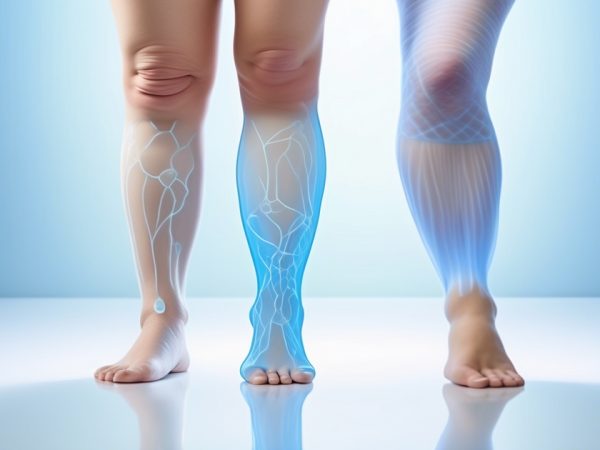
Coping with heavy-leg feeling lipedema is dealing with the constant weight and compression in the legs from fat and fluid accumulation. Symptoms encompass tenderness, easy bruising, and decreased mobility that impact daily activities and comfort.
Treatments vary from compression garments and manual lymphatic drainage to specific exercise and weight-controlled diets, often under the direction of clinicians. Below are manageable actions you can take, support options, and methods for monitoring symptom fluctuations over time.
Conclusion
Heavy legs from lipedema impose real limitations. Small, steady steps relieve pain and swelling. Wear a fitted compression garment that fits your lifestyle. Move in ways that feel safe: short walks, water laps, chair stretches. Consume protein-packed, low-salt foods and consistent fluids for tissue health. Track patterns: note what times, clothing, or foods make legs worse. Give manual lymph movement a try, or find a trained therapist to treat you with care that embraces your body. Use supportive shoes and take short rest breaks to reduce strain. Variety is the spice of life. For a personalized plan, discuss with a lipedema-aware clinician. Check out local or online groups for advice and silent sisterhood. Take one clear step today: pick one change and use it for a week.
Frequently Asked Questions
What causes a heavy-leg feeling in lipedema?
Lipedema results in disproportionate fat and fluid retention in the legs. This ramps up both tissue pressure and pain receptors, generating that constant heavy aching feeling that intensifies with standing or heat.
How can compression help reduce leg heaviness?
Compression garments and wraps assist in fluid flow and support tissue. They alleviate swelling and pain when properly applied. Opt for medical-grade compression prescribed by a specialist for best results.
Are exercise and movement effective for relief?
Yes. Low-impact exercise, such as walking, swimming, cycling, and targeted strength work, boosts circulation and decreases heaviness. Begin gradually and focus on consistency over intensity.
Can diet and weight loss improve symptoms?
A healthy, anti-inflammatory diet can ease fluid retention and improve comfort. Weight loss might not eliminate lipedema fat, but it can reduce the overall burden and associated symptoms when paired with other interventions.
When should I see a specialist about heavy legs?
See a vascular specialist, lymphologist, or lipedema-trained clinician if heaviness persists, worsens, or limits daily life. Early evaluation helps tailor treatments and prevents complications.
Is manual lymphatic drainage (MLD) useful for lipedema?
Yes. MLD may reduce fluid buildup and ease heavy sensations temporarily. It still works best in conjunction with compression and a full care plan.
Are there surgical options to reduce heavy-leg feeling?
Lipedema-specific liposuction can extract abnormal fat and alleviate pressure, often relieving heaviness and improving movement. Find a reputable surgeon to discuss risks and realistic expectations.