
Key Takeaways
-
Early recognition of lipedema is important for pain, swelling, and mobility management. Diagnosis provides the path to proper clothing and compression solutions.
-
Compression garments decrease pain and edema, support circulation and protect skin health. Opt for graduated, properly fitted items and wear them regularly.
-
Choose clothing designed from airy, flexible fabrics and focus on proper fitting or even custom options so lipedema legs are free from pressure points and comfort is maximized in warm climates.
-
Pair compression with lipedema-friendly wardrobe solutions like full or wide skirts, capri pants, and adjustable waistbands to strike a harmony between functionality and individual style.
-
Work with specialized professionals such as certified lymphedema therapists or multidisciplinary teams for measurements, garment selection, and ongoing care to get the best results.
-
Monitor symptoms, wear several pairs for cleanliness, and connect with others in supportive groups to exchange advice and foster confidence in your lipedema journey.
Clothing solutions for lipedema legs are both apparel and fashion decisions that minimize irritation and help aid your everyday movement. They range from graduated compression to soft fabrics that don’t chafe to cuts that balance volume without tight bands.
From medical-grade tights to adaptive skirts and loose-fitting pants designed for ease, lipedema legs need special clothing solutions. Fit, fabric, and layering guidance help readers discover real-world outfits for work, travel, and active moments.
Understanding Lipedema
Lipedema is a fat disease characterized by a disproportional build-up of fat, most commonly in the legs or arms. It’s not just fat. The tissue changes consist of pathological subcutaneous fat and excess interstitial fluid. Early recognition is important because treatment is more effective and can slow ongoing pain and loss of mobility.
The Condition
Lipedema is a subcutaneous fat disease characterized by alterations in adipose tissue and fluid homeostasis. Microscopically, skin and fat from affected thighs exhibit dilated blood and lymphatic microvessels, angiogenesis, increased macrophages, and hypertrophic fat cells.
These alterations explain why tissue can feel weighty and why edema can lurk beneath the skin. There may be as much as 0.5 liters of fluid in the calf or ankle before it is noticed. Common symptoms are symmetrical leg swelling, aching, and bruising.
Tenderness to pressure or motion is frequent. Unlike straightforward obesity, fat is distributed in a limb-focused manner and does not respond to typical weight loss efforts. Unlike primary lymphedema, lipedema is usually symmetrical and has an earlier onset.
It tends to occur in families. It was originally characterized in 1940 by Allen and Hines at the Mayo Clinic and Moncorps in Germany.
The Impact
Physical impacts are more than size. Leg pain, swelling, and limited mobility from fatty overgrowth can restrict everyday activities and work. Lipedema and chronic venous disease often go hand in hand.
They present with similar symptoms and may exacerbate each other. There is a connection with vascular alterations, such as increased aortic stiffness, which introduces cardiometabolic risk.
Emotional and social impacts are significant. Anxiety or depression is present in about 42% of individuals with lipedema on typical quality-of-life measures, and 85% of women report an impact on mental health, coping, and self-esteem.
Self-esteem issues cause isolation and prevent exercise or treatment. Risk of secondary lymphedema or lipolymphedema occurs when lymph drainage becomes overwhelmed.
Metabolic problems may ensue if movement and exercise decline. Functional day-to-day problems include difficulty finding well-fitting clothes, skin fragility, and pain from seams or constricting bands.
The Need
Special clothing to accommodate affected limbs, decrease friction and avoid compressive zones that cause pain is essential. Compression therapy remains a cornerstone. Graded garments can support lymph flow and slow progression.
Things that are accessible include clothes and compression that come in different sizes, breathable fabrics, and styles that feel normal when life is normal.
The lipedema community requires additional resources, research, and innovative work on compression garments that are functional and beautiful. If clinicians are more aware and brands are more aware, it will mean more choices and less misdiagnosis.
Compression Benefits
Compression benefits – By applying calibrated external pressure, compression therapy supports lymphatic flow and helps to restrict interstitial fluid accumulation in lipedema legs. Compression minimizes the area in which fluid can lake, pushes fluid into active lymph and venous pathways, and can prevent the chronic edema that causes tissue remodeling.
These effects can be accomplished with tight-fitting garments and with IPC devices. IPC is helpful when garments alone are inadequate or in cases of secondary lymphedema.
Pain Relief
Compression benefits– Compression garments decrease pain and tenderness in lipedema tissue by reducing mechanical stress and microvascular leak. Because they are worn every day, there is less pain when walking, standing, or exercising, which means patients maintain their activity levels.
Compression further reduces local inflammation associated with pain by enhancing fluid clearance and reducing the biochemical signals that perpetuate inflammation. In terms of symptom control, compression is best utilized as part of a package of other care, including light exercise, weight-management strategies where relevant, and manual lymph drainage instead of as a standalone therapy.
Swelling Reduction
Compression facilitates lymphatic drainage and decreases edema, resulting in measurable decreases in circumference and volume of the limbs. Studies find significant reductions in leg volume and circumference with routine compression, and daily IPC therapy has demonstrated improvement in capillary fragility and pain.
With graduated compression that is stronger at the ankle and lighter up the leg, it helps move fluid upward throughout the day and minimizes sagging tissues when you are sleeping at night. Track limb volume and fit. Progression to lipolymphedema is more common when swelling goes unmanaged. Garments and IPC can be combined.
Circulation Support
Compression enhances venous return and microcirculation in the involved extremities, which decreases blood stasis and diminishes the risk of venous insufficiency. Improved circulation can prevent issues like skin breakdown and thrombosis risk associated with deep stasis.
Well-selected compression strength can treat chronic venous elements while still allowing for comfort. When combined with mild exercise, such as walking, cycling, or aqua moves, compression enhances the pumping action of your calves and circulation overall.
Skin Health
In addition to preventing oedema, this type of compression wear prevents skin changes such as dryness, erythema, and even ulceration by keeping tissues less distended and skin less stressed from fluid. This minimizes the risk of infections and wound complications in edematous tissue.
Daily use has been associated with improved skin quality and reduced nodularity. Maintain a skin-care routine: gentle cleansing, moisturizers, and prompt care for any breaks. Combined with skin care, compression provides the best defense against dermal fibrosis and associated issues.
Selecting Garments
Choosing clothes is an essential lipedema management step. Choices should match the condition’s needs: targeted compression, breathable fabrics, correct fit, and practical styles. The appropriate garment minimizes swelling and pain, allows you to function daily, and incorporates into your lifestyle and weather.
1. Compression Type
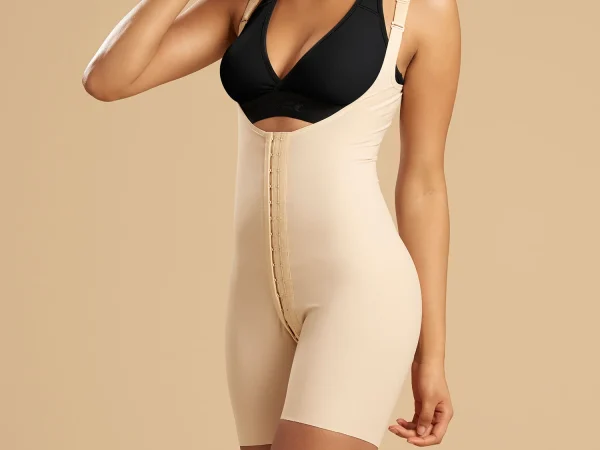
Medical compression stockings, leggings, shorts, and adjustable garments are typical. Stockings accommodate lower-leg targeting. Leggings and shorts provide wider thigh and hip coverage. Selecting garments with adjustable features, like adjustable straps or panels, allows you to modify the fit throughout the day.
Inelastic compression offers robust resistance when muscles contract and is convenient post-operative or for powerful external support. Elastic compression is stretchier and superior for ongoing, comfortable support. Graduated compression, which is strongest at the ankle and lighter higher up, assists lymph and venous flow and is generally advised for lipedema.
(See table below for quick comparison)
-
Garment type: stockings Compression strengths: 15 to 30 mmHg and 30 to 40 mmHg Use case: mild to moderate lower-leg control.
-
Garment type: leggings/shorts Compression strengths: 20 to 40 mmHg Use case: thigh and hip support, daily wear.
-
Garment type: adjustable wraps Compression strengths: variable Use case: fluctuating swelling, post-op adjustment.
Use best-practice guidelines and consult a clinician to choose a compression class and style appropriate to disease stage and your daily needs.
2. Fabric Choice
Breathable fabrics such as cotton, viscose, and linen work well in warm weather and help minimize skin irritation. Moisture-wicking synthetics come in handy on hot days or when you’re active. They draw moisture away and reduce the chance of chafing.
Say no to stiff fabrics and tight cuffs that dig into skin or restrict lymph circulation. Light, airy styles help breathability and the health of your skin. A thin compression liner beneath oversized outerwear allows breathability while maintaining compression. Fabric tags come after you pick your stuff out, or try a few small samples if you have the opportunity.
3. Correct Fit
Measure legs properly. Measure the circumference of the ankle, calf, and thigh in addition to floor and groin length for correct sizing. Wear several brands. Sizes differ, and you may even want to go custom if you have an unusual shape.
Uniform compression from ankle to thigh makes it effective. Uneven pressure induces pressure points and exacerbates symptoms. Ill-fitting clothes, too tight or too loose, are a hindrance. If swelling varies from day to day, opt for adjustable items or order a few different sizes.
4. Garment Style
Capris, full skirts, and maxi dresses all go a long way to concealing shaping and remaining useful. Swim leggings and bathing suits for lipedema enable water exercise with compression.
Pick easy-dress elements such as zippers, side openings, and adjustable waistbands to minimize stress during dressing and undressing.
5. Custom Options
Custom compression is worth it for later-stage lipedema or especially odd limb shapes. Adjustable compression can accompany changing swelling and provide improved comfort. High-end niche brands have custom cuts and custom materials.
Having several helps with rotation and cleanliness.
Beyond Compression
Compression is at the core of many treatment protocols. What you wear aside from medical wear defines day-to-day comfort, movement, and image. Real-world tweaks to daily wear, footwear, and fabrics assist with swelling, skin care, and temperature across the seasons. Below are targeted hacks to make clothes work for lipedema legs while maintaining style and functionality in sync.
Adapting Clothes
Taking in clothes or a tailor can make a huge difference. It lets in seams above the knee, lets out waistbands or adds panels so trousers sit without pinching swollen areas. Elasticated or adjustable waistbands are helpful, too. They shift as your body does and minimize compression that can interfere with lymphatic circulation.
Opt for stretchable, loose cuts wherever possible. Nylon/elastane blend leggings provide subtle give with no tight bands slicing into skin. Lightweight fabrics such as modal, bamboo, and cotton blends aid in breathability and reduce friction. No abrasive seams or tags. Flat seams and soft hems minimize rubbing and decrease the likelihood of irritation or micro injury.
In addition to compression, layering with lightweight pieces allows you to regulate temperature and coverage. A breathable underskirt or slip will keep you from chafing under skirts. For colder weather, add a lightweight thermal base layer that can be compressed on top. For irritation-prone skin, slather on barrier creams where seams sit and opt for moisture-wicking fabrics.
Choosing Styles
Go for wide skirts, airy dresses and straight or flared line trousers to offset leg volume and prevent tight knees or cuffs. These shapes alleviate constriction and appear balanced. Light, floaty dresses in gentle, breathable material assist during warmer months. Moisture-regulating materials are particularly useful to avoid sweat that can chafe skin.
Denim shorts with stretch panels, swim leggings, and capris are a great fit for action-packed summer days, giving you coverage and mobility without those cumbersome cuffs that hold in moisture. Steer clear of tight jeans, stiff seams, and tight ankles because these cut off the lymph flow and intensify symptoms.
Create a list of go-to styles for work, working out, and going out that will fast-track shopping and minimize decision fatigue.
Footwear Matters
Support shoes, which alleviate pressure on swollen feet and enhance balance. Look for wide-fit designs and adjustable straps so you can loosen or tighten as swelling shifts throughout the day. Backless sandals with memory-foam footbeds are fine for summer.
High heels and narrow toe boxes crank up the pressure and can intensify edema and pain. Opt for low, steady heels or flats with arch support instead. Think socks or compression ankle cuffs for those tender feet. Some are softer and meant to sit under straps or shoes without pinching.
For some, compression clothes just aren’t enough. Shoes and mini-essentials round out a daily plan that fuels movement, skin, and self-assurance.
A Personal View
Life with lipedema molds everyday decisions in subtle ways that you don’t notice until they count. Clothing is not fashion, it’s pain control and a cane and an autobiography. Some of us discover through trial and error what cuts minimize chafing, which fabrics breathe in the heat and which compression pieces really alleviate pain.
While some discover that compression garments prevent swelling and help movement, others discontinue due to heat, the hassle of getting them on, or their appearance. I outline practical measures and personal insights that guided me and others to discover a more stylish, functional and comfortable middle ground.
Emotional Impact
Frustration and isolation are usually the initial emotions. Sudden leg unevenness or longstanding sensory alterations alters your shopping and the way you stand in a room. Dress restrictions are social restrictions and can make a kid ashamed or secretive about her dress up.
There are little, solitary household laws of what to wear. There is nothing like slipping into something that fits ‘just right’ to take your spirits up a notch. People tell us there is less pain and greater ability to participate when symptoms are calmed by compression or supportive garments.
As I wrote in my last book, support from friends, family, and online groups minimizes isolation and helps normalize struggles. Open conversations about lipedema break through stigma and result in actionable advice, such as where to buy wider cuts or which brands offer breathable compression for summer.
Finding Style
Playing with color, pattern and accessories keeps style fresh. Darker side panels, vertical seams and A-line skirts can be flattering while giving space for the legs. Leggings and footless tights make perfect sense as a pantyhose replacement in warm weather, providing support without the heat around your feet.
Maintaining a closet list of dependable items, a loose pant, a stretch skirt, and a few breathable tops, cuts down on pre-event panic. Post style advice in community boards; someone’s suggestion to wear a long vest over slim pants may transform your entire wardrobe.
Building Confidence
Prioritize comfort and fit over short-lived trends. Selecting clothes that minimize battle with friction and encourage fluid motion provides a consistent confidence shot in the arm. It’s empowering to know the fabrics and fits that work for you when making purchases.
Record outfit victories with pictures or scribbles to recall which pairings hit hard even after scummy days. Celebrate small victories: a full day out without pain, a successful new outfit, or consistent use of a lightweight compression sleeve in summer.
These victories forge a more peaceful alliance between your body and wardrobe.
Professional Guidance
Professional guidance grounds any clothing game plan for lipedema legs by linking wardrobe decisions to medical objectives, practicality, and everyday life. We’d recommend starting with a certified lymphedema therapist who can help you in selecting and fitting garments. Your therapist can check limb shape, measure properly, and suggest suitable compression classes and styles.
In the weeks prior to surgery, a therapist can perform a pre-surgical screening that directs prehab exercises, provides manual therapy to alleviate fluid and stiffness, and fits temporary or permanent compression garments specific to planned interventions. Therapists demonstrate how to dress and undress safely and how to identify pressure points that require padding or fabric replacement.
Multidisciplinary teams personalize care and functional fashion plans. These multi-disciplinary teams can comprise lymphedema therapists, vascular specialists, plastic surgeons, physiotherapists, and dieticians. These teams schedule a deep volume reduction cycle when required, with three to four treatments per week in the beginning to decrease swelling and refine limb contours.
Following prolonged conservative treatment, generally six to twelve months as per UK recommendations, surgery may be recommended. The ‘squad’ then refreshes garment requirements for post-surgical healing and longer-term care. This team perspective helps coordinate compression garments with surgery timing, activity levels, and more long-term factors such as mobility and comfort.
Continuing to learn about new compression technologies and clothing solutions makes a difference for long-term gain. New fabrics provide enhanced breathability and graduated compression. Adjustable garments can account for daily variation in limb size. Patients need to educate themselves on options such as thigh-high versus full-leg, open-toe stockings, or even custom-made pieces that factor in skin folds and mobility.
Change compression garments multiple times in year one and plan on three to four replacements because fit varies as volume fluctuates and fabric stretches. Professional oversight, such as regular follow-up with a certified therapist, keeps the dresses working.
Adhere to professional advice and best-practice guidelines for symptom management and garment usage. Lipedema experts stress individualized treatment: combine conservative therapy like manual lymph drainage, compression, exercise, and skincare with surgical options when indicated.
Pros direct when to begin and cease compression, how to layer garments for activity, and when to transition to custom garments. They help patients weigh practical choices: budget-friendly ready-made pieces for daily wear and custom garments for severe shape differences. A good healthcare professional is essential to helping patients find their way through options, avoid pitfalls, and have realistic expectations about symptom relief and cosmetic change.
Conclusion
Great clothes can reduce pain and boost confidence for lipedema legs. Opt for graded compression that will fit your calves, thighs, and waist. Choose materials that breathe, snap back and stretch, and hold shape. Seams should sit flat and waistbands should stay put. Stack soft leggings beneath skirts for added support and coziness. Go for adjustable straps or wrap styles to accommodate daily size fluctuations.
Consult a clinician about sizing and garment maintenance. Try a few brands and record wear time, pressure and chafe. Keep track of what works in an easy-to-maintain log. Tiny tweaks, such as the right fit, more thoughtful fabric, and clever layers, make everyday living simpler and less painful. Are you prepared to discover the perfect fit? Begin by measuring and comparing two reliable brands today!
Frequently Asked Questions
What is the best clothing for lipedema legs?
Supportive compression clothing is the best. Seek out medical-grade compression stockings or leggings that align with your symptomology and limb shape. They decrease swelling, increase comfort, and assist with mobility.
How do I choose the right compression level?
Consult a doctor for specific pressure. As a general rule of thumb, beginning with light to moderate compression of 15 to 30 mmHg can optimize. Advanced cases might require it to go higher. Fit and comfort are what count.
Can regular clothing worsen lipedema?
Yes. Tight bands, high heels, or restrictive waistbands exacerbate this by stimulating additional discomfort and fluid pooling. Opt for stretchy, seamless, and breathable fabrics, which won’t cause additional pressure.
Are custom garments worth the cost?
Yes, when the off-the-shelf stuff doesn’t work. Custom does a better job at compression distribution and comfort. They can enhance symptom management and limb shape over time.
How should I care for compression garments?
Hand wash or gentle machine cycle with mild detergent. Hang to dry, away from heat. Proper care keeps the elasticity and effective compression lasting longer.
Do compression garments help with pain and mobility?
With regular use, most people see less pain and can move around more easily. Compression can facilitate your day-to-day activities and simplify exercise.
When should I see a specialist about clothing for lipedema?
See a lymphologist, vascular specialist, or certified fitter if swelling worsens, pain increases, or garments do not fit. Professional fitting guarantees the correct garment style and compression level.