
Key Takeaways
-
Given that lipoedema is a chronic condition with distinct symptoms and treatment requirements, proper diagnosis and specialized care are crucial for managing it effectively.
-
Water-assisted and tumescent liposuction for lipoedema – surgical options, different approaches, recovery & outcomes.
-
Patient comfort, lymphatic preservation, and recovery may vary between the two techniques which makes it essential to make an informed decision with a competent surgeon.
-
The perfect candidate for liposuction is someone who is in good health, has realistic expectations and has a supportive recovery environment with thorough preoperative medical evaluations.
-
Triumph hinges on post‑operative diligence, regimen compliance, and continued lifestyle modifications to keep the results.
-
Cost & insurance coverage — Regardless of where you reside in the world, financial planning and being aware of insurance coverage options are vital steps for any prospective lipoedema liposuction surgery patient.
Water-assisted and tumescent liposuction are two main ways doctors treat lipoedema, each with its own set of outcomes. Water-assisted liposuction utilizes a gentle stream of water to both loosen and suction away fat, resulting in less trauma, bruising and quicker recovery. Tumescent liposuction uses a blend of fluid injected into the fat that reduces pain and bleeding, but which may linger in recovery. Research indicates that both techniques can reduce pain and increase mobility for patients with lipoedema. Others report water-assisted liposuction causes less swelling. To assist in deciding between these two options, this post discusses key results and what patients and physicians have experienced in practice.
Understanding Lipoedema
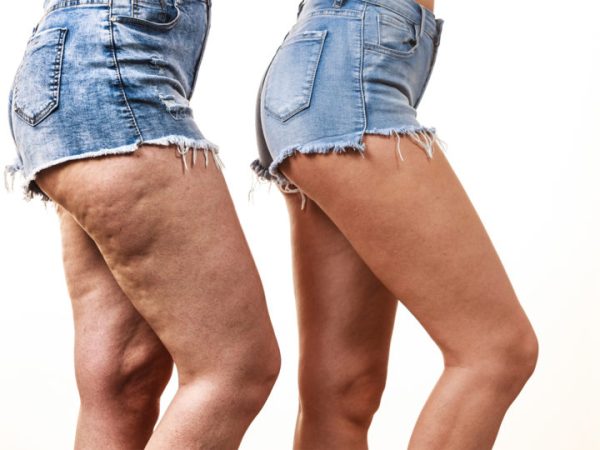
Lipoedema is a progressive condition characterized by the accumulation of fat, typically in the lower body—legs, thighs and buttocks. It causes pain, swelling and bruising, and for millions of people across the globe can make everyday activities a challenge.
The Condition
Lipoedema is NOT obesity or lymphedema. It’s not the same as obesity, because lipoedema fat doesn’t respond to diet or exercise and is localized to the lower body. Unlike lymphedema, which is fluid build up beginning in one limb, lipoedema is symmetrical and seldom involves the feet. This renders it difficult to diagnose and treat, posing distinct challenges for those living with it.
The disease advances in stages. Initially, the skin is pliable and edema may resolve with elevation of the legs. As it progresses, the fat firms up, the swelling remains, and mobility decreases. The overwhelming majority of patients present with moderate (47%) and severe (43%) stages, with only a small minority suffering from mild or very severe cases.
LD can also take a toll on mental health. They feel isolated, they fight with body image, they are sometimes stigmatized socially. Most conceal their symptoms from shame or ignorance from others. Knowledge and community is what shatters these walls.
The Diagnosis
Physicians observe clinical signs and inquire about heredity. They look for tenderness, swelling and fat distribution. Excluding other causes, such as obesity or lymphedema, is important to obtain an accurate diagnosis.
Therapists like lymphedema therapists and surgeons too have a role. If a patient isn’t confident in a diagnosis, it can help prevent missed or incorrect diagnoses.
The Treatment
Water-assisted and tumescent liposuction are the two main surgical options. Water-assisted employs a light jet to dislodge fat, whereas tumescent injects fluid prior to suction. Both assist in eliminating fat that is immune to diet or exercise. Water-assisted is often touted as gentler on tissue, and both are performed under local or general anesthesia depending on the case.
Both can decrease leg volume by approximately 6.9%. Symptoms such as pain, swelling, and restricted movement frequently improve significantly, symptom burden decreasing 58% six months post-surgery in one study.
Risks encompass bruising, burning and, infrequently, severe issues such as fat embolism or pneumonia. The majority of issues are minor and subside over time.
Technique Comparison
Water-assisted and tumescent liposuction are the two primary options for managing lipoedema. They each have different procedures, instruments, and consequences for pain and recovery. The surgeon’s expertise and bedside manner matter a lot.
1. Procedural Mechanics
Water-assisted liposuction (WAL) utilizes a pulsating water stream to dislodge fat cells, and they’re immediately suctioned away. It begins with preparing the patient, typically under local anesthesia. A 3.5-mm body jet cannula distributes the liquid, anesthetizing the space and aiding in fat disruption. Once anesthesia kicks in, the surgeon immediately proceeds to fat removal, which keeps discomfort minimal and accelerates the process. In one study, WAL with tumescent anesthesia had a 4.2% rate for both seroma and infection. The average operative time was around 6,615 minutes, demonstrating WAL can be time intensive but exhaustive.
Tumescent liposuction injects a combination of saline, lidocaine and adrenaline—often with other drugs—into the fat. This fluid renders the area hard and swollen, easing bleeding and pain. Surgeons use a thin cannula to agitate and suction fat. Sedation is not all the same. Its use in the largest volume may be supported by a study of tumescent fluid containing prilocaine and sodium bicarbonate that revealed a median lipoaspirate volume of 4,700 mL.
Suction pumps and cannulas in both. WAL needs a pump to push water, tumescent needs time for the fluid to diffuse. Regardless of the instrument, it’s the surgeon’s expertise that determines how slick the operation is.
2. Patient Experience
WAL is less painful for most patients. Numbing occurs quickly, and the water jet translates into less pressure on tissues. A lot of patients love WAL for its minimal prep and low pain.
With tumescent liposuction, you might ‘experience’ more swelling and tightness. Sedation and judicious fluid selection can assist. Comfort is a matter of surgeon skill and patient condition. Good pain control and clear steps help to ease nerves.
Testimonials demonstrate that each technique functions. Here’s what patients are saying about it: Patients describe long-lasting relief from pain, swelling and mobility issues. At 12 years, improvements in pain and motion frequently persist. Most patients — 86% in one — experienced significant or complete resolution.
Communicating candidly with your surgeon helps establish realistic expectations and assuage concerns. This step counts as much as the surgery.
3. Recovery Timeline
WAL recovery is often fast. Swelling and bruising reach their peak within a few days, then subside. Follow-ups check for infection or seroma, which occurs in approximately 4% of cases.
Tumescent recovery may be longer if more fluid is employed. Swelling, bruising and soreness can persist for weeks. Yet, the vast majority of patients return to normal within a week or two.
Typical problems post both are swelling and bruising. These typically resolve within 2–4 weeks. Others may have to wear compression wear or receive lymphatic massage.
Adhering to post-care guidelines is crucial. Neglecting follow-up or care steps can impede healing.
4. Lymphatic Impact
WAL is lymph vessel sparing, which is excellent for lipoedema. It helps keep lymphatic flow regular and reduces risk of chronic swelling.
Even tumescent liposuction could tense lymphatics if not performed carefully. Smooth moves and appropriate cannula size assist.
Healthy lymphatics are crucial for lipoedema patients—when damaged, swelling and pain intensify.
Lymphatic massage after surgery can accelerate healing and alleviate swelling.
5. Final Results
Both techniques enhance contour and reduce discomfort. WAL often leaves tissues smoother with less trauma. Tumescent is trust for large volume extraction.
Longers term, results remain stable. Another study experienced improvements up to 4, 8, and 12 years. 86% got good or full relief, 14% some help.
Surgeon’s skill and patient goals are what matter most. Others require more than one session for optimal impact. Open discussion of what’s true benefits all.
Results demonstrate high satisfaction and improved quality of life following either operation.
Surgeon’s Perspective
Surgeons consider a multitude of factors when deciding whether to perform water-assisted or tumescent liposuction for lipoedema. Each approach has its advantages and difficulties. The ultimate approach is based on patient-specific requirements, stages of the disease, as well as the surgeon’s own experience.
Why Choose Water-Assisted
Water-assisted lipo bruising and healing. Instead of brute force tearing tissue apart, a light water jet dislodges fat cells to facilitate easier, less traumatic removal. Most patients are up earlier walking and back to their normal life faster.
This method provides additional control to contour the problem regions, particularly for stage I or II lipoedema patients. Surgeons can employ smaller cannulas, about 2–3 mm, for more precise sculpting and less tissue trauma. Some cases employ larger cannulas for expediency purposes, but the smaller cannulas are crucial for finesse. Water-assisted techniques frequently operate with local anesthesia, occasionally with light sedation. This translates into less exposure to general anesthesia and more convenience, particularly for individuals with co-morbidities. Surgeons across the globe have increased their adoption of water-assisted liposuction, with results that consistently feel smooth and predictable.
Why Choose Tumescent
Tumescent liposuction boasts decades of safety and success. Surgeons inject a saline solution containing epinephrine and lidocaine to numb and shrink vessels. That’s on average approximately 9.7 mg of epinephrine – or 0.11 mg/kg – which assists in limiting bleeding and swelling.
These are excellent at extracting larger volumes of fat in a single session. A lot of surgeons like tumescent because they’re familiar with it, and it’s easy to control pain intra- and post-operatively. Power-assisted instruments and vibrating cannulas can render fat extraction more fluid and safer, particularly in bulkier or more fibrotic zones.
The Deciding Factors
Deciding between water-assisted and tumescent liposuction hinges on factors like patient anatomy, goals and comfort. Some desire less downtime. Others want maximum fat loss. As surgeons, we examine the severity of the disease because stage III lipoedema might require different treatment than the earlier stages.
Surgeon skill and patient faith go a long way. Others have histories that point the decision, like allergies or a risk of swelling. Fewer than 15% of lipoedema patients receive liposuction, so it’s crucial to be certain it’s the right move.
Complications can happen, though rates are low: seroma (0.82%), infection (0.59%), hematoma (0.71%), bleeding (0.12%), skin necrosis (0.12%), and secondary lymphedema (0.18%). Well, good results can be a BMI drop of 2.7 kg/m² and two clothing sizes down.
Ideal Candidates
Best candidates are reasonable and healthy. Stage I and II patients experience the most success. Surgeons do complete evaluations to determine if surgery is the best option and may recommend attempting conservative care first.
Patient Suitability
Patient suitability for liposuction in lipoedema is more than a checklist. It’s determined by various health, lifestyle, and psychological components. A multidisciplinary team usually evaluates each case – emphasizing the patient’s stable weight, health history, and adherence to conservative therapies prior to surgery.
Ideal Candidates
Lipoedema liposuction candidates typically have a stable weight and no significant health issues, such as heart disease or uncontrolled diabetes.
Physicians will request blood work and scans to look for things like your clotting function or if your lymphatic system is functioning properly. These assist in identifying any underlying risks prior to surgery. It’s important to discuss all of your medications and supplements — even herbal or over-the-counter — with your physician. Certain medications can worsen bleeding or swelling.
If you’ve tried conservative treatments, such as compression garments and diet modifications, but symptoms persist, you may be a surgical candidate. Specialists consider how much lipoedema affects your lifestyle or mobility.
Medical Considerations
Physicans consider your overall health, not just the lipoedema. They’ll look for things such as bad lymph flow or other such maladies that impede healing. Most insurance plans require documentation that you’ve attempted lifestyle modification, compression therapy, and other measures first.
A comprehensive health check reduces risks. If you’re dealing with lipoedema in a single location, you may require only a single treatment. Lots of us, however, require multiple surgeries as lipoedema usually impacts more than a single area.
Inform your doctor about all the medications you’re on, including vitamins or herbal pills. These specifics count for safety, peri and post surgery.
Realistic Expectations
Liposuction for lipoedema sculpts the body but it’s not a cure, or a method of weight loss. Some work, some don’t. Some folks notice huge shifts, others less so, and some require multiple sessions.
It’s easy for symptoms to return, particularly if you neglect the day-to-day maintenance—whether that involves compression stockings or following a healthy diet. Keeping ahead of these chores maintains results a little longer.
Doctors want you discuss goals and concerns prior to surgery. Goal setting as a team ensures you don’t get your hopes up.
Support & Recovery
Recovery requires support from friends or family. Following your doctor’s orders, using compression and resting assist in the healing process.
Regular check-ins with your doctor spot problems early.
Post-operative care and home therapies, such as lymphatic massage, facilitate healing.
Beyond The Procedure
Taking care of lipoedema beyond water-assisted or tumescent liposuction requires more than surgical expertise. Recovery and outcomes are all about aftercare, daily habits, and support. Patients experience improved mobility, decreased pain, and reduced swelling that can last for years, but outcomes endure with the proper measures.
Postoperative Care
Post-op care is essential for recovery. Wounds must be cleaned and dry, it can cause infection. Be on the lookout for swelling, redness, fever, or a burning sensation—82% of patients experience burning shortly after, but it typically dissipates. Rare but serious concerns such as breathing difficulty may require ICU treatment. Most can work again but 32.1% report some job restrictions post-surgery.
Regular check-ins with your doctors help identify changes. Others discontinue wearing compression garments, predominantly stage I or II patients (41.7%) vs stage III (20.6%). Remaining in contact with providers assists to monitor lipoedema and modify treatment.
Care transcends medicine. Groups online or IRL provide tips and stories. They provide continued education and support for the emotional aspects of living with lipoedema.
Long-Term Management
Good habits count for sustainable impact. Patients that maintain their exercise and their nutrition might just be able to maintain some of their surgery gains. Post-liposuction, most experience a significant BMI decrease (2.7 kg/m2) and drop up to two European dress sizes.
Being more active—walking, swimming, bike riding—controls soreness and swelling. It uplifts spirits and maintains a healthy weight. Nutrition helps. Nourishing meals and proper hydration promote healing and reduce symptom severity.
Exploring new hobbies such as yoga or light sports can provide you with both physical and mental advantages. It constructs post-operative self-respect.
Lifestyle Integration
Lipoedema liposuction prices differ. Surgery fees and hospital stays and follow-up care. Not all health plans cover it, so patients should inquire about costs and what insurance will cover.
A few clinics have payment plans or financing. Familiarity with the options aids in planning. Care is where the return on investment lies, in a better quality of life.
The Financial Reality
That’s a big step for most people – paying for liposuction as a treatment for lipoedema. Specific prices are difficult to determine, and fees vary significantly by area, clinic or cancer stage. That holds true for both water-assisted and tumescent liposuction. A lot of patients are burdened with a hefty financial load as insurance infrequently pays for these operations. Most of the time they pay out of pocket and that can be hard for anyone, anywhere.
The money angle doesn’t finish with the surgery. Post-treatment, a few expenses may drop. Most of us lippy ladies wear our compression garments daily. These things start to add up, particularly if you’re looking for quality and more than one set. Research indicates that nearly 30% of women can discontinue these garments within 3 months post surgery. That’s a difference that can add up to less money out every month.
Recovery delivers other savings. Over 80% of lipoedema patients who undergo liposuction say it results in less pain, less swelling and better movement in everyday life. More mobile can translate into less trips to the doctor, fewer pain pills, or treatments. All these changes could, in the long run, accumulate into reduced medical bills. Research even demonstrates that the quality-of-life boost and reduced swelling or bruising can persist for years — up to 12 years in some cases. Which implies the cost-savings could continue, not just in year one, but well beyond.
Even so, there is peril. Others suffer from circulatory or swelling issues for a week or two post-operatively. Rare problems can linger and come with additional expenses for additional care, more doctor visits, or medications. The stage of lipoedema is important as well. Stage 3 individuals, who are typically the most difficult to mobilize, realize significant improvements in ambulation and activities of daily living (as high as 96%), which reduce long-term expenses associated with care or missed work.
Because the majority of people with lipoedema are women, cause may be tied to hormones. This can shift the age at which one requires treatment and impact long-term financial planning. Six months post-surgery, most observe a minimum 7% reduction in leg size and experience an improvement in quality of life, potentially altering the trajectory of future care and expenses.
Conclusion
Both water-assisted and tumescent liposuction offer options for patients with lipoedema. There are obvious advantages to both methods. Water-assisted liposuction heals faster with less swelling. Tumescent liposuction offers consistent outcomes and a large scope. Surgeons are all about skill and fit for each patient. Certain individuals might require one over the other. Price, downtime and post-operative care are really important as well. Selecting the appropriate approach requires actionable information, defined objectives, and candid discussions with an experienced physician. For solutions that work with your life, begin a conversation with a physician who’s experienced in both. Inquire as to what suits your requirements and well-being. You deserve care that allows you to step into your future with confidence.
Frequently Asked Questions
What is the main difference between water-assisted and tumescent liposuction for lipoedema?
Water-assisted liposuction utilizes a gentle, pressurized stream to dislodge fat cells, whereas tumescent liposuction employs a saline solution to anesthetize and distend the tissue. While both seek to eliminate fat, they differ in approach and recuperation.
Which technique has a faster recovery for lipoedema patients?
Water-assisted liposuction tends to cause less swelling and bruising, allowing for a faster recovery than tumescent liposuction. As always, your mileage may vary depending on your health and the extent of the procedure.
Is one method safer than the other for lipoedema treatment?
Both techniques are safe in the hands of competent surgeons. Water-assisted liposuction potentially causes less tissue trauma, but its safety is contingent on the surgeon’s experience and the patient’s individual medical background.
Who is a suitable candidate for water-assisted or tumescent liposuction?
Optimal candidates possess a definitive diagnosis of lipoedema, are otherwise healthy and have reasonable expectations. Consulting a qualified surgeon is crucial in order to decide on the optimal technique.
What are the long-term outcomes for lipoedema after these procedures?
Both methods can allevitate symptoms and quality of life. Outcomes are based on the degree of lipoedema, after-surgery care and maintenance. Routine follow-up is key.
How do costs compare between water-assisted and tumescent liposuction?
Water-assisted liposuction can be more costly because of the specialized equipment. Prices differ depending on location, surgeon expertise, and procedure difficulty. Insurance coverage for lipoedema treatment varies worldwide as well.
Are there risks or side effects unique to each liposuction technique?
Both share common risks — like infection or bruising. Water-assisted liposuction might be less likely to cause nerve damage, whereas tumescent might cause more swelling. Talk risks over with your surgeon prior to selecting a method.