
Key Takeaways
-
Lipedema’s extra fat and persistent swelling both add to leg weight and leg pain and diminish walking capacity, which causes muscles to weaken. Start gentle, targeted strengthening and low-impact exercise to save muscle and balance.
-
These include altered gait and increased joint strain, which increase the risk of falls and osteoarthritis. Have a gait study and use assistive devices or physical therapy to improve stability and protect joints.
-
Skin fragility, chafing and recurrent infections are common with persistent oedema. Be mindful about skin care, compression and address skin breaks early.
-
Fear of falling, isolation, and body image impact mental health. Create a support system, pursue therapy, and connect with support communities to combat loneliness and enhance well-being.
-
Accurate diagnosis is essential to distinguish lipedema from obesity and lymphedema and to guide treatment. Pursue specialist evaluation, imaging when indicated, and clear diagnostic criteria before starting interventions.
-
Multimodal management provides the best mobility results including compression, tailored exercise, physical and occupational therapy, nutrition modifications, and when indicated surgical consult. Monitor mobility milestones and adhere to post-op care.
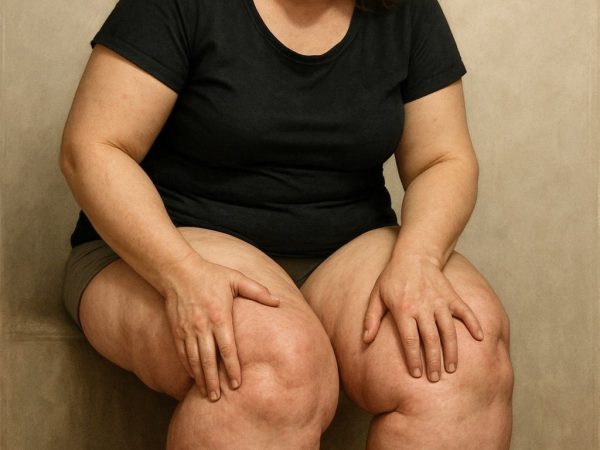
Lipedema and mobility issues walking difficulty is a condition that causes chronic fat accumulation in the legs and arms, which causes pain associated with walking difficulty.
Easy bruising, swelling that intensifies throughout the day, and heavy or aching limbs that restrict steps and balance are common symptoms.
Early diagnosis, compression therapy, gentle exercise, and weight management can help preserve function.
The meat of the post details causes, treatments, and dos and don’ts.
The Physical Burden
Lipedema contributes tangible weight to the lower half. Abundant lipedematous fat in the legs and hips adds significant body weight to the limbs, thereby making ambulation, stair climbing, and standing more taxing. This unusual fat tissue distribution causes prominent swelling and edema, creating a constant heaviness that inhibits endurance and impedes movement.
Most patients note that it takes them longer to accomplish daily activities, and they need more rest. A few require reduced or light duties or part-time hours.
1. Altered Gait
The physical burden – the atypical fat around his knees, thighs, ankles – alters the way his leg moves and carries weight. Gait changes as soft tissue mass affects joint angle and limb inertia. Weak quads and heavy legs make you lose control during stance and push-off, so balance feels less stable.
Patients develop compensatory patterns to decrease pain and avoid falls. A wide-based gait or shorter steps may do more to keep you steady but cost more energy. Typical measurable differences are shorter stride length, slower walking speed, shorter single leg support time, and a shuffling or tentative step that manifests itself on timed walking tests such as the six minute walk test.
2. Joint Strain
Additional limb mass adds to compressive load on knee, hip and ankle joints. With time, this stress accelerates cartilage wear and increases the risk for osteoarthritis. This can cause the wrong knee or hip axes to pull, putting additional focal stress and pain on these joints.
Repeated joint strain can drive some patients to surgery, including knee replacement, earlier than peers without lipedema. Continual stiffness and soreness make moving less attractive, so you move less and that fuels a cycle of degrading joints and lower stamina.
3. Skin Issues
Chronic oedema stretches skin, making it more prone to infections and breakdown. Delicate vessels and easy bruising, along with tissue that swells time and again, can crease and hold moisture and bacteria.
Chafing, rashes, and interdigital or interfold irritation are painful when you move and can lead to activity avoidance. Typical skin issues such as cellulitis risk, ulceration in severe cases, friction dermatitis, and pressure-related skin damage. A straightforward table listing these with signs and first-line care is useful in patient education.
4. Tissue Pain
Lipedema tissue is frequently tender and hyperalgesic. Pain can flare with standing, walking, or tight clothing. This soreness promotes inactivity and muscle disuse, which in turn exacerbates weakness and mobility impairments.
Pain management is key to treatment and function restoration.
5. Muscle Weakness
Pain and heaviness lead to decreased activity, which results in muscle atrophy, particularly of the thighs and calves. Sarcopenia hampers balance, increases fatigue when walking, and decreases aerobic capacity as demonstrated by diminished 6MWT scores.
Targeted exercise, compression therapy, and nutrition assist in preserving muscle, supporting joints, and improving daily function.
Beyond The Physical
Lipedema is about more than tissue and joints. It transforms daily schedules, mental states, and social identities. Mobility limits with chronic pain, fatigue, and brain fog mixed with visible limb shape changes create a complex burden.
These factors lessen elasticity, frequently in the belly, and can compromise tendons such as the Achilles, which damages balance and gait. Hormone shifts from puberty, pregnancy, birth control, or menopause can initiate or exacerbate symptoms.
Treatment can assist, but lipedema fat frequently defies diet, exercise, and even bariatric surgery, so care must attend to the emotional and pragmatic needs in addition to the body.
Fear of Falling
Instability and altered gait instills a genuine fear of falling for many with lipedema. When swelling is focused on your thighs and buttocks, walking without pain is more difficult, which alters how you step and balance.
As fear of falling cuts activity and social contact, individuals shun steps, crowds, or long walks. Less movement means stiffer muscles and joints, which further engrains the fear.
Over-cautious steps and short strides have the potential to contract confidence and cause recovery to be more sluggish.
Fall prevention strategies tailored to lipedema:
-
Wear low-heeled supportive shoes and orthotics to keep your feet aligned.
-
Install grab bars and non-slip mats at home to minimize risk in typical fall areas.
-
Begin a mild strength and balance regimen directed by physical therapy aimed at hip, core, and ankle stability.
-
Think about mobility aids, such as a cane or walker, when experiencing flare-ups or during long outings.
-
Map out walking routes with benches and steer clear of bumpy terrain if you can.
Social Isolation
Walking difficulty and pronounced swelling become embarrassing to people in public. Worries about how you look and whether you can make it there can deter you from attending family events, work functions, or community activities.
That impaired mobility translates to less time away from the house, less exercise, and fewer incidental social interactions. That loss of social contact can exacerbate loneliness and increase the risk for depression.
Social withdrawal exacerbates symptoms by eliminating informal supports and minimizing access to practical assistance. Creating support networks and peer groups provides common experience, guidance, and catharsis.
Women-only peer support groups, forums, and meetings provide advice on what to wear, mobility aids, and clinic recommendations.
Body Image
Uneven fat distribution and limb disproportion impact self-esteem and body image. Being out of sync with societal or individual standards about form can be upsetting.
These types of physical changes can cause patients to be unfairly judged or misunderstood and contribute additional psychological strain. The disconnect between the work put in to lose weight and the results you actually see, because lipedema fat is resistant to traditional methods, is maddening.
Positive body image strategies for lipedema patients:
-
Focus on function: celebrate small mobility gains and pain reductions.
-
Utilize adaptive clothing and compression that enhances comfort and silhouette.
-
Pursue body image therapy. Cognitive methods can alter self-talk.
-
Join peers and role models who exchange practical, actionable coping advice.
Differentiating Conditions
This is important in order to distinguish lipedema from other fat disorders and sources of limb swelling. A misdiagnosis can delay specialized care, intensify pain and immobility, and result in misguided weight-loss efforts or overlooked lymphatic interventions.
Understanding these distinctions directs the choice of conservative treatments, physical and compression therapies, imaging, or surgery such as liposuction for lipedema.
Lipedema vs. Obesity
Lipedema is a genetically influenced alteration of adipose tissue that results in a symmetric and disproportional accumulation of subcutaneous fat, primarily in the lower body. Obesity is a generalized excess of body fat.
Tissue in lipedema is tender and bruises easily. That tenderness and easy bruising are generally not present in uncomplicated obesity. Lipedema fat is resistant to dieting and typical weight loss, so patients can drop weight from the torso but notice minimal difference to their hips and legs.
Clinical and objective tests assist in distinguishing the two. A leg fat mass cut-off of 0.46 adjusted for BMI to differentiate lipedema has been suggested. Basic labs including liver, kidney, thyroid, a lipid profile, and testing for insulin resistance should be done first to rule out metabolic causes before imaging is ordered.
Bioimpedance spectroscopy frequently demonstrates relatively higher extracellular water in the lower limbs versus the upper limbs in lipedema, which bolsters the diagnosis but is not diagnostic. Nuclear medicine and advanced imaging can add additional differentiation of tissue and lymphatic activity.
|
Feature |
Lipedema |
Obesity |
|---|---|---|
|
Distribution |
Symmetric, lower-body dominant |
Generalized or central |
|
Response to diet |
Poor in affected areas |
Improves with weight loss |
|
Tenderness/bruising |
Present, often easy bruising |
Typically absent |
|
Leg fat mass (BMI-adjusted) |
Often ≥0.46 |
Usually lower |
| Feet involvement | Usually spares feet | Not specific |
Lipedema vs. Lymphedema
Lymphedema results from lymphatic drainage failure and causes genuine edema with increased interstitial fluid, which is often asymmetric and most commonly involves the feet and toes.
Lipedema is a fat disorder, not a primary edema, and characteristically spares the feet and is present on both sides equally. Both can exist together; secondary lymphedema can arise in long-standing lipedema and further complicates treatment decisions.
Distinguishing features useful for patients and clinicians include: onset patterns (puberty, pregnancy, or menopause trigger lipedema), skin and tissue feel (nodular hypodermis in Stage 1 and uneven skin with hypodermal masses in Stage 2 for lipedema), imaging results (nuclear lymphoscintigraphy can show lymphatic compromise in lymphedema), and objective measures such as bioimpedance.
Putting together history, exam, labs, and judicious imaging provides the best route to an accurate diagnosis and proper management.
Reclaiming Movement
Lipedema restricts movement via pain, changed mechanics and persistent swelling. Early intervention and an integrated care plan enhance movement and delay advancement. Personalized treatment that combines compression, exercise, therapy, and nutrition provides the most opportunity to regain function and independence.
Follow progress on easy mobility scales, range-of-motion measures and strength tests to demonstrate change over weeks and months.
Compression
Compression leggings and garments decrease swelling and provide support to affected limbs. A correctly fitted compression enhances blood flow and lymphatic return, alleviating the weighty, aching sensation in thighs and buttocks. Regular use can reduce the risk of chronic oedema and skin breakdown or infection.
Select products by stage and need: class 1 to 3 medical hosiery for daytime use, higher-grade wraps for acute swelling, adjustable compression shorts for pelvic and abdominal support, and ankle-to-thigh hosiery when calf or plantar flattening is present.
Fitters measuring in sitting and standing aid to align pressure with tolerance.
Exercise
Mild exercise maintains muscle tone and joint flexibility and reduces pain and stiffness. Low-impact options like swimming, water walking, gentle yoga, and flat-surface walking keep weight off joints and the Achilles tendon, which frequently weakens with lipedema.
Calf weakness affects most people with lipedema; only around 15% escape this issue, so it is a strength issue. Tailor plans to ability: start with 10 to 15 minutes a day and add time slowly.
A sample routine includes 5 minutes of warm-up walking, 10 minutes of water-based leg moves, 10 minutes of gentle strength work, which includes chair squats and heel raises, and finishes with stretching focused on calves, hips, and lower back.
Back off in intensity if pain increases.
Therapy
Physical therapy corrects gait abnormalities, strengthens weakened musculature, and alleviates pain with specific exercises. It helps move fluid and lower leg pressure, which can ease plantar flattening and improve walking mechanics.
Occupational therapy modifies activities of daily living and the home environment to reduce fall risk and exhaustion. Useful therapy types include: neuromuscular re-education for gait, balance training, lymphatic massage, therapeutic taping, and splinting when tendon weakness affects foot mechanics.
Schedule therapists so objectives match mobility scales and daily activity goals.
Nutrition
A nutritious diet aids in maintaining a healthy weight and reduces inflammation that can exacerbate symptoms. Anti-inflammatory eating, abundant in vegetables, oily fish, whole grains, and small healthy fats, can decrease pain and swelling in lipedema tissue.
Steer clear of crazy crash diets; they almost never reduce lipedematous fat and wreak havoc on your general health.
|
Recommended Foods |
Strategy |
|---|---|
|
Leafy greens, berries |
Reduce inflammation |
|
Salmon, mackerel |
Provide omega-3s for joint health |
|
Whole grains, legumes |
Stable energy, gut support |
|
Nuts, olive oil |
Healthy fats in small portions |
|
Limit processed sugar, alcohol |
Cut inflammatory triggers |
Surgical Considerations
Surgical considerations for lipedema are reserved for when conservative treatments have failed and mobility is significantly impaired. Surgery is primarily directed towards pathological subcutaneous fat to reduce limb volume, relieve mechanical stress on joints, and facilitate ambulation. Proper candidate selection and planning are needed as lipedema can mimic simple obesity or lymphedema. Comorbid conditions such as hypothyroidism, present in an estimated 27 to 36 percent of women, impact perioperative care.
Benefits
Liposuction has been known to significantly decrease leg volume and enable patients to use their legs with less strain. Experience from large series, more than 26,000 patients in 25 years with multiple devices, demonstrates long-lasting volume and symptom relief benefits. Gains are maintained 4, 8, and 12 years post-treatment.
Smaller limb bulk decreases joint load, decreases pain, and frequently results in improved balance and extended walking endurance. These functional improvements mean the difference in everyday living and quality of life. In later stages, excising abnormal fat can help slow or even stop progression, with tumescent local anesthesia-soaked technique.
US-based surgeons report even cessation of spread. Published studies mention reliable good results but emphasize that reasonable expectations and staged operations are common.
Risks
All surgery has risks, liposuction for lipedema included. Infection, bruising, and delayed wound healing do occur and must be proactively managed. There’s a risk of lymphatic vessel damage that causes secondary lymphedema, so lymph-sparing techniques and surgeons with lipedema experience are preferred.
Surgery addresses symptoms and anatomy, not underlying susceptibility. Recurrence in untreated areas or weight fluctuations are still potential.
Common surgical risks and postoperative considerations include:
-
Infection and wound complications
-
Prolonged bruising and ecchymosis
-
Temporary or permanent swelling; post-op edema is frequently treated for 2 to 3 months
-
Lymphatic injury and secondary lymphedema risk
-
Need for staged procedures for extensive disease
-
Needs compression garment replaced three to four times in the first year
-
Medication interactions and endocrine issues, for example, hypothyroidism, need to be optimized
-
Such surgical considerations as well as adjuncts like diosmin to decrease edema and pain. Talk with the surgeon.
Recovery
Post-surgical considerations follow-up care shapes long-term function. Patients need to follow wound care, wear compression garments, and anticipate a gradual resumption of activity. Walking is encouraged early, but weight-bearing exercise increases gradually.
Physical therapy assists with gait retraining and hip and ankle strengthening. Either hand or machine lymphatic drainage can accelerate edema reduction. Typical milestones include the first two weeks focusing on wound checks and compression.
In 2 to 3 months, there is a major decline in edema. Functional improvements continue over 6 to 12 months. Specialized centers – think Byrd Lipedema Surgery Center or major hospitals like Cleveland Clinic – provide multidisciplinary pathways that encompass surgical technique, rehab planning, and endocrine or vascular input.
The Invisible Struggle
Lipedema comes with visible scars and a multitude of invisible challenges that dictate every day and every step. Patients are frequently affected with symmetric limb hypertrophy while hands, feet, and trunk are spared. This change in leg shape can begin in puberty or during other hormonal moments like childbirth or menopause. Several women report that their legs felt heavier than their torso since their teens.
This pattern, mixed with excruciating, sensitive fat, causes gait alterations, adds stress to the joints, and limits walking and standing tolerance. Misunderstanding and lack of awareness exacerbate the physical effects. Even health professionals can overlook or minimize symptoms, resulting in delayed diagnosis and minimal tangible assistance.
Women say they see numerous providers prior to receiving an accurate evaluation. That postponement wastes time and may allow pain and mobility loss to worsen. Care access varies geographically. In certain areas, there is little access to specialists or to services such as compression and lipedema-aware physical therapy, leaving patients with few options that are evidence-based.
The heartache is debilitating and unsung.
About: The Unseen Battle
They talk about isolation and frustration when friends, family, or clinicians assume weight alone accounts for their legs. That misread can cause shame, social withdrawal, and resistance to care. Anxiety and low mood can come next when simple tasks like walking to work, climbing stairs, and standing while cooking become difficult.
These little defeats accumulate and degrade quality of life. Tangible impacts on mobility are significant. Painful fat tissue can decrease stride length, alter posture, and increase fall risk. Additional strain to knees and hips accelerates joint damage and can result in secondary osteoarthritis.
Walking difficulty shows up in many ways: slower pace, need for frequent rest, and avoidance of uneven surfaces. These shifts impact workplace, household responsibilities, and fitness alternatives, establishing a loop where reduced activity amplifies symptoms.
Sharing stories breaks the silence and builds care. When patients describe onset during puberty or symptom patterns, clinicians can identify lipedema earlier. Peer groups and patient-led forums provide advice on compression garments, graded exercise, and activity pacing to maintain function.
Studies suggest lipedema might impact as many as 12% of women globally. Exact figures remain unknown. Awareness helps promote screening, earlier interventions, and funding for targeted research that can improve mobility outcomes and quality of daily life for individuals impacted.
Conclusion
Lipedema frequently brings persistent pain, edema, and balance challenges that restrict your ability to walk and work on a normal basis. Explicit steps assist. Monitor symptoms and gait alterations. Tips to reduce pain and increase step length include compression, targeted exercise, and customized physical therapy. Consult with experts about lymph care and surgery if these conservative measures don’t suffice. Mental strain and social limits matter as much as skin and fat. Pursue support groups and therapy to cope with the stress and body image changes.
An educated treatment plan that integrates with daily life offers the best opportunity to walk more, sleep more, and maintain professional and social commitments. Schedule a team review, identify a mobility goal, and make the first small step toward it.
Frequently Asked Questions
What is lipedema and how does it cause walking difficulty?
Lipedema is a chronic fat disorder, typically in the legs and hips. This excess fat, fluid, and tissue stiffness can limit joint range and increase pain, wringing the life out of walking and turning it into an effortful, slow endeavor.
How can I tell if walking problems are from lipedema or another condition?
A doctor’s diagnosis counts. Lipedema frequently exhibits symmetrical leg enlargement, tenderness, and bruising. Peripheral edema or lymphedema, arthritis, and obesity have distinct signs and examinations your clinician can perform.
Which non-surgical treatments improve mobility for lipedema?
Compression garments, physical therapy, low-impact exercise, weight management, and manual lymphatic drainage can alleviate pain, swelling, and stiffness. These methods allow you to walk with greater comfort.
When is surgery considered to help walking in lipedema?
Surgery like liposuction for lipedema is when conservative care has failed and mobility or pain is severely impairing life. A specialist calculates risks and benefits and anticipates functional improvements.
Can exercise make lipedema-related walking pain worse?
High-impact, unsupported exercise can exacerbate pain. Low-impact exercises such as swimming, cycling, and water walking are low-risk and help build strength without putting stress on joints. This often translates to better walking ability over time.
Does compression therapy actually help me walk better?
Yes. Well-fitted compression decreases swelling and pain, increases stability, and can ease walking. Apply under clinician supervision for optimal results.
How do I find a qualified specialist for lipedema-related mobility issues?
Seek out vascular surgeons, lymphedema therapists, or pain specialists familiar with lipedema. Try to get referrals, verify their professional certifications, and inquire about results in terms of mobility and pain.