Key Takeaways
-
As lipedema is a chronic condition that’s frequently overlooked, raising awareness and providing education is crucial for timely diagnosis and management.
-
Attending worldwide events, online summits, and neighborhood meetups during Lipedema Awareness Month are a great way to build community and educate yourself.
-
Through educational webinars and social media campaigns, lipedema awareness month events provide accessible opportunities for people to educate, unite, and champion improved awareness and support.
-
Consulting credible sources from trusted organizations and reputable online resources avoids misinformation and empowers engaged decision making.
-
Such support networks and practitioner directories enable people to reach experienced providers and others in their situation.
-
By sharing your story and advocacy year round, you can help reduce stigma, inspire others, and unify the worldwide lipedema community.
Lipedema awareness month events and resources provide individuals opportunities to educate themselves on lipedema, seek support, and participate in worldwide initiatives to enhance care.
Numerous communities are organizing lectures, virtual panels and workshops with medical professionals. Free guides, patient stories, and toolkits assist daily life and self-advocacy.
We can participate in both local and virtual events, making it easy to spread awareness and create community. Read on for information about these events and resources.
Understanding Lipedema
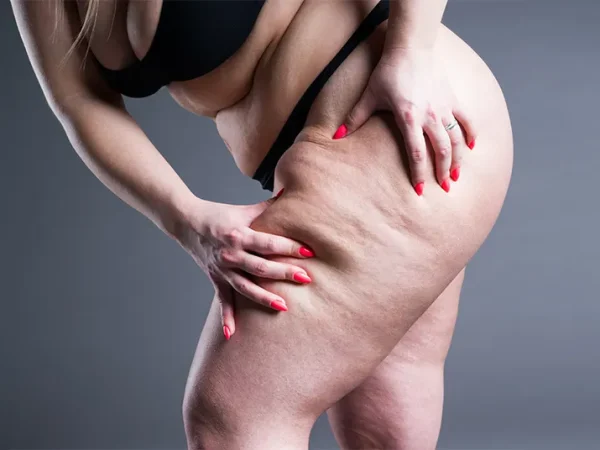
Lipedema is a chronic condition characterized by abnormal fat accumulation. Most of the time, it surfaces in women, but there are rare instances in men. The fat deposits occur in both legs and occasionally in the arms or lower torso. It causes them to appear larger than the rest of your figure.
Research suggests that lipedema may impact as much as 11% of women globally. Even with these figures, many physicians may have little knowledge of it or confuse it with other medical issues.
The primary symptoms of lipedema include swelling, pain, and easy bruising in the legs or arms. These symptoms tend to exacerbate over time. Lipedema causes susceptibility to bruising and pain in the affected areas.
Skin can be soft, with small bumps or nodules underneath. The fat accumulation is typically symmetrical. Others describe heavy legs that tire quickly, making walking or standing for extended periods difficult. Since the swelling does not fluctuate with rest or elevation, it is not like typical swelling from standing too long.
It’s getting the right diagnosis that’s the key, and that can be tricky. Lipedema can resemble lymphedema or even simple obesity, but it’s different. For instance, lipedema fat never resolves with diet, exercise, or weight loss efforts.
Lymphedema frequently begins in the feet and can be unilateral, while lipedema spares the feet and is bilateral. Diagnosis requires a trained clinician who will examine the patient’s history, investigate family cases, and conduct a physical exam. Occasionally, lipedema can present with other connective tissue disorders such as Ehlers-Danlos Syndrome, complicating the clinical picture.
It’s not just a physical problem. It can be mentally taxing. Individuals suffering from lipedema can experience shame or guilt, as others may suspect they’re being lazy. There is a heavy stigma associated with fat disorders, and not being understood can be stressful or isolating.
Basic activities, such as shopping for clothes or engaging in everyday activities, can become difficult. Creating greater awareness is the initial stride toward ensuring those with lipedema receive proper support and treatment.
Global Events Calendar
June is Lipedema Awareness Month — a global initiative to increase awareness, promote diagnosis, and support people with lipedema. Around the world, events and campaigns concentrate on education, activism, and community building. Below are some of the major events and ongoing activities for Lipedema Awareness Month, each providing opportunities to engage, educate, and unite.
-
Virtual Summits (June 5–7, Online): Expert-led panels, patient stories and Q&A sessions cover the latest research and treatments.
-
Local Meetups (Throughout June, Worldwide): Community groups host meetups in cities across Europe, North America, Asia, and Australia.
-
Educational Webinars (Multiple Dates in June, Online): Leading clinicians conduct webinars that examine the four stages of lipedema and how to care effectively.
-
Social Campaigns (#LipedemaAwareness, Global): Ongoing efforts on Instagram, Facebook, and Twitter to share purple-themed visuals and patient stories.
-
Advocacy Days (June 15 and June 29, Various locations): Groups organize letter writing, virtual town halls, and meetings with health officials.
Each of these event types welcomes people of all backgrounds to help us create a more educated and compassionate world for those impacted.
1. Virtual Summits
Virtual summits are the highlight of Lipedema Awareness Month. They unite researchers, healthcare providers and individuals with lipedema. These virtual conferences allow participants to hear about the latest treatment options and research, such as the four stages of lipedema.
Most summits include breakout sessions for sharing personal stories, which promotes empathy and solidarity among attendees. Registration is usually free or inexpensive, and easy forms are located on the event’s official websites. Most have live chat and breakout rooms so you can hop into a conversation wherever you land on the internet.
2. Local Meetups
Local meetups promote folks to build supportive communities where they live. Meeting in person can assist folks in sharing resources and tips and not feel as isolated. Finding meetups can be as easy as looking in local Facebook groups, community boards, or event sites.
As many meetups are held in public spaces such as cafés or parks, purple is the official color. These micro-meetups disseminate lipedema knowledge and the need for early diagnosis in low-awareness locations.
3. Educational Webinars
Educational webinars provide hands-on information about lipedema care and the struggle for diagnosis. Typically, healthcare professionals host these webinars, allowing participants to inquire about treatment, family history’s impact, and what to anticipate during an appointment.
Since most webinars are recorded and available for viewing afterwards, time zones and schedules are less of a hurdle. Webinar schedules and registration links are posted on organization websites and social media.
4. Social Campaigns
Social media campaigns reach audiences through Instagram, Facebook, and Twitter. Hashtags like #LipedemaAwareness and #LipedemaMonth assist individuals in discovering stories, infographics, and videos that are typically purple-hued.
These campaigns encourage folks to post about their experience, their diagnostic struggles, and advice for self-advocacy while raising the conversation. Photos and short videos, in particular, are great for drawing attention and sparking conversations.
With social media emerging as a powerful advocacy tool, it helps people come together and fight for more recognition around the world.
5. Advocacy Days
Advocacy days are days reserved for direct action. During these days, patients and organizations reach out to lawmakers to advocate for improved lipedema diagnosis and treatment. Most of these advocacy events are hosted by patient groups and include instructions for writing representatives, joining video calls or attending awareness marches.
Together, our voices demand more research funding and equitable health policies that can help reduce the women’s diagnostic odyssey. Information on how to participate is disseminated on advocacy groups’ pages and listservs.
Essential Resources
Lipedema warriors require accessible, factual information to empower themselves to comprehend the disease, access support, and pursue treatment. Trustworthy information prevents you from falling for folklore and provides actionable advice on everyday care and managing health.
Having access to the appropriate tools can go a long way in receiving the care and assistance you need.
-
Reliable websites: lipedema.net, Lipedema Foundation, Fat Disorders Resource Society, Lymphatic Education and Research Network.
-
Global patient organizations: Lipedema UK, European Lymphology Society.
-
Toolkits: guides for discussing symptoms with doctors, medical appointment checklists, and insurance appeal letters.
-
Healthcare navigation guides provide step-by-step instructions for finding specialists, understanding tests, and tracking symptoms.
-
Support for daily management: tips on compression garments, manual lymph drainage, and diet plans including advice on vitamin D and selenium intake.
Verified Information
The right information is everything when it comes to making sense of lipedema and cutting through the misinformation. Trusted sources assist patients, families, and clinicians in navigating the newest research and treatments.
-
Lipedema Foundation: research funding, clinical resources, patient education.
-
lipedema.net: detailed guides, symptom checklists, treatment overviews.
-
Fat Disorders Resource Society: advocacy, webinars, and printable guides.
-
Lymphatic Education & Research Network: news, events, and medical updates.
Passing along truths from these reliable sources to friends and community groups busts myths. Doctors are involved directly by providing accurate diagnoses and directing patients to scientifically grounded therapies.
They ought to foster open dialogue to cultivate trust and enable patients.
Support Networks
Online forums provide a secure venue to exchange anecdotes and advice. Members frequently post about compression wear, diet changes, and finding the right doctor.
Reading others’ experiences can make day-to-day decisions less lonely. A lot of these groups host virtual events or Q&As with experts.
Meeting in-person in local support groups can help people feel connected. Social bonds can alleviate stress associated with coping with a chronic disease.
Some organizations host workshops or mini-meet ups where people can share basic pointers, such as how to implement wraps or experiment with vibration therapy at home.
Checklist for support:
-
Join at least one online group or forum.
-
Attend a local meet-up if available.
-
Provide resources, like guides and checklists, to your group members.
-
Discuss emotional health and coping strategies.
-
Exchange practical tools: compression garments, nutrient-rich meal plans, tips for using vibration therapy at a frequency range of 10 to 30 Hz.
Practitioner Directories
Identifying an experienced physician is paramount. Practitioner directories include smart lipedema specialists.
Search tools sometimes allow you to filter by country, state, or specialty. Several directories feature clinics with expertise in manual lymph drainage and compression garment fitting.
Reading patient reviews or testimonials can assist in informed decision-making. Listings typically provide information about the practitioner’s experience and approach with patients.
This makes it simpler to find a match with someone who hears and gives detailed attention.
Directories tie patients to local support services, like nutritionists who provide guidance on Vitamin D and Selenium or physical therapists skilled in vibration therapy.
This aids in constructing a care team that encompasses all elements of lipedema management.
The Power of Story
Stories unite and provide others a glimpse of what it’s like to really live with lipedema. By sharing their experiences, they help illuminate a frequently overlooked condition. There’s something about personal stories that slice through textbook facts and statistics, demonstrating how lipedema impacts day-to-day life, whether it’s finding clothes that fit, managing pain, or navigating the health system.
These stories can help others recognize the symptoms in themselves or in those close to them and initiate honest conversations about seeking early assistance. When people share stories about their lipedema lives, it tears down stereotypes and misconceptions. For years, lipedema was dismissed as just weight or people were blamed for being big.
When someone shares their narrative online or in a group, it helps debunk these errors. Story demonstrates it is not lifestyle but a true disease. It changes the way doctors, friends, and families perceive the disease. When someone stands up, others find the strength to express themselves as well. Over time, this shifts the world’s perception of lipedema.
Multiple outlets allow individuals to discuss what they’ve observed and experienced. Instagram, Facebook, and X (formerly Twitter) are filled with real stories and photos. Blogs provide room for lengthier entries, and support forums allow members to converse with one another.
Others take advantage of videos to discuss new treatments, setbacks, or what makes them feel good day to day. These platforms can facilitate connection from anywhere someone resides. You can sign up for international groups or discover that someone nearby has similar interests and organize meet-ups or local events.
Stories do more than just spread awareness. They provide solace. When we read about someone else managing the same pain or challenges, it can reduce the isolation. This community is vital, particularly when dealing with an illness that can lead to isolation.
Sharing can help the teller, too. It provides room to process tough emotions, reflect on the advance, and even make peace with the diagnosis. Each story told contributes to a collective voice that has the power to advocate for improved treatment, support, research, and awareness.
Beyond Awareness Month
Lipedema deserves more than a month. This chronic condition causes fat to accumulate on both legs and occasionally the arms and trunk. It primarily impacts women and can damage their gait. Over time, it may cause swelling in blood vessels and lymph nodes. Others develop hard, thick tissue known as fibrosis and their skin bruises easily. This condition has an impact that goes far beyond the one month of awareness and often alters everyday life and health for those affected.
Advocacy and education make a difference year-round. Most people, even in health care, still don’t know too much about lipedema. Awareness shouldn’t stop when the month rolls up. Little things, such as sharing new research or treatments, keep people in the loop. This is mostly because of research on compression sleeves and bandages that demonstrate they help reduce swelling and fatty deposits.
Compression is a simple approach to dealing with the lobules and cuffs that develop around the wrists and ankles. The more they know, the earlier they can recognize symptoms or assist someone in locating treatment. Research support has to extend beyond just one month to drive treatment innovation. Research teams need consistent funding, not just the money that rolls in during awareness months.
New research examines how nutrition, such as removing starch or supplementing with Vitamin D and Selenium, can alleviate symptoms. Surgery called lymph-sparing liposuction is available to a select few. It might reduce pain and help mobility. To cultivate these choices and achieve the best results, the financing and community support need to be consistent, not just pumping in June.
Discussing lipedema doesn’t need to be reserved for a health event. It could be part of school, work, or local meet-up talks. They can share lipedema facts in newsletters, blogs, or health fairs. Even by just coordinating easy potluck type things such as a group walk where everyone wears purple, you’re raising awareness and showing support.
Purple is lipedema’s color and it travels throughout the world as a symbol of solidarity. They normalize the issue and keep it out in the open. Beyond Awareness Month: year-round support networks matter for those who live with lipedema. Online communities, local meet-ups and web seminars provide individuals with a forum in which to exchange strategies or seek assistance.
These spaces allow members to discuss what works for them, from compression to surgery, and exchange ideas on diet or supplements. A consistent community provides not just encouragement but an avenue to raise awareness, connect with professionals, and advocate for improved treatment.
Measuring Impact
Measuring impact for lipedema awareness month events means looking closer at how people participate, how they engage, and what shifts after each event. By monitoring who registers, attends, and participates in presentations or workshops, organizers can identify which sessions generate the highest level of engagement. For instance, a panel on new research could have high attendance from patients and health workers alike, whereas hands-on sessions on compression gear might draw more direct queries from those living with lipedema.
Counting social shares, downloads of resources, and follow-up contacts helps gauge the reach and usefulness of these efforts. Feedback from people who access or use these resources is another crucial stage. Truthful evaluations and questionnaire data can demonstrate what worked and what requires additional consideration for the next time.
Below is a sample of feedback results collected from recent events:
|
Feedback Area |
Positive (%) |
Neutral (%) |
Negative (%) |
Notes |
|---|---|---|---|---|
|
Event Content |
79 |
16 |
5 |
Requests for more on compression options |
|
Speaker Quality |
86 |
10 |
4 |
Praise for clarity and real stories |
|
Resource Usefulness |
74 |
20 |
6 |
Want more local info in guides |
|
Accessibility |
68 |
24 |
8 |
Need translations, better online access |
Research is a big part of measuring how these efforts influence what people know and do. For example, research underscores that lipedema is not affected by diet or fad cleanses, information that is usually absent from public presentations. Posting current study results, like Dr. Lowman’s on the impact of whole body vibration on skin blood flow, helps dispel myths.
Research indicates that vibration from 10 to 30 Hertz can alter blood and lymphatic flow, while higher rates, like 80 Hertz, can induce issues, including Raynaud’s symptoms. The research further observes that compression can reduce pain, soreness, and limb heaviness, a benefit for everyday symptoms as well as long-term care. These facts, communicated clearly at events, help people influence their own decisions.
Reporting success and reporting results gives the community hope and sustains support. Reports indicate that lipedema size can be reduced by between 1.1 and 3.2, and quality of life scores can increase significantly, particularly when applying evidence-based interventions such as compression or whole-body vibration.
Celebrating those wins together with raw experiences from people living with lipedema and research progress reports sustains the movement and attracts new supporters. This cycle of measuring, learning, and sharing creates a more powerful, more intelligent network for all those affected by lipedema.
Conclusion
Lipedema Awareness Month unites the community. We share facts, we swap stories, we lift each other up. Events begin popping up in cities big and small—walks, talks, webinars. Groups distribute guides and links, so people get assistance quickly. Lived experiences of lipedema reveal the true face of the disease. These stories resonate with people. Support doesn’t stop when the month wraps up. Clusters continue to spread information and resources throughout the year. Every step, large or little, totals and aids those who detect lipedema faster. To help continue the momentum, connect and contribute to the community this Lipedema Awareness Month with a group, story, or resource. It all adds up. Be inquisitive, inquire, and assist in raising awareness.
Frequently Asked Questions
What is Lipedema Awareness Month?
Lipedema Awareness Month is in June every year. It’s to increase worldwide awareness of lipedema, a debilitating condition that results in abnormal fat accumulation and swelling predominantly in the legs and arms.
How can I find global events for Lipedema Awareness Month?
Where to find events worldwide – check online event listings or official lipedema pages and social media. Most are virtual events so they are available everywhere in the world, wherever you are!
What resources are available for people living with lipedema?
Highlights: educational websites, support groups, online communities, medical guides. Many organizations offer downloadable guides, videos, and expert tips for those who struggle.
Why is storytelling important for lipedema awareness?
It personal stories that raise awareness and reduce stigma. When people open up about their experiences, it spreads awareness and motivates others to get assistance or support, changing lives worldwide.
How can I get involved beyond Lipedema Awareness Month?
Join advocacy groups, get involved with active research, volunteer or share good information all year round. Get moving today to spread awareness and support for those living with lipedema.
How is the impact of Lipedema Awareness Month measured?
Impact involves events attended, social media engagement, and increased funding for research and patient care. They frequently post statistics and success stories.
Where can I find trustworthy information about lipedema?
Reliable sources of information include professional medical websites, academic journals, and credible lipedema awareness groups. Trust, but check sources.