
Key Takeaways
-
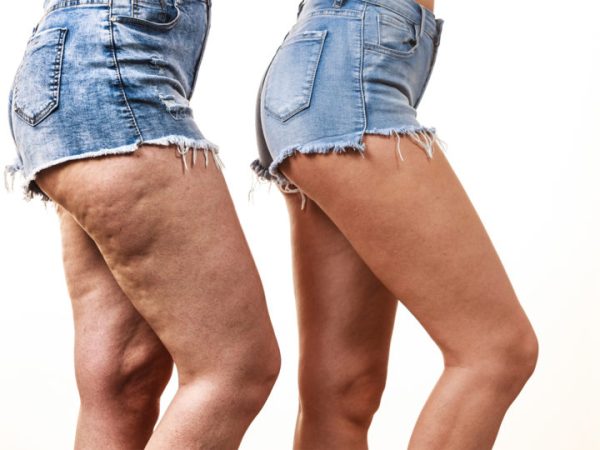
Lipedema is a long-term disorder characterized by symmetrical, abnormal fat deposits in the legs and arms. It typically causes discomfort, edema, and skin alterations.
-
Accurate diagnosis requires a comprehensive evaluation, including patient history, physical examination, and sometimes imaging to distinguish lipedema from conditions like lymphedema or obesity.
-
Be aware of symptoms like pain, tenderness, and symmetrical fat distribution for early diagnosis.
-
Hormonal fluctuations and genetic factors contribute to the progression of lipedema, emphasizing the importance of continued research and individualized treatment.
-
Patient advocacy and awareness among healthcare professionals are critical to minimize misdiagnosis and secure appropriate treatment.
-
Treatment options range from conservative approaches such as lifestyle modifications and medical therapies to specialized lipedema clinics that offer a multidisciplinary approach to care.
Lipedema is a chronic disease characterized by fat accumulation, typically in the legs and occasionally the arms. Lipedema patients experience pain, swelling, and bruising skin.
Physicians diagnose lipedema based on symptomatology, family history, and by excluding other causes of swelling. Ultrasound or MRI tests can assist but are not always necessary.
The following parts display lipedema symptoms, causes, and current treatment methods.
Defining Lipedema
Lipedema is a chronic condition characterized by the disproportionate accumulation of fat, primarily in the legs and occasionally the arms, with the feet being unaffected. It typically emerges during puberty, pregnancy, or middle age, predominantly in women. This disease is frequently mistaken for obesity or lymphedema; however, its characteristics and progression are distinct.
Diagnosis relies on an experienced clinical eye, a complete history, and physical exam. It’s frequently misdiagnosed, so understanding the symptoms is crucial in spotting lipedema early and getting treatment.
Core Characteristics
-
Lipedema appears as a symmetrical accumulation of fat on both legs or arms, with the feet and hands remaining unaffected. The fat is typically soft or nodular, and the skin can bruise easily, even from light contact. Most observe that their lower half appears significantly bigger than their top half.
-
The fat tissue is frequently painful and sensitive in lipedema, as opposed to pure obesity. Pain is common and even light pressure can be painful. This pain is believed to arise from inflammation and hypoxia in the adipose tissue.
-
Swelling and heaviness of the limbs may worsen over time, and the skin becomes harder. If left untreated, the swelling can become generalized and secondary lymphedema can result, complicating daily activities.
-
Lipedema can impact your mental health. The majority of patients have felt self-conscious, frustrated, or dismissed by medical staff, particularly as 30% have been told it isn’t real.
Disease Stages
-
Stage 1: Skin is smooth, and fat tissue is thickened, with slight swelling after standing.
-
Stage 2: Skin surface becomes uneven with bigger lumps in the fat.
-
Stage 3: Fat tissue grows larger and forms bigger masses. Skin folds may develop.
-
Stage 4: Lipo-lymphedema sets in with both fat and fluid buildup.
Early stages might require just lifestyle modifications, while advanced stages can require compression therapy, surgery, or more intensive care. Every stage presents unique challenges and regular follow-up provides the opportunity to tailor care as symptoms evolve.
If left untreated, lipedema usually gets worse and leads to increased pain and health risks.
Anatomic Types
-
Type I: Buttocks and hips
-
Type II: Buttocks to knees
-
Type III: Buttocks to ankles
-
Type IV: Arms (mostly upper arms)
-
Type V: Lower legs
Understanding the specific fat distribution aids in customizing treatment. For instance, individuals with predominantly leg involvement may find comfort in custom compression stockings while arm involvement would require sleeves.
Certain individuals actually have multiple types, which worsen symptoms and complicate treatment. Personal care plans based on where your fat accumulates outperform generic advice.
The Diagnostic Process
Lipedema diagnosis requires a meticulous, incremental methodology. Many individuals wait years to receive an accurate diagnosis because the symptoms of lipedema commonly masquerade as other diseases, like lymphedema or obesity. Evaluation should consist of a complete clinical history, physical examination, and occasionally imaging, as lipedema is primarily a clinical diagnosis based on distribution of fat accumulation and tissue texture.
The accurate diagnosis is crucial as treatment relies on understanding the distinction between lipedema and other conditions. Being familiar with the stages of lipedema, which frequently coincide with hormonal shifts, can assist in painting a clearer picture.
1. Patient History
Clinicians begin with a complete medical history, asking when symptoms began, how they have evolved, and whether other family members have experienced similar issues. Family history is relevant because approximately 15 percent of lipedema patients have an immediate family member with the condition.
Previous remedies, like diets or physical therapy, need to be recorded as well, as the majority of patients will have attempted to address the swelling or pain previously. Lifestyle factors are important. Weight loss or gain, exercise, and eating habits all provide hints about how the disease has evolved.
Patients are prompted to discuss everyday troubles because the sensation of limb tightness or bruising easily are hallmark signs that can aid in diagnosis.
2. Physical Examination
Doctors examine the legs and arms for indications of swelling, tenderness, and the hallmark lipedema fat accumulation. They check for symmetry since both sides are typically involved in lipedema. The skin may be soft or nodular and may occasionally reveal bruises with small lumps.
Palpation, or pressing on the tissue, is key. Tenderness and a rubbery texture assist in differentiating lipedema from other forms of swelling. The exam involves looking for skin lesions and observing if feet or hands are spared, another sign for lipedema.

3. Differential Diagnosis
A lot of different diseases can mimic lipedema. Lymphedema causes swelling but typically in a single limb, whereas obesity is generally distributed throughout the entire body. Eliminating these possibilities is necessary to do it right.
Physicians could collaborate with experts in vascular medicine, dermatology, or endocrinology. This team approach ensures nothing falls through the cracks. Because lipedema has distinctive characteristics, a physician experienced with the condition is ideally suited to guide diagnosis.
4. Imaging Technologies
Imaging, such as ultrasound or MRI, can show how fat is spread under the skin and if there are changes in the lymphatic system. These tools help measure how much tissue is affected and look for patterns that match lipedema.
Still, imaging alone is insufficient. It doesn’t supplant the physical exam. These tests are most useful when combined with what the doctor observes and palpates.
5. Emerging Biomarkers
They are attempting to discover blood or tissue markers that can validate lipedema. Initial studies investigate genetic, hormonal, and other bodily signals. These might speed diagnosis or untangle difficult cases.
If biomarkers eventually do become available, they could assist doctors in selecting more personalized treatments. In the meantime, keeping abreast of new research might improve the diagnosis and management of lipedema.
Underlying Causes
Lipedema is a chronic condition characterized by the disproportionate accumulation of fat, primarily in the legs and occasionally the arms, with relative sparing of the trunk. We don’t really know what causes it, but most studies indicate a combination of genetic and hormonal causes. It is known that the condition develops over years and slowly too, with more advanced stages often requiring a minimum of 17 years to establish.
Lipedema frequently coincides with obesity and lymphedema, and at times, this conjunction results in the more challenging lipo-lymphedema condition. The extent to which lipedema is common is unknown, ranging from 1 in 72,000 to 1 in 5 women.
|
Factor |
Description |
|---|---|
|
Hormonal changes |
Fluctuations, especially in estrogen, can trigger or worsen lipedema during puberty or pregnancy. |
|
Genetic predisposition |
Familial patterns suggest a hereditary component, often seen across generations. |
|
Adipokines |
Molecules from fat tissue that promote chronic inflammation, possibly driving disease progression. |
|
Mechanical stress |
Lower body fat faces more fluid pressure, making swelling and fat buildup more likely. |
|
Co-existing factors |
Obesity, lymphedema, and mental health issues can worsen symptoms and disease progression. |
Hormonal Influence
Hormones, particularly estrogen, appear to have a significant role in lipedema. The illness frequently begins or worsens around periods of significant hormonal change, like puberty, pregnancy, or menopause. These periods are connected to surges or declines of estrogen, which can influence both fat cells and fluid retention.
Estrogen can cause fat cells in the legs and hips to grow at a faster rate and retain more water, potentially explaining why women are more prone to lipedema than men. Hormonal swings further exacerbate symptoms. Women may observe that pain, swelling or fat accumulation becomes more difficult to endure during pregnancy or after initiating hormone-based medications.
That’s why it’s crucial to examine hormones when you’re developing a care plan. Addressing these changes can potentially slow disease progression or make symptoms more manageable. Sometimes doctors will consider hormonal treatments, but additional study will be required to determine their effectiveness for lipedema.
Genetic Links
While we understand that lipedema runs in families and has a very strong genetic connection, a lot of people with the disease can trace it back to mothers, aunts, or grandmothers, suggesting that certain genes render people more susceptible. Identifying these trends enables physicians to detect early signs in those with a hereditary predisposition, allowing for earlier intervention.
While not yet routine, genetic testing has promise for aiding people in understanding their risk and planning ahead. For families with multiple cases, genetic counseling can provide assistance. This helps people know what to anticipate and how to monitor for early signs in themselves or family members.
There’s active research into which genes are involved. Knowing them could be key to new treatments or improved methods of detecting the disease early. Until then, keeping family history top of mind is one of our best tools for early diagnosis and support.
Recognizing Symptoms
Lipedema is a persistent disease with characteristic symptoms. Identifying these symptoms early on assists in steering proper treatment and slowing progression. The most common symptoms of lipedema include:
-
Unrelenting pain, heaviness, and tenderness in the legs, thighs, hips, or arms that do not get better with standard weight loss measures.
-
A symmetrical accumulation of fat on the body on both sides predominantly below the waist spares the hands and feet. This leaves an obvious cuff or ‘collar of fat’ around the ankles.
-
Skin texture alterations can include areas that are soft and lumpy or occasionally hard and gritty. Easy bruising occurs often, and the skin may exhibit induration or tenderness.
-
There’s usually some fatigue and brain fog as well.
-
The condition can exacerbate during hormonal changes, including puberty, pregnancy, or menopause.
-
A negative Stemmer sign, where skin on the toes or fingers can be pinched and lifted, is often useful in distinguishing lipedema from other swellings.
-
Advanced lipedema can develop over years, sometimes up to 17 years on average before diagnosis.
-
Emotional effects are widespread, ranging from distress about body changes and frustration over pain to withdrawal from social life.
Familiarize yourself with the symptoms so that you can catch them early and reduce their effects. Symptoms vary a lot from individual to individual, so care must be personal. The majority face emotional strain as well as physical issues, making awareness and support even more essential.
Pain and Tenderness
Pain in lipedema is not a dull ache. It may be sharp, burning, or throbbing, aggravated by standing, walking, or even light touch. The soreness impacts everything from walking up stairs to sitting for extended periods.
Some experience pain constantly, while others only after pressure or motion. This pain can restrict work, exercise, and social activities, reducing quality of life for many. We must address pain as well in any care plan, and options like physical therapy, gentle exercise, and compression can help control symptoms.
Symmetrical Fat
One classic indicator involves the symmetrical accumulation of fat, typically across both legs or arms. This distinguishes it from obesity, where fat is typically uneven and may affect the torso, hands, and feet.
In lipedema, the fat feels soft, nodular, or grainy, and hands and feet are typically spared. Observing these patterns is critical for diagnosis. Patients need to monitor body changes and discuss them with their doctor. This aids in crafting a care plan tailored to their needs.
Skin Texture
Skin in lipedema usually transforms. It may be indurated, boggy, or nodular beneath the skin and occasionally may look ecchymotic for no apparent reason. Others observe sores or spots that sting on contact.
The infection risk, such as cellulitis, is greater, so you need to check your skin frequently. Good skin care, like keeping clean and dry, can reduce complications. Seeing a dermatologist or specialist helps control these skin issues and detect complications early.
The Diagnostic Challenge
Diagnosing lipedema is difficult as its symptoms can closely resemble other conditions, most notably simple weight gain or obesity. This overlap frequently sends patients and doctors off down the wrong track. Early symptoms, such as swelling and deposition of fat in the legs, hips, or arms, are easy to overlook or dismiss.
Most healthcare workers are ignorant about lipedema, so they may not identify the symptoms. It is commonly misdiagnosed, and its chronic nature means it is frequently overlooked or mistaken for other ailments. Family history can be a tip, as approximately 15% of individuals with lipedema have a family member who carries the same diagnosis.
Even this isn’t always sufficient for clarity. Lipedema can present with other conditions, such as lymphedema or obesity, compounding the confusion. By making the medical community more aware of it and advocating for more education, we can help ensure people get diagnosed earlier and more accurately.
Common Misdiagnoses
Lipedema is usually misdiagnosed as obesity, lymphedema, or simple weight gain. Since the fat accumulation of lipedema primarily affects the legs, hips, buttocks, and occasionally the arms, while the hands and feet remain unaffected, physicians can miss these hallmark distributions.
Most patients are told to diet or exercise more, even when these measures don’t relieve their pain or inflammation, which can result in lost time and even exacerbated symptoms. Some are treated for lymphedema, which often does not work for lipedema. Others resort to weight-loss programs that simply leave them feeling more defeated when there’s no difference.
It assists me as a diagnostician when patients are familiar with their own symptoms and can describe what’s unique about their own physiology. The more they understand, the better they can probe with the right questions and push for specific answers.
When physicians collaborate and exchange information and when they do so in a multidisciplinary context with other providers, it increases the likelihood of an accurate diagnosis.
Patient Advocacy
The diagnosis dilemma. Patients who discover lipedema are empowered advocates. Understanding the symptoms, trends, and what has or hasn’t been effective enables them to request appropriate treatment.
Community groups and forums can offer tips, anecdotes, and supportive camaraderie. If a doctor won’t listen or appears uncertain, a second opinion is in order. It really helps to hear from others who have suffered through the same ordeal.
Patient stories help raise awareness and educate others, patients and professionals alike, about what to look for and anticipate.
Specialist Consultation
Dealing with doctors who are familiar with lipedema is crucial. These experts are able to view the entire clinical picture and distinguish the difference between lipedema and other disorders. Frequently, optimal care is team care, which could include doctors, nurses, nutritionists, and physical therapy, for example.
They can all contribute something useful. Open, continuous communication between patients and their care team produces better outcomes. Treatment plans that fit the person and their needs work best.
Specialists help ensure these plans are appropriate for each case.
Management Pathways
Lipedema management typically requires a combination of strategies, influenced by each patient’s individual needs, medical history, and symptoms. There is no one-size-fits-all solution. Most patients experience optimal outcomes with a multidisciplinary approach which can involve physicians, physiotherapists, and psychologists. The goal is to relieve symptoms, decelerate disease progression, and assist everyone in living as well as they’re able.
Diet and exercise go a long way with managing lipedema. Diet alone cannot cure lipedema, but consuming a balanced, nutrient-dense diet can aid in weight management and promote overall health. Others discover that avoiding processed foods and salt can ease bursting.
Routine, low-impact exercise, such as walking, swimming, or cycling, can assist in preserving muscle mass, enhancing movement, and reducing pain. Exercise uplifts mood and can alleviate some of the mental health symptoms associated with lipedema. It’s key that exercise regimens are mild and customized to the individual’s capacity to prevent damage or exacerbated soreness.
Compression garments are another lipedema care stalwart. These magical stockings and sleeves apply light compression to impacted limbs, which can reduce swelling, reduce discomfort, and increase circulation. Compression additionally aids in dispelling inflammation and oxidative stress from swollen tissues.
For most, donning these outfits every day controls symptoms and may even decelerate transmission. We’ve found that the right fit and type of garment can make a big difference, so it often takes some trial and error to find what works best.
Medical treatments may be relevant for some patients. Liposuction under tumescent local anesthesia is an option for certain patients, particularly when the pain or swelling is more pronounced. It can take away some of the dead fat, which means less pain and more mobility.
Surgery isn’t for everyone and it carries risks, so it should be considered thoughtfully alongside a medical team. ICG lymphography, a state-of-the-art imaging technique, allows clinicians to visualize lymphatic function in real-time. This assists in directing treatment options and identifying gaps requiring additional care.
Lipedema is frequently associated with co-morbid conditions such as obesity, thyroid or heart disease. These should be managed in conjunction with lipedema for optimal outcomes. Mental health matters as well. Plenty of us get nervous or down about the changes to our bodies or routine.
Counselors, social workers or support groups can make a real difference. Management strategies need to be patient-focused and fluid. They evolve as needs or symptoms evolve. Active investigation continues to find new methods of assistance, so it’s important for patients to remain educated and engaged in their treatment.
Conclusion
Lipedema shows up as more than just extra fat. It brings pain, swelling, and changes in shape. Many people miss or mix up these signs with other health issues. Early checks and clear signs help doctors spot it faster. Tests and a talk with a doctor give the best results. Treatment often means healthy eating, moving more, and support from care teams. Many people find relief with the right steps. To learn more or check your own risk, talk with a health worker who knows about lipedema. Staying informed helps you spot changes and plan next steps for care. Want to stay updated? Read more or reach out to your local clinic for tips.
Frequently Asked Questions
What is lipedema?
Lipedema is a chronic disorder of adipose tissue generally affecting the legs and occasionally the arms. It primarily involves women and causes pain and swelling.
How is lipedema diagnosed?
Doctors diagnose lipedema based on a physical exam, medical history, and eliminating other diagnoses. There is no definitive test for lipedema.
What are the main symptoms of lipedema?
The primary symptoms are symmetrical swelling in the legs, pain, easy bruising, and a sensation of heaviness. The feet are typically spared.
What causes lipedema?
The cause of lipedema is not known. Genetics and hormone changes, like puberty or pregnancy, might contribute.
How is lipedema different from obesity or lymphedema?
Lipedema fat, unlike obese fat, does not diminish significantly with either diet or exercise. Lymphedema typically impacts a single limb and presents with swelling of the feet, unlike lipedema.
Can lipedema be cured?
There is no cure for lipedema at this time. Therapy aims to control symptoms, enhance quality of life, and limit advancement.
What treatments are available for lipedema?
Treatments consist of compression therapy, manual lymphatic drainage, exercise, skin care, and in some cases, liposuction. Early diagnosis helps address symptoms more effectively.