Key Takeaways
-
Among other benefits, manual lymphatic drainage (MLD) has been shown to reduce pain, swelling, and discomfort in people with lipedema.
-
Consistent MLD can enhance your skin’s health and mobility. This helps you better engage in day to day activities.
-
Regular MLD can help with long-term pain management and potentially stop disease progression.
-
Combining MLD with complementary therapies such as nutrition and counseling can provide holistic benefits.
-
Take lessons on proper MLD from certified practitioners for safer and more effective results at home or in the clinic!
-
Early diagnosis and a comprehensive approach, encompassing both physical and emotional care, is key to effectively managing lipedema.
Manual lymphatic drainage for lipedema alleviates swelling and pain by draining fluid from the tissues. This gentle massage technique supports the lymph system, which can slow new swelling and assist with comfort.
A number of folks with lipedema report that their legs feel lighter and less tight after sessions. The advantages can be smoother skin and easier mobility.
Below, the post shares more on how this therapy works and what to expect.
Understanding Lipedema
Lipedema is a chronic disorder that alters fat accumulation, typically in the legs and arms. This little-known disorder mainly impacts women and is even poorly understood among many health professionals. Unlike typical weight gain, lipedema fat is firm—what doctors term fibrotic—and doesn’t disappear with diet or exercise alone.
It’s not caused by overeating or inactivity, but being overweight can exacerbate symptoms. Most individuals with this condition encounter judgment or blame from others, which can contribute to stress.
It’s important to diagnose lipedema early. The symptoms can resemble other conditions, like straightforward obesity or lymphedema, so it can be difficult to identify. What makes lipedema distinct is that the fat is hard, the swelling is symmetric (equal on both sides), and the feet and hands are typically spared.
Frequently, lipedema patients aren’t aware of their condition until it escalates or causes additional complications, such as lymphedema, which is a complication with fluid retention due to improper lymphatic drainage. This occurs in many instances as the disease progresses. Obtaining a correct diagnosis early assists in selecting optimal treatment and long-term care planning.
Living with lipedema is like navigating between body transformations and everyday pain. Swelling, tenderness, and pain are common. Others experience heaviness or soreness after extended standing or activity.
These alterations in the appearance of legs or arms can be difficult to conceal and frequently attract unwanted attention. This can result in emotional suffering and even mental health problems such as anxiety or depression. A number of lipedema sufferers mention feeling ostracized or scrutinized in public spaces, which compounds the issue.
Individuals with this condition require care for their bodies and their souls.
|
Symptom |
Physical Impact |
Emotional Impact |
|---|---|---|
|
Swelling |
Heaviness, discomfort in legs/arms |
Embarrassment, frustration |
|
Tenderness |
Pain when touched or pressure is applied |
Anxiety, social withdrawal |
|
Pain |
Ongoing aches, worse after activity |
Sadness, low self-confidence |
|
Changes in shape |
Fat buildup in lower body, upper arms |
Self-consciousness, isolation |
Lipedema is a fat disorder, not a fluid problem. The connection between the lymph system and lipedema is essential to understanding its pathogenesis. As the fat accumulates, it can decelerate lymph flow, causing increased swelling and in some instances, secondary lymphedema.
This knowledge aids patients and care teams alike in identifying improved methods to manage symptoms and impede the disorder’s progression.
The MLD Benefits
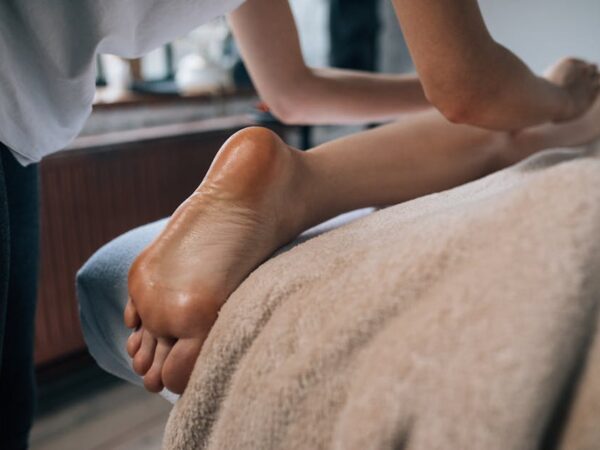
Manual lymphatic drainage (MLD) is a soft therapy utilized to aid in lipedema management. The method relies on gentle, rhythmic massages designed to push lymph fluid out of congested tissues, increase natural lymph flow, and foster a healthier cellular environment.
Individuals with lipedema experience pain, swelling, and skin alterations that impact their daily well-being. Here are some of the benefits of MLD.
Benefits of Manual Lymphatic Drainage for Lipedema:
-
Reduces pain and tension in swollen limbs
-
Lowers swelling, leading to visible improvements
-
Enhances skin health by promoting improved circulation and reduced inflammation
-
Improves mobility and flexibility in daily life
-
Supports emotional well-being through relaxation and pain relief
1. Pain Relief
MLD utilizes slow, gentle strokes to assist in reducing the pressure in swollen regions, allowing the lymph fluid to flow more freely and decreasing pain. This method, if carefully performed, can soothe the nervous system and provide dramatic pain relief, especially in the legs and arms.
By working on the skin and soft tissues, MLD helps relieve muscle tension and reduce soreness, which many people with lipedema experience on a daily basis. Even 15-minute sessions regularly can make a real difference.
With time, they tend to experience less pain and more control over their body. Average pain scores, for example, fall after regular MLD, indicating its usefulness in a pain management regimen.
2. Swelling Reduction
MLD assists in mobilizing excess fluid out of tissues, reducing swelling and making limbs feel lighter. When the lymph system functions better, it can prevent waste buildup and reduce the risk of additional complications such as lymphedema.
It has even been shown to cause as much as a 40% reduction in leg volume after just one month of consistent therapy. Less swelling typically translates to better fitting clothes and higher self-esteem.
If you keep your swelling down, you support long term health by helping slow the progress of lipedema.
3. Skin Health
The improved blood and lymph flow from MLD can make skin look and feel healthier. This soft massage helps reduce inflammation, which many lipedema sufferers battle with.
MLD aids in the formation and alignment of collagen for stronger, smoother skin. Hydration and basic skin care, combined with MLD, keep skin in good shape.
Flushing toxins from tissues reduces the risk of infection, which is crucial for lipedema warriors.
4. Mobility Improvement
It’s easier to move around, which is a big plus of regular MLD. Once swelling subsides, joints can move with less pain and more range.
This enables users to participate in everyday activities such as walking, driving, or working out more frequently. The MLD advantage is significant.
As mobility bolsters, independence frequently follows and aids mental and emotional health.
5. Emotional Well-being
MLD’s soothing quality can reduce stress and anxiety. Lots of folks swear they are more relaxed post-session. Pain and swelling relief boosts spirits and makes it simpler to contend with everyday stresses.
For some, regular treatments can help them feel more in control of their health. Emotional support and physical care are important for full, long-term healing.
The MLD Process
MLD is a manual therapy to help mobilize lymphatic fluid out of swollen limbs, something very common in lipedema. This soft approach is supported by a long history, initially developed by Dr. Emil Vodder and his wife Estrid in 1936 in Paris, primarily for swollen lymph nodes.
Today, MLD is an essential component of Complete Decongestive Therapy (CDT) provided in both phases of this therapy. It is a process that works with slow, light, rhythmic movements on the skin to guide lymph fluid toward healthier lymph collectors, to reroute blocked fluid and reduce swelling in the long run.
-
Preparation and Assessment: Each session starts with a quick check of the swollen limb. The therapist looks for changes in skin, swelling, or pain. This helps pick the right areas to focus on and choose the best stroke. For example, in someone with lipedema in the legs, the session may focus more on the thighs and calves.
-
Relaxation and Environment: A key part of MLD is the setting. We conduct our sessions in peaceful rooms with gentle lighting and calming music. This soothing environment relaxes the subject, which often enhances the massage’s efficiency. If the body is relaxed, the soft touch can do more and aid lymph flow.
-
Gentle Massage Techniques: At the core of MLD is its signature, feather-light touch. The therapist uses four main strokes: stationary circles, scoop, pump, and rotary. Every stroke is slow and gentle, just enough to stretch the skin, never pressing hard.
In a fixed circle, the therapist rotates the fingers in slow, minute circles. The scoop has a cupping shape to extend the skin. The pump employs a mechanical rhythmic push to move lymph, whereas the rotary stroke utilizes spiral forms. These strokes are utilized in a fixed sequence, for example, beginning at the neck or trunk to activate primary lymph nodes initially, then progressing from them outward.

When you move the skin in these patterns, you are helping open healthy lymph collectors and move protein and fluid into them, which accelerates lymph flow.
-
Repetition and Consistency: For best results, MLD should be done often. Most lipedema patients receive MLD two to three times per week initially, then less frequently as the swelling subsides. Consistent sessions are essential to maintaining progress, as the lymphatic system requires continual support to keep fluid flowing.
Adhering to a schedule, particularly in phase II of CDT, can provide relief by preventing swelling and increasing comfort.
Professional vs. Self-Care
Manual lymphatic drainage (MLD) is a core therapy for lipedema, but if it’s done by a professional or as self-care can impact the outcomes. Both have critical roles in treatment and everyday management, but they each have advantages and disadvantages.
Professional MLD therapy:
-
Provides the most comprehensive and specific care.
-
Therapists customize plans of care to each individual.
-
May assist in reducing inflammation, relieving pain, and altering tissue composition.
-
Associated with improved leg mobility and reduced limb volume in research.
-
Frequently as part of more comprehensive programs such as complete decongestive therapy.
-
Sessions can be spaced out, occasionally every 2 to 4 weeks for maintenance.
Self-MLD techniques: Self-MLD techniques can be used each day at home for consistent results. They aid in lymphatic flow, reduce inflammation, and increase skin tone. They also strengthen connective tissue and enhance leg sensation and function. While not as thorough or comprehensive as professional care, they are good for upkeep. Additionally, they are simple to incorporate into daily life, empowering the person with lipedema.
Professional MLD makes sense when swelling is difficult to manage, pain is elevated, or tissue changes are advanced. Trained therapists notice things staring you in the face that you might miss in self-care. They employ hands-on expertise to go deeper, customize pressure, and monitor progress. This is especially important when lipedema is more severe or other health problems exist.
For MLD newcomers, beginning with a therapist can ensure the correct steps are learned from the beginning.
Self-care is best for day-to-day support or in between professional visits. It’s great for slight inflammation or once you have things in a stable rhythm. Self-massage may benefit individuals who live a significant distance from clinics or require a more flexible schedule.
However, it’s no substitute for professional hands; self-massage can skip areas, be uneven, or apply too much or too little pressure.
Learning the right ways from a licensed therapist is essential. Bad technique can cause skin damage or provide no actual value. They’ll educate you on safe methods to increase lymph flow, identify warning signs, and integrate self-massage into a comprehensive recovery strategy that might include compression and movement.
This forms a solid foundation for secure home care.
A Holistic Approach
A holistic approach considers the whole individual, not merely the symptoms. For lipedema, it means care that encompasses your physical, emotional, and even spiritual needs. Manual lymphatic drainage (MLD) is one aspect of this. MLD is a light touch massage that encourages the lymph system to mobilize fluids and waste. It can reduce swelling, alleviate pain, and enhance skin health.
For optimal results, MLD tends to play best when combined with other techniques.
-
MLD with compression therapy will help regulate swelling and suspend fluid buildup.
-
When combined with light exercise, MLD can enhance mobility and assist with everyday activities.
-
Consulting a dietitian can assist individuals in selecting foods that will not exacerbate inflammation.
-
Mental health support can reduce the stress of chronic illness.
-
Self-care education gives individuals agency in their wellbeing and helps them detect symptoms early.
-
Other MLDers pair it with mindfulness or breathing work to reduce stress and help them relax.
A quality treatment plan is about more than just care for the body. It should assist with mental wellness as well. Lipedema can translate to pain, fear, and a shifting body image. Others might feel overwhelmed or depressed. Discussing it with a counselor or support group may assist.
Techniques such as deep breathing, meditation, or yoga can help you manage. Something that works on both mind and body can really help day-to-day.
A fairly healthy lifestyle is important, too. A well-balanced diet with plenty of fruits, veggies, and lean protein can help keep inflammation down. Hydration is essential. Consuming ample water daily supports the lymph system’s smooth functioning.
Steer clear of salty or processed foods if you can. Light, regular movement, such as walking or swimming, can help keep the lymph flowing. Small things, such as using the stairs or stretching, can accumulate and make a difference.
Patient education is huge in lipedema management. Education about the disease empowers individuals to recognize symptoms early and pursue assistance if necessary. Knowing how to do simple self-massage at home or when to call a doctor puts more control in people’s hands.
Education might include skin care, infection warning signs, and how to stay active. Access to transparent, accessible information empowers individuals to make more informed decisions regarding their own health.
Finding a Therapist
Finding the right therapist for MLD can make a distinct difference for lipedema patients. The right fit means a skilled person with the right expertise, not just someone who knows the fundamentals. Most of us begin by seeking out therapists with the designation “CLT” (Certified Lymphedema Therapist) or “OTR/L” (Occupational Therapist, Registered/Licensed) who have completed additional lymphedema training.
These credentials indicate that the therapist has taken the time to learn the science and craft behind lymph drainage, not just massage. Some therapists have special training in lipedema, which can help them know the big picture and small changes that matter for this condition. Credential checking is just one important piece of the puzzle.
Just as important is looking at experience. Certain therapists might list lymphedema, but lipedema is a separate condition and requires a separate approach. Inquire about their experience with lipedema patients, what sort of outcomes they’ve observed, and how they design treatment plans. Almost all quality therapists will perform a complete check-up on the first visit.
This includes taking circumference measurements to gauge swelling, examining skin condition, and discussing daily changes of swelling. This initial step makes for a treatment plan that suits the individual, not simply the issue. Personal referrals are usually a good bet. Doctors, nurses, or even surgeons who treat lipedema can sometimes provide names of therapists familiar with the condition.
Lipedema support groups, in person and online, can assist. Therapy veterans can provide advice on what worked, what questions to ask or who to steer clear of. Certain groups maintain trusted therapist lists of people who have assisted members with MLD and other care steps. This sort of advice can save time and enhance results.
A therapist who “gets” lipedema isn’t just about expertise. They know the pain, the daily restrictions and tension that can accompany swelling. They might observe how lymphedema or lipedema makes normal things, such as walking or wearing shoes, more difficult. Occupational therapists trained in lymphedema see how to assist you in maintaining or regaining daily function and feeling more in command.
A Certified Lymphedema Occupational Therapist will incorporate goals that matter to the patient, such as increased comfort at work or reduced swelling at night. MLD sessions typically last 30 to 60 minutes. The therapist manually moves lymph fluid with slow, gentle movements to help guide swelling to drain and reduce pain.
The therapist schedules follow-ups depending on the amount of swelling or the patient’s response. This plan varies from person to person, and the therapist should discuss what to anticipate and how to monitor progress.
Conclusion
Manual lymphatic drainage can help individuals with lipedema experience a reduction in pain and swelling. Many people experience softer skin and increased ease of movement. Others experience improved sleep or a reduction in leg tightness. MLD works well with other treatments, such as eating a healthy diet and increasing activity. A qualified therapist can walk through each step and assist with goal setting. Some attempt self-massage at home for immediate relief. Choosing the right support matters. Each little action adds up to actual transformation, day after day. To learn more, speak with a care team or certified therapist. Ask questions, vent your needs, and take it one step at a time. Little things accumulate, and assistance is available.
Frequently Asked Questions
What is manual lymphatic drainage (MLD) for lipedema?
Manual lymphatic drainage (MLD) is a soothing massage method. It facilitates the movement of lymph fluid and decreases swelling and pain in lipedema patients.
How does MLD benefit people with lipedema?
MLD is beneficial for lipedema because it helps reduce pain, swelling, and heaviness in affected areas. It can enhance skin quality and prevent additional fluid accumulation.
Is MLD safe for everyone with lipedema?
MLD is pretty safe. Those with certain health issues, like heart or kidney problems, should check with a healthcare provider before beginning MLD.
How often should MLD be done for lipedema?
It can be spaced out depending on your needs. Most therapists suggest sessions multiple times per week initially and then less frequently as symptoms subside.
Can I perform MLD on myself at home?
Certain techniques you can learn to do at home. Having a professional with you is important.
What should I look for in a qualified MLD therapist?
Select a therapist with proper certified training in MLD, ideally one who has worked with lipedema patients before. Look for accredited certifications and good reviews.
Does MLD cure lipedema?
MLD does not cure lipedema. It controls symptoms by enhancing lymphatic circulation and decreasing edema. Lifelong management is generally required.