
Key Takeaways
-
Lipedema is a lifelong issue and it needs to be diagnosed properly and treated in a way that’s right for you to optimize your movement and life.
-
Arm liposuction for lipedema employs unique methods that extract the diseased fat, limit injury, and preserve lymphatic capacity with great concern for patient well-being.
-
Getting ready for surgery involves adhering to pre-operative guidance, ensuring good nutrition, and organizing assistance after the operation.
-
Recovery includes handling swelling and pain, following post-op care instructions, and wearing compression garments.
-
Patients should be aware of signs of complications, follow up with visits, and get medical attention if concerning symptoms develop.
-
Long-term outcomes require continued lifestyle changes, maintenance, and consistent follow-ups with medical professionals to track progress and health.
Lipedema arm liposuction is a procedure that extracts lipedema fat from the arms. What to expect before, during, and after the procedure is a question almost everyone wants to ask.
The key phases are a doctor’s visit, surgery with local or general anesthesia, and a recovery period lasting several weeks. Understanding these phases allows individuals to prepare for treatment, recovery, and potential complications of lipedema arm liposuction.
Understanding Arm Lipedema
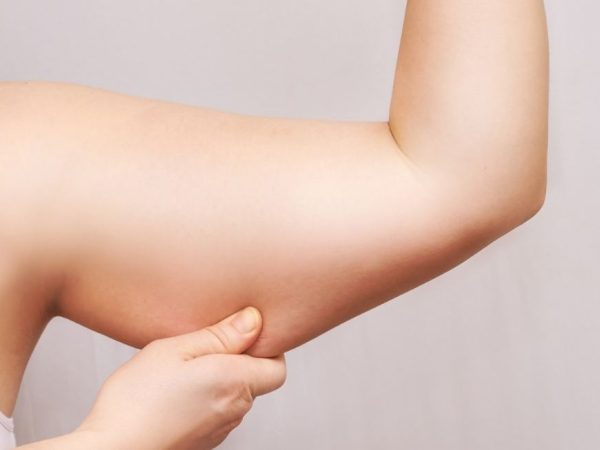
Lipedema is a chronic disorder of fat accumulation in the arms and legs. It’s not like regular body fat and cannot be lost with a diet or exercise. Patients frequently report swelling, pain, and skin that bruises very easily. These symptoms can cause basic activities, like rising from bed, showering, or even walking to become more difficult.
As lipedema progresses, it can alter the appearance of the arms, resulting in a weighty, ‘column’ like contour. The disease primarily impacts females and is associated with hormonal changes, such as puberty or menopause. A timely and accurate diagnosis is critical as it helps patients plan their care.
The Condition
Lipedema is different from weight gain and lymphedema. Unlike obesity, which is general fat gain, lipedema fat is disproportionate and rests primarily in the arms and legs. It does not go away with diet or normal exercise.
Lymphedema is swelling caused by fluid retention and typically occurs in one extremity, whereas lipedema is bilateral and characterized by tenderness and easy bruising. Types of Lipedema, Stages of Lipedema and Arm Lipedema. In early stages, the skin is soft and fat accumulates primarily in the upper arms. The skin may appear smooth.
As it progresses, the fat becomes harder, the skin can feel nodular and swelling worsens. In the last stage, the shape of the arms can shift significantly, impeding mobility and occasionally resulting in lymphedema in addition to lipedema. Treatment options vary by stage. Early stages can be helped with conservative care, but later stages require surgery such as liposuction.
Hormones and their fluctuations play a huge role in why lipedema begins. Most start or worsen during periods of significant hormone change. Nearly all patients are female, and onset frequently coincides with puberty, pregnancy, or menopause.
Lipedema can take a toll on mental health. A lot of us are self-conscious of our arms or shy away from certain clothing choices or social occasions. This emotional toll can be just as difficult as the physical symptoms.
The Candidate
The optimal candidates for arm lipedema liposuction are those with a confirmed diagnosis, good general health, and stable weight. These patients may experience fat that is painful and restrictive in their lives, even with conservative therapy.
You need to have a complete medical check before you go in for any surgery. They will consider your general health, medications, and previous treatments. This aids in identifying any concerns and preparing a secure strategy.
Post-surgery care is not done. Results depend on careful follow-up, including wearing compression sleeves, keeping a healthy lifestyle, and attending check-ups. This component requires patience and work on the part of the patient.
Expectations have to be realistic. Surgery can help significantly, but it won’t remove every bit of fat or resolve every issue. It can reduce pain, increase mobility, and enhance quality of life.
The Surgical Procedure
Lipedema arm liposuction is a specialized surgical technique designed to alleviate pain, swelling, and bulk associated with lipedema fat deposits. These steps are intended to extract abnormal fat and preserve the lymphatic system as it is critical to long term health.
Surgeons utilize tumescent and water-assisted liposuction, which when done gently can enhance mobility and quality of life for those afflicted with lipedema. On the operating table, it is a sterile environment and a surgeon’s touch counts at every step.
Techniques
|
Method |
Approach |
Cannula Size |
Risk to Lymphatics |
Recovery Ease |
Noted Benefits |
|---|---|---|---|---|---|
|
Traditional Liposuction |
Dry/wet |
4-6 mm |
Moderate |
Slower |
Broad fat removal |
|
Tumescent Liposuction |
Fluid infiltration |
3 mm microcannula |
Low |
Faster |
Less trauma, less blood loss |
|
Water-Assisted (Body Jet) |
Gentle water spray |
3 mm microcannula |
Very low |
Fastest |
Gentle, lymph-sparing, less bruising |
Specialized cannulas, usually 3 mm wide, pick up fat only, sparing nerves and blood vessels. Lymph-sparing techniques preserve lymph vessels, reducing the risk of lymphedema post-surgery.
All arms are different, so the surgeon customizes technique, fluid volume, and instruments to the patient’s unique fat pattern, skin quality, and health history.
Preparation
Checklist for Pre-Operative Steps:
-
Review medical history and give full medication list.
-
Stop blood-thinning drugs and herbal products as advised.
-
Eat balanced meals with enough protein and vitamins.
-
Drink plenty of water for several days before surgery.
-
Recruit a friend or family member to assist you after surgery.
-
Wear loose clothing on surgery day.
Eat and drink well to recover well. If you inform your physician about any pills, supplements, or herbal teas you consume, they can help protect you.
A support person aids with transport and day-to-day duties because you will need to rest, particularly in those initial 24 hours.
Anesthesia and Recovery
Arm liposuction utilizes local or general anesthesia depending on patient comfort, treatment area, and surgeon preference. Tumescent solution numbs tissue and shrinks blood vessels, making the terrain safer to navigate.
Post-surgery, compression garments need to be worn round-the-clock for six to eight weeks. Swelling and bruising are standard and typically dissipate after a couple of weeks.
Avoid any heavy lifting or exercise for at least one week. Most experience final results within three to six months.
Post-Surgery Expectations
Lipedema arm liposuction recovery is a phased procedure that requires patience and consistent self-care. If you know what to expect, you can plan and manage your healing for optimal results. Every stage of recovery presents its own obstacles and achievements.
1. Immediately After
Patients sometimes come out of surgery in recovery with their arms swaddled in compression sleeves. Pain, swelling, and bruising are immediate and normal responses. Nurses will monitor vitals and assist with pain using prescribed medications.
It is common for incisions to drain for one to two days and sometimes for up to a week. Simple arm exercises, like wiggling your fingers or flexing your wrist, are recommended pretty early on. These movements maintain circulation and reduce the risk of blood clots.
No heavy lifting or strenuous activity is allowed. Everyone is tired and should be sleeping for a minimum of 24 hours post-surgery.
2. First Week
Swelling and bruising tend to be at their worst in the first week. Arms may be sore and tight. Compression garments need to be worn all day and should only be taken off briefly for showering.
Pain medicine is crucial to keeping pain at bay, and maintaining the dosing schedule helps prevent breakthrough pain. Light activity, such as brief walks, is recommended if feasible. This aids circulation and prevents complications.
No lifting, pushing, or pulling with your arms. Some patients may experience drainage from incisions. By the end of that week, follow-up visits are required to evaluate healing and to remove or inspect drains if present.
3. First Month
Swelling begins to subside by the 2nd or 3rd week, though some puffiness can remain for a month or longer. Bruising dissipates and the majority of patients begin to notice some slight arm contour changes.
During this time, a healthy diet and ample hydration play an important role in healing. Some clinics suggest lymphatic drainage massage to reduce swelling and aid healing. This can be a provider and patient preference.
Light activity, like walking and stretching, is typically feasible and often recommended. Most patients can go back to desk work or light housekeeping after a couple of weeks. All rigorous physical activity should be cleared by a physician.
4. Long-Term Healing
Post-surgery expectations–Final results may not be visible until 3 to 6 months post surgery and in some cases, skin and tissue changes may take up to a year. Swelling can continue for months afterward, particularly in those with more advanced lipedema.
Continued compression garments can help, especially during the daytime. Some physical therapy can be beneficial if stiffness or weakness restricts function. Regular check-ups and physical therapy guide the healing process and rehabilitation.
Self-care, from skin moisturization to light exercise, helps with long-term results.
Managing Recovery
Managing recovery after lipedema arm liposuction is about understanding what to expect, how to best care for your body, and when to know to ask for help. Recovery isn’t always the same for everyone. There are risks to monitor, care steps to take, and red flags to heed.
Potential Risks
Complications from anesthesia can manifest as nausea, headaches, or allergic reactions. Some get woozy or nauseous after anesthesia. Others have sore throats from the breathing tube. These symptoms are generally mild but can be severe for people who already have health issues.
Another issue is delayed wound healing. When wounds take longer to close or heal, the risk of infection increases. This can be because of waning blood supply, existing medical conditions, or neglecting care instructions. Late healing can prolong recovery and require additional doctor visits or treatment.
Don’t discount the risk for DVT. DVT occurs when a blood clot develops in a deep vein, typically in the legs. It’s potentially fatal if the clot dislodges and travels to the lungs. By keeping active, gently moving your arms and legs and following your doctor’s recommendations, you can reduce this risk.
Heavy bleeding, intense pain or sudden swelling are cautionary indicators. If you experience a stabbing pain, shortness of breath or large bruises that are expanding in size, seek immediate medical attention. These can be indicators of a bigger issue.
Common complications and worrying symptoms:
-
Infection: redness, warmth, pus, fever
-
Hematoma: large or spreading bruises, swelling, pressure
-
Lymphatic injury: persistent swelling, fluid leaks
-
DVT: sudden leg pain, redness, swelling, shortness of breath
-
Severe pain not eased by medicine
-
Excessive bleeding or drainage
-
Numbness or tingling that does not go away
Care Essentials
-
Wear compression garments as directed, particularly during the initial week.
-
Keep it clean and dry – use gentle soap and water.
-
No heavy lifting or exercise for a minimum of one week.
-
Drink at least 2 liters of water daily.
-
Take pain medicine as prescribed, usually for 7–10 days.
-
Elevate arms if swelling is a problem.
-
Consume a diet high in protein, fruits, and vegetables.
Wash hands prior to contacting the surgical area. Clean around the area with mild soap and water. Don’t scrub or use harsh chemicals, as they can delay healing and increase infection risk. Be alert to infection, such as redness, warmth, pus, or fever.
Compression therapy is crucial in controlling swelling. Compression sleeves or wraps can assist in managing fluid accumulation and promote healing. Wearing these as prescribed, even to bed, makes a difference in comfort and outcomes.
Sleep is crucial in the first 24 hours. Ease up, no chores or work, and get your body healing. Most are fatigued or sore, but pain medicine helps. Bruising and swelling are typical and improve within a few weeks.
What about managing your recovery? Drinking water helps flush out toxins and keeps tissues healthy as you heal.
You’ve gotta eat right to recover. Protein, vitamin, and mineral rich foods assist tissues in rebuilding. Stay away from junk and processed foods, too much salt, or sugary snacks because it slows healing.
It may be months before final results. While most folks see actual changes within three to six months, swelling and subtle alterations can persist for quite some time.
Beyond The Physical
Lipedema arm liposuction isn’t only about contouring the arms. The emotional and mental aspects are equal to the physical outcomes. Recovery is hard, so taking care of your entire self counts. Folks tend to be melancholy during this time, so it’s good to be aware of what lies ahead and where to find backup.
The Mental Shift
Most patients experience increased self-confidence following lipedema arm liposuction. The transformation of the body shape can assist patients in becoming more comfortable in their skin. Others say they are now more inclined to attend social events or experiment with things they previously shunned due to their arms.
Mental recovery can be hard. Pain, swelling, and bruising after surgery may cause stress or anxiety. Patients should not dismiss these sensations. Allowing yourself to pause and prioritize the soul, such as through meditation or short strolls, can assist with anxiety.
Small wins, like being able to once again fit into a favorite shirt, are worth celebrating. Healing is a slow process and relapses are inevitable. What’s key is self-compassion. It is good to keep in mind that advancement might be gradual, but every step in the right direction adds up.
Having the support of family, friends, or professionals certainly makes the journey easier.
Body Image
Lipedema surgery can transform the way people view themselves as well. For so many of us, better arm shape leads to better self-esteem. Patients may be more at ease out in public or when encountering new individuals. This, in turn, generally results in more positive interactions and better mental health.
I think it’s key for patients to engage in body positivity activities. Maybe it’s joining a support group, doing yoga, or writing in a journal. These help us to be more willing to accept and like the new shape of our bodies.
A good support system can go a long way. There’s nothing quite like friends and family to provide a dose of comfort and motivation on those tough days. If that isn’t sufficient, consulting with a counselor or participating in a lipedema support group may offer support.
Long term lifestyle changes may arrive post surgery as well. Patients adopt new habits, such as exercise and well-rounded meals, that enhance their physical and emotional well-being. This will then lead to improved long-term outcomes and a more satisfying existence.
-
Reach out to a counselor or support group if anxiety, depression, or worry become overwhelming.
-
Don’t be afraid to talk about body image issues, particularly if those thoughts have a dark tint.
-
Prioritize self-care, including rest, hydration, and stress reduction.
-
Celebrate the milestones, no matter how small. Acknowledge accomplishments along the journey.
Long-Term Outlook
Long-Term Outlook After Lipedema Arm Liposuction
The long-term outlook following lipedema arm liposuction is influenced by practical expectations, continuing care, and lifestyle changes. Results will vary by individual, and continued maintenance is important for long term rewards.
The table below summarizes what patients can anticipate, coping strategies, and lifestyle modifications.
|
Aspect |
Details |
|---|---|
|
Outcomes |
Most see less pain, better movement, and improved arm shape. |
|
Ongoing Management |
Check-ups, manual lymphatic drainage, compression, and regular exercise remain important. |
|
Lifestyle Adjustments |
Healthful eating, staying active, and support from others help keep results. |
|
Satisfaction Levels |
Over 92% report some satisfaction; about 32% are very satisfied. |
|
Symptom Relief |
Pain drops sharply; heavy limb feeling and bruising are much less common post-op. |
|
Further Treatments |
Some need more sessions or different care as time goes on. |
Realistic Results
Lipedema arm liposuction results tend to be good. It’s crucial to have realistic expectations. Surgery can eliminate pockets of fat and contour the arms, but it won’t produce a perfect appearance.
Results vary depending on each person’s body, the severity of the lipedema, and their recovery. The majority of patients, approximately 92.8%, are satisfied, with roughly a third being very satisfied and a small minority experiencing no benefit or feeling worse.
Fat reduction yields instant results. Still, not all arm swelling or tissue irregularity might disappear. Bruising and pain are a lot less common after surgery. For instance, easy bruising drops from almost 90% preoperatively to around 43% postoperatively.
Pain scores decline to less than half their pre-treatment levels. The heaviness in your arms gets much better. Continued maintenance is required as lipedema can recur or deteriorate without new symptoms.
Don’t just focus on looks. Most patients experience improved arm function, decreased pain and increased capability to work or participate in sports. Around 60% of individuals report that they are able to be more active following surgery.
Occupational disability decreases as well, with just 1.8% reporting being unable to work at all following surgery. These tangible victories are as valuable as style.

Sustaining Health
Healthy eating and consistent exercise count for long-term post-surgical well-being. Eating right and maintaining a stable weight can assist in keeping symptoms at bay.
Exercise, especially low-impact types like swimming or walking, keeps arms in motion and promotes lymph fluid drainage. Physical therapy can instruct safe techniques for stretching and moving.
She spent most of her long-term outlook with patients using compression garments and manual lymphatic drainage, which have been shown to control swelling and discomfort. These tips are easy to incorporate into daily habits for optimal benefit.
Keep up with new research and new treatments. Lipedema care continues to move forward and new treatments or products may arise.
Patients who connect with support groups or others experiencing lipedema tend to find it easier to maintain their course, exchange advice, or receive emotional assistance when necessary.
Conclusion
Lipedema arm liposuction can have a profound impact on people’s lives. The surgery seeks to relieve discomfort and enhance arm contour. Swelling and bruises appear immediately post-operative. These dissipate with time. Most notice smoother skin and lighter arms in the initial months. Healing requires patience, but day-to-day life becomes easier with time. Many enjoy an improved feeling about their appearance and mobility. Good aftercare and checkups keep results strong. To maximize the experience, be inquisitive and stay on top of your care team. For additional tips and candid tales, see more guides or contact a health professional.
Frequently Asked Questions
What is arm lipedema?
Lipedema arm liposuction what to expect. This fat doesn’t disappear with diet or exercise and can lead to pain, swelling, and sensitivity.
How does arm liposuction help treat lipedema?
Lipedema arm liposuction what to expect. It can relieve pain, enhance arm shape, and slow or stop progression.
What can I expect during the surgery?
During surgery, a physician makes tiny incisions in your skin and removes fat with a thin tube called a cannula. This is typically performed under local or general anesthesia.
What is the typical recovery time after arm lipedema liposuction?
Most return to their daily lives after 7 to 14 days. Complete recovery with swelling resolution could take weeks.
Are there risks or complications with the procedure?
Potential risks are swelling, bruising, numbness, infection, and uneven skin. The majority of side effects are short-term. It’s crucial that you heed your doctor’s recommendations.
Will liposuction cure arm lipedema permanently?
Liposuction eliminates the fat you have, but it’s not a cure. New fat deposits can develop, so long-term maintenance and healthy habits are key.
How do I care for my arms after surgery?
Wear compression garments as recommended. Take care of the area, avoid heavy lifting, and follow up on all your appointments to aid the healing process and minimize complications.