
Key Takeaways
-
Regular compression garment use post-lipedema surgery is key for controlling swelling, aiding in pain relief, and facilitating healthy skin retraction.
-
Choosing the right garment style, compression, and fabric can make all the difference for your comfort and recovery regardless of your background.
-
Adhering to a regimented wearing schedule and obtaining proper fit are key measures to optimize the effects of compression therapy and prevent side effects.
-
Adding compression garment wear to a daily routine, in conjunction with other healthy recovery practices, builds positive habits for healing.
-
Garment care and wear and tear monitoring ensure continued effectiveness throughout recovery.
-
Taking psychological considerations into account and leaning on community support can offer crucial motivation and cultivate a healthy healing journey for individuals recovering from lipedema surgery.
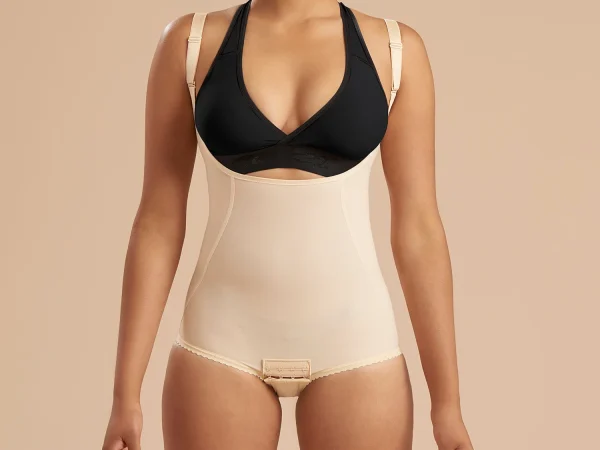
Compression garments after lipedema surgery assist in reducing swelling and promoting recovery. They apply gentle pressure on treated areas, which helps reduce fluid accumulation and increase comfort during healing.
Physicians tend to suggest wearing them for weeks or months, depending on each individual’s recovery. Different styles and fits are available for legs, arms, or full body.
To know what works best and how to care for these garments, see the tips in the following sections.
The Healing Embrace
Compression is par for the course healing after lipedema surgery. Primary work is controlling swelling, reducing pain, promoting skin contraction, draining fluid and providing scar support. Regular use can go a long way toward speeding the body’s healing. These garments work best when sized correctly and worn as prescribed by your doctor.
1. Swelling Control
Swelling is typical post-lipedema surgery. Compression keeps swelling in check by exerting consistent pressure on the affected area, which assists in preventing the accumulation of fluid beneath the skin. If you wear your gown night and day, except when you bathe, it will help your swelling go down quicker. Others utilize clothing with four-way stretch fabric, which moves as swelling comes and goes.
You really need to see how your body responds to the dress. Too tight can irritate, and too loose won’t compress swelling effectively. Some people discover that incorporating light motion, such as brief walks, makes the garment function more effectively. Compression can mitigate severe edema when applied early and consistently.
Frequent fits and fixes of the dress maintain results on target. Change the shirt if it loses stretch or feels loose.
2. Pain Management
Compression assists in numbing pain by reducing swelling and supporting tender tissues. Weird, but a lot of people actually are less sore and stiff in a good fitting garment. Others get additional respite by layering a wicking brief or camisole underneath.
Pain varies and compression should be tailored to comfort. Others employ a three-flap binder, which can be cinched more or less to suit their requirements. If pain is severe, pair compression with pain medicine as directed by a physician. Monitor pain response and modify use accordingly.
3. Skin Retraction
Skin sometimes requires assistance to shrink back after surgery, which together with compression garments supports the skin and helps it pull in as swelling drops. Not all wearables are created equal; select those designed with skin tightening in mind.
Observe skin texture modifications over time. If skin remains loose, incorporating lymphatic massage may assist the garment in its function. Others find the best results from pairing massage with consistent compression.
4. Fluid Drainage
Lipedema surgery can leave residual lymph fluid in tissues. Clothing squeezes the skin to push that fluid into lymphatic ducts. Getting up, even just for a bit, encourages drainage.
There are even specialized compression products for this. If worn day and night, they can reduce fluid build-up. This reduces the risk of scarring and promotes regeneration.
5. Scar Healing
Scars develop as the skin mends. Regular, focused pressure assists in flattening and blurring scars. Certain clothing is designed to apply targeted pressure on surgical sites.
Examine scars regularly and modify garment fit accordingly. Adding scar creams or silicone sheets to your regimen can provide even better outcomes.
Garment Selection
Compression garments are key in lipedema surgery recovery. Selecting the appropriate garment can be complicated and ultimately comes down to compression strength, style, fabric, and fit. Putting on the right dressing controls swelling and provides the support required to heal.
To help, the table below summarizes typical choices and their characteristics.
|
Garment Type |
Features |
Benefits |
|---|---|---|
|
Leggings |
Full-leg coverage, available in various compression |
Consistent support for lower limbs |
|
Shorts |
Targeted thigh/hip compression, easy to layer |
Comfort for daily wear, discreet under clothes |
|
Sleeves |
Arm-specific support, available in sets |
Reduces swelling in upper limbs |
|
Full-arm vest |
Covers arms, chest, and upper back |
Comprehensive upper body coverage |
|
Gloves |
Finger and hand compression |
Addresses swelling in hands |
|
Compression briefs |
Spanx-style, can be layered for double compression |
Added support, contouring |
Compression Levels
Compression strength is measured in millimetres of mercury (mmHg). For the majority of lipedema patients, 20 to 30 mmHg is standard, but others may require 30 to 40 mmHg. Surgeons may prescribe greater compression for acute swelling in the first few weeks following surgery.
What is the best level? It depends on your healing stage, swelling, and comfort. It’s best to experiment with mild, moderate, and high compression garments. Light compression is lighter and perhaps more convenient for everyday activity, but medium and high levels work better for major swelling.
Comfort should be your guide. If the garment feels constricting or goes numb, opt for lesser compression or a different style. Without fail, request assistance from your care team. They might recommend tweaking compression as you advance.

Some patients do well with double compression, a base garment and a top garment. This has proven helpful for contouring and added support when swelling is at its peak.
Garment Styles
Lots of styles for lots of different needs. Leggings are ideal for complete leg coverage and consistent support. Shorts are for those who want a bit more freedom or have to layer.
Sleeves and full arm vests treat upper body swelling, while gloves address the hands. Select styles that complement your lifestyle and comfort. Leggings provide more coverage during sleep, while shorts may be better for hot climates or daily wear.
Luckily, some brands now have cool options that actually resemble regular clothes, so you don’t need to forgo fashion for utility. Just look out for new arrivals as the market is ever expanding.
With so many brands offering sizes 2XS to 2XL and 14W to 28W, it’s a breeze to find a great fit.
Fabric Matters
Do’s:
-
Pick breathable, moisture-wicking fabrics
-
Look for materials with good stretch and recovery
-
Check for hypoallergenic options if you have sensitive skin
-
Choose durable fabrics that stand up to daily wear
Don’ts:
-
Avoid stiff, scratchy, or non-breathable fabrics
-
Don’t pick materials that lose shape after washing
-
Skip fabrics that cause skin irritation or rashes
Clothes should fit snug and smooth, with no rolling and no bunching. Pull them all the way up to the groin crease or shoulder seam during the day. This guarantees uniform pressure and avoids dermal issues.
The correct fabric keeps you comfortable, minimizes sweat, and allows you to wear the garment as long as necessary, typically 24/7 for a minimum of two months post-op.
Wearing Protocol
Wearing Protocol
Compression is a vital component of lipedema surgery recovery. They assist in decreasing swelling and support tissues to help them heal. Setting up a good wearing protocol means following a clear set of steps:
-
Read your surgeon’s wearing protocol carefully for how many hours a day to wear the garment and for how many weeks.
-
Begin with brief periods of wear and then gradually increase each day as your body adjusts to the pressure.
-
Be consistent about when you wear and remove the piece.
-
Listen to your body and shift the schedule if you experience pain, redness, or numbness.
-
Be sure to record any changes in swelling, skin marks, or comfort level and communicate this to your healthcare team.
-
Change clothes if they become loose or worn, because ancient or stretched fabric can’t provide healing.
The Timeline
We usually have patients begin wearing compressions within 24 to 48 hours of surgery unless otherwise directed by their surgeon. It feels weird initially, so we typically like to start with a few hours at a time, then add an hour or two each day for the first week.
Many physicians suggest wearing it for a minimum of 20 out of 24 hours for the initial two to six weeks, then tapering down to day wear as healing progresses.
Put daily reminders on your phone or planner to stay on schedule. Keep a calendar diary of when you began and any modifications your physician recommends. If your swelling subsides more quickly or slowly than anticipated, consult your surgeon to determine if the timeline should be adjusted.
Document your emotions. Writing down how you feel each day can assist you and your crew in identifying trends or solving issues quicker.
Proper Fit
A proper fit is crucial for compression garments to be effective and not injure. Too tight and they can halt blood flow. Too loose and they won’t provide sufficient support.
Take your measurements—hips, waist, thighs, calves—with a soft measuring tape. Do this prior to purchase and then again as the swelling subsides. Use size charts from the garment maker as a guideline.
If the fit seems off, see if you require a different size or style. Some tend to size down while recovering. They usually drop too after a few weeks, so don’t be shocked if you have to change sizes.
If you’re uncertain, find a local clinic or shop where staff can assist with fitting.
Daily Routine
Wearing compression becomes part of life like eating breakfast or brushing your teeth. Wear it when you get up in the morning, as swelling is usually at its least at that time.
Remove it for brief respites or to bathe, but replace it swiftly. Others swear by a wearing schedule, putting them on in the morning, checking around midday and taking them off at night.
Pair compression wear with other good habits: gentle movement, regular walks, and plenty of water. If your doc gives the OK, gentle stretches or lymphatic massage can assist as well.
Maintain a consistent daily schedule, even on weekends or hectic days, so your body receives all the rewards.
Common Pitfalls
Compression garments are important post lipedema surgery. They assist in reducing swelling and support healing. Most people encounter issues with their usage. Applying these clothes incorrectly can impede recovery or even cause injury.
Wearing the wrong fit is a top mistake. If it is too tight, it can impede circulation and damage the skin. A few think a tighter fit will work better, but that is not the case. Tight clothes can cause numb skin, pain, or even sores.
On the other hand, a loose blouse won’t provide sufficient support. This can allow swelling to return and prevent the skin from healing correctly. For instance, a shirt that rides up when you walk or a sweater that bunches around the knees typically is off. It’s best to size the bod as the doc says and fit your shape. This may involve experimenting with more than a single brand or style.
Care instructions are equally essential. Not washing it properly or with abrasive soaps can degrade the fabric quickly. This can cause the piece to lose its hold, stretch out, or begin to smell. For instance, washing with hot water or heavy bleach can deteriorate the fibers.
Air drying is better than drying in the dryer because heat can shrink the fabric. Doing so keeps the garment working for you as it should for as long as you need.
Another common pitfall is not wearing the garment as long as instructed. Doctors typically request that you wear it day and night, at least during the initial weeks. Others remove it prematurely because it feels hot or itchy. This can delay healing.
If the fit or feel is problematic, don’t hesitate to consult a nurse or doctor. They can provide tips or recommend a more appropriate style.
What not to wear using the wrong garment can result in issues such as skin rash, delayed healing or even infection. Others can get a rash from seams or tags or from sweating beneath the material. If this occurs, be sure to notify your doctor immediately. They might recommend an alternate form of fabric or a new washing schedule.
Beyond The Fabric
Post lipedema surgery compression does more than contouring. It facilitates physical and mental healing. These garments do control swelling, pain, and discomfort, but it’s deeper than that. A lot of people tell them that wearing them makes them feel confident, motivated to care for themselves, and like they have a little more control when things are tough.
We’re not just healing the body; the mind needs some healing as well.
The Mental Aspect
Lipedema surgery recovery can break even the strongest of spirits. Swelling and pain can persist, and with your body’s transformation, it can still feel foreign, even upsetting initially. Easy self-care actions matter. Using positive mantras such as “My body is healing every day” can help relieve tension.
Imagining swelling going down or smooth movement can feed more hope. Keeping in touch is another key. Support groups, in person or online, provide a space to exchange stories and coping strategies. There’s comfort and practical advice in hearing from others who have faced similar struggles.
For instance, certain groups exchange tips on the most effective layering techniques or compression brands. Making time for mindfulness, whether it is deep breathing or guided meditation, helps alleviate anxiety, too. Self-care routines count. This might be a light massage, a brief walk to still circulate the blood, or just resting when required.
These routines are both mentally restorative and physically healing.
Custom vs. Standard
|
Aspect |
Custom Compression Garment |
Standard Compression Garment |
|---|---|---|
|
Fit |
Tailored to body’s shape |
General sizing |
|
Comfort |
Higher, less bunching or slipping |
Can be hit or miss |
|
Support |
Targets specific areas |
May miss problem spots |
|
Price |
Higher cost |
More affordable |
|
Accessibility |
Often made to order |
Readily available |
Considerations about custom versus standard compression garments come down to the body’s needs. Custom pieces can be pricier, but they tend to fit better and provide support exactly where it’s needed. For instance, a custom leg sleeve can hug curves and aid lymphatic flow, which is important for mitigating swelling and pain.
Others love the classics for everyday use or as an emergency backup. Consult with a medical professional about which style best suits healing goals. They can recommend beginning with a regular garment and transitioning to custom later on, as swelling ebbs and flows.
Layering Techniques
Layering is an efficient way to amplify compression therapy. Some patients use double compression, which is a tight compression brief under a Spanx-like garment for added support and contouring assistance. This method has the added bonus of combatting any inflamed swelling after long days or extra exertion.
Integrating different garment styles, such as a high-waist legging with a compression sock, allows you to focus on specific zones that require additional attention. Not everyone likes the same combo cozy, so test drive a few. Customize layers to your activity level or when swelling shifts from morning to night.
Some discover that the extra layers are best during highs in inflammation and lighter layers feel better for sleep or rest days. Pay attention to your body and adjust accordingly.
Garment Care
Compression garments are huge in recovery from lipedema surgery. Some good care habits go a long way toward keeping their shape and support so they perform as long as possible. These items are constructed with spandex material that requires a delicate touch to maintain their resilience and shape.
Even minor measures such as the way you wash or store them can have a huge impact on their longevity and how effectively they assist with swelling and comfort. Washing directions are usually straightforward and crucial. Most makers request that users hand or gentle machine wash in cool, not hot, water since heat can break down the fabric.
Trust mild soap, not strong cleaners, as strong chemicals are fibre breakers. Don’t bleach or use fabric softener, as these can break down the elastic. After washing, lay flat or hang up to dry, just keep it out of direct sun and away from heaters. Tumble drying is a no for these garments because the heat can shrink or warp the fabric.
If you’re washing garments frequently, having a backup pair can assist, so you’ll have one while the other is still drying. They’re stored properly, which helps keep the garment in the right shape. Always keep them flat or folded in a cool, dry place, not in a bathroom or other humid environment.
Humid areas encourage mold or sap elasticity from stretch. Drawers or shelves removed from windows are good. Don’t hang them by their straps, though, as this stretches them out and alters their fit. If you travel, use a little fabric bag or pouch, not plastic, to allow air to circulate and prevent moisture from accumulating.
It’s wise to inspect your clothing regularly for wear and tear. Check for loose threads, thinning areas, or stretched seams. Even tiny holes or weak spots can reduce the garment’s usefulness. If you find the garment feels tighter, or slips or bunches up, it may not provide the proper support.
Swapping out clothes as soon as they start to wear keeps rehab on track. Several readers have reported that their shirts last a few months with daily wear, although this slows down with less frequent wearing and washing. If you notice obvious wear and tear, replace them with a new pair to continue receiving the best results.
Conclusion
Compression garments have an important part to play post-lipedema surgery. Correct fit and consistent pressure assist in reducing edema and alleviating pain. Basic maintenance keeps these garments tough and fresh. There are bumps along the way, like itching or fit issues, but consistent wearing supports healing. Care teams, or even just the support of friends, can really lift one’s spirits to help get through the day. Choosing a garment that feels good makes a difference because comfort increases wear time. Every step with compression supports your body’s healing and keeps results on point. For additional advice or support, contact your care team or join a support group. Be gentle with your body and take it day by day.
Frequently Asked Questions
Why are compression garments important after lipedema surgery?
Compression garments assist swelling, support healing, and enhance lymphatic flow. They can reduce soreness and help contour treated areas for optimal results.
How long should I wear compression garments after lipedema surgery?
Most physicians suggest wearing compression garments around the clock for the initial two to six weeks, then tapering off as you heal. Listen to your surgeon.
How do I choose the right compression garment size?
Select a size using your present measurements, not your pre-surgical size. A proper fit will be snug yet not painful. Check with your medical team.
Can I remove my compression garment to shower?
Yes, you can take your compression garment off for brief periods, like when you’re showering. Make sure you get it back on as soon as possible for continuous compression.
What happens if I do not wear my compression garment as advised?
Failure to wear your garment as prescribed can result in excess swelling, delayed healing, and suboptimal outcomes. Wearing them consistently is key for recovery.
How do I care for my compression garments?
Wash compression garments by hand or in a gentle machine cycle with mild soap. Air dry to preserve elasticity and shape.
Are there risks of wearing compression garments too tightly?
Yep, too-tight garments impede blood flow and cause skin issues. A correct fit is imperative for a safe and effective recovery.