Key Takeaways
-
Lipedema is a long-term disease marked by specific signs such as irregular fat deposits, discomfort, and edema. Early identification is crucial for effective treatment.
-
Vibration plates provide mechanical stimulation to enhance muscle contractions, increase circulation, and potentially promote improved lymphatic drainage.
-
It’s all about safety. Always check with a doctor before starting vibration plate workouts, especially if you have lipedema or other health conditions.
-
Start with lower vibration settings and shorter durations, and increase as tolerated while ensuring you maintain proper posture for safety and efficacy.
-
Be on the lookout for warning signs like pain, dizziness, or swelling and discontinue exercise immediately if these occur. Work with your professionals!
-
Pairing vibration training with other treatments and healthy lifestyle habits can assist you in treating lipedema more efficiently and might even improve your outcomes overall.
About: vibration plate lipedema safety
Lipedema patients are always on the lookout to ease pain and swelling. Vibration plates provide low impact exercise, which can stimulate circulation and relieve discomfort.
Dr. Evans and Dr. Tague both say to watch for signs of pain or injury and use recommended settings. It offers straightforward information on precautions, advantages, and potential pitfalls for vibration plates in lipedema.
Understanding Lipedema
Lipedema is a chronic disorder characterized by an unusual accumulation of fat, typically in the legs and sometimes the arms. Unlike typical weight gain, fat with lipedema doesn’t respond to diet or exercise. The body changes shape, and the lower half becomes much bigger than the upper half. The skin might be soft to the touch and individuals observe their legs appear bulky, but their feet are normal.
Lipedema is often associated with tenderness. The skin could bruise from just a light bump. Swelling is a daily issue, and it worsens as the day progresses or if one stands for an extended period of time. Many people report that their legs feel heavy or tight. These symptoms make it difficult to move, walk, or wear clothes that fit.
For others, the swelling and pain can even restrict work or basic activities. They can begin at any age, but tend to appear during periods of hormonal change, such as puberty or pregnancy.
About Lipedema (It’s Not Just Obesity)
In obesity, fat accumulates evenly throughout the body. With lipedema, fat accumulates in distinct patterns, with a crisp cutoff at the ankles or wrists. It differs from lymphedema. Lymphedema is swelling due to fluid retention from obstructed lymph vessels.
Lipedema sees shifts in fat and blood vessels, with small blood vessels occasionally resulting in both swelling and bruising. It can be confused with lipoedema, which is what some refer to as other fat disorders, but the distinct qualities of lipedema differentiate it.
Knowing the difference matters. Lipedema causes a constellation of blood and lymph vessel changes such as poor flow and easy bruising. This complicates treatment if not detected early. Many get misdiagnosed, delaying care. Improved awareness aids individuals in obtaining timely proper treatment, which can alleviate discomfort and reduce inflammation.
Treatment and Management
Studies indicate that vibration in the range of 10 to 30 Hertz can facilitate the movement of blood and lymphatic fluid, which is critical for lipedema patients. A 2007 study by Dr. Lowman concluded that whole-body vibration can increase blood flow in the skin. This surge can assist lipedema sufferers to feel less pain.
High-frequency vibration, 80 Hertz or higher, can induce issues such as Raynaud’s, so being aware of the proper range is key. Research indicates that whole-body vibration can increase nitric oxide in the blood, which helps vessels function more effectively.
Still, lipedema requires more than just one care. Employing a combination of these therapies, such as compression, movement, and vibration, gives you better results over time.
Vibration Plate Mechanics
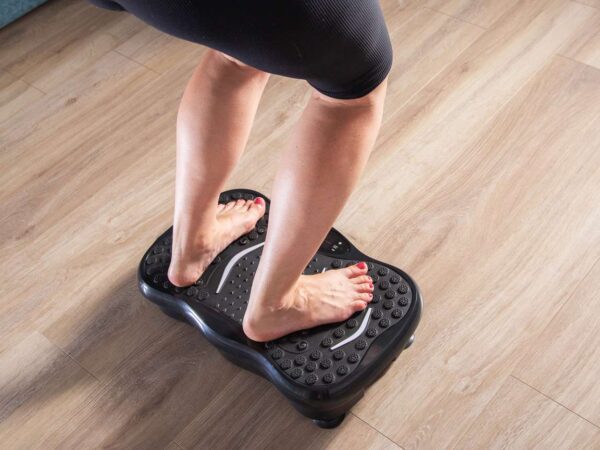
They work by shooting fast, small shakes up through the body. Whether you’re standing, sitting, or doing exercises like squats or lunges on the plate, the device causes your muscles to contract and relax rapidly. This is known as mechanical stimulation. It mimics what occurs when you exercise, but with minimal exertion.
Your muscles must work harder to keep you stable on the plate and can help develop strength with time. Others use moves like calf raises or one-legged moves to work different muscles. You perform these in short sets, typically no more than 20 minutes at a time, up to three times per week.
There are a couple primary modes these plates vibrate. Some use up-and-down motion, others side-to-side, and a few even make circles. Each has a somewhat different effect on the body. Up-and-down plates can seem more aggressive and might cause your muscles to work harder.
Side-to-side shakes are softer and may be easier on your joints. Certain plates allow you to choose the pace and intensity of the vibrations. Lower settings might be best for folks with joint issues or beginners. Change the type of moves or how you stand to suit your fitness level.
Whole body vibration from these machines can assist blood flow more optimally. Whenever your muscles tighten and loosen, they’re pushing blood and fluids through your body quicker. This can assist in delivering more oxygen to your tissues and removing waste.
Individuals with lipedema struggle with swelling and sluggish lymphatic flow. Vibration plate mechanics: the plate’s shaking can assist in transporting lymph, a transparent fluid that transports waste, out of your tissues and back into your bloodstream. That can help with water retention and swelling.
Some studies say this can make skin firmer by building up collagen and elastin, the things that give skin its bounce and strength. A vibration plate may give your muscle-building and fitness a boost. It plays well with others.
Complementing the plate with consistent cardio, healthy meals, and products such as cellulite cream can provide improved results. The plate’s shaking can cause fat cells to disintegrate more quickly, and your body replaces them with collagen cells, resulting in smoother skin.
Standing on the plate alone isn’t going to scorch fat or shed pounds. You must, for example, perform squats and lunges and adhere to a balanced regimen. While others experience reduced cellulite and tighter skin, the transformations are not necessarily dramatic or rapid.
It’s recommended to keep sessions to 20 minutes to prevent joints and eyes from excessive strain.

Essential Safety Protocols
When using vibration plates for lipedema, preparation and vigilance are key. These protocols reduce hazards, safeguard the most vulnerable members, and encourage constructive results.
1. Medical Consultation
Before starting vibration plate training, anyone with lipedema should speak to their physician. Anyone with hot, red swelling, infection, or new cancer-related issues should avoid vibration therapy until cleared by a doctor.
It is important for anyone who has had recent surgery to listen to their surgeon, only using a vibration plate once wounds are healed and the clinician has given the green light, typically two to four weeks post-surgery.
In these medical conversations, include any existing conditions that might impact tolerance or safety, like cardiovascular disease, joint instability, or limited mobility. Custom guidance takes into account your specific risks and requirements.
Continued check-ins with clinicians remain critical, especially beyond those initial weeks, to reevaluate comfort, any symptom shifts, and progress.
2. Correct Settings
For safety protocols, users should always begin with the minimum vibration settings, recommended to be 15 to 20 Hz when standing and 8 to 15 Hz when sitting or supported.
The amplitude should be low, particularly for novices or those at higher swelling risk. Therapy, not HIIT, devices are safest.
This slow method of increasing frequency and amplitude only if your legs feel normal afterwards reduces the likelihood of soreness, swelling or discomfort. For instance, post-session, there should be no unusual heaviness or warmth in your legs.
Try settings over multiple sessions until you find what feels safe and effective.
3. Proper Stance
Soft-knee stance, knees never locked. Keeping your feet shoulder-width apart allows you to distribute your weight evenly and avoid losing your balance.
Activating the core provides more support and prevents excessive loading on the lower extremities. Practical, low-risk options are standing still, mini-squats, or calf raises.
Proper alignment during the session not only maximizes the benefits but helps prevent falls or joint strain.
4. Session Duration
Start with 5 to 10 minutes per session, divided into 30 to 60 second sprints with commensurate rest. If they are new users, they might need rest periods as long as 120 seconds, even if they are seated or supported.
Build sessions out to 10 to 15 minutes over weeks and move up from 2 to 3 times a week as tolerated. Be alert for muscle fatigue or joint soreness.
Make sure to take frequent breaks and shorten your sessions if discomfort arises.
5. Warning Signs
Watch for pain, dizziness, or unusual fatigue during or following vibration sessions. Any new swelling, redness, or warmth to the legs says ‘stop and get checked.’
Lingering symptoms post-training necessitate immediate care from your physician. If you’re unsure, be conservative and suspend all vibration use until cleared.
Potential Benefits
Vibration plate training has received some interest among those with lipedema for its potential benefits. Lipedema is characterized by disrupted blood and lymph flow, leading to swelling, pain, and altered skin texture. Vibration plates operate by dispatching rapid, low-amplitude jolts through the body. This can alter how muscles, skin, and blood vessels react.
The table below summarizes important benefits for lipedema sufferers.
|
Potential Benefit |
What It Means for Lipedema Patients |
|---|---|
|
Better muscle strength and tone |
Helps support weak areas, may ease joint pain |
|
Possible boost in bone health |
May aid bone strength/density, helpful for those at risk |
|
Improved skin blood flow |
Supports skin healing, may help with vascular health |
|
Cellulite and skin tightening |
Regular use may smooth skin and lessen dimpling |
|
Weight and body fat changes |
May help with fat loss when part of an active routine |
|
Lymphatic and blood flow effects |
Can help move fluid, ease swelling, and may support lymph flow |
Muscle strength and tone can decrease in individuals with lipedema, particularly in the legs and arms. Vibration training provides your muscles a gentle, yet consistent, stimulus. This can result in reinforced muscles in areas most impacted by the disease.
For instance, research indicates that supplementation of resistance workouts with vibration training can accelerate strength gains and potentially benefit those who find traditional exercise regimens too challenging. This matters because additional muscle can provide joint support, which can feel sore or weak in lipedema.
Cellulite and skin changes are prevalent in lipedema. Vibration plates can help smooth the skin by increasing circulation and stimulating minor tightening of tissue beneath the skin. Other users experience reduced dimpling, which can enhance the appearance and texture of skin.
Better blood flow is critical. Research in patients with compromised perfusion demonstrates vibration can increase nitric oxide and skin blood flow. Both of these factors can assist with healing and skin health.
General weight loss and improved body composition is possible with consistent practice, particularly when combined with other forms of exercise, like walking or light resistance work. Other studies indicate that postmenopausal women using vibration plates in combination with other exercise can experience superior fat loss than with either alone.
For lipedemics, this means that vibration training can fit into a larger regimen, not as a substitute, but as a helpful supplement.
Bone health is yet another potential benefit of vibration plates. We’ve already studied low-intensity vibration, particularly at 10 to 30 Hz settings, for its role in maintaining strong bones and possibly supplementing anti-bone loss treatments. This can be crucial for those with weak bones as a result of reduced mobility or age.
Known Risks
Known Risks of using vibration plates for lipedema They largely hinge on your health, your device usage, and if you observe safe practice. Here is a table showing common concerns and how to manage them:
|
Risk or Concern |
What It Is |
Management/Precaution |
|---|---|---|
|
Pre-existing conditions |
Heart disease, pacemaker, pregnancy, hernia, epilepsy, severe diabetes raise risk |
Get medical clearance. Avoid use if advised by a doctor. |
|
Cardiac/vascular issues |
Vibration can stress the heart and blood vessels. Red-flag signs: chest pain, limb swelling |
Stop right away if symptoms start. Seek medical attention. |
|
Sensitive tissues |
High intensity may hurt tender areas, worsen lipedema symptoms |
Use low settings. Avoid strong, long sessions. |
|
Nerve/joint pain |
Too much exposure can cause nerve harm, joint pain, or tingling |
Use for short times, and stop if pain or numbness starts. |
|
Musculoskeletal flare-up |
Poor form or overdose may stress joints, cause swelling or pain |
Start slow, use proper technique, listen to your body. |
|
Rare adverse events |
Some people may get unusual symptoms or side effects |
Note changes fast, report to a doctor if worried. |
|
Circulatory problems |
Long hours of daily use may hurt nerves, blood flow |
Keep sessions short. Do not use every day. |
If vibration plates are used too frequently or with too much intensity, they can exacerbate certain health issues. For instance, lipedema patients might experience increased leg pain or swelling if they apply high settings without breaks.
If you already have joint pain or nerve tingling, vibration could exacerbate these. The dose counts. Dose refers to velocity, pressure, and duration of plate utilization. A safe approach is to begin at low settings and gradually increase as your body permits.
High-intensity vibration isn’t safe for everyone. Anybody with tender tissues or tissues that tend to swell should avoid the strong settings. Short, slow sessions are best for most. If you experience pain, numbness, or swelling, pause and rest.
Chronic ailments such as migraine, heart complications, or vascular disease require additional attention. Known Risks: Always consult a health professional before beginning.
It is not safe for everyone to use a vibration plate on their own or without guidance. If you have a pacemaker, arrhythmias, or vascular issues, you’ll have to check with a medical provider first.
Be aware of signs such as chest pain, intense headache, or weakness in an arm or leg. If any of these pop up, cease immediately and ask for assistance.
Beyond The Machine
Vibration plates have been making waves as a potential lipedema care tool. Their magic extends well beyond standing on the machine. Users must understand not only what it can do but what it can’t. Some experience dizziness or light-headedness, occasionally after only a few minutes. Others itch during their initial session.
If you have heart problems, recent injuries, or implants such as pacemakers, you should consult your doctor prior to using these machines. Specialists further emphasize that the correct cadence counts. What’s effective for one individual might not be for another.
While vibration plates can ramp the body’s energy expenditure up in a brief 20-minute session, there’s not much concrete evidence that they assist in actually addressing lipedema or lymphedema. One specialist points out that there’s “no compelling data” that vibration plates, in isolation, can alleviate swelling or pain associated with these disorders.
The light jiggle induced by the plate can stimulate muscle contraction, which can help lymph flow. This impact is akin to the pumping motion produced by walking or light exercise.
For optimal results, most prefer to blend vibration plate sessions with other treatments. Compression socks are frequently donned in the course of or immediately following a workout to aid in staving off swelling and maintain fluid circulation. Lymphatic massage is helpful.
This soothing, manual technique assists in draining lymph fluid from impacted regions and can provide a significant boost in relief. Eating habits factor in as well. A whole foods diet, low in salt and adequately balanced, can help support better overall health and help your body manage lipedema.
Easy switches, such as opting for fresh produce rather than processed snacks, can assist. Daily exercise is the secret. Incorporating a 10-minute vibration plate workout into a daily routine is one thing, but it works best in conjunction with other physical activity.
Walking, swimming, or some simple stretching can keep joints loose and muscles strong. For exercise newbies or those living with more advanced lipedema, it is wise to seek guidance from fitness trainers familiar with this condition. They may recommend secure, customized habits and monitor for warning signs.
-
Use compression garments during or after sessions.
-
Seek out lymphatic massage to help drain fluid.
-
Stick to a balanced low-salt whole food diet.
-
Stay active with low-impact exercises (walking, swimming, stretching).
-
Work with trainers who understand lipedema care.
-
Limit vibration plate sessions to 10–20 minutes.
-
Take note of any side effects such as dizziness or itching.
-
Consult your physician before use, particularly if you have health issues.
Conclusion
Vibration plates have the potential to be a novel approach to managing lipedema. Safety is paramount. Defined measures, such as beginning conservatively, consulting your physician, and monitoring pain responses, reduce risk. Some find the swelling goes down or they feel more limber after use. Others may not experience much difference or have side effects. Each body provides feedback, so paying attention counts! Things like compression or light exercise, for example, can complement the machine or even substitute for it. Being informed is key. To discover what suits you best, consult with health experts and exchange experiences with fellow travelers. Your stretch to comfort can begin right now.
Frequently Asked Questions
Is using a vibration plate safe for people with lipedema?
For the majority of lipedemics, vibration plates are safe when used with appropriate protocols. As always, please check with a medical professional before beginning any exercise regimen, particularly with medical conditions like lipedema.
Can vibration plates help reduce lipedema symptoms?
Vibration plates can assist with circulation and edema reduction in certain individuals. Research is still scarce. Check with your doctor to see if this method suits your treatment plan.
What are the main risks of vibration plates for lipedema?
Risks can comprise pain, bruising, or lymphatic flare-ups. Those with intense symptoms or late stage lipedema should be cautious. Start small and low.
How should I use a vibration plate safely with lipedema?
Begin with mild, brief sessions at low intensity. Put on something comfortable and stand with your knees lightly bent. If something hurts, quit and check with your doc.
Who should avoid using vibration plates?
If you have advanced lipedema, serious joint problems, or some heart conditions, you should stay off vibration plates unless your doctor says otherwise. Pregnant women should consult a doctor first.
Can vibration plates replace other lipedema treatments?
No, vibration plates are not a substitute for manual lymph drainage, compression therapy, or doctor-recommended exercise. They can act as an assistive tool if your doctor approved.
What benefits can vibration plates offer for lipedema?
Possible benefits are increased circulation, temporary edema reduction, and enhanced mobility. They all go haywire and start making things up.