
Key Takeaways
-
Stage 4 lipolymphedema is characterized by lymphostatic elephantiasis and severe sclerosis of the dermis and subcutaneous tissue.
-
Stage 4 lipo-lymphedema management is a combination of conservative therapies, surgery, and personalized approaches for optimal results.
-
Routine decongestive therapy, compression, and mobility assistance can manage symptoms and sustain independence.
-
Nutrition and lifestyle modifications are key to reducing inflammation, supporting lymphatic health, and managing weight.
-
You’ll need to watch out for complications like skin breakdown, infections, and pain. These require timely interventions and preventative care.
-
Multidisciplinary care teams, ongoing education, and access to mental health resources bolster both the physical and emotional aspects of living with stage 4 lipolymphedema.
Stage 4 lipolymphedema management refers to treating severe limb swelling and fat accumulation, typically with a combination of decongestive therapy, skin care, and physical activity.
Skin and shape changes require specialized care by a team of health professionals. Options vary from compression to surgery to weight plans. Each individual’s requirements might demand a combination of these actions.
The following sections will display typical choices and what individuals may anticipate.
Defining Stage 4
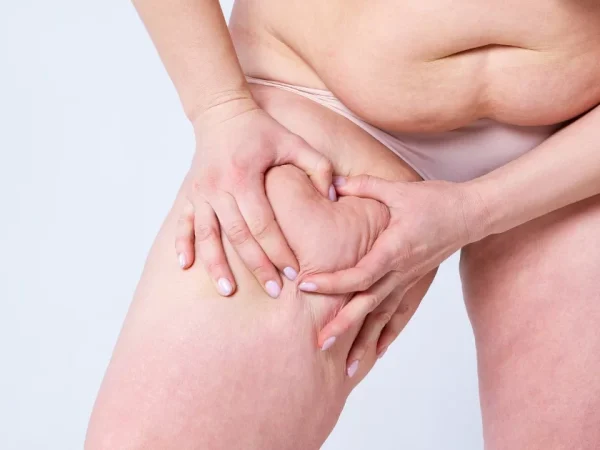
Stage 4 lipolymphedema is the final stage of lipedema. This stage is characterized by skin changes, significant fat accumulation, and the onset of lymphedema. One of the defining hallmarks is a positive Stemmer’s sign, which means you cannot pinch and lift the skin fold at the base of the toes or fingers. This illustrates the occurrence of fat and fluid retention that distinguishes it from previous stages.
The table below compares key features and effects of stage 4 to earlier stages:
|
Feature |
Stage 1 |
Stage 2 |
Stage 3 |
Stage 4 (Lipolymphedema) |
|---|---|---|---|---|
|
Skin surface |
Smooth |
Uneven, nodular |
Hard, lobular folds |
Very uneven, thick skin |
|
Fat buildup |
Mild |
Moderate, visible lumps |
Large masses, overhangs |
Massive, with fluid retention |
|
Stemmer’s sign |
Negative |
Negative |
Negative |
Positive |
|
Pain/tenderness |
Mild or none |
Moderate, increased |
High, frequent |
Severe, constant |
|
Lymphedema present |
No |
No |
Rare |
Often present |
|
Mobility |
Normal |
Slightly affected |
Reduced |
Severely limited |
The transition from the previous stages to stage 4 is characterized by important transformations in the tissues of the body. Fat cells increase in size and begin to obstruct lymph flow, causing inflammation and additional discomfort. The skin itself can become scaly and irregular, frequently indurated.
The classic positive Stemmer’s sign indicates that the skin is now thick and fibrotic from chronic edema and fatty deposits. Unlike the first three stages, swelling in stage 4 is difficult to reverse and introduces an increased risk of infection, wounds, and other skin issues.
Stage 4 patients are frequently immobilized. The weights of the swollen extremities can make everyday movements, such as walking or dressing, more difficult. Pain and ‘heaviness’ are common, and the limbs often feel tight or sore.
These physical restrictions can reduce one’s capacity to engage in social and professional activities and induce isolation or anxiety. The mottled appearance of the skin and limb contour can impact self-esteem and psychological wellbeing.
Early diagnosis and care can slow down or stop some of these changes. Detecting the disease before it’s stage 4 will minimize the risk of lymphedema, skin breakdown and infection. It keeps people moving and able to live their lives.
Health teams might have different tools, from physical examinations to scans, to detect symptoms early and help people accommodate them.
Comprehensive Management
It’s complicated to manage stage 4 lipolymphedema. We want to decelerate disease onset, mitigate symptoms, and maintain quality of life. This means using multiple strategies simultaneously. Care plans have to suit each individual’s body, needs, and location. This is key to monitoring swelling and fat changes over time. Healthy routine changes can support people to cope better.
1. Decongestive Therapy
Manual lymphatic drainage is a light-massage therapy. It aids the movement of lymph fluid in inflamed tissues. This will relax and soften the limb, which can relieve pain. Exercise, such as gentle walking or water aerobics, moves fluid as well. They need to be safe activities.
Comprehensive Management Working with a certified lymphedema therapist is critical in stage 4. The therapist can provide both hands-on treatment and self-massage training. To check progress, we measure their limbs and feel for hardness. It helps to maintain logs to catch shifts early.
2. Compression Methods
Compression garments manage edema by applying pressure on the skin and underlying tissue. They assist fluid to return to the lymph system. These range from elastic stockings to short-stretch wraps to pneumatic pumps that deliver air pressure. Each has its advantages and disadvantages.
Choosing the correct one is based on limb shape and extent of edema. Patients have to learn to dress themselves and care for their clothing. This prevents skin issues. You need to check on it regularly, because the fit can shift if the limb continues to shrink or swell.
3. Surgical Options
Surgery might be considered if other therapies aren’t successful. Liposuction only removes fat that won’t budge through diet or exercise. Lipectomy removes bigger swaths of tissue. Both require a cautious risk check, as surgery may cause additional swelling or delay healing.
Occasionally, physicians combine surgery with other therapies such as compression. Partnering with an expert surgeon that understands lipolymphedema increases safety. All plans are formed around the patient’s wellness and objectives.
4. Nutritional Support
Variety is the spice of life. You can eat whole grains, lean protein, fruits, and vegetables to help your lymph stay healthy. Anti-inflammatory foods, such as omega-3-rich sources, could assist. Other times, they need meal plans tailored just for them.
That can stave off vitamin or mineral gaps. A food diary keeps you on top of issues before they arise.
5. Mobility Aids
Mobility aids, like canes and walkers, can make moving less hazardous. When we use them right, this reduces our risk of falling. Items such as bath chairs or grab bars can assist at home.
Being active within safe boundaries maintains muscle strength and joint mobility.
Navigating Complications
Stage 4 lipolymphedema has a variety of complications that impact physical, day-to-day, and mental health. Dealing with these complications requires a proactive strategy, consistent oversight, and collaboration between patients and medical professionals.
The table below outlines a few frequent complications and what to do about them early.
|
Complication |
Proactive Management Strategy |
|---|---|
|
Skin breakdown |
Keep skin clean, use gentle moisturizers, check for wounds |
|
Recurrent infections |
Practice daily hygiene, treat wounds quickly, seek medical input |
|
Chronic pain |
Assess pain levels, adjust pain relief plans, physical therapy |
|
Mobility loss |
Use assistive devices, start regular movement, ask for therapy |
|
Swelling (edema) |
Elevate limbs, wear compression, monitor fluid changes |
|
Emotional distress |
Seek counseling, join support groups, stay informed |
Early warning signs are sudden redness, warmth, pain, new swelling, or open skin. Patients need to observe symptoms and reach out to their care team immediately. Managing these risks starts by working with providers to craft a comprehensive care plan.
Skin Integrity
Maintaining healthy skin is crucial to preventing infections and wounds. Dry, cracked, or folded skin is much more likely to break down. Many patients find relief by using mild cleansers, non-scented moisturizers, and soft, breathable clothing.
Protective padding on pressure points can stave off injuries. Examine skin daily for blisters, sores, or color changes. Even little tears can become issues. If a wound develops, cleanse it with water, cover it with a sterile dressing, and consult a provider.
Understanding why skin care is important can turn self-care from a chore into a habit. Good skin equals fewer hospital trips and easier mobility, restoring agency to patients who frequently feel like a mystery before diagnosis.
Infection Control
At the least, minimizing infection risk begins with straightforward measures. Wash hands prior to contacting affected limbs and keep wounds covered. Change dressings if they become wet or soiled.
Try not to go barefoot to minimize cuts. Be alert for swelling, warmth, oozing, or fever. These indications signify an infection could be beginning. Rapid response is key. They can offer antibiotic or wound care suggestions.
Patients must understand when to seek assistance, which can avoid admissions. Patient education regarding infection symptoms and protocols enables fast response. This gives them confidence, particularly for those who have struggled to get a proper diagnosis and feel comfort once they know what to look out for.
Pain Management
Lipolymphedema pain can be constant or intermittent, impeding activities of daily living. Tracking pain levels aids in navigating your way to the correct treatment cocktail. Medicine might assist, but soft massage, warm baths, and motion can alleviate pain.
Physical therapy to maintain joint flexibility and promote circulation is common. Even minor movements can aid with pain and inflammation. Patients can acquire breathing and relaxation techniques to deal with pain without depending solely on medication.
Providers can recommend both medications and non-medication options, with frequent follow-ups to determine what is most effective. Easy-to-navigate guidance provides patients with actionable steps they can follow, minimizing the frustration of trial and error.
Your Care Team
Stage 4 lipolymphedema is quite serious. Those who confront it require more than a single clinician to aid them. Your care team unites diverse health professionals, each with a specific function in care.
These teams typically consist of lymphedema specialists, nutritionists, physical and occupational therapists, nurses, and occasionally a primary care physician. Other teams include social workers or mental health counselors, as physical and emotional health frequently intertwine. In this arrangement, everyone contributes a talent.
For instance, lymphedema specialists focus on swelling and skin care, while nutritionists assist with food plans to control weight and swelling. Physical therapists work on movement and strength, and nurses assist with daily care and monitor for infection. Who is on that team can vary depending on location, resources, and the patient’s individual needs.
Open communication lines are critical. Everyone has to give updates and listen to others. This helps prevent crossed signals and skipped steps.
For example, if one of your therapists observes that you experience swelling that heightens after some exercises, this has to get back to the core team. Your nurses and doctors should be aware of any new symptoms or changes in treatment response. One point of contact, such as a primary care physician, keeps everyone aligned.

This individual can arrange team meetings or touch base with each member. Secure messaging tools and shared digital records can enable the team to share updates in real time. In most locations, scheduled case meetings convene all of the specialists to discuss care and ensure the plan remains on course.
Patients aren’t passive in this system either. They have to be on the team and advocate for what they desire. This means discussing their objectives, concerns, or what’s effective in their life.
If a patient dislikes a particular therapy or finds it difficult to adhere to a diet, the team needs to hear about it. This intelligence informs the care plan. Research shows that when patients participate in treatment, they will adhere to the regimen longer and do better.
It helps if your care team uses plain language and confirms you know the plan. A few teams use shared decision-making tools or patient handouts to assist patients in assuming a more active role.
Team meetings must be a fixed component of the care. These meetings can be monthly or more frequent if necessary. At these, the team reviews the patient’s progress, monitors treatment side effects, and adjusts the plan if necessary.
If a patient’s swelling worsens, the team might either introduce new therapy or change medication. These meetings allow the team to identify problems early and exchange effective tips. A scheduled time for all voices to be heard keeps care gliding smoothly and focused on what matters most to the patient.
Beyond The Physical
Stage 4 lipolymphedema is a mental battle every day, not just a physical condition. A lot of us sickies get emotional about it, and that’s because general awareness is so low. Others don’t know the difference between lipedema and regular obesity, so there’s misdiagnosis and mistreatment. The pain, heaviness, and tenderness that intensifies as the day carries on can leave you decimated and vexed and struggling to get through simple tasks.
For many, the bulging flesh and distortion of their physique compound the emotional burden, occasionally causing self-loathing or embarrassment about their physical appearance. A 2021 study, for example, found many lipedema patients had a low quality of life. Severe depression was notably common.
Support groups can make a difference. Sharing stories with others who battle the same demons shatters isolation. Group members share what worked and what didn’t, such as a new compression garment, how to lull yourself to sleep without pain, and how to be an effective advocate for care.
Online forums, local meet-ups, and group chats can all provide a feeling of community that’s difficult to locate elsewhere. For individuals in resource-poor regions, worldwide online communities provide a recourse. Beyond the physical, these groups help bring attention to the condition.
Mental health support is vital for those with advanced lipolymphedema. Daily pain, unpredictable symptoms, and body image changes can all contribute to anxiety or depression. Most benefit from working with a skilled counselor, psychologist, or therapist who knows chronic illness.
National mental health hotlines, online therapy platforms, and even specialized clinics that focus on chronic conditions can be good places to start. Others may find solace in mindfulness, meditation, or stress reduction methods, which can reduce anxiety during flare ups or bad days. The trick is to search for assistance early, prior to agitation increasing and becoming more difficult to cope with.
Self-advocacy and empowerment are as important as medical treatments. Learning to advocate for yourself, such as asking doctors for more information, making reasonable accommodations at work, or setting boundaries with family, can make people feel more in control.
Educating yourself on recent studies, getting involved with support organizations, or simply posting your experience online could assist the community and drive increased awareness of lipolymphedema. These little things develop courage and demonstrate that each individual is entitled to be listened to and appreciated.
Emerging Innovations
Controlling stage 4 lipolymphedema is evolving rapidly with the release of new studies and treatments. Specifically, there is a focus on discovering smarter methods to identify the illness, monitor its progress, and select the appropriate interventions for every individual. New groups all over the world are collaborating and taking these efforts to new levels.
One big leap is in how physicians investigate and diagnose the co-occurring conditions of lipedema and lymphedema. Tools such as fluorescence lymphography can now demonstrate how the lymph system is operating. That helps detect blockages or leaks early.
Elastography, examining tissue stiffness, allows doctors to distinguish between hard, fibrotic lipedema tissue and regular fat. These tests are far more accurate and less intrusive than older techniques, so they get patients the proper diagnosis earlier. Better diagnosis means patients don’t have to wait as long for answers or get misdiagnosed.
Research now looks at three targets: how fat tissue works, ongoing swelling or inflammation, and problems in the lymph system. Others are investigating medications that could potentially alter fat cell development or reduce inflammation.
Early trials with enzyme blockers, immune modulators and anti-fibrotic agents provide hope, but these are still being tested for safety. Clinical teams now check tissue samples, inflammation markers and even gene data to match each patient’s treatment to their type and stage of disease.
This type of precision care means that procedures such as liposuction or manual therapy can be scheduled based on actual needs, not just what worked for the previous patient. Because lipedema fat doesn’t shrink much from diet or even bariatric surgery, these targeted treatments are essential.
Technology is involved in tracking patient outcomes over time. Digital PRO collection tools demonstrate symptom trajectories and treatment effectiveness. These instruments operate for people across the globe, as they allow patients to monitor swelling, discomfort, or movement immediately.
Patient registries are expanding. Once more patients are involved, this shared data allows physicians and scientists to detect broader trends or novel side effects more quickly. This can accelerate the transition of new therapies from the laboratory to the clinic.
Communities are rallying for additional resources and attention. As researchers and patients engage with universities, they can advocate for more research that investigates the causes of stage 4 lipolymphedema and what is most beneficial.
By having more global data and better education, new therapies might get approved and shared faster, helping people around the world.
Conclusion
Stage 4 lipolymphedema requires consistent management and a team that keeps up with the most recent protocols. They live with the pain, swelling, and daily life changes. They have solid routines and candid conversations with doctors that make all the difference. New tools and new ways keep hope rising. Friends, family, and support groups make you feel less alone. Keeping current with care plans and new options makes all the difference. Simple steps, done well, matter most. To keep ahead, keep asking questions and seek out new information as it comes out. For additional tips or help near you, consult your care team or contact organizations that assist individuals with lipolymphedema.
Frequently Asked Questions
What is stage 4 lipolymphedema?
Stage 4 lipolymphedema is the most progressed form, characterized by extreme swelling, skin alterations, and recurrent infections. Mobility can be restricted and life may be impacted.
How is stage 4 lipolymphedema managed?
Management consists of compression therapy, careful skin care, physical therapy, and weight control. Routine medical care and early treatment of infections are crucial.
What complications can occur with stage 4 lipolymphedema?
Typical complications include persistent pain, ulcers, recurrent infections and limited mobility. Early intervention and consistent care reduce risks.
Who should be part of my care team?
Your team might consist of physicians, physical therapists, nurses, dieticians, and psychologists. A team approach facilitates holistic care.
Are there new treatments for stage 4 lipolymphedema?
Yep, new treatments such as advanced compression devices, minimally invasive surgeries, and pharmaceutical therapies. Consult your physician for state-of-the-art choices.
How can I protect my mental health while living with stage 4 lipolymphedema?
Support groups, counseling, and open communication with your care team can assuage stress and emotional hurdles.
Why is early intervention important in stage 4 lipolymphedema?
With early intervention, you can slow progression, reduce complications, and improve quality of life. The sooner you get care, the better.