
Key Takeaways
-
Such little research has been conducted on stage 3 lipedema lobules treatment.
-
Diagnosis is based on physical exam and imaging, along with criteria to differentiate lipedema from other conditions such as lymphedema, obesity and venous insufficiency.
-
Treatment typically includes a multi-faceted approach that involves conservative measures, decongestive therapy, and occasionally surgical interventions for symptom relief.
-
Managing the chronic pain and inflammation with medication, therapy, and anti-inflammatory diets can assist in daily comfort and function.
-
Exercise, diet, and mindfulness can help keep your stage 3 lipedema lobules in check and support your health.
-
Personalized care strategies and regular follow-up remain crucial to optimize treatment, address complications, and promote long-term health for those impacted.
Stage 3 lipedema lobules treatment refers to methods to relieve swelling, pain, and tissue transformations that are inherent in advanced lipedema.
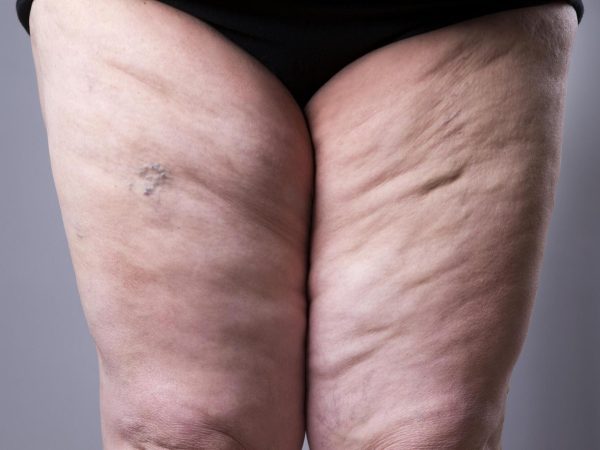
Stage 3 often introduces large, soft lobules on the legs and hips, and skin may fold or dangle.
Physicians might recommend a combination of manual therapy, compression, and in some cases, surgery to alleviate these symptoms.
To illustrate what options are available, the following sections describe each treatment and what to anticipate.
Defining Stage 3
Stage 3 lipedema is characterized by substantial, irregular fat deposits and clear tissue alterations in the limbs. It’s not just about how much fat there is at this stage but the texture and appearance of the tissue. The fat becomes harder and more nodular. The skin changes texture and elasticity, and the disease is easy to see and feel.
Chronic pain, limited movement, and persistent edema are typical, and the disorder can be mistaken for other conditions, rendering diagnosis essential.
Physical Markers
Large nodules and lobules appear in the fat, creating a lumpy, uneven texture to the skin. They can hang in folds, particularly around the thighs and knees. The skin usually gets thick and less stretchy, so it is tight and less elastic than usual.
Arms and legs get a lot bigger and the fat develops in a way that looks and feels lumpy. Fibrosis is frequent. The tissue turns sclerotic. This renders it more sensitive to contact and tension. Even a slight knock would give you a heck of a bruise or ache.
Wearing hard clothes or sitting too long in one position is hard. These changes distinguish stage 3 from earlier stages and complicate treatment.
Symptom Progression
Symptoms got worse. Pain and discomfort intensify, and swelling is ever-present. Many people find they can’t move as well as they used to. Walking, standing, or even bending can be difficult.
Not to mention the emotional side of stage 3 lipedema. Self-esteem and mood can be impacted by visible body changes and chronic pain. For others, the anguish is as difficult to manage as the somatic manifestations.
Other complications may arise, such as cellulitis or lymphatic issues, which further complicate the issue. All of these symptoms can impact quality of life and daily schedules.
Diagnostic Process
A physical exam inspects for nodules, overhanging folds, bruises, and skin changes. Physicians inquire regarding pain, swelling, and loss of motion. Imaging such as ultrasound or MRI helps indicate the fat’s distribution and if there are fibrotic changes.
There are certain criteria which assist in differentiating stage 3 lipedema from other fat or lymph disorders. This is required so that individuals receive appropriate care.
The steps in the diagnosis process usually include:
-
Review patient history for symptom patterns and progression
-
Perform a detailed physical exam of affected limbs
-
Use imaging to confirm fat distribution and tissue texture
-
Rule out similar conditions, such as lymphedema or obesity
Lobule Treatment Options
Stage 3 lipedema has large, uneven fat lobules and smaller, hard nodules due to connective tissue thickening. Treatment of these changes needs to match the severity of symptoms and individual patient needs. As with most conditions, multiple therapies tend to be more effective than just one.
Here’s a table below with some main treatment options for stage 3 lipedema. They all have advantages and disadvantages. Patient education is important so they know what’s going to happen.
|
Treatment Option |
Noninvasive/Invasive |
Main Purpose |
Notable Points |
|---|---|---|---|
|
Lifestyle Change |
Noninvasive |
Symptom Management |
Food/activity tracking, daily walks |
|
Compression Garments |
Noninvasive |
Support/Swelling Control |
Needs regular fitting |
|
Lymphatic Drainage |
Noninvasive |
Fluid Reduction |
Best with trained therapist |
|
Decongestive Therapy |
Noninvasive |
Swelling Reduction |
Manual & compression bandaging |
|
Liposuction |
Invasive |
Remove Fat Lobules |
Needs lipedema-trained surgeon |
|
Pain Meds & Therapy |
Noninvasive |
Pain Relief |
Combined approach |
|
Surgical Excision |
Invasive |
Remove Fat Nodules/Lobules |
For severe, resistant cases |
1. Conservative Management
Lifestyle modifications matter. Others take solace in walking every day or eating fewer processed foods. Keeping track of what you eat and do allows you to identify patterns that might trigger pain or swelling.
Compression garments aid the lymph system and reduce swelling. They work best if fitted by an experienced individual. Lymphatic drainage, performed by a trained therapist, can reduce fluid retention and maintain tissue health.
Support groups provide a space for swapping advice and feeling less isolated. This emotional support is as critical as physical care.
2. Decongestive Therapy
Decongestive therapy is a mainstay for stage 3 lipedema. The treatment utilizes manual lymphatic drainage, a gentle massage that helps move fluid and reduce swelling.
Compression bandaging is applied for increased pressure and enhanced effect. The therapist monitors progress regularly and adjusts the course if symptoms change.
It is most effective when administered by a team experienced in lymphedema and lipedema treatment.
3. Surgical Removal
When conservative measures have failed, surgery may be required. Liposuction, particularly tumescent liposuction, can remove fat lobules and reduce discomfort.
Only surgeons familiar with lipedema should do these procedures. Risks are infection, scarring, and changes in skin sensation.
Other surgeries, such as the removal of nodules or larger fat masses, may be available for some. Venous surgeries do not work for lipedema per se.
4. Pain Control
Pain is frequent in stage 3 lipedema. Drugs, physio, and deep tissue massage can assist. Myofascial release is another technique that stretches tight tissue and decreases discomfort.
Educating patients in pain care allows them to remain active and maintain a higher quality of life. Pain levels ought to be monitored frequently to ensure the regimen is effective.
5. Future Therapies
Research continues. Emerging medications could address inflammation or lipids. Lobule treatment options and clinical trials provide new hope for some.
Everybody benefits when providers and patients keep up on new ideas. Medicine continues to share what works to craft improved treatment.
The Inflammatory Cycle
Inflammation is central to how stage 3 lipedema progresses. During this stage, subcutaneous fat becomes more thickened and lumpy to the touch. The tissue is not simply soft and swollen as in early stages. It gets hard, nodular, and frequently tender. Persistent inflammation provokes a persistent reaction. Consequently, the fat and tissue in the legs, hips, or arms transform over time, making everyday life more difficult.
This persistent inflammation transforms the tissue in multiple ways. For example, we begin to lay down a dense, hard mesh known as fibrosis. This is a fatty matrix constructed during chronic inflammation. Fibrosis stiffens the tissue. It restricts blood flow and delays healing, which perpetuates the inflammatory cycle of swelling and pain.
As the fat pads become larger and harder, skin can appear uneven or dimpled. It’s not simply physical. It affects the way people feel about their bodies too. Research indicates that approximately 40% of patients with lipedema are frequently sad, and more than 50% become self-conscious. Many say they weep more readily or become overwhelmed, which only contributes to the day-to-day strain.
These triggers can come from both inside and outside the body. A processed or sugar-laden diet can feed inflammation. Immobility impedes fluid circulation, which leads to swelling. When lymph fluid becomes trapped, it can result in lymphedema, which worsens the swelling. This compounding effect has the tissues continually in a low-level, persistent inflammation.
For lipedema patients, this fat accumulation isn’t just a result of diet. It’s a distinctive, symmetrical, bilateral subcutaneous fat gain; both sides of the body are involved equally. That sets it apart from other kinds of fat accumulation.
Studies indicate a powerful connection between inflammation and the amount of fat accumulation in lipedema. The more inflamed the tissue is, the more likely it is to store fat in these lobular or nodular masses. This results in additional swelling, additional pain, and difficulty moving. Over time, the cycle can be difficult to break without assistance.
Lifestyle changes can aid in decelerating the inflammatory cycle. Transitioning to an anti-inflammatory diet—with fresh veggies, lean protein, and good fats—can help alleviate symptoms. Frequent, gentle exercise—like walking or swimming—helps increase fluid circulation and reduce inflammation.
Reducing stress is crucial. Mindfulness, support groups, and easy self-care measures do make a real difference day to day.
Daily Life Adjustments
Stage 3 lipedema presents a combination of both physical and emotional challenges, which frequently leaves day-to-day living difficult. Pain, swelling, and large tissue masses can bring even basic tasks to a crawl. Stair climbing, walking, and bending become more difficult. They’re confined in their own bodies, not only restricted in motion but burdened with a psychological weight.
Tinkering with daily life is crucial. Habits that promote health, ease symptoms, and increase mental resilience make the condition more manageable if not curative.
Nutrition
Eating right controls symptoms and supports the body’s demands. An anti-inflammatory diet can soothe swelling and pain because some foods can pacify the body’s response. Hydration is equally important. Getting enough water daily can support the lymphatic system’s functioning and reduce some swelling.
By incorporating healthy fats and protein into meals, it provides your body with the means to heal tissue and maintain energy levels. Fat, such as from olive oil, nuts or fish, along with lean protein, can help you feel satisfied and maintain your muscles. Lipedema fat frequently defies diet alterations, but an equilibrium can yet to be found.
-
Concentrate on lots of vegetables, fruits, and whole grains to provide vitamins and fiber.
-
Cut back on highly processed foods, sugars, and salt to help reduce inflammation.
-
Go with lean proteins like legumes, poultry, or fish for muscle and tissue repair.
-
Add omega-3 fats such as flaxseed, walnuts, and fatty fish.
-
Don’t forget to drink a minimum of 2 liters of water daily to help lymph flow.
Movement
Physical activity is key. It has to align with the individual’s capacity. If you’re stage 3 lipedema, the best kind of exercise is low impact. Swimming, easy cycling, or water aerobics are great for keeping joints safe and lymph fluid moving.
Organized exercise classes designed for lipedema are now offered locally and virtually. These routines emphasize light stretching and strength-building without stressing. Others monitor and modify their exercise frequency or intensity as symptoms fluctuate.
Even with restrictions from pain or deep skin folds, some movement every day can help maintain muscle strength and joint mobility.
Mental Wellness
There’s an emotional toll to living with lipedema. A lot of people struggle with body image, anger, or even loneliness. Group therapy and online support groups allow people to talk about their experiences and feel human. Professional counseling can provide ways to manage stress and hurt feelings.
Easy stress-busters like yoga, breathing exercises, or guided meditation can soothe the mind. Any time you can carve out to care for yourself, whether it’s some reading, a hobby, or some quiet rest, it creates emotional fortitude.
These habits help dissipate the ever-present stress and mental burden of lipedema.
Individualized Care Plans
Individualized care plans are the real game changer for stage 3 lipedema lobules. These plans function because they center on each individual’s specific needs, symptoms, and life ambitions. Lipedema stage 3 can result in massive, uneven fat nodules that impact daily movements and sensations. Many experience pain, skin changes, or easy bruising. Others can encounter issues with swelling or infections. No two cases look the same, so treatment has to adapt to the person.
Personalized care plans assist in symptom management, ease of living, and may even slow disease progression. A good care plan often starts with a team approach. Many people need input from doctors, physical therapists, nutritionists, and sometimes surgeons. A team like this works together to look at all the ways lipedema affects someone.
Treatments might include gentle exercise like walking or swimming to boost movement and help with swelling. Eating plans that cut down on salt and focus on whole foods may help. Compression garments can give support and reduce swelling. In some cases, surgery like liposuction is an option to remove some of the nodules. The team writes down each step in the plan based on what the patient needs most.

For example, someone with pain might get a mix of manual therapy, pain relief methods, and physical therapy. Another person with big limits on walking might get more support for mobility and wound care. Each part of the plan matches the symptoms and goals of the individual. Care plans are not predetermined. They require check in and updating on a regular basis.
The team inquires about the treatments and hears from the patient regarding pain, mobility, or mood. Sometimes, what worked before no longer works as the disease shifts. New symptoms or life changes, such as a new job, can require a different combination of treatments. We review the plan and make changes together. This keeps care on track and catches problems early.
Enabling patients is key. When patients participate in care decisions, they’re more likely to feel empowered and optimistic. They can establish objectives such as taking a set number of steps or addressing pain without opioids. Mental health support, such as counseling, could be included in the plan. Minor adjustments to your daily routine, like light stretching or conscious eating, can help foster confidence.
The plan evolves with the individual, not simply the condition.
Potential Complications
Stage 3 lipedema is more than just fat accumulation. At this point, the fat creates big, overhanging lobules or panniculus, commonly on the thighs, knees or upper arms. These shifts carry health risks and can impact how someone walks, aches, and exists in the world daily.
One of the most frequent issues is secondary lymphedema. The fat deposits put pressure on the lymph vessels, inhibiting lymph flow. When this fluid can’t drain properly, it causes swelling in the legs or arms. This swelling is more than unfashionable—it’s uncomfortable, can make clothes or shoes difficult to fit into, and can even inhibit your ability to walk or stand for extended periods.
Your risk of skin infections, like cellulitis, increases. When the skin is stretched and delicate, bacteria can invade through fissures or abrasions. You must be on the lookout for redness, heat, swelling, or pain, because infections can spread rapidly and require urgent care.
In addition to swelling, chronic pain is an actual issue for numerous stage 3 lipedema sufferers. It can feel like anything from a mild ache to a piercing, burning deep pain that never recedes. This complicates sleep, concentration, and pleasure.
The pain and swelling combined can make walking or even moving around a difficult task, which results in additional muscle atrophy and balance issues. Lipedema left untreated over time can lead to secondary musculoskeletal disorders like joint strain or back pain from carrying excess weight in one part of the body.
Skin changes is another concern. The skin over them can become indurated, sclerosed, and nodular. These transformations render the skin more susceptible to wounds and delayed wound healing.
Overhanging fat lobules can chafe against other skin or clothing and cause sores or open wounds. The effect of stage 3 lipedema is not only physical. Most are emotionally scarred by the disfigurement, chronic discomfort and limited range of motion.
It can cause low mood, anxiety, or low self-esteem. It can upheave your daily life, your walking, your work, and even your relationships. When untreated, these issues can reduce quality of life.
|
Complication |
Description/Impact |
|---|---|
|
Secondary lymphedema |
Swelling, discomfort, higher risk of infection |
|
Skin infections/cellulitis |
Redness, pain, swelling, urgent care needed |
|
Chronic pain |
Ongoing pain, affects sleep and daily tasks |
|
Mobility issues |
Hard to walk, stand, do daily activities |
|
Emotional distress |
Anxiety, low mood, social withdrawal |
|
Skin changes |
Hard, nodular skin, prone to injury |
|
Overhanging fat lobules |
Chafing, sores, hygiene challenges |
|
Musculoskeletal disorders |
Joint/back pain, posture problems |
|
Decreased quality of life |
Limits work, social life, well-being |
Conclusion
Stage 3 lipedema delivers major transformations. These large lobules can drag when you move, which causes pain. THREE LIPEDMA TREATMENTS THAT REALLY WORK – stage 3 lipedema lobules treatments like liposuction, skin care, and daily wraps help ease symptoms. Healthy habits and movement can keep swelling down. Early wound and skin care prevents more trouble. We all require a plan that suits our lifestyle and health. There is no one way that works for everyone. A good care team can discover what helps the most. To learn more or get assistance, consult with a lipedema-aware provider. No doubt, clear steps and solid support will help make every day a little easier. Be smart and keep questioning; good knowledge makes better decisions.
Frequently Asked Questions
What is stage 3 lipedema with lobules?
Stage 3 lipedema lobules. These lobules can result in skin folds, pain, and limited mobility. They usually impact the legs and occasionally the arms, rendering routine tasks harder to accomplish.
What are common treatment options for stage 3 lipedema lobules?
Options consist of conservative treatments such as compression, manual lymphatic drainage, and physiotherapy. For stage 3 lipedema lobules, specialized liposuction may be suggested to extract lobules and improve mobility and comfort.
How does the inflammatory cycle affect stage 3 lipedema?
The inflammatory cycle results in swelling, pain, and skin changes in stage 3 lipedema. Persistent inflammation can exacerbate symptoms and help lobules continue to grow. Controlling inflammation is key for alleviating symptoms.
Can daily life adjustments help manage stage 3 lipedema lobules?
Yes, day-to-day lifestyle modifications including routine low-impact exercise, balanced nutrition, and skin care can aid symptom management. These modifications may enhance movement, decrease pain, and promote general health.
Are individualized care plans important for treating stage 3 lipedema?
Are crucial. Each individual’s symptoms and requirements vary. Personalized treatments provide better results and target unique issues. Doctors can assist in designing efficient custom-made plans.
What complications can occur with untreated stage 3 lipedema lobules?
Untreated stage 3 lipedema lobules can result in restricted movement, recurrent infections, skin breakdown and psychological pain. Early treatment and monitoring assist in minimizing these risks and enhancing quality of life.
Is surgery always necessary to treat stage 3 lipedema lobules?
Surgery isn’t always necessary. Most patients can be helped with conservative therapies. When lobules interfere significantly with mobility or comfort, surgery, typically liposuction, can be an option after proper review by an expert.