
Key Takeaways
-
Lipedema is a lifelong condition, and you deserve early diagnosis and consistent care to enhance quality of life and halt its advance.
-
Liposuction alleviates symptoms, improves mobility, and achieves aesthetics. Revision surgery might be needed if initial results are partial or symptoms remain.
-
When necessary, revision liposuction for lipedema can be indicated by symptom persistence, contour irregularities, disease progression, and skin complications as symptoms are observed and monitored over time.
-
Once again, a comprehensive medical workup, including diagnostic imaging and psychological evaluation, must be performed to qualify for revision.
-
Refinement of liposuction surgical techniques and modifications improve results. Meticulous preoperative planning and postoperative care diminish complications.
-
By acknowledging the costs, both financial and emotional, of revision surgeries and seeking out the proper support, patients can make informed decisions and manage the entire journey.
Revision liposuction for lipedema is needed when your initial surgery fails to relieve swelling, pain, or body shape concerns. They may recommend it if tissue returns or skin or fat issues persist following the initial treatment.
Regular check-ups and discussions with a specialist determine the appropriate timing. To understand when revision is best, it is helpful to balance risk, observe symptomatic changes, and monitor healing.
Understanding Lipedema
Lipedema is a long-term condition characterized by the accumulation of fat in specific areas of the body, primarily the legs and arms. This accumulation is resistant to standard weight-loss efforts. The fat leads to pain, swelling, and tenderness which can impact a person’s physical and emotional wellbeing.
Simple tasks become difficult for most individuals with lipedema, such as climbing stairs or raising your arms. It’s frequently misdiagnosed, with many doctors mistaking it for obesity or lymphedema, so patients get the wrong treatment. Early diagnosis and increased awareness are essential for symptom management and preventing additional complications.
The Symptoms
-
Fat accumulation occurs in the legs, thighs, hips, buttocks, and occasionally in the arms.
-
Swelling that does not resolve with elevation or rest.
-
Skin that feels soft, spongy, or rubbery.
-
Easy bruising in affected areas.
-
Pain and tenderness range from mild to severe.
-
Reduced mobility and difficulty with daily movements.
-
Fat cuffs at the ankles or wrists. Hands and feet are spared.
Symptoms vary widely. Some have mild swelling and pain, while others suffer such severe discomfort that walking, sitting, or even standing for extended periods becomes difficult.
It can make someone’s daily life shift a lot. Unrelenting pain and swelling might prevent you from doing basic activities, such as sitting in a chair too long or walking a few blocks. The reduction in movement frequently causes exasperation and decreased life satisfaction.
Being able to monitor how symptoms change is valuable. Routine check-ins allow patients and their physicians to identify new complications sooner and to modify treatment plans accordingly.
The Causes
|
Factor |
Description |
|---|---|
|
Genetics |
Family history increases risk of developing lipedema |
|
Hormones |
Changes during puberty, pregnancy, menopause may trigger it |
|
Lifestyle |
Diet, activity level can affect symptom progression |
|
Connective Tissue |
Weak connective tissue may worsen fat buildup |
Hormonal transitions, such as puberty, pregnancy, or menopause, can trigger or exacerbate symptoms of lipedema. This distribution highlights the close connection of hormones to this disease, particularly in women.
Lifestyle factors, like diet and exercise, may influence the speed symptoms worsen. Even though lipedema fat doesn’t disappear with weight loss, moving your body and eating a healthy, balanced diet can support overall health and prevent additional weight from worsening the condition.
Connective tissue issues have their hand in it. Weak or defective connective tissue allows fat to accumulate and cause swelling or pain. This explains why lipedema fat is soft and why bruising is so common.
Primary Liposuction Goals
There are obvious, pragmatic objectives to treating lipedema using liposuction. These targets assist in directing care, quantifying progress, and establishing honest expectations for those seeking treatment. These are the primary liposuction goals, below each with key details and real-world sample results.
-
Reduce Pain and Debulk Fat
Our primary liposuction objective is to remove distressing fat accumulation in lipedema. Not that kind of liposuction. Lipedema fat is typically painful and cannot be reduced with diet or exercise. With liposuction, surgeons can suction away these painful accumulations of fat, frequently under local or regional anesthesia.
Numerous patients experience reduced pain only a few months post-procedure. Research indicates a decrease in pain scores for the majority of patients, which translates to them feeling better in their daily lives. More often than not, liposuction is performed in multiple installments, six to eight weeks apart, with less than 4 liters extracted each time to be safe.
-
Improve Mobility and Comfort
Mobility is a huge concern for a lot of lipedema sufferers. Fat stores, particularly in the legs, can prevent them from being able to walk, stand, or sit for long periods of time. Liposuction’s primary objective is to reduce leg volume, which facilitates movement and comfort.
Typically, individuals experience an average decrease of 6.9% in leg size half a year post-treatment, which makes day-to-day activities like climbing stairs or getting into a car less of an effort. The complete results are gradual, as swelling can intensify before subsiding, but in six months to a year, most experience a genuine transformation.
-
Meet Aesthetic and Personal Goals
Yes, health and comfort take priority. How you look and feel in your own skin is important as well. Lipedema liposuction strives for outcomes that match what the patient desires within reason.
For instance, patients might wish for thinner thighs or a more proportionate figure. The average BMI decreases from 35.3 to 33.9 kg/m2 post-treatment. Accompanying this, individuals frequently develop enhanced self-confidence in their appearance when dressed or during day-to-day activities.
-
Alleviate Symptoms and Improve Quality of Life
In addition to pain and aesthetics, liposuction can assist with heavy, aching legs and skin issues associated with lipedema. The objective is to provide patients with an enhanced quality of life.
Studies indicate a 58% increase in quality of life scores from pre- to post-surgery. The recovery can be prolonged, with swelling lasting months. Most individuals say the wait is well worth the respite.
When Revision Is Necessary
Revision liposuction for lipedema can be required when the initial procedure doesn’t completely resolve symptoms or result in a harmonious form. This includes screening for skin changes, residual fat, and scar tissue. A patient’s health, weight stability, and healing since the initial surgery are all issues.
Typically, surgeons advise waiting at least six months, sometimes a year, before considering another procedure so swelling reduces and tissues normalize. Roughly 6 to 10 percent of liposuction patients will request a revision. These instances require deep vetting because the stakes and anticipation might be greater. Regular symptom checks help indicate if and when a revision is necessary.
1. Incomplete Results
That’s because incomplete fat removal leaves patients unhappy with their initial liposuction. Sometimes, little pockets of fat or unevenness can leave you with dimples or lumps, which can make the area look unpolished. Asymmetry, with one side not mirroring the other, is another frequent cause for revision.
You need to have realistic expectations going into it because no surgery can deliver perfect symmetry or outcomes. If, after months of healing, you still experience obvious lumps, uneven skin or areas that feel or look displaced, then additional procedures are likely needed. Veteran surgeons can prevent these problems with surgical precision and planning, but even then, revisions occasionally become a must.
2. Persistent Symptoms
Others experience persistent swelling, pain or heaviness post their primary liposuction. When symptoms like these persist for six months or more, a revision may be required. The success of the primary intervention is measured by the degree of relief experienced.
Typical residual symptoms are tenderness, persistent swelling, or tight, hard skin. Managing these symptoms is crucial as it will help determine whether another surgery might be beneficial or other care is best.
3. Contour Irregularities
Contour bumps or dips are a primary cause of patients seeking revision surgery. This uneven fat removal can result in a wavy or unnatural appearance in the treated zone. Revision surgery employs precise fat removal or grafting to even out these bumps.
Looking natural is important. Talented surgeons apply advanced technology and precision techniques to correct issues from the initial procedure.
4. Disease Progression
Lipedema can progress even post-surgically. More fat can accumulate, or edema can reoccur. Weight gain, hormones, or genetics may cause symptoms to worsen.
Periodic monitoring helps follow disease evolution. Revision surgery may be required to address advanced stages or new fat accumulation.
5. Skin Complications
Loose skin or hard scar tissue can develop post-liposuction. These issues occasionally require skin tightening or additional work. Good skin aids in smooth revision, so bad skin can complicate revision.
Fixing these problems enhances appearance and ease. This makes revision surgery a vital aspect of treatment for certain individuals.
Revision Candidacy
Revision liposuction for lipedema is a cautious consideration, as not all patients are ideal candidates. Revision is required when the initial liposuction fails to achieve the contour or leaves behind dimples or irregularity. Around six to ten percent of patients require a revision, typically after waiting a minimum of six months for the swelling to subside.
Revision candidates must adhere to obvious safety and optimality standards. A checklist for revision candidacy includes:
-
At least 6 to 12 months out from the initial procedure.
-
Observing persistent contour issues, such as asymmetry or stubborn fat.
-
Having realistic goals for the revision outcome.
-
Overall good health with stable weight.
-
No untreated health issues that raise surgical risk.
-
Understanding the risks and longer healing time.
-
Willingness to follow aftercare instructions and activity limits.
A comprehensive medical workup is crucial prior to revision. Surgeons examine prior pathology, present health and the reasons for the original outcome. Patients with a prior history of poor wound healing, persistent swelling or medical problems must be carefully reviewed. Custom plans are constructed as every patient’s background, body and ambitions vary.
Medical Evaluation
A complete medical workup includes past surgeries, medications, allergies, and healing history. Surgeons check out the areas they worked on previously, evaluating skin quality and scars. Blood tests can indicate infection or other medical concerns. Imaging, like ultrasound, can aid in identifying underlying issues.
Health issues like diabetes, heart disease, or clotting disorders affect candidacy. These must be managed before moving forward. The surgeon may request clearance from a primary care doctor or specialist. The evaluation covers both physical and emotional readiness for a second procedure.
Tests such as blood panels, clotting profiles, or heart checks could be required to exclude lurking risks. The surgeon takes this information and balances the pros and cons. Only those who can safely have surgery proceed.
An experienced lipedema revision surgeon is critical. They walk patients through risks and what to expect and ensure that the plan is right for the patient’s health.
Diagnostic Imaging
Imaging can help identify fat or tissue remaining after the initial operation. Ultrasound or MRI helps identify where contour issues, such as lumps or dips, exist. This is critical for planning, so you don’t miss any topics.
Imaging detects scar tissue or fluid buildup that could alter the treatment plan. This step helps map out how much fat to extract and where to even out bumpy areas. For hi-def body contouring, the imaging details make a difference.
With preoperative imaging, surgeons can delineate safe areas and prevent overcorrection. This reduces the danger of additional rewrites.
Psychological Readiness
Mental preparedness is as important as physical fitness. Some feel anxious or disappointed by a primary surgery, particularly if the outcome wasn’t what they expected. It requires patience to wait for swelling to subside.
Personal factors, like having support from friends or family, coping skills, or past mental health struggles, play a role. Counseling can assist individuals in managing their emotions and evaluating the advantages and disadvantages.
Guidance around major decisions counts. Discussing with other people who have undergone revision surgery can help ground expectations. Patients who know that results can take up to one or two years to fully manifest are often less stressed.
Reasonable goals relax anxiety and produce more satisfaction.
Advanced Surgical Nuances
Revision liposuction for lipedema requires a meticulous technique. The aim is to manage recalcitrant or recurrent symptoms with fewer complications. Advanced surgical nuances include surgeons frequently employing advanced techniques and technology to assist patients heal better and experience improved outcomes than after the initial surgery.
Technique Modification
Technique changes can do the trick in revision liposuction, especially for lipedema where fat is more fibrous and sensitive. Water-assisted and tumescent liposuction are two specialized techniques that research demonstrates can assist.
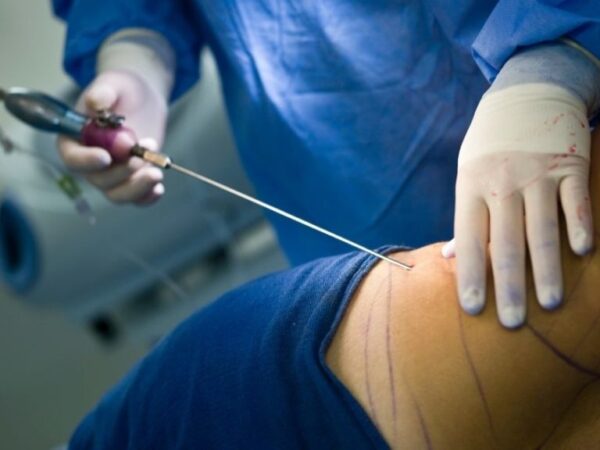
In water-assisted liposuction, a thin, gentle stream of saline helps loosen fat prior to suction, which can cause less tissue trauma. The tumescent technique injects the site with a diluted solution to swell fat cells and minimize blood loss. For lipedema, the surgeons inject a softer pressurized tumescent fluid than in classical liposuction and end with a suction cannula shaped to the area.
Sometimes, ultra-thin (3mm) microcannulas are used to zero in on fat removal. This is key in revision cases, where scar tissue or irregularities from the initial surgery can complicate matters. Some surgeons employ local or regional anesthesia for greater control and safety, particularly in early to mid-stage lipedema.
Surgeon skill is key. The best results occur when the operating surgeon is experienced in lipedema and understands how to customize their approach based on each patient’s body, past surgeries, and feedback. Patient feedback on pain, swelling, or shape alterations following the initial procedure can help inform what to do and what not to do.
This collaboration helps influence a plan that’s more likely to align with meeting the patient’s needs.
Complication Mitigation
-
Meticulous mapping of the treated area prevents overcorrection or undercorrection.
-
Advanced surgical techniques such as minimizing cannula size and using gentle suction to reduce tissue trauma.
-
Choosing local or regional anesthesia for safer, steadier procedures.
-
Post-operative compression helps control swelling and helps contour.
-
Monitoring for signs of fluid buildup, infection, or unevenness.
Preoperative planning is essential. Surgeons go back into the surgical notes, examine images, and identify any areas that might increase risk. This makes for a safer, more targeted revision surgery.
Postoperative care counts. Swelling can intensify over months before it improves, so patients have to wear graduated compression day and night for weeks. This sculpts the region and restricts seroma formation. Recovery can take six months to a year.
Continuous dialogue between patient and surgeon is key. It ensures side effects get caught early and managed, and allows the plan to shift if the healing trajectory is not as desired.
The Financial and Emotional Journey
Revision liposuction for lipedema is a road not taken lightly. The path is littered with actual financial obstacles and constant emotional pressure. Some pay cash, use personal loans, or even borrow from friends and family just to get surgery. Insurance might not be much assistance either, particularly where providers label lipedema surgery as ‘experimental.’
This can compel patients to undergo lengthy appeals, provide written statements, and complete weeks of non-surgical treatment just to attempt to receive coverage. For most, the expenses don’t end with surgery. Aftercare, time off work, and additional medical visits all accrue.
|
Financial Factor |
Emotional Impact |
Example/Details |
|---|---|---|
|
Surgery costs |
Anxiety, stress |
Loans, second mortgages, borrowing from loved ones |
|
Lost work time |
Frustration, helplessness |
73% report work is affected by lipedema |
|
Insurance denials |
Feeling dismissed, overwhelmed |
Some must fight for months or years for coverage |
|
Ongoing care expenses |
Worry, uncertainty |
Compression wear, therapy, follow-up appointments |
|
Mobility aids/clothing |
Embarrassment, isolation |
100% report trouble finding clothing and shoes that fit |
The emotional burden is just as great. Most spend years seeking answers, feeling dismissed by physicians. Having the pain labeled “normal” or swelling dismissed as weight gain can leave many feeling alone.
Simple things, such as locating fitting trousers or shoes, can be a daily frustration. The pain and swelling of lipedema restrict motion, which can make it difficult to remain active and maintain your lifestyle. This immobility can lead to a vicious cycle of less movement, more pain, and more stress.
Family and friends may not always see the hidden pain that accompanies lipedema or the toll that repeat surgeries can take. The support from others is key. It’s good to have ears, assistance, or even groups of support.

Mental health care, counseling, and easy conversation can help lighten the burden. For patients, preparing for all the steps, locating the correct surgeon, financing it, and constructing a support network makes it flow more easily.
Insurance isn’t universal, so read all the fine print before you begin. Others must demonstrate with charts, images and even endure months of non-surgical therapy to show that surgery is indeed necessary. This makes it important to discuss with your care team and insurance company early.
Surgery can provide actual relief, but healing doesn’t happen quickly. Post-op care, mobility and self-care all count just as much as the surgery. With support, our journey both financial and emotional matters every step of the way.
Conclusion
Revision liposuction for lipedema offers new hope to those still experiencing pain or swelling after surgery. For many, a second round can smooth out these uneven spots and relieve old symptoms. Some find more relief and flow after expert hands’ delicate work. Some notice differences in fit or how they feel from day to day. Every step requires confidence, open conversation with physicians, and a plan tailored to you. No two stories are alike. To figure out if revision is right for your situation, consult with a care team familiar with lipedema. Be open, ask specific questions, and seek out clinics that demonstrate actual outcomes. Your well-being trumps all.
Frequently Asked Questions
What is revision liposuction for lipedema?
Revision liposuction lipedema when necessary targets residual or recurrent fat deposits, enhances contour and reduces symptoms when the initial surgery was not successful.
When is revision liposuction needed for lipedema?
If symptoms persist, new fat deposits appear, or there are uneven results after your initial procedure, revision liposuction may be needed. Your doctor will determine whether revision is needed based on your individual progress and health status.
Who is a good candidate for revision liposuction?
Ideal candidates have lingering lipedema symptoms post-primary liposuction, stable health, and reasonable expectations. When appropriate, a specialist will determine if revision liposuction for lipedema is safe and can help.
What are the risks of revision liposuction for lipedema?
Risks may involve swelling, infection, scarring, or irregular skin surface. Revision surgeries are riskier than the primary, so an experienced surgeon matters for that too.
How long does it take to recover from revision liposuction?
Recovery is variable, but the majority of individuals are able to return to light activities after a few days to a week. Complete recovery, including swelling, can take weeks. Adhere to your surgeon’s directions for secure recovery.
Is revision liposuction for lipedema covered by insurance?
Coverage varies based on your insurance provider and location. Certain plans cover lipedema when required. As always, check with your provider and have your surgeon provide supporting documentation.
How can I prepare for revision liposuction?
Preparation encompassed a physical exam, suspending select medications, and organizing assistance during recuperation. Be sure to talk with your surgeon about your goals and concerns. After all, you want the best possible outcome.