
Key Takeaways
-
Lipedema reduction surgery can provide meaningful pain relief and improved mobility for many patients. Outcomes depend on disease stage, surgical technique, and adherence to postoperative care. Consider a thorough evaluation of symptoms and realistic expectations before choosing surgery.
-
While in general, surgery offers durable improvements in contour and quality of life, complications range from hemorrhage, infection, lymphatic injury, venous thromboembolism, and recurrence with incomplete excision or late-stage disease. Selecting a surgeon proficient in lymphatic-sparing techniques is the best way to minimize complications.
-
Recovery takes time and proactive involvement in compression, manual lymph drainage, and follow-up. Expect some temporary disability and several procedures when necessary for full coverage. Set up a practical timeline and post-op support.
-
Non-surgical options like compression garments, exercise, weight management, and lymphatic drainage are still vital and will reduce symptoms or augment surgery. The combination approach typically yields the best long-term results. Monitor progress using validated questionnaires to help adjust treatment.
-
Financial and practical considerations are important because surgery costs differ significantly and insurance support is spotty. Consider one-time surgical expenses and ongoing non-surgical costs and consider surgeon experience, procedure volumes, and location. Get cost estimates and insurance preauthorization wherever you can.
-
While ideal surgical candidates have a confirmed lipedema diagnosis, significant symptoms, and commitment to postoperative care and lifestyle changes, patients with advanced obesity or major comorbidities require individualized planning or alternative strategies. Talk candidacy over in depth with a good specialist before proceeding.
===
Lipedema surgery is a procedure to extract fat and relieve pain from a chronic condition that primarily impacts the legs and arms. Outcomes are lower volume, less pain, and improved mobility though variable by stage and technique.
Recovery time and cost vary by clinic and country, and many patients experience improved quality of life post-treatment. The main body will go through evidence, risks, and practical decision-making steps.
The Core Dilemma
Lipedema is a progressive inflammatory condition that leads to fluid retention and growth of subcutaneous fat nodules, which frequently obstruct lymphatic drainage in at least 10% of women. Determining if surgery is worth it involves balancing the quantifiable benefits of pain relief, mobility, shape, longevity, and mental health against surgical risks, recovery, and insurance constraints.
Non-surgical care remains first-line: dietary and lifestyle changes to control inflammation and complex decongestive therapy to manage swelling. Traditional weight-loss regimens and bariatric surgery typically don’t address lipedema fat.
1. Pain Relief
Lipedema reduction surgery, essentially liposuction modified for lymph-sparing method, can slash pain and tenderness considerably. Numerous patients describe reduced daily pain scores and less heavy-leg sensation once diseased fat is excised.
Some experience this almost immediately after surgery, while others notice improvements progressively over weeks to months. Not every pain goes away. If lipedema fat pockets persist or secondary lymphedema emerges, symptoms can linger or resurface.
Additional care and potential staged procedures may be required to achieve complete advantage.
2. Mobility
Surgery can remove bulky deposits and decrease operative swelling in the thighs and lower legs, which aids walking, stairs, and exercise. Improved leg function generally means increased activity, which in turn promotes heart health and weight maintenance.
Preoperative mobility constraints mold recovery and can elongate rehab duration. Post-op instructions and PT are critical to safeguard lymphatics and accelerate functional gains.
3. Appearance
Reduction surgery sculpts irregular and excessive tissue and reduces bulbous contours. The cosmetic result depends on technique, removal volume, and skin elasticity.
High-volume procedures can sometimes result in loose skin or wrinkles. Patients may opt for a follow-up procedure such as abdominoplasty down the road. Aesthetic benefits are generally more obvious in the earlier stages and when compression therapy is applied postoperatively.
4. Longevity
Surgical care can provide sustained symptom relief. Research indicates decelerated progression for as long as approximately 12 years for a significant number of patients and notable improvements in their quality of life.
Longevity depends on lifestyle, stable weight, and post-op care. If metabolic problems or obesity persist, new fat nodules or redistribution may appear. Later stages or partial removal increase the risk of relapse.
5. Mental Health
For successful surgery, it brings higher self-esteem and better social function by reducing pain and improving appearance. Diminished disability enables patients to participate in more activities.
Surgery and complication anxiety may temporarily aggravate mood. Tracking change with conventional questionnaires assists in measuring benefit over time.
|
Aspect |
Surgery |
Non-surgical care |
|---|---|---|
|
Pain |
Often large decrease |
Variable; modest with CDT/diet |
|
Mobility |
Frequently improved |
Gradual with exercise/CDT |
|
Shape |
Direct change |
Limited; compression only |
|
Longevity |
Years of relief possible |
Manage progression; less durable |
|
Risks/Cost |
Surgical risks, limited coverage |
Low risk, ongoing burden |
Surgical Realities
Lipedema reduction surgery is a procedure with steps, decisions, and compromises. Knowing about anesthesia options, incision plan, and the overall surgical strategy enables patients to balance benefits and risks and construct reasonable expectations.
Procedure scope and planning
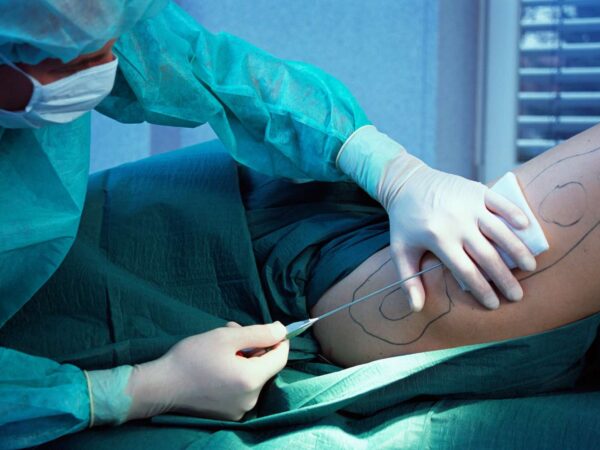
Surgery generally employs lymphatic-sparing liposuction to extract abnormal subcutaneous fat. Surgeons opt for local tumescent anesthesia or general anesthesia. Local lets the patient avoid general risks but requires big anesthetic doses, which can cause its own fears.
General anesthesia has a tiny additional risk of less than one percent reported but might be safer for large multi-site work. Incisions are limited and strategically positioned to reach fat nodules while attempting to spare lymphatic channels. The actual incision locations vary depending on treated areas such as thighs, buttocks, arms, and abdomen, as well as surgeon preference.
You need a plan, personalized. Lipedema stage, fat distribution, skin quality, comorbidities, and patient objectives direct our decisions on how much to extract and when to stage procedures. Earlier is often better. Stage 4 with secondary lymphedema is more complicated.
Multiple sessions are typical for large-volume or full-limb therapy. That can translate to improved security and contour management; however, it extends overall healing. Go with a surgeon experienced in lymph-sparing techniques. Outcomes are tied to the surgical craft.
Naive operators or bad technique can increase the risk of cosmetic and medical complications. Find a surgeon who has provided you with previous lipedema experience and outcome data. Surgery can enhance function and quality of life.
Studies indicate average limb circumference reductions of approximately 6 cm and prolonged advantages for pain, mobility, and life quality persisting over multiple years. For those who fail conservative therapy—compression and manual lymph drainage—surgery is the primary option to alleviate symptoms and slow progression.
Risks
-
Temporary bruising, swelling, numbness, and discomfort
-
Prolonged edema or seroma formation
-
Infection at incision or deeper tissue levels
-
Significant blood loss requiring transfusion (rare)
-
Damage to lymphatic vessels causes new or worsened lymphedema.
-
Deep vein thrombosis or pulmonary embolism
-
Poor wound healing or unsightly scarring
-
Asymmetry or contour irregularities requiring revision
Novice surgeons or misapplication of aggressive suction increase complication rates. Existing obesity, venous disease, or connective tissue disorders raise the risk of complications and delayed healing.
Recovery
Recovery depends on scope. Small-area surgeries can sometimes have patients back to light activity in days. Larger or staged full-limb work can take weeks to months. Compression garments, manual lymph drainage, and rigorous post-op instructions decrease swelling and expedite recovery.
Most patients are largely immobile, requiring assistance with their activities of daily living in the early stages. Post-operative follow-up is needed to detect infection, clot or lymph problems and direct additional treatment. Long-term results are often supported with continued conservative care.
Financial Equation
Determining if lipedema surgery is worth it begins with a transparent examination of expenses, insurance coverage, and maintenance needs. Here is a brief contrast of standard treatment paths, average prices, and insurance coverage.
|
Treatment option |
Typical cost (USD) |
Insurance coverage likelihood |
|---|---|---|
|
Lipedema surgery (single session) |
$18,000–$60,000+ |
Often denied or limited; sometimes partial if documented medical need |
|
Multiple-session/whole-body surgical plans |
$40,000–$100,000+ total |
Rarely fully covered; may require appeals and specialist letters |
|
Non-surgical: compression garments (annual) |
$200–$1,200 per garment; $500–$3,000/year |
Usually not covered |
|
Manual lymphatic drainage (per session) |
$60–$150 per session; $1,000–$5,000/year |
Occasionally covered if ordered by physician |
|
Physical therapy / exercise programs |
$50–$150 per session; varies |
Sometimes covered partially |
Things that drive price up are where you live, the surgeon’s experience, number of areas of the body needing work, and duration of the procedure. For instance, out-of-network surgical sums in the U.S. Can range from approximately $20,720 in certain states to approximately $65,200 in others.
A tricky case requiring multiple extended procedures drives up the bill fast. Lipedema surgery isn’t your average cosmetic liposuction, where a run-of-the-mill cosmetic case takes one or two hours. Lipedema procedures frequently stretch to four or five hours, which bumps up facility and anesthesiology costs.
Breakdown of cost drivers: the amount of tissue removed, the choice of technique, anesthesiologist fees, operating room time, pre-op testing, and post-op care all add up. Include surgeon consultation fees, imaging or blood work, post-surgical medications, and compression garments. Those add-ons can drive a single process’s actual cost considerably upward.
If we’re talking multiple sessions treating arms, legs, and trunk, the full blow ranges from $40,000 to over $100,000.
Contrast surgery costs with years of non-operative spending. Compression garments and weekly lymphatic drainage appointments may appear less expensive in the short term, but they turn into lifelong costs. Five or ten years of non-surgical care can approach tens of thousands of dollars without providing that same tissue volume reduction.
Insurance frequently categorizes lipedema as cosmetic and refuses coverage even after specialist endorsement, with patients footing the bulk of expenses and occasionally needing to orchestrate elaborate appeals.
Make your own budget including one-time surgical expenses, anticipated ongoing care, potential travel and lodging, and a safety margin for complications and revisions.
Candidate Suitability
A transparent perspective on candidate suitability for lipedema surgery aids in establishing realistic expectations and outcomes. Candidates should be previously diagnosed with lipedema by a clinician. Since lipedema is commonly misdiagnosed as straightforward obesity or lymphedema, confirmation typically involves a thorough history, physical examination, and occasionally imaging or lymphatic evaluation.
Diagnosis anchors the rest; without it, surgery risks being ineffective or inappropriate. Perfect candidates have diagnosed lipedema, significant symptoms, and reasonable expectations about surgery. Symptoms that nudge one toward surgery are continued pain, easy bruising, disproportional fat deposits that restrict range of motion or clothing options, and fatigue that cannot be beaten with diet and exercise alone.
Lipedema reduction surgery addresses these abnormal, painful fat cells. Candidates need to realize that it is a niche liposuction method that will vacuum those sick fat stores away, not a routine weight-loss surgery. Candidates from stage 1 to 4 may be appropriate for surgery. Stage and general health alter the strategy.
Early stage patients usually have softer fat and better skin retraction after extraction. Severe lipedema with fibrosis, high volume, or mixed lymphedema might require staged surgeries, combined lymphedema management, or different strategies. Severe obesity or uncontrolled medical conditions such as advanced diabetes, active cardiovascular disease, or clotting disorders need to be reviewed and often preoperatively optimized or referred to other specialists.
Careful pre-op evaluation is a must. On physical exam, note distribution, skin quality, and limb measurements. Diagnostic criteria and imaging can differentiate lipedema from lymphedema or obesity. Evaluation of cardiopulmonary status, metabolic health, and medications decreases perioperative risk.

Where lymphatic damage is suspected, lymphoscintigraphy or referral to a lymphedema specialist can direct technique selection so lymphatic vessels are spared. Patient and follow through matter. The willingness to wear compression garments around the clock for weeks or months post-surgery is critical to managing swelling and supporting healing.
Candidates must be committed to postoperative care such as wound checks, manual lymphatic drainage when recommended, a gradual return to activity and lifelong lifestyle changes to preserve results. They should be aware that lipedema reduction surgery permanently removes treated fat cells, but weight gain can impact untreated areas.
Understand the difference between bariatric surgery and lipedema surgery: the former reduces body weight by changing metabolism and intake. The latter removes abnormal fat tissue to reduce pain and improve function. Recovery is different for everyone, but the majority of patients experience less pain, less swelling, and less fatigue within weeks.
Beyond The Scalpel
Comprehensive lipedema care is more than just one surgery. Surgery can excise diseased fat and relieve pain, but the long-term prognosis relies on continued, multimodal care that targets circulation, mobility, nutrition, and mental health. Surgery is a serious investment, frequently costing between $40,000 and $100,000 or more depending on treated areas and geography.
Patients should consider surgical benefits alongside non-surgical alternatives and post-op requirements.
-
Complete decongestive therapy (CDT): This includes manual lymphatic drainage, compression garments, skin care, and guided exercise. CDT can reduce swelling, decrease the risk of infection, and diminish pain. For instance, consistent lymphatic massage and daily compression can prevent fluid accumulation after surgery and accelerate improvements in range of motion.
-
Targeted exercise and physical therapy: Low-impact cardio, resistance work, and mobility training build strength and improve lymph flow. Physical therapists instruct you on motion patterns that alleviate joint stress. Stage 3 lipedema patients tend to recover mobility more quickly when physical exercise and gait training are initiated earlier in the recovery plan.
-
Nutritional support and weight management: While diet won’t cure lipedema, anti-inflammatory eating and tailored calorie plans can reduce symptom flares and improve overall health. Registered dietitians assist with setting SMART goals and help avoid typical pitfalls that cause frustration.
-
Pain management and pharmacotherapy: Analgesics, neuropathic pain agents, and short courses of anti-inflammatory medication can control symptoms during recovery. Coordination with a clinician prevents overuse and addresses sleep and mood impacts.
-
Psychological support and counseling: Chronic conditions change identity and daily life. Therapy, support groups, and down-to-earth counseling minimize post-op dissatisfaction. One study discovered that 7% of patients were dissatisfied with the results, typically because they had unrealistic expectations or had preoperative habits, like smoking, that weren’t conducive to healing.
-
Ongoing monitoring and follow-up: Regular assessments using validated questionnaires, circumference or volume measurements, and photo documentation track progress. Follow-ups every few weeks early on and then every three to six months allow clinicians to adjust compression, exercise, or further interventions.
In most cases, the best long-term results come from a combination of surgical and non-surgical approaches. Surgery often offers meaningful improvements. Surveys report 84% of women noting better quality of life and 86% reporting less pain, while 96% with Stage 3 report improved mobility.
Expect common postoperative features: severe swelling and bruising for 1 to 2 months, moderate swelling for 2 to 4 months, and light swelling up to 6 months or longer. Full recovery and final results may take months. Patients should be prepared, mentally and practically, for that timeline.
Monitor progress with symptom questionnaires and regular follow-ups to stay on target and adjust as necessary.
Choosing Your Surgeon
Selecting your surgeon is the most important step in considering lipedema surgery. This is not your average liposuction. It requires a surgeon who understands how to preserve lymphatic vessels, treat fat in a lipedema-pattern distribution, and stage care for more severe presentations.
Seek out obvious signs of specialized expertise, open results, and a crew that’s got your back pre- and post-op.
Prioritize experience and lymphatic-sparing technique
Inquire into how long the surgeon has treated lipedema and how many procedures they have performed. Years of dedicated work is important because this disease is frequently misdiagnosed and treated differently than cosmetic liposuction.
Surgeons with lymphatic-sparing training, like those operating with water-assisted liposuction or with tumescent and microcannula techniques tuned specifically for lipedema, minimize the risk of lymph damage. A surgeon with a decade of lipedema cases and specific training in lymph-sparing approaches is likely to manage scar tissue and chronic swelling better than a generalist.
Evaluate outcomes, published work, and patient feedback
Review objective outcomes: complication rates, revision rates, and long-term follow-up. If possible, pick surgeons who have published lipedema case series or research. Academic work hints at a deeper understanding of the condition.
Read patient testimonials and seek out fair-minded narratives of recovery and outcome. BEFORE AND AFTER PHOTOS should have the same lighting and dates so you can judge actual change. For example, find a surgeon who shares multi-year follow-up photos showing reduced limb volume and improved mobility.
Check facilities and support teams
Where you have surgery counts. Recognized surgical destinations where the anesthesiologist is trained and lymphatic specialists, physiotherapists, and certified lymphedema therapists are readily available enhance outcomes.
Places such as specialized lipedema surgery clinics provide multidisciplinary care and more defined postoperative pathways. Inquire about the nursing team, compression therapy guidelines, and outpatient supports. For example, a clinic that schedules pre-op compression fitting and post-op manual lymph drainage shows system-level planning.
Prepare focused questions before meeting
Bring a concise list: How long have you treated lipedema? What are your lymphatic protection techniques? Do you stage procedures for Stage 3 or 4 disease, and how long between stages?
What are your complication rates? What does postoperative care entail, and who manages complications? What’s the all-inclusive or flat-rate estimate that includes surgery, anesthesia, and follow-up?
Be upfront about money – lipedema surgery can cost anywhere from 40,000 to over 100,000 in total and you should prepare.
Conclusion
Lipedema surgery can reduce swelling, relieve pain, and increase daily comfort for many. Recovery requires time and attentiveness, and costs accumulate. Best results come from defined objectives, a strong aftercare plan, and a surgeon with specialized expertise. Combine surgery with consistent compression, exercise, and weight-conscious lifestyle habits to maintain progress. To a patient with stable symptoms and lost relief from conservative care, surgery frequently delivers true respite. For milder cases, other measures might work first. Consider expenses, dangers, and achievable results. Talk with at least two experts, ask to see before-and-after images and long-term follow-up. Sound good and want to hear more or compare surgeons? Schedule a consultation and get the facts.
Frequently Asked Questions
Is lipedema surgery worth it?
Surgery can very much be worth it for many who have pain, mobility limits, or failed conservative care. Benefits frequently encompass decreased discomfort, enhanced mobility, and a better quality of life. Outcomes differ by stage, procedure, and surgeon ability.
What types of surgery treat lipedema?
Popular techniques are tumescent liposuction and water-assisted liposuction. Both eliminate abnormal fat while preserving lymphatics. The decision is based on stage, symptoms, and surgeon experience.
How long is recovery after lipedema surgery?
Normal recovery is 1 to 6 weeks for normal life and up to 3 months for maximal improvement. Compression garments and a slow return to activity are important to maximize results.
Will lipedema come back after surgery?
Lipedema is a chronic condition that can return or advance if root causes persist. A lot of patients experience long-term improvement as well, particularly with continued conservative treatment such as compression, working out, and weight control.
How much does lipedema surgery cost?
Fees range dramatically by country, procedure, and degree. Anticipate wading deep in your savings because insurance might defray some if medically indicated. Get itemized estimates and check coverage early.
Who is a good candidate for surgery?
Great candidates have symptomatic lipedema, such as pain, swelling, and mobility issues, and have attempted conservative care. Candidates need to be medically fit and know realistic results and risks.
How do I choose the right surgeon?
Select a board certified plastic or vascular surgeon with lipedema experience and before and after results. Inquire about lymphatic-sparing technique, complication rates, and follow-up care. Get a second opinion for reassurance.