
Key Takeaways
-
Lipedema is a long-term connective tissue disease that leads to the accumulation of painful, disproportionate fat in the legs and arms. It often requires proper diagnosis to inform treatment and evade misdiagnosis as obesity or lymphedema.
-
Liposuction and other reduction surgeries can dramatically shrink pain, restore range of motion and re-contour limbs in cases where conservative therapy is no longer effective. Candidacy depends on diagnosis, disease stage and general health.
-
Recovery involves immediate swelling, compression wear, staged milestones over weeks to months, and full results can take several months. Multiple procedures may be required.
-
Anticipate realistic results and limitations, such as tissue reduction and function improvement instead of a cure. Long term follow up is needed to track recurrence or new fibrotic changes.
-
Prepare proactively with preoperative medical clearance, defined objectives, and practical measures such as medication management and support at home. Adhere to rigorous postoperative care encompassing compression, wound management, and physical therapy.
-
Confront the hidden emotional path by leveraging support systems, mental health care, and lifestyle adjustments to sustain results and enhance life after surgery.
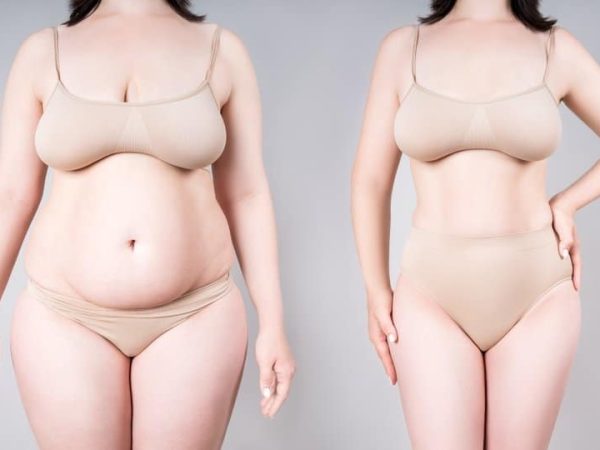
Lipedema surgery before and after photos reveal the transformation in the limb contours and tissue mass following liposuction and lipectomy for lipedema. Patients often experience less pain, increased ease of movement and less bruising post-surgery.
Results differ by stage, surgeon expertise and post-operative care. Volume loss and improved symmetry are documented in photographs and measurements.
The meat of it details procedure types, recovery timelines, common complications and advice for managing expectations.
Understanding Lipedema
Lipedema is a chronic disorder of fat accumulation, predominantly occurring in the legs, thighs, buttocks, and occasionally the arms. It reshapes body contour, induces pain and easy bruising, and frequently restricts movement. Accurate diagnosis is important since treatment options, such as conservative solutions versus surgery, hinge on identifying lipedema and not calling it basic obesity or edema.
The Condition
Lipedema is a connective tissue disorder where there are painful, often fibrotic fat deposits. Tissue feels different from ordinary fat: nodular, tender, and resistant to diet. Bruising occurs with ease.
Over time, skin can thicken and sensitivity increases, which raises daily pain and decreases activity for many.
Common symptoms include:
-
Symmetric enlargement of limbs, sparing the hands and feet.
-
Pain, tenderness, and heavy sensation in affected areas.
-
Easy bruising with minimal trauma.
-
Skin nodules or uneven, lumpy texture.
-
Reduced mobility and exercise intolerance.
-
Progressive worsening after hormonal events (pregnancy, puberty, menopause).
If untreated, lipedema can develop into lipolymphedema, where lymphatic flow becomes compromised and fluid accumulates in addition to fat. This adds edema, risk of skin changes, and infection risk.
It’s much more prevalent in women, typically beginning between 20 and 40 years of age, and is commonly mistaken for obesity or primary lymphedema, pushing appropriate treatment further down the road.
The Stages
Lipedema progresses through identifiable stages. Stage 1 is characterized by smooth skin and enlarged underlying subcutaneous fat. Stage 2 brings uneven skin, bigger nodules, and palpable fibrosis.
Stage 3 includes large deforming fat masses, substantial skin laxity, and reduced mobility. Some define stage 4 as lipolymphedema, which involves lymphatic compromise with additional swelling and increased risk of complications.
Each phase impacts skin texture, fat lobules, and limb mobility in distinct ways. Early stages respond best to conservative care, while later stages may require surgery.
Here is a brief look at stage characteristics and potential treatment requirements:
|
Stage |
Skin & Fat Changes |
Body Shape & Symptoms |
Typical Treatment Needs |
|---|---|---|---|
|
1 |
Smooth skin, enlarged fat layer |
Mild disproportion, heaviness |
Compression, exercise, weight control |
|
2 |
Nodules, uneven texture |
Increased pain, visible lumps |
Manual lymph drainage, stronger compression |
|
3 |
Fibrotic tissue, large masses |
Major shape change, reduced mobility |
Surgical options (liposuction, debulking) |
|
4 |
Lymphatic involvement, swelling |
Severe pain, ulcer risk |
Combined lymphatic care and surgery |
Stage specific care is necessary. Surgery after accurate staging enhances outcomes and reduces complication risk.
The Misdiagnosis
Lipedema is frequently misdiagnosed as obesity, lymphedema, or venous disease, which postpones appropriate treatment and heightens pain. Misdiagnosing results in misguided treatments such as isolated dieting, which rarely is lipedema fat reductive.
Key diagnostic criteria include:
-
Disproportionate fat distribution in limbs versus trunk.
-
Pain and easy bruising in affected areas.
-
Lack of foot involvement (ankle cuff sign).
-
Poor response to caloric restriction.
Clinical exam, patient history, and objective measures like body mass index aid in distinguishing these conditions.
BMI in isolation can be deceiving. Clinicians must instead evaluate tissue texture, symmetry, and the timing of symptoms. Timely, correct diagnosis enables patients to receive conservative care and surgical options when applicable.
Surgical Pathways
Surgical routes for lipedema focus on eliminating dysfunctional fat while safeguarding lymphatic tissue and targeting to alleviate discomfort, enhance movement, and reestablish form. Our pathways are customized to your disease stage, symptoms, previous conservative care, and goals.
Expert surgeons and plastics teams schedule staged plans that include liposuction, suction lipectomy, excision, and adjunctive skin lifts, sometimes over the course of multiple operations.
Liposuction
Liposuction is the mainstay surgical intervention for lipedema, aiming to extract diseased fat tissue while protecting lymphatic vessels. Lymphatic-sparing liposuction techniques have been developed that use low-pressure suction and advanced fine cannulas to reduce trauma.
Tumescent, wal, and other gentle methods are utilized. Surgeons use special lipedema-specific cannulas and suction hand pieces to work through fibrotic fat with less force. These minimize bruising, bleeding, and risk to lymph vessels.
Efficacy encompasses repeatable observations of diminished pain, heaviness, enhanced leg function and exercise capacity. Numerous patients are able to ambulate earlier and require less pain medication following treatment.
Liposuction can reshape limbs and reduce disproportion. Realistic expectations are essential because multiple sessions may be needed to treat extensive areas like thighs, hips, and calves.
Techniques
Manual lipedema extraction and suction lipectomy characterize the same objectives, but differ in tool and movement. Manual extraction employs surgeon-guided, low-trauma maneuvers.
Suction lipectomy is typically more mechanical in nature but can be modified for lymphatic safety. Cosmetic liposuction variations, which concentrate on contour and skin redraping, can be combined with thigh lift or other excisional procedures when excess skin is still present.
Advanced solutions for fibrotic tissue and lax skin include ultrasound and laser-assisted devices that can break down fibrotic deposits prior to suction, but they can pose additional thermal risk.
Water-assisted and power-assisted devices can facilitate extraction with less pressure. We’re familiar with pneumatic compression pumps being used post-op to reduce edema and accelerate recovery. Your tool selection must be judicious.
The technique you use can impact the risk of complications and long-term success.
Candidacy
Potential candidates require a solid lipedema diagnosis, impactful symptoms resistant to conservative treatments such as compression, MLD, and activity, and attainable objectives. Age, BMI, and medical comorbidities like coagulation disorders or uncontrolled diabetes impact candidacy and timing.
Evaluation needs to delineate the involved regions, stage extent, and record skin quality in order to determine if lipectomy alone or combined excision is optimal.
Comprehensive consultation with imaging when indicated, functional testing and discussion of staged surgery for advanced disease is essential. Surgeons establish expectations around recovery, scar patterns, necessary repeat procedures and long-term follow-up to maintain results.
The Transformation
Before detailing stages, summarize the change: Lipedema reduction surgery can bring clear visual and functional shifts. We often see patients transition from chronic pain and limited mobility to lighter legs, less swelling, and a more proportionate body contour. Outcomes can follow multiple lymphatic-sparing procedures, like lymphatic-sparing liposuction and MLE, and they start to appear within weeks after a revision procedure.
1. Pre-Surgery Reality
Patients usually come in with excruciating pain and functional loss that restricts their life. Legs feel leaden, my body out of shape and even something as basic as climbing stairs or tying my shoes is difficult. Typical nagging complaints include swelling, easy bruising, and tissues that refuse to respond to diet or exercise.
|
Pre-surgery symptoms |
Typical body measures |
|---|---|
|
Constant aching, tenderness |
Thigh circumference often > normal range |
|
Restricted movement, immobility |
Calf and ankle enlargement uneven |
|
Frequent bruising |
Body mass index varies; standard weight loss ineffective |
There’s emotional strain when living with untreated lipedema. Social withdrawal, frustration with clothing fit, and diminished self-esteem related to body image and chronic pain are common complaints by many patients.
2. Immediate Post-Op
Immediately post surgery, anticipate significant swelling, bruising, and a requirement for compression garments. Wounds need daily attention and rest during the initial days. Surgeons emphasize compression around the clock for weeks to manage swelling and contour the tissues.
Post-op orders typically consist of incremental activity restrictions, elevation, light walking to prevent DVTs, and dressing changes. Careful observation is required to detect infection or venous thrombosis early. Regular early visits with the plastic surgeon are necessary to shift compression, evaluate healing, and schedule additional intervention if required.
3. Recovery Milestones
Recovery comes in distinct phases. Swelling and bruising peak during the first two weeks, then begin to subside. By roughly one month after the second procedure, most patients report that their legs feel lighter and the pain significantly decreases.
Within three to six months, mobility is restored, activity tolerance comes back, and skin texture softens. Indicators of a successful healing were defined as less pain, better leg function, and a more balanced silhouette.
PT and continued compression therapy facilitate a quicker return to normal activities and maintain lymphatic flow. Small accomplishments in walking further, working out, and household tasks note transformations.
4. Long-Term Results
Long-term results frequently consist of persistent pain management, increased range of motion, and diminished tissue formation when surgeries conserve lymphatics. They can regrow or new lipomas may arise, so continued care and monitoring is important.
Surveys indicate that patients are extremely satisfied a year after lipedema reduction surgery when combined with appropriate postoperative care and lifestyle changes. Results last longer with compression wear, hard weight, and occasional maintenance.
5. Beyond the Physical
Patients experience gains in confidence and social participation post-surgery. Better body image and less pain result in improved mental health for many.
The sheer joy of being able to be physical again, walk, play low-impact sports, and run errands invigorates your entire being and freedom. The transformation is not merely skin-deep; it touches everyday living and overall health.
Managing Expectations
Managing expectations starts with a clear explanation of what surgery can and cannot do. Recovery can be slow and staged. Patients should prepare for assistance around the house, with children or pets, and have someone available to drive them home and provide support during the initial 24 to 48 hours.
Sleeping in those initial days is crucial. Wearing compression garments 24/7 for a few weeks is the norm. Avoid strenuous activity, heavy lifting, and intense exercise for 4 to 6 weeks or until cleared by your surgeon. Anticipate significant post-liposuction swelling and bruising, which can take 6 to 12 months for it to subside completely.
Realistic Timelines
Normal recovery times differ per operation. Liposuction patients usually get back to light activities within one to two weeks, desk work in one to three weeks, and hold off on more active exercise for four to six weeks.
Lipectomy generally requires two to four weeks before routine tasks and six to eight weeks for most physical work. Abdominoplasty usually has the longest early recovery, requiring two to six weeks for basic mobility and up to three months for stronger activities.
Things that impact the speed of healing are the patient’s age, the amount of surgery involved, and compliance to post-op instructions such as wound care, compression, and activity restrictions. Health issues and smoking impede healing.
|
Phase |
Typical timeframe |
Milestones |
|---|---|---|
|
Immediate |
0–48 hours |
Drainage of pink tumescent fluid, rest required, first dressing change |
|
Early |
1–2 weeks |
Reduced pain, continued swelling/bruising, daily tasks with help |
|
Mid |
3–6 weeks |
Compression use ongoing, light activity resumes, avoid heavy lifting |
|
Late |
3–12 months |
Swelling subsides, final contour appears, scar maturation continues |
Final results may not be apparent for a few months as swelling subsides.
Patient Factors
Results may vary based on BMI, ligament quality and severity of disease. Higher BMI and poor skin elasticity will impede contour change. Comorbidities such as chronic venous disease, lymphedema or hypermobile joints may hinder recovery, exacerbate swelling and extend rehabilitation.
Results are driven heavily by motivation and compliance. Patients who follow compression, follow-up, and mobility protocols generally heal more quickly and with superior contouring. They vary by number and type of procedures.
Staging surgeries might minimize risk and accelerate healing but prolong the timeline.
Surgical Limits
Surgery debulks the problematic fat and enhances shape. It does not cure the underlying lipedema disease. Nonoperative field areas may still be swollen or more noticeable following treatment.
In extreme cases, partial lipodepletion or new fibrosis can occur, potentially necessitating additional procedures. Understand realistic goals: reduction in pain, improved mobility, and better fit of clothing are common achievable aims, whereas complete normalization of limb size is not guaranteed.
Check list—surgeon volume, expected stage plan, drainage care, compression timeline, pain control, return-to-work timeline, risks of fibrosis, follow-up.
The Unseen Journey
Lipedema is a long-term disease identified by unnatural fat accumulation in the legs, thighs, and buttocks, resulting in discomfort, bloating, and restricted mobility. Surgery usually attacks the physical tissue, but healing requires shifting emotional and practical layers. The passages below unpack what patients often encounter and how to plan for the invisible aspects of the experience.
Emotional Shift
Many patients transition from years of frustration and embarrassment to a feeling of empowerment and newfound confidence post-surgery. Frustration is usually born from years of marginal relief despite diet and exercise, and embarrassment can permeate your social life and work.
Once surgery is behind you, better movement and less discomfort can cause genuine changes in behavior and identity. They’re coping strategies that make the highs and lows easier to handle. Things as simple as maintaining a pain and mood diary, setting small daily goals, and employing breathing exercises help maintain consistent progress.
Professional counseling regarding your body image and mourning your previous capacities can be helpful. Patient communities and support groups provide practical tips and emotional security. Virtual support groups, local meetups, and even specialized clinics exchange advice on compression garments, scar care, and activity pacing.
It’s almost always hearing someone else express this same fear of relapse that helps diminish the sense of isolation. Improved body image can alter relationships and daily life. Patients talk about being able to fit into their clothes more comfortably, feeling more open to being active and even being more intimate.
These results are not guaranteed and vary based on the stage of lipedema, the extent of fat remodeling, and individual expectations.
Mental Health
The aching and misshapen body can lead to psychological anxiety and depression that further compounds the stress. The burden of constant pain interferes with sleep, productivity, and social motivation. Tackling these concerns pre and post-op is just plain good care.
It’s after successful liposuction that most patients record less depression, anxiety, and stress. Clinical measures echo these gains in function and symptom severity with a median complex decongestive therapy score decrease of 37.5 percent reported in some studies. Continuous psychological care is a must.
Therapy, medication where indicated, and regular mental-health check-ins help manage setbacks like wound complications or slower-than-anticipated recovery. Mental toughness helps deal with such obstacles and pursue care plans.
Lifestyle Integration
It takes time and planning to incorporate a transformed body back into your life. Begin with a slow return to work and graded exercise. Use practical measures like adaptive clothing and organized home routines to decrease stress.
Suggested lifestyle modifications consisted of consistent, ability-appropriate physical activity, a nutrient-rich diet to aid recovery, and persistent compression therapy to reduce edema. Routine check-ups monitor relapse and catch new symptoms at an early stage.
Maintaining outcomes is a long-term endeavor. Lipedema may worsen by stage as age progresses and adipose tissue in this disease displays cyclical cell death and regeneration. Ongoing surveillance and management lower the risk of problems like lymphedema.
Optimizing Outcomes
Optimizing outcomes for lipedema surgery demands a comprehensive plan that encompasses physical care, emotional support, and defined goals. The objective is to decrease physical pain and load, increase mobility, and establish reasonable expectations regarding body shape and symptom relief prior to transitioning into specific actions.
Pre-Operative Care
A complete pre-op workup starts with a medical evaluation, thorough body measurements and informed consent. Such tests can involve blood work, ECG, and even past surgeries or chronic conditions. Specific limb measurements and pictures establish a before and after baseline and direct the surgery plan.
‘Preparing the body’ is stopping medications like NSAIDs or blood thinners with your doctor’s approval, organizing home help for week one and pre-fitting ordered compression garments. Patients must organize rides, assistance with chores, and a tidy, convenient convalescing space at home.
Transparent communication with the surgical team about objectives and expectations is essential. Talk about symptom goals, such as less pain and easier walking, and cosmetic goals, including contour smoothing and symmetry. Inquire about technical details, like tumescent, water-assisted, or combined lifts, and their impact on recovery.
Pre-op checklist: ID and insurance cards, medication list and briefs, compression garments, comfortable loose clothing, wound-care supplies, and contact numbers for the clinic. Do any pre-op shower or skin prep, fast if instructed, and confirm arrival time and COVID or infection protocols.
Post-Operative Care
Post-op focus is wound care, consistent compression wear and graded activity. Care for wounds as directed, maintain dry dressings, change as demonstrated and wear compression consistently for the duration recommended, frequently weeks to months, to manage swelling and contour tissues.
Watch for warning signs: sudden or severe swelling, purplish redness, fever, foul drainage, or pain that does not ease with prescribed meds. Report them quickly. Early treatment minimizes risk and can even prevent readmission!
Follow-up visits are vital. Regular checks let the team adjust compression, remove sutures, and monitor lymphatic function. Adhere to medication schedules, anticoagulation plans if prescribed, and guidance on returning to work or exercise.
PT, MLD massage and complete decongestive therapy hasten recovery and limit the extent of long term edema. Therapy plans differ. Some patients may do well with weekly visits up front, then taper to home self-treatment.
Pairing surgery with focused lifts or contouring can produce more proportional results when dosed according to a customized plan. Select seasoned surgeons and reputable clinics, educate patients on risks and benefits, and assemble a multidisciplinary team to optimize satisfaction and outcomes.
Conclusion
Lipedema surgery may reduce pain, free movement, and decrease excess tissue. Many people experience a defined shape, reduced bruising, and greater comfort with everyday activities. Recovery requires time, consistent attention, and incremental victories. Anticipate swelling, staged gains, and follow-up therapy like compression and targeted exercise. Monitor with photos, light journaling, and range-of-motion testing. Request specific timelines and a schedule that works for your life. For instance, schedule shorter excursions in week 2, gentle walking in week 4, and more complete activity after 3 months if your squad agrees. Discuss with your surgeon and therapist reasonable goals and a plan of action. Want to talk more or discuss planning next steps? Contact your care team for a customized plan.
Frequently Asked Questions
What is lipedema surgery and who is a good candidate?
Lipedema surgery, typically fat-targeted liposuction, eliminates painful, abnormal fat deposits. Good candidates have confirmed lipedema, ongoing symptoms despite conservative care, and reasonable expectations. Specialist consultation is crucial.
How soon will I see before-and-after results?
You will experience volume reduction immediately. Final results take three to twelve months as swelling subsides and tissues settle. Several sessions could be required for optimal symmetry.
Does lipedema surgery improve pain and mobility?
Yes. Many patients say there is less pain and bruising, as well as greater mobility. It varies based on disease stage, surgical technique, and post-op care.
What are the main risks and complications?
Risks involve infection, bleeding, contour irregularities, numbness, and blood clots. Selecting an experienced surgeon and adhering to post-operative care minimizes issues.
How long is recovery and when can I return to normal activities?
Majority go back to light activities in 1 to 2 weeks. Strenuous exercise and heavy lifting typically resume after 4 to 6 weeks. Stick to your surgeon’s post-op rehab schedule for optimal outcomes.
Will lipedema come back after surgery?
Surgery eliminates impacted fat and it can come back if the disease continues or weight fluctuates. Continued conservative care and lifestyle habits preserve results.
How should I choose a surgeon for lipedema surgery?
Opt for a board-certified surgeon who specializes in lipedema-specific liposuction. Inquire about before and after photos, complication rates, and patient results. Aim for a multidisciplinary team if available.