

Key Takeaways
-
Anti inflammatory diet for lipedema Related inflammatory diets increase systemic inflammation markers and can increase lipedema symptoms, so limit processed foods, trans fats, and sugary products to keep swelling and tissue growth in check.
-
Construct your meals around whole, nutrient-dense foods with balanced amounts of healthy fats, lean proteins, colorful fruits and vegetables, and complex carbohydrates to stabilize blood sugar and reduce inflammation.
-
Focus on omega-3 and monounsaturated fats, diverse veggies and low-sugar fruits, lean proteins, and fiber-dense complex carbs to support lymphatic function, reduce edema, and preserve muscle mass.
-
Finally, track symptoms, maintain a food and symptom journal, and develop a personalized list of trigger foods using tools such as the dietary inflammatory index and optional dairy and gluten elimination trials if pain continues.
-
Pair this anti-inflammatory diet with gentle movement, stress reduction, and 7 to 9 hours of quality sleep and you’ll see optimal fat loss, decreased pain and swelling, and better results overall.
-
Be a fan of progress, not perfection. Cheer on the small, consistent changes and use the support of your community to keep yourself motivated and your plan flexible as your needs change.
An anti inflammatory diet for lipedema is a way of eating designed to reduce inflammation associated with symptoms and pain. It emphasizes whole foods, healthy fats such as olive oil, lean proteins, vegetables, and low-glycemic fruits yet limits processed foods, added sugar, and excess salt.
Many experience less swelling and more energy after months of consistent changes. The meat will describe actionable meal selections and easy shopping ideas.
The Inflammation Link
Lipedema is characterized by chronic inflammation of subcutaneous tissue, and minimizing that inflammation is key to symptom management and decelerating progression. Dietary factors can increase or reduce systemic inflammatory markers that influence pain, edema, and rogue fat growth. An anti-inflammatory eating pattern targets that internal blaze, reduces swelling, and enhances the efficacy of other interventions.
High refined carbs, added sugar, and industrial seed oil diets increase systemic inflammation and exacerbate lipedema. A diet heavy in processed meats, trans fats, and high-glycemic foods raises inflammatory cytokines and can add to tissue pain and swelling. Low antioxidant and fiber intake was associated with higher inflammatory index scores and more severe tissue growth in lipedema. Alcohol in excess and common ultra-processed fare induce edema and lymphatic dysfunction, which exacerbates symptom load. Diets with a positive inflammatory profile, high in whole plant foods, omega-3 fats, and phytonutrients, help lower CRP, interleukins, and other markers.
Addressing the inflammatory element with a consistent anti-inflammatory diet can help control lipedema and maintain healthy weight loss when applicable. The Mediterranean diet offers a clear example. Its emphasis on vegetables, legumes, whole grains, olive oil, fatty fish, and nuts supplies antioxidants and anti-inflammatory fats that lower systemic markers. Research and patient experiences imply that Mediterranean-style eating can both reduce pain and limit progression by combating oxidative stress in tissue.
Certain foods that are anti-inflammatory in nature, such as ginger, turmeric, garlic, onion, green tea, and colorful fruits and vegetables, are rich in compounds like curcumin, polyphenols, and flavonoids. These compounds help modulate inflammation and can reduce swelling with consistent application. Adding two to three cups of mixed veggies a day, a cup of green tea, and a pinch of turmeric and ginger in your meals are simple things that yield real results over weeks.
Low-carb approaches, including keto, hold promise in lipedema pain and symptom severity management through reduced insulin and inflammatory signaling. Keto or other low-carb plans may lessen pain and enhance quality of life for certain patients, but they need oversight to ensure they remain nutritionally balanced and sustainable over time. Selenium has been studied for lymphedema and could offer a slight anti-inflammatory advantage. Dietary sources and careful supplementation with clinician supervision are both contenders.
Dietary inflammatory index scores correlate with lipedema severity and edema. Higher scores often match greater tissue growth and swelling. Tackling inflammation in your diet, in addition to compression, movement, and medical attention, provides the best opportunity to slow disease and relieve symptoms.
Your Anti-Inflammatory Plate
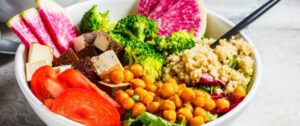
Your anti-inflammatory plate for lipedema focuses on whole, unprocessed foods selected for their nutrient density and low inflammatory potential. Meals should support lymphatic health, reduce local inflammation, and help stabilize blood sugar while favoring plants, lean protein, complex carbs, and fats.
Here are actionable tips and details to construct balanced meals that help shield lipedema tissues from inflammation and boost overall metabolism.
1. Healthy Fats
Include omega-3 and monounsaturated sources: oily fish like salmon and mackerel, walnuts, chia seeds, avocados, and extra virgin olive oil. These fats reduce inflammatory signaling in fat tissue and promote skin and joint health!
Avoid trans fats and many industrial seed oils rich in omega-6 whenever possible. They have a propensity to increase inflammation and exacerbate fat accumulation. Use a short list at hand: olives, avocado, fatty fish, nuts, and seeds.
Healthy fats enhance lipid profiles and assist with metabolic balance, potentially helping with body fat management long-term.
2. Colorful Produce
Load up half your plate with vegetables and low-sugar fruits to provide antioxidants and polyphenols to minimize cell damage. Rotate leafy greens, cruciferous veggies (broccoli, brussel sprouts), and berries to vary the phytochemicals and vitamins.
Colorful produce supports lymphatic flow and helps mitigate local edema by decreasing oxidative stress. Track daily intake with a simple log. Aim for a range of colors each day to ensure steady intake of inflammation-fighting nutrients.
3. Lean Proteins
Lean proteins like chicken, turkey, eggs, low-fat dairy if tolerated, tofu and legumes will help keep your muscle while you lose weight and stay mobile. Getting enough protein keeps you strong, which is important for the exercise that supports lymphatic function.
Fatty red meats and processed meats can elevate systemic inflammation. Add a protein serving at every meal to balance appetite and maintain consistent fat loss.
4. Complex Carbs
Opt for whole grains, such as quinoa, brown rice, oats, and whole-wheat bread, as well as legumes and starchy veggies to keep your blood sugar even. Refined carbs, like white bread, pastries, and sugary cereals, encourage glucose and inflammation spikes and can exacerbate swelling and fat storage.
Construct your own ‘anti-inflammatory plate.’ Fiber-rich carbs feed gut microbes that assist in lowering inflammatory markers.
5. Hydration
Hydrate adequately throughout the day to assist with lymphatic drainage and minimize edema. Keep fluids with a bottle or app to log intake. Limit sugary drinks and alcohol, as both are contributing factors to swelling and inflammation.
Hydration flushes inflammatory byproducts and aids metabolic steps in fat breakdown.
|
Component |
Proportion |
|---|---|
|
Healthy fats |
20–25% |
|
Lean proteins |
20–30% |
|
Colorful produce |
40–50% |
|
Complex carbs |
15–25% |
Inflammatory Triggers
Chronic inflammation is at the heart of lipedema. Diet can increase or decrease inflammatory signals, influence fluid retention, and alter pain. To be specific, there is emphasis on triggers to avoid, usual suspects to test, and actionable ways to monitor what counts for the individual.
-
Refer to your symptoms diary and the dietary inflammatory index to create your own list of inflammatory triggers to avoid. Keep a simple daily log: what you ate, timing, portion size, symptoms (pain, heaviness, swelling), and a numeric rating from 0 to 10. After two to four weeks, look for patterns. Use the dietary inflammatory index as a guide. High scores include refined grains, sugary drinks, processed meats, and trans fats.
Check off things that always come before worse symptoms and add them to your avoid list. Update monthly and use it to plan meals and shopping. Examples include white bread, pastries, packaged snack foods, and fast-food fries.
-
Refined starches and added sugars increase inflammation and are frequently associated with exacerbated lipedema symptoms. They spike insulin and can encourage fluid retention. Scaling back white rice, regular pasta, pastries, and sugar-sweetened beverages usually does the trick, but taking them out alone might not quell flares.
Pair starch reduction with other steps below for maximum impact. For the craving-prone, trade to whole grains in moderation or experiment with low-carb diets while monitoring symptom reaction.
-
Consider trial elimination of dairy and gluten if pain is stubborn. Others feel less tenderness once they remove cow’s milk, cheese, or gluten-containing products for four to eight weeks. Make the trial focused and monitored.
Replace nutrients thoughtfully: choose fortified plant milks or low-lactose cheeses as needed, and ensure fiber from fruits, vegetables, and legumes unless legumes cause issues.
-
Alcohol and salty foods tend to exacerbate swelling and can impede progress. Alcohol is proinflammatory and raises vascular permeability. High-salt meals promote fluid retention and can exacerbate heaviness in the extremities.
Cut down on binge drinking, processed ready meals, cured meats, and packaged sauces. Flavor with herbs, lemon, and spices instead.
-
Add anti-inflammatory and supportive foods instead of cutting things out. Add ginger, turmeric, garlic, onion, green tea, matcha, rooibos, and colorful vegetables and fruits. Dark green, purple, and orange selections are particularly beneficial.
Shoot for omega-3s from sources like fatty fish or flaxseed. Hydration matters; target two to two and a half liters of water daily and use natural diuretics like parsley, green tea, and pineapple to help fluid balance.
-
Consider overall patterns: Mediterranean-style eating is anti-inflammatory and rich in antioxidants. Ketogenic approaches that limit carbs below 20 g per day can reduce pain for some.
Select the path that suits lifestyle and track circulation, inflammatory markers if accessible, and symptom scores.
Holistic Management
Holistic management of lipedema is a conservative, compassionate plan to reduce inflammation, relieve symptoms, and slow progression. Nutrition is front and center but not exclusive. Pairing anti-inflammatory diets with movement, stress management, and sleep hygiene offers the most opportunity to manage pain, inflammation, and body composition changes.
Gentle Movement
-
Walking at a steady pace for 20 to 30 minutes, five times weekly, boosts circulation and lymph flow without heavy joint load.
-
Swimming or water aerobics: Water supports weight and reduces pressure on limbs while promoting fluid mobilization.
-
Cycling on a stationary bike is low-impact cardio that strengthens lower-body muscles and aids fat metabolism.
-
Resistance bands and light strength work: focus on high-rep, low-load routines to build muscle endurance and improve metabolic health.
-
Yoga and Pilates: Controlled movement with breath work improves posture, balance, and core support to reduce joint strain.
Begin with brief, frequent sessions to minimize stiffness and not irritate sensitive tissue. Accumulate minutes per workout, not intensity. Incorporate daily stretching and mobility exercises to maintain supple joints and reduce stiffness.
Movement decreases edema through venous and lymph flow, can reshape body composition over time, and when combined with appropriate pacing, can alleviate pain.
Stress Reduction
Mindfulness practices such as guided meditation, diaphragmatic breathing, or body scans can reduce systemic inflammation and aid symptom management. Set weekly relaxation blocks, such as long baths, nature walks, or meditative hobbies, to combat chronic stress and treat them as nonnegotiable appointments.
Maintain a simple journal to track stress, sleep, diet, and any changes in symptoms on a daily basis in order to identify patterns and make adjustments. High stress increases inflammatory markers, exacerbates pain, and interferes with weight and symptom management of lipedema patients.
Stress management restores hormonal balance and improves response to other therapies.
Quality Sleep
Try to get 7 to 9 hours of restorative sleep to help regulate inflammation and tissue repair. Go to bed and wake up at the same time each day to support your circadian rhythm and metabolism.
Reduce screen time and avoid caffeine 4 to 6 hours before bed to fall asleep easier and reduce nighttime inflammation. Poor sleep exacerbates pain and inflammation and can contribute to fat deposition. Addressing sleep as a medical priority has immediate implications for lipedema outcomes.
|
Practice |
How it helps |
Examples |
|---|---|---|
|
Anti-inflammatory diet |
Lowers systemic inflammation |
Mediterranean diet, avoid refined starches, added sugars |
|
Movement |
Improves lymph/venous flow |
Swimming, walking, cycling |
|
Stress reduction |
Lowers inflammatory hormones |
Meditation, journaling |
|
Sleep hygiene |
Supports healing and metabolism |
Consistent routine, limit screens |
|
Hydration & natural diuretics |
Reduce fluid retention |
Water, parsley, green tea |
|
Targeted nutrients |
May reduce inflammation |
Omega-3s, selenium |
Community support keeps you motivated, offers shared strategies and assistance with the nitty gritty like recipes, local classes or therapist referrals. Peer groups combat isolation and help holistic plans stick.
Individualized Approach
Individualized approach understands that a lipedema diet isn’t one-size-fits-all. Everyone’s swelling, pain, metabolism, and food preferences are different, so the objective is to create an individualized plan that reduces inflammation, promotes circulation, and manages symptoms in ways that align with lifestyle.
Work with a doctor or registered dietitian to set goals, check labs, and eliminate other causes of swelling before you make big shifts. A personalized strategy is more gentle to sustained compliance and can be modified as body composition or life situation shifts.
Personalize by tracking food and symptoms
Maintain a basic food/symptom journal for a minimum of 4 to 8 weeks. Record meals, portions, sleep, activity, and symptom variations like limb heaviness, pain, or bruising. Look for patterns.
Some people report more swelling after high-sugar meals. Others report more swelling after processed vegetable oils or certain dairy products. A diary aids in identifying triggers and helpful foods.
Utilize points or brief phrases so that entries are rapid. Bring the diary to share with your clinician to help direct tests or elimination steps. Small adjustments guided by concrete trends are less risky than general avoidance.
Choose a dietary pattern that fits you
Think proven anti-inflammatory patterns, then personalize. The Mediterranean diet is a nice place to start here because it prioritizes vegetables, fruits, whole grains, legumes, olive oil and fatty fish.
It is anti-inflammatory and fairly adaptable across cultures. All low-carb approaches, including keto-style plans, can assist certain individuals in suppressing pain and volume by reducing insulin and weight, but they necessitate medical supervision and might not be appropriate for everyone.
Collaborate with a clinician to select a pattern that fits your preference, budget and health requirements, and schedule incremental adjustments instead of immediate, rigid switches.
Adjust over time and combine therapies
Anticipate updating the plan as weight, mobility or medications shift. Your metabolism and activity levels can shift, so your portion sizes, macro balance, or meal timing might need adjustments.
Pair dietary interventions with physical therapy, compression and consistent motion to encourage lymphatic flow and circulation. These combined efforts are more likely to decrease symptoms than diet in isolation.
Keep a conservative, compassionate mindset: small, steady wins are better than extreme cycles. Monitor with serial symptom logs and follow-ups, and be ready to reintroduce foods systematically to verify tolerances.
Beyond Perfection
Lipedema is a long-term disorder characterized by an uneven fat accumulation in the legs and arms, frequently with discomfort, swelling, and functional restrictions. An anti-inflammatory plan aims to reduce inflammation, assist circulation, and alleviate symptoms through diet, exercise, and treatment. There is no one path for all. Advancement counts for more than perfection.
Small, steady victories count. Trade refined grains for whole, drizzle olive oil on your salads, or opt for a piece of fruit over a sugary treat. These actions reflect the Mediterranean diet: olive oil, fish, vegetables, nuts, and whole grains, which reduces cell damage and aids circulation. Over weeks, these habits can reduce inflammation and provide increased vitality.
Celebrate lasting habits. Doing small steps most days counts more than perfect days followed by long lapses. Address failures with grace. A lost meal plan or social meal derailed doesn’t eliminate progress. Reframe setbacks as data: what triggered the choice, and what can you change next time?
Just log meals, water, and symptoms for one month. Seek out minor correlations between food and ache or puffiness. This makes the diet actionable and intimate, not hard and fast commandments. Community support accelerates transformation. Connect with a lipedema group online or locally to exchange tips, recipes, and resources.
Groups swap recipes that match the Mediterranean profile, low-carb alternatives, and hydration advice. They swap real examples: how one person uses parsley and pineapple in smoothies as natural diuretics, or how another drinks two to two and a half liters of water daily to keep tissues moving. Hearing lived experience helps keep plans realistic and culturally adaptable.
How about customized nutrition plans? While others discover a ketogenic routine that limits carbohydrate intake to under 25 grams per day, some do better with a balanced Mediterranean-style plan. Lipedema fat doesn’t always respond to weight loss from bariatric surgery or trendy diets.
Therefore, anticipate gradual, symptom-centered changes instead of rapid weight declines. Together with a clinician or dietitian, select an approach that matches your lifestyle and medical requirements. Sustainable change trumps perfection. Focus on diets that you can maintain in the long term, not quick fixes.
Mix in some food with frequent, low-impact exercise and PT to increase circulation. Use clear measures: symptom logs, clothing fit, pain scores, and energy levels. Tiny regular changes will probably provide the greatest lasting comfort and life improvement.
Conclusion
A lipedema-friendly anti-inflammatory diet can help reduce inflammation linked swelling and pain. Think omega-3s, fiber, and antioxidants. Choose leafy greens, fatty fish, berries, nuts, and whole grains. Reduce your intake of added sugar, refined carbohydrates, and ultra-processed products. Combine dietary changes with mild exercise, quality sleep, and stress monitoring for enhanced efficacy.
Keep track of what works. Give a straightforward food journal a shot and jot down differences in pain, swelling, and energy. Consult your physician or a nutritionist to tailor options to your health and medications. Little, continual steps provide the greatest rewards. Begin with a single concrete change for this week: replace a soda with water or include a serving of greens with a meal and expand.
Frequently Asked Questions
What is lipedema and how does inflammation affect it?
Lipedema is a long-term disorder that causes symmetrical, painful fat accumulation in the legs and arms. Inflammation increases pain, swelling, and tissue changes. Decreasing inflammation can help alleviate symptoms and increase comfort, mobility, and responsiveness to other treatments.
Can an anti-inflammatory diet reduce lipedema-related swelling?
An anti-inflammatory diet can reduce systemic inflammation and reduce swelling for others. While it’s not a cure, numerous patients note symptom relief when paired with continued medical and physical therapies.
Which foods should I eat on an anti-inflammatory plate?
Focus on whole foods: vegetables, fruits, fatty fish (omega-3s), legumes, nuts, seeds, whole grains, and healthy oils like olive oil. These options promote less inflammation and better health when consumed regularly.
Which foods commonly trigger inflammation in lipedema?
Processed foods, sugar, refined carbs, too much alcohol and some processed vegetable oils are pro-inflammatory. Everyone’s triggers are different, so monitor symptoms and modify.
How does exercise fit into anti-inflammatory management for lipedema?
Easy, consistent movement, such as walking, swimming, light resistance work, and lymphatic-friendly exercises, lowers inflammation, increases circulation, and facilitates weight management. Just modify activity according to pain and mobility.
Should I take supplements to reduce inflammation?
Certain supplements — omega-3 fish oil, vitamin D, and some antioxidants — might assist. Discuss with your healthcare provider to verify safety, interactions, and doses suitable for you.
How do I personalize an anti-inflammatory plan for my lipedema?
Join up with a clinician or dietitian that has experience with lipedema. Pair symptom tracking and food testing with realistic goals and therapies such as compression or lymphatic care to construct a sustainable evidence-based plan.