
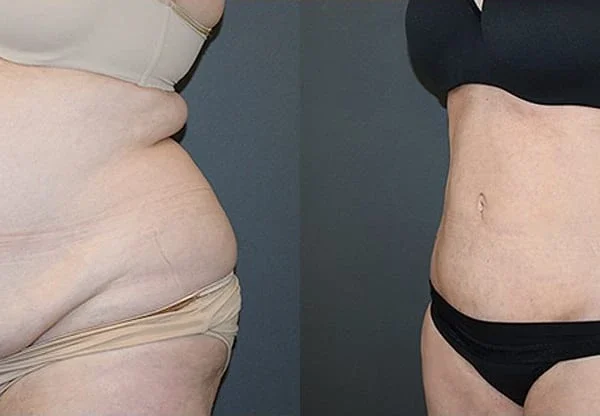
Key Takeaways
-
Will lipedema come back after surgery Lipedema can return after surgery, as it is a chronic disease and lingering fat cells or disease progression can lead to new symptom development. Keep it under control and monitored.
-
Opt for lymphatic-sparing surgery and choose surgeons with experience because a recurrence risk exists and stage-wise operations are commonplace if the disease is advanced.
-
After surgery, adhere to rigorous post-op care, including compression garments, manual lymph drainage, and regular follow-ups, to aid healing and catch recurrence early.
-
Practice anti-inflammatory nutrition, low impact consistent exercise, and weight control to reduce the inflammation and lymphatic burden that promote new fat accumulation.
-
Anticipate realistic results centered around symptom relief, increased function, and quality of life, not a cure, and potential further interventions.
-
Establish a lifelong relationship with your care team, monitor symptoms quantitatively, and adapt your treatment plan as research and your needs progress.
Will lipedema come back after surgery? Recurrence depends on multiple factors such as stage at surgery, procedure type, and post-operative care.
Surgical removal of excess fat usually decreases pain and swelling and enhances mobility. Yet, new deposits or advancement can occur over time.
Continued care with compression, activity, and medical follow-up reduces risk. The body reviews research, surgery types, and actionable advice to minimize return.
Why Recurrence Happens
Because lipedema is a chronic, systemic disorder. Surgery debulks abnormal fat and symptomatically improves, but it doesn’t cure the underlying disease process. Recurrence will follow if treatment addresses the local fat alone and medical and lifestyle management isn’t sustained. About 20% of patients experience recurrence in the treated areas and approximately 50% discover growth in untreated areas, highlighting the importance of an expansive treatment plan.
1. Incomplete Removal
Liposuction techniques attempt to extract diseased fat while preserving lymph vessels. Lipedemic fat is frequently both diffuse and fibrotic. Surgeons sometimes leave deep or tightly adherent tissue to prevent harm.
In practice, this translates into little islands of residual lipedema fat remaining after one surgery and growing out at a later point. Certain body sites are more difficult to clear, inner thighs and calves, for example, where fat sits near nerves and vessels.
Several sessions are typical for late stages. Staged operations allow surgeons to trade off between aggressive clearance and safety. Surgery that is fragmented or incomplete means those remaining fat cells essentially become seeds for regrowth.
2. Disease Progression
Surgery removes current abnormal fat, but it will not prevent the disease process. Lipedema is progressive if treated only by procedure. Residual fat cells could trigger local inflammation and recruit new fat growth.
Patients who discontinue conservative care after surgery frequently present with new swelling or symptoms in a different location. Watchful for changes, such as new tenderness, shape change, or disproportion, is key.
Early detection of progression lets you add more treatment, whether conservative measures or surgical touch-ups.
3. Hormonal Triggers
Hormonal changes during puberty, pregnancy, and menopause can prompt fresh fat deposits in vulnerable tissue. While most patients are women, these life stages can commonly overlap with symptom exacerbations.
Hormone-related weight or fluid fluctuations can appear as false recurrence even after surgically curative surgery. Medical check for endocrine or reproductive problems can assist.
When necessary, hormone optimization is incorporated into the plan so surgical advantages are more easily maintained.
4. Inflammatory Response
Lipedema’s underlying cause is chronic inflammation that fuels fat cell expansion and fibrosis. Processed food-heavy diets, low-level infections, or physical inactivity can amplify inflammation and exacerbate surgical swelling.
Anti-inflammatory measures like a Mediterranean-style diet, light resistance exercise, and smoking cessation bolster tissue health and reduce recurrence risk. Look for indicators such as persistent pain, increased bruising or heat in tissues.
These indicate active inflammation requiring intervention.
5. Lymphatic Strain
Lipedema frequently compromises lymphatic flow and can cause secondary lymphedema, particularly if surgery is aggressive in proximity to lymphatic vessels. Bad lymphatic drainage results in fluid retention that simulates or exacerbates recurrence.
Post-op protocols such as manual lymph drainage, regular compression, and staged suction protect lymphatics and preserve results.
Surgical Considerations
Surgical Approaches for lipedema surgery seeks to eliminate pathological fat and alleviate symptoms while preserving lymphatic function. Technical, surgeon, staging, and perioperative plan decisions all influence whether benefits endure and how rapidly a patient recuperates.
Technique Matters
Opt for lymphatic-sparing liposuction technologies like lymphatic-sparing and VASER ultrasound-assisted liposuction, which emulsifies dense, fibrotic fat. VASER can liquefy tissue, allowing more precise removal and less mechanical trauma than blunt methods.
Avoid cosmetic-only suction techniques not made for lipedema, which may leave symptom-causing fat behind or damage lymph vessels. Certain centers prefer awake liposuction under local anesthesia for smaller, staged procedures.
Awake approaches can minimize general anesthesia risks and facilitate faster functional recovery. Other cases require tumescent or general anesthesia, particularly when addressing high volumes or multiple areas.
Juxtapose choices by sustained symptom relief, not just acute debulking. Research and series of patients demonstrate lasting relief of symptoms of pain, heaviness, and bruising when lymphatics are preserved.
Consider combined modalities, like meticulous fat removal complemented by contouring techniques, to maximize the enduring advantage.
Surgeon Expertise
Select a surgeon experienced in lipedema reduction. Seek published case series, outcome before and after treatment, and patient testimonials depicting cases of advanced disease.
Board certification in plastic surgery or related fields is important, but lipedema-specific training and a track record matter more to get results. A multidisciplinary team improves care: physiotherapists for manual lymphatic drainage, vascular or lymphology consultants for assessment, and allied therapists for post-op rehab.
Surgeons who work with such teams tend to plan staged operations more appropriately and manage complications promptly. Ask about the surgeon’s complication rate, reoperation frequency, and familiarity with adjunct therapies like hyperbaric oxygen therapy or photobiomodulation.
Staging Impact
|
Lipedema Stage |
Typical Tissue Characteristics |
Surgical Implications |
|---|---|---|
|
Stage I |
Smooth skin, increased nodular fat |
Easier suction, may need fewer sessions |
|
Stage II |
Irregular skin, more fibrotic fat |
VASER and lymph-sparing techniques useful |
|
Stage III |
Large deforming fat pads, skin laxity |
Multiple stages often required; longer recovery |
|
Stage IV (with lymphedema) |
Combined swelling and lymph failure |
Requires lymphology input; higher risk |
Early treatment typically involves less invasive surgery and quicker recuperation. Late stages with fibrosis need more aggressive work and more time to heal and may actually necessitate multiple surgeries separated by a minimum of three months.
Pair surgery with MLD, compression, hyperbaric oxygen, and photobiomodulation to accelerate recovery and minimize inflammation. Most are outpatient procedures. Bruising subsides by two weeks, swelling peaks then decreases, and quality of life frequently significantly increases.
Your Personal Role
Surgery is one aspect of care for lipedema. Think of surgeries as instruments of abnormal fat shed and symptom relief, not miracle solutions. Long-term control relies on your pre- and post-op actions. Your personal role in the equation impacts healing, recurrence risk, and benefit duration.
Post-Op Care
Follow wound care, dressing change, and activity restrictions closely. Medical attention reduces the risk of infection and maintains tissue repair. Compression garments should be worn precisely as your team directs. They reduce swelling, direct scar tissue development, and facilitate lymphatic circulation.

Be sure to attend all follow-ups so surgeons can monitor healing, modify compression, and detect early complications. Add MLD and physiotherapy to recovery. Gentle massage and targeted movement reduce fluid build-up and speed return to normal function. A patient who skipped MLD had longer swelling and delayed return to walking without discomfort.
Follow-up scans or measurements can indicate if treated areas are stable.
Lifestyle Choices
Eat an anti-inflammatory diet that includes whole foods, lots of veggies, lean protein, and omega-3 fatty acids to reduce systemic inflammation and promote lymphatic health. Keep your weight in a healthy range because lipedema is not due to overeating, but excess fat can exacerbate symptoms and increase the risk of it returning.
Consistent light exercise such as walking, swimming, and low-impact strength work enhances circulation and keeps those muscles that assist lymph flow engaged. Avoid habits that burden the lymphatic system, such as prolonged sitting or standing without movement, very tight clothing, and unmanaged chronic inflammation from smoking or untreated medical conditions.
For example, daily 30-minute walks and compression after surgery helped many patients keep limb size steady.
Lifelong Management
Approach lipedema as a systemic, chronic disease requiring lifelong management. Maintain conservative treatments—compression, decongestive therapy, skin care—as regular components of life. Watch for new lumps, uneven fat growth, or return of heaviness and pain.
The sooner you detect these changes, the quicker your treatment can be adjusted. Update your care plan as needs change: some patients need repeat procedures, others increase therapy intensity, and some add new modalities as evidence evolves.
Keep up to date with research and therapies. Long-term results can be lasting, with some patients experiencing symptom relief for years, even a decade, when surgery is combined with regular maintenance. A few will experience recurrence in treated tissue or development of new disease in different areas.
That risk diminishes when postoperative care, lifestyle choices, and lifelong management align. Patient involvement and reasonable expectations affect quality of life and outcomes.
The Unspoken Reality
Lipedema is a nasty progressive fat disorder. Surgery can alter anatomy and relieve symptoms, but it does not remove the systemic nature of the condition. The work that follows is long-term care: ongoing compression, manual lymphatic work, exercise, weight and pain management, and regular follow-up.
These details are important because a lot of surgical teams concentrate on one-off liposuction sessions without the entire infrastructure of care that patients require.
Emotional Toll
The Unspoken Truths of Life with Lipedema Post-surgery relief or tighter clothes may bring disappointment when places still hurt or look different than anticipated. Persistent swelling, bruising, or new growth in untreated areas can exacerbate anxiety and mood.
Locate clinicians that talk about feelings as treatment, such as psychological support and pain clinics, to help manage the mental load. Peer groups and advocacy networks provide useful advice and sympathy.
Listening to others with extended follow-up, such as the Phlebology study following patients for 12 years, can make highs and lows feel typical. Connect with grassroots groups, whether local or online. Easy shared rituals, walking groups, and compression swaps generate solid support.
Expectation vs. Reality
Surgery intends to minimize symptoms, not cure permanently. About two in ten patients might experience recurrence in treated sites and about half might experience growth in untreated sites.
The hidden truth is that ‘seeable’ progress requires months, as healing and post-op swelling mask early outcomes. Prepare yourself for follow-up surgeries or ongoing conservative healing.
Studies demonstrate that if surgery is combined with diligent aftercare, including compression, lymphatic therapy, and exercise, numerous patients maintain gains for upwards of ten years. The most extensive follow-up, involving 60 patients over approximately 12 years, demonstrates that long-term gains are feasible, but only with a systemic plan, not disconnected interventions.
Redefining Success
Success is a little less pain, a little more mobility, a little more gain in everyday life, not perfect cosmetic symmetry. Accolades include less bruising, better mobility, reduced need for pain meds, and improved sleep.
Set realistic, staged goals: a three-month target for swelling reduction, a six to twelve-month plan for mobility gains, and yearly reviews for maintenance. Mark victories along the way to keep inspired.
Clinicians ought to couch results in terms of function and symptom management, and patients ought to inquire about long-term monitoring and conservative care strategies prior to surgery. Candid, evidence-based responses empower individuals to make educated decisions and cultivate strength as they navigate the path.
Future Perspectives
Lipedema is still a chronic, progressive disease. Surgery may provide enduring relief, but long-term success hinges on continued care, vigilant monitoring and treatment innovations. The following sections discuss where research is heading, how combinatorial therapies work and practical monitoring steps patients and clinicians need to adopt.
Evolving Research
|
Area |
Recent findings |
Implications |
|---|---|---|
|
Lymphatic-sparing liposuction |
Studies show reduced lymphatic injury and fewer long-term complications. |
Better preservation of lymph flow may lower risk of lymphedema after surgery. |
|
Long-term outcomes |
A Phlebology study of 60 patients followed for ~12 years reported durable symptom improvement. |
Evidence supports stability of results when paired with ongoing care. |
|
Fat biology and targets |
Research into adipose tissue signaling and inflammation is active. |
May lead to drugs that reduce lipedema fat growth or inflammation. |
|
Standardization |
Calls for unified staging and operative protocols are growing. |
Standard protocols would help compare outcomes across centers. |
Exciting results highlight lymphatic-sparing techniques as hopeful for long-term results. Future possibilities could be targeted drugs or biologics that seek to reduce the growth of lipedema fat or reduce local inflammation.
Standardized diagnostic and operative protocols need to be developed so multicenter trials can provide more definitive answers.
Integrated Therapies
Surgery ought to be one component of an overarching strategy. Manual lymph drainage and compression post-surgery minimize swelling and support recovery. Physical therapy restores function and possibly slows progression.
As does diet and weight management. Weight loss does not cure lipedema fat. Keeping your body weight in check can reduce excess strain on tissues and enhance mobility.
Plan future care with phlebology, plastic surgery, and lymphatic medicine to manage venous issues, surgical technique selection, and long-term lymph health.
Combine tools: use compression garments daily when needed, schedule regular sessions of manual lymph drainage, keep a tailored exercise routine, and revisit dietary support with a nutritionist.
Examples: a patient who had liposuction and used daily compression plus twice-weekly lymphatic massage reported fewer flare-ups and maintained results over a decade.
Proactive Monitoring
Schedule regular follow-ups: early postoperative checks, then annual reviews are sensible. Measure limb circumference, document new changes in texture or durability, new tenderness, and severity of symptoms.
Follow hard metrics and patient anecdotes. Employ symptom diaries or progress charts to demonstrate trends. Simple logs facilitate noticing growth in uncared-for areas.
Adjust care: increase conservative measures if swelling returns, think targeted imaging if lymphatic problems develop and talk about revisional procedures only after conservative measures.
Approximately 20% experience recurrence in treated sites and 50% observe growth in other locations. Complications such as fibrosis, tissue laxity, anemia, clotting, and even lymphedema are possible.
Working with a care team for life can help you catch problems early and keep your gains maintained.
A Lifelong Partnership
Lipedema is lifetime and can evolve, so surgery is a chapter in a larger narrative, not a silver bullet. Remaining connected to a surgical and medical team offers continuous surveillance, early identification of new or recurrent symptoms, and swift care modifications. These routine follow-up visits every few months the first year, then at least annually allow clinicians to monitor limb volume, skin changes, pain, and function.
Objective measures such as circumference, photos, and patient-reported outcome scores steer decisions regarding further treatment or conservative care.
Establish an ongoing relationship with your surgical and medical team for continuous support.
A steady care team gives continuity: the surgeon, a lymphedema therapist, a nutritionist, and a primary clinician who all share notes and goals. This team monitors for disease progression in untreated regions, consults imaging as necessary, and determines if repeat or staged surgery is indicated.
A practical example is that if new fat nodules appear in the arms after leg liposuction, the team can plan targeted treatment rather than starting from scratch. Long-term data demonstrates improved durability when patients maintain regular contact with providers.
Participate actively in your own care, making informed decisions about future treatments.
Patients who monitor symptoms, maintain a basic record of pain, bruising, and swelling, and educate themselves about conservative alternatives arrive at clearer decisions about when to have surgery or pursue other interventions. Informed consent is ongoing: discuss risks, realistic outcomes, and alternatives before each procedure.
Learn simple ways to measure, request imaging explanations, and read published long-term results to balance benefits and constraints. For example, choosing staged liposuction over a single large session may cut complication risk and suit personal recovery needs.
Share feedback and experiences to help refine operative care plans and improve patient outcomes.
Report what works: which compression garments are tolerable, which massage techniques relieve symptoms, and how activity levels affect pain. This feedback allows clinicians to fine-tune garment fit, customize manual lymph drainage, and modify exercise prescriptions.
Patient accounts have powered protocol adjustments that minimize post-op swelling and accelerate the road to regaining use. Tips shared by peers, logged and brought to appointments, help optimize care and enhance satisfaction.
Commit to a comprehensive, adaptive approach for managing lipedema across all stages of life.
Combine surgery with ongoing conservative care: weight management, anti-inflammatory diet, consistent compression, and regular low-impact exercise. This blend reduces symptom load and can extend surgical outcomes, with some patients eventually requiring less compression or lymphatic drainage.
Mind and mood matter: include psychological support when body image or chronic pain affects life. Long-term studies demonstrate lasting quality-of-life improvements when care remains general and adaptive.
Conclusion
Surgery removes a lot of the swollen fat and relieves pain and mobility. Many individuals maintain robust results for many years. New fat can grow in other areas or adjacent to treated areas. Weight gain, hormones and missed follow-up care increase that risk. Small, steady steps help keep results: steady activity, skin care, tailored compression and regular checkups. Choose a surgeon who monitors results and maps a defined post-care roadmap. Look forward to real talk about constraints and probable objectives. Live with grounded hope and consistent disciplines. Hear about changes early and act quickly. Ready to plot a course that suits your life? Schedule a consultation or request your care team for a personalized follow-up schedule.
Frequently Asked Questions
Will lipedema come back after surgery?
Surgery eliminates fat deposits but does not eliminate the disease. It can come back, particularly in the absence of maintenance. Most patients experience sustained benefit when surgery is combined with lifelong management.
Which surgeries lower the chance of recurrence?
Tumescent liposuction and water-assisted liposuction take out diseased fat with less tissue trauma. These methods exhibit less recurrence than previous methods. Select a surgeon who specializes in lipedema surgeries.
How can I reduce the risk of lipedema returning?
Maintain compression, exercise, weight management, and manual lymphatic drainage. These actions maintain surgical outcomes and reduce the risk of fat regrowth.
Does weight gain cause lipedema to come back?
Significant weight gain can exacerbate symptoms and masquerade as ‘recurrence.’ While maintaining a stable, healthy weight goes a long way in preserving surgical benefits, it does not completely negate the risk of recurrence.
How soon will I know if lipedema is coming back?
You may notice early signs within months to years: new swelling, tenderness, or disproportionate fat in treated areas. Immediately report changes to your specialist for evaluation.
Can non-surgical treatments prevent recurrence?
Non-surgical care such as compression, lymphatic drainage and exercise won’t eliminate diseased fat, but it can manage symptoms and slow progression. These methods are necessary for keeping the weight off after surgery.
Should I expect ongoing follow-up after surgery?
Yes. Routine post-op checkups with your surgical and lymphedema team are normal. Follow-up care assists in detecting any early return and maximizing long-term results.