
Key Takeaways
-
Lipedema can be present in thin women and it causes a disproportionate enlargement of the legs and arms.
-
Lipedema is an abnormal, painful fat that is not the same as easy weight gain or obesity, even if you are thin.
-
Accurate diagnosis is crucial and may require clinical examinations, advanced imaging, and input from specialists to differentiate lipedema from similar conditions.
-
The psychological toll of lipedema can be heavy, meaning emotional support and conversations about body positivity matter for those impacted.
-
Treatment of lipedema comprises conservative measures, including compression therapy and exercise. Liposuction is also included, with individualized treatment plans advised.
-
Addressing inflammation and learning to identify personal symptom triggers can aid in improving quality of life for those living with lipedema. This points to the importance of a comprehensive approach to care.
Lipedema is in super thin women and skinny people can have it. Lipedema causes a disproportionate accumulation of fat, mainly in the legs and arms, that cannot be eliminated by diet or exercise. This condition is not dependent on size or weight.
Most people with lipedema can appear thin in other areas but still experience swelling or tenderness in localized areas. The following sections discuss symptoms, causes, and how to manage it.
The Thin Paradox
Lipedema is not limited to body size. The general public frequently thinks that only women of higher body weight can have it, but a lot of thin women get it. This misconception results in late diagnoses, lingering doubts, and needless ordeals for slender patients.
The Thin Paradox Next, we explore the ways in which lipedema defies conventional wisdom and affects individuals outside the norm.
1. Disproportionate Body
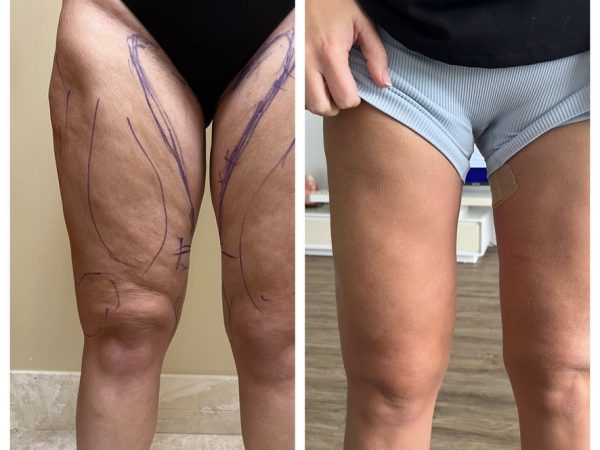
Lipedema often manifests in the legs, particularly the thighs and calves, forming a distinct contrast with a thinner torso. This gives you that pear-shaped look that pops out, even on a thin frame. Your lower body feels heavy or “full,” while your arms and torso are lean.
It’s this lumpy, bumpy fat that’s sometimes hard to conceal, which is why thin women become insecure. Baggy clothing can hide the silhouette, but the signature fat pattern typically still shines through. For most, no matter how much they diet or exercise, the disproportion remains.
Things that used to be easy, like walking long distances or standing for hours, become harder. The additional bulk in the lower region can hinder movement and turn daily activities into an ordeal.
Not only individuals with excessive weight gain can have a fat disorder such as lipedema. Fat type, not body size, characterizes the disease.
2. Painful Fat
Lipedema fat is not just spare tissue. It’s often painful, with patients reporting sensitivity, soreness, and aching even from light contact. Thin women with lipedema may find their legs bruise easily, occasionally for no apparent reason.
This ache can be chronic and difficult to push out of your mind. It may be sharp or aching and typically increases after standing or exercise. In time, it can wear on quality of life, leaving you weary and exasperated.
No matter how thin they are, most slim women don’t associate painful fat with a medical condition. They might self-criticize, believing it to be a result of weight gain when it is actually a hallmark of lipedema.
3. Diagnostic Maze
Obtaining the correct diagnosis of lipedema in slim women is tricky. The invisible fat gains are too convenient to ignore. Other doctors suspect different causes, such as lymphedema or even straightforward obesity.
Early diagnosis counts. Untreated lipedema can exacerbate and cause complications. Lymphedema specialists, experts in fat and fluid disorders, are critical to identifying lipedema through physical exams and imaging.
Doctors need more awareness that lipedema can occur in thin bodies. Smarter information means quicker solutions and smarter treatment.
4. Psychological Toll
The cognitive burden of lipedema slaps you upside the head. Thin women report feeling isolated and misunderstood, particularly when told by clinicians that their symptoms are not “serious” or do not fit the conventional disease stereotype. This can cause frustration and self-doubt.
Then there are our culture’s beauty ideals to put on top of it. We all want to believe that if we’re good at diet and exercise, we’ll look a certain way, but lipedema doesn’t care about those rules. This conflict can ruin self-image and confidence.
Mental health support matters. There are counseling and support groups available for those encountering these difficulties. Candid discussions of body positivity go a long way.
5. Common Misdiagnoses
Skinny women with lipedema are misdiagnosed. Physicians may term it uncomplicated obesity, edema, or lymphatic issues. These labels are off target, resulting in treatment failures.
Awareness of lipedema’s distinct symptoms—such as painful, heavy legs and easy bruising—is crucial. A good accurate diagnosis means better care and less confusion.
Doctors, nurses and other healthcare workers require additional education on the manifestations of lipedema in thin women. This reduces errors and connects patients with necessary resources.
Unseen Triggers
Lipedema can occur in lean individuals, and it typically masquerades as vague or easy-to-overlook symptoms. The disease isn’t just for the obese. Triggers are elusive and likely collaborate in unknown ways. A combination of genetic, hormonal, and physical factors appears to activate or exacerbate lipedema, even in lean women.
There are unseen triggers that we’re not aware of. Hormonal changes are a big one in the start of lipedema. Some women first notice it during puberty, pregnancy, or menopause. These are the times when hormones shift rapidly and lipedema tissue becomes active for the first time.
For instance, a slender teen may feel swelling or pain in her legs as she enters puberty, despite minimal weight gain. This trend indicates that hormones are a powerful trigger and it’s not merely associated with body size.
Genetics are a factor. Many women with lipedema have relatives who share their body type or had the same symptoms. This connection to your family history means genetics could prime the pump for lipedema to begin regardless of an individual’s weight.
Even if a person is thin, she could still have the same genetic risk as someone with a larger body. Physical events such as trauma or surgery that alter how lymph passes can reawaken dormant lipedema that’s been quiet for years.
A woman may have just completed knee surgery and begins to feel tightness in her legs, which she later discovers is lipedema. These shifts tend to be subtle and fly under the radar until symptoms escalate or begin to impact daily functioning.
Lifestyle habits can exacerbate lipedema symptoms. Excessive salt consumption, prolonged sitting or lack of activity can cause swelling and discomfort. Some women discover that while a massage feels wonderful, a gentle massage or a child or dog jumping on their lap causes pain or discomfort in affected areas.
These physical triggers may contribute to the issue, even if the individual is not obese. Identifying these hidden triggers is crucial to early assistance. Lipedema is picked up late, particularly for slim women, as it’s simple to blame the pain or swelling on other factors.
Early diagnosis allows individuals to schedule treatments such as liposuction earlier, which reduces symptoms and stress long-term. A basic action, such as maintaining a symptoms and what makes it worse diary, can assist in identifying patterns.
This helps both the individual and their physician identify what triggers flare-ups and strategize how to manage them.
Diagnostic Nuances
Diagnosing lipedema in thin women isn’t a picnic. It can be subtle and even your regular checkup might not expose it. Fat deposits can be subtle and thus overlooked, requiring more diligent and focused screening. A combination of clinical acumen, sophisticated imaging, and a comprehensive view of symptoms ensures that diagnosis occurs for cases that would otherwise be missed.
Clinical Examination
A clinical exam for lipedema goes beyond looking at weight or BMI. Physicians look for lumpy fat on the legs, hips, or arms that is disproportionate to the rest of the body. They might employ the pinch test that can demonstrate pain and tenderness on impacted areas, a typical indicator of lipedema.
Among slim women, this irregular fat is typically less apparent, so physicians have to be more alert to minor asymmetries and patient-indicated discomfort or inflammation. History counts, as well. When did the symptoms begin? How have they evolved?
While not universal among those with lipedema, many remember a gradual shifting of shape, spontaneous bruising, or swelling that lingers. This context enables physicians to differentiate lipedema from mere weight gain or other causes. An up close exam results in a plan that fits the patient.
If lipedema is detected early, immediate action can be taken to decelerate transformations or mitigate symptoms. Slim women with pain or swelling should find care with doctors who know lipedema well since missed cases can cascade into worse issues down the line.
Imaging Adjustments
Imaging provides a more defined picture. Ultrasound distinguishes lipedema fat from healthy fat, since the tissue composition differs. A few clinics take 3D scans, like MyLIPOAvatar, to plot the way fat diffuses in 3D, revealing what a standard scan or visual inspection can’t.
Advanced imaging is important since lipedema fat is not like normal fat. It has a tendency to be tougher and more sinewy. This assists physicians in identifying symptoms that are inconsistent with obesity.
Lipedema may mimic lymphedema or other disorders, yet diagnostic imaging examinations can emphasize the primary distinctions, including fluid accumulation or dermal alterations. Standard BMI checks are deceptive because many thin women with lipedema have a normal BMI and yet experience pain and swelling.
With the appropriate imaging, more can get the right answer regardless of their size.
Ruling Out Others
Physicians have to eliminate other causes of swelling and pain. Lymphedema, blood vessel issues or fat disorders such as Dercum’s disease can mimic lipedema. All of these have their own treatments, so nailing the diagnosis is paramount.
A collaborative team effort is best. Physicians might enlist the help of vascular specialists, radiologists, and therapists to diagnose it. This provides coverage and avoids overlooking uncommon or occult problems.
Patients who don’t feel their symptoms are being taken seriously should insist on more testing. Lipedema can be overlooked in lean ladies and misdiagnoses can result in zero alleviation. Early visits prevent the disease from advancing and creating new complications.
Management Strategies
Lipedema in thin women usually requires a delicate approach, as symptoms can be subtle and difficult to detect. Management strategies should address the physical and emotional aspects of the disease. Conservative and surgical strategies are necessary, and the right plan depends on the person’s symptoms, health goals, and lifestyle.
Personalized care is key, and regular conversations with a doctor help keep plans on track. Below are the main management strategies used to treat lipedema:
-
Conservative care involves compression, manual lymphatic drainage, movement, and lifestyle changes. Early treatment can help slow the disease and relieve pain or swelling.
-
Lifestyle modifications, namely good nutrition, exercise, and stress relief bolster general health. Tiny habits, like the ones that had me taking breaks to move, stay hydrated, and don soft shirts.
-
There are surgical options, most commonly lymph-sparing liposuction, that may be of benefit in select instances. Surgery is designed to reduce pain and swelling and to minimize the impact of lipedema on daily life.
-
Ongoing care means following up with a physician to adjust the treatment plan. Managing lipedema can be exhausting. Self-care, mindfulness, and support are just as important as medical measures.
Conservative Care
Conservative care is the initial phase in the treatment of most slender women with lipedema. Compression garments assist blood and fluid in moving more effectively, which can reduce inflammation and discomfort. Manual lymphatic drainage massage, guided by a trained therapist, can relieve symptoms by encouraging lymph fluid movement.
Both are safe for skinny lipedema patients as they don’t depend on body weight. Engage in low-impact exercises such as walking, swimming, yoga, or tai chi that maintain joint and muscle strength. These soft motions don’t strain your body but can aid in swelling management.
Stretching and moving during the day, even if only for a few minutes, will keep you limber. Diet, too, with fresh, whole foods and monitoring your salt intake, will help keep swelling under control. Mindfulness and meditation are good for handling the stress and unpleasantness of the condition. Hydration is an additional simple measure because it improves the function of the lymphatic system.
Below is a table with common conservative care options:
|
Conservative Care Option |
Purpose |
Considerations |
|---|---|---|
|
Compression Garments |
Reduce swelling |
Needs correct fit and daily use |
|
Lymphatic Drainage Massage |
Move lymph fluid |
Should be done by a trained expert |
|
Gentle Exercise (e.g., yoga) |
Maintain mobility, reduce pain |
Low impact, safe for most people |
|
Balanced Diet |
Support overall health |
Focus on whole, fresh foods |
|
Mindfulness & Meditation |
Manage stress |
Can be done at home |
|
Hydration |
Support lymph system |
Drink water throughout the day |
Experimenting with treatments is smart. Everyone’s symptoms are different, so it helps to experiment with what works. Some require more massage, others are soothed with yoga or tai chi. What counts is developing a blend of care habits that suit your everyday routine.
Surgical Options
A few patients require surgery if conservative care is insufficient. Lipedema reduction surgery, as with lymph-sparing liposuction, can reduce pain and swelling and enhance how one feels day-to-day. Surgery is not for all.
Doctors consider symptoms, stage, and response to other treatments before recommending surgery.
|
Surgical Option |
Purpose |
Considerations |
|---|---|---|
|
Lymph-Sparing Liposuction |
Remove excess fat, relieve pain |
Needs specialized surgeon, recovery |
|
Water-Assisted Liposuction |
Gentle fat removal |
Used for select cases |
Results after surgery are contingent on the surgeon’s ability and patient’s health. The effects can be permanent, particularly when combined with post-surgical wellness habits. For most, pain, swelling, and motion get better after surgery.
Surgery is risky, and you must speak with a surgeon familiar with lipedema. Considering the tradeoffs can clarify your expectations and steer you toward the right decision.
The Inflammation Link
Inflammation is at the center of lipedema, regardless of an individual’s body size. The body’s response to this condition is frequently pain, swelling, and indurated skin, even in thin patients. This persistent swelling is not like what you observe in regular weight gain or water retention. Instead, it relates to how the body’s immune system continues to send signals to specific regions, primarily the legs or arms, to respond as if there is a wound that needs healing.
This leaves the tissues in a persistent state of low-grade irritation that doesn’t self-resolve. Chronic inflammation can contribute to more than just puffiness. Most lipedemics, thin or not, discuss pain that refuses to subside. They may experience sensations such as ‘tightness’, ‘coldness’, or unrelenting pressure in some area of their body.
These symptoms emerge because the body’s tissues are continuously strained by the inflammation. Others see that even a minor bump can produce a large bruise, an indication of weak blood vessels and increased inflammation beneath the skin. If the swelling progresses, it can even fascialize the tissue, causing it to both resist movement and become painful to palpate.
If not treated, lipedema can progress in stages. At first, the inflammation may be intermittent. In the years that follow, this swelling may become unconditional, and the skin may get coarser and thicker. In later stages, the lymph system — the body’s fluid-moving system — can become sluggish, resulting in lipo-lymphoedema, characterized by increased swelling and pain.
When it gets to this stage, it’s much harder to treat, so catching it early is key. Taking on swelling directly can really help. Simple things such as compression therapy, where special sleeves or stockings are worn, can move fluid out of swollen areas. Lymphatic drainage, a type of light massage, is another method that moves trapped fluid and reduces tension and swelling.
Others discover that doing this regularly, even daily or weekly, can alleviate their symptoms significantly. Other methods are to keep moving, consume foods that won’t ignite inflammation, and steer clear of injuries or operations that could impede fluid circulation.
For lipedema treatment, current research continues to address its swelling link. I hope this work helps the lives of people with lipedema, regardless of their size or location.
Beyond The Scale
Lipedema is not a disease of only the overweight. It doesn’t discriminate either – it presents itself in even the thinnest of people. Weight is not the full story. Most women suffering from lipedema see their legs swell, bruise, or ache while their torso remains slender. These markers are overlooked when health visits concentrate solely on weight. Even a low-BMI person can have lipedema. It highlights the importance of looking beyond the scale for true health.
Lipedema fat is not ordinary fat. The fat beneath the skin in lipedema feels strange and usually has pain on pressure. It can appear and behave differently from fat that accumulates due to diet or inactivity. Ultrasound scans occasionally assist in detecting the distinction. These tests can demonstrate how the fat of lipedema has a unique composition. This assists physicians in making the correct diagnosis, particularly in thin women, where the symptoms may be subtle and easy to overlook.
Family history is often a factor. A lot of lipedema patients recall having older relatives, mothers, aunts, or grandmothers with the same body type or leg issues. We know there is a genetic connection, but studies are emerging. In other words, anyone regardless of their size with a family history of these markers should be mindful of the threat.
A holistic take on health is what matters. Lipedema isn’t just a cosmetic change. It causes stiffness, pain, swelling and other symptoms that can damage your daily life and well-being. In time, lipedema can deteriorate without early intervention. This can cause lipo-lymphoedema, where the swelling gets even worse.
Catching it early really matters. Early treatment can relieve pain and slow the progression of the disease. This applies to all of us, not only the overweight.
Health is about more than what’s on the scale. For lipedema patients, it’s about living well and symptom management. Social life, mental health, and daily comfort all matter as much as weight. Real health is seeing the whole person.
Conclusion
Lipedema in thin women can skinny people have it. Skinny people can have it. Most signs are overlooked. Pain, swelling, and changes in skin feel real for lots of people, regardless of their size. They still miss lipedema in thin people, doctors. Basic things such as early talk with a doctor or tracking changes assist. Good information and sensible care go a long way. Tools such as easy motion, healthy nourishment, and encouragement count. No one should be isolated in this. It doesn’t matter if you’re fat or thin; people from all walks of life can get lipedema. Continue to ask questions and get help if it doesn’t feel right. For additional information or support, contact a reliable medical resource or local support group.
Frequently Asked Questions
Can thin or skinny people have lipedema?
Yes, lipedema in thin women can skinny people have it. Being thin doesn’t protect you.
What are the signs of lipedema in thin women?
Typical symptoms are disproportionate fat in the legs or arms, easy bruising, and pain, despite the rest of the body being slender.
How is lipedema diagnosed in slim individuals?
Diagnosis is based on physical exam, medical history, and occasionally imaging. Such thin women can skin doctors check for patterns of lipedema in thin women and symptoms, not just weight.
Is lipedema caused by being overweight?
No, lipedema is not a result of obesity. It is a chronic disease with ties to genetics and hormones.
What treatment options are available for thin women with lipedema?
Treatment can involve compression therapy, low-impact exercise, a nutritious diet and at times specialized surgery. Early treatment can help minimize symptoms.
Does inflammation play a role in lipedema for skinny people?
Yes, inflammation is often involved in lipedema, even if you’re thin. It may cause pain and swelling.
Why is lipedema often missed in thin people?
Lipedema in thin women | Can skinny people have it, as doctors tend to dismiss it as obesity, lipedema in thin women. Awareness and appropriate evaluation is critical for diagnosis.