
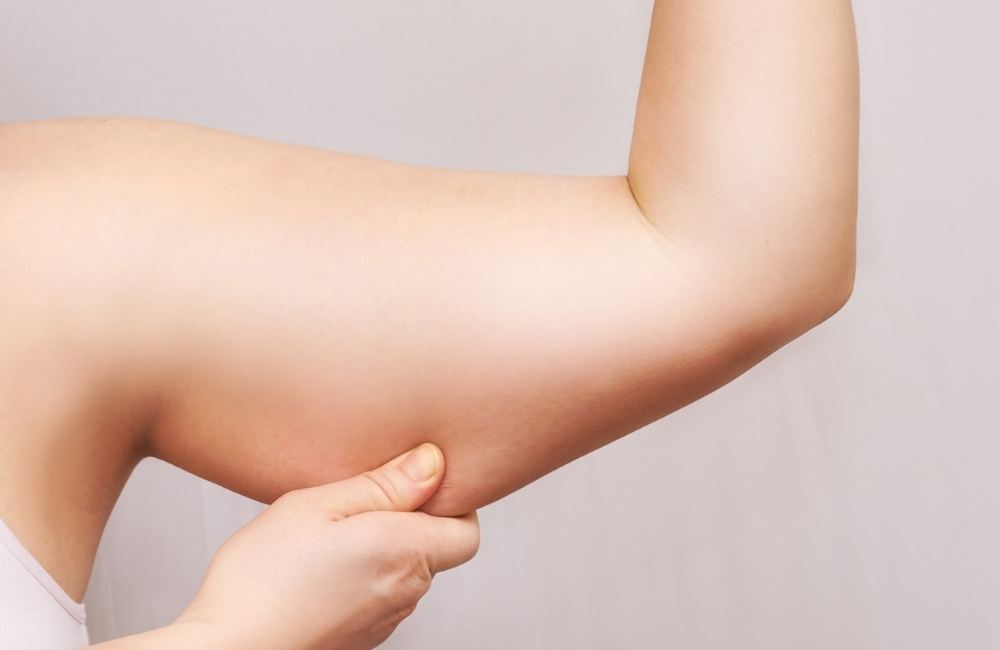
Key Takeaways Arm lipedema is a progressive disease characterized by the abnormal accumulation of fat and fluid, swelling, and pain. This condition can impact daily functioning and quality of life. Early diagnosis by symptom recognition, imaging, and specialist consultation is crucial to differentiate lipedema from related disorders and inform treatment. Treatment begins with conservative options […]
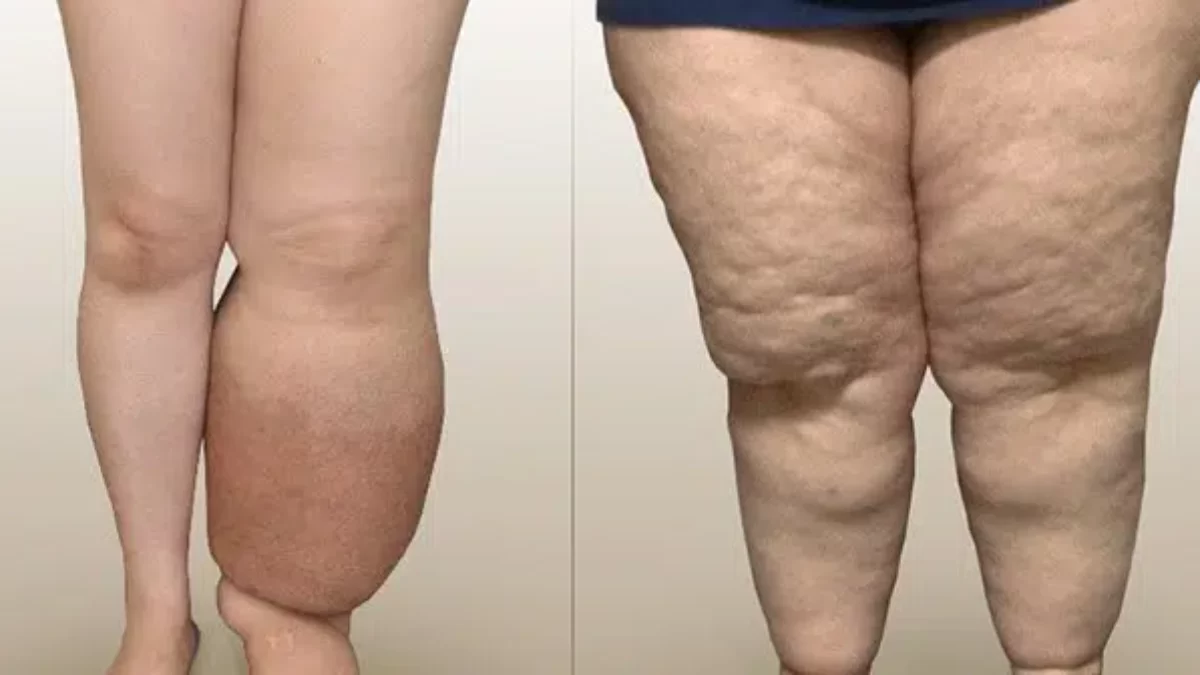
Lipedema, Knee Pain, and Effective Relief Strategies
Key Takeaways Lipedema is a long-term disorder characterized by abnormal fat accumulation, primarily in the legs and thighs, that often results in severe knee pain from excess weight and tissue compression. Lipedema knee pain is due to mechanical stress, inflammation, altered gait, and increased tissue pressure around the joints. Proper diagnosis matters because knee pain […]

RAD Diet for Lipedema: Foods to Embrace for Better Management
Key Takeaways The rad diet for lipedema focuses on consuming whole, unprocessed foods while avoiding added sugars, refined grains, and unhealthy fats. Focusing on lean proteins, healthy fats, low-glycemic carbs, and an abundance of vegetables promotes balanced nutrition and can potentially lessen inflammation. By steering clear of processed foods and added sugars, you can help […]

Lipedema and self-esteem: navigating challenges, finding support
Key Takeaways Lipedema can significantly impact self-esteem and body image, making emotional support and resilience crucial for well-being. Correct diagnosis is important not only to provide proper medical attention but to affirm one’s experiences and alleviate the psychological pain of being misdiagnosed. Building a strong support network, including healthcare professionals, mental health specialists, and peers, […]

Bariatric Surgery and Lipedema: Exploring the Connection
Key Takeaways Lipedema is a long-term condition characterized by an unusual accumulation of fat in the legs and arms and can only be properly diagnosed by a medical professional for an appropriate therapeutic approach. Bariatric surgery can facilitate significant weight loss that might alleviate some lipedema symptoms. It is not a cure and outcomes can […]

Lipedema and Inflammation: Understanding Blood Test Markers and Their Implications
Key Takeaways Blood tests for inflammation markers are useful to diagnose lipedema and differentiate it from other conditions. They are also used to monitor the progression of the disease. In lipedema, elevated inflammatory markers, altered adipokines, and serum lipid profiles often correlate with symptom severity. Hormonal and vascular changes together with lymphatic dysfunction play a […]
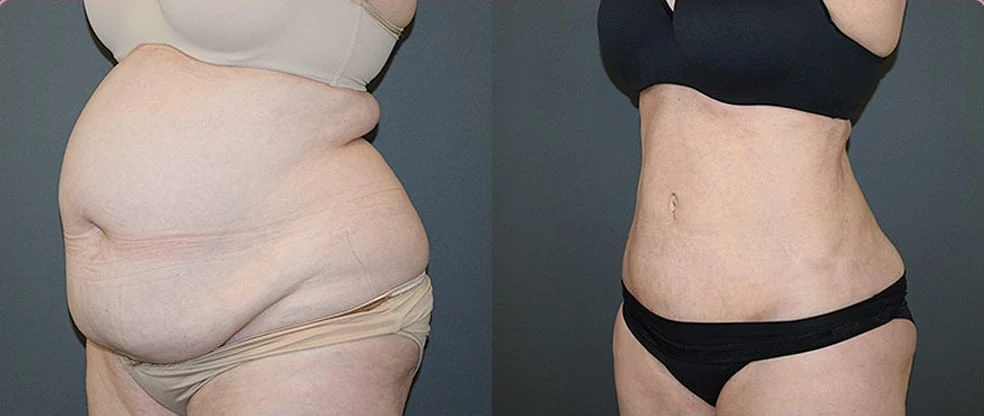
Recognizing Pediatric Lipedema: Signs and Symptoms in Teenage Girls
Key Takeaways Lipedema in teenage girls can show as symmetrical swelling of the legs, pain, and skin changes like dimpled or soft skin. It generally demonstrates a unique cuffing effect at the ankles and makes the lower body look out of proportion to the upper body. Noticing symptoms early, such as pain that intensifies during […]

Lipedema and Menopause: How Hormonal Changes After Menopause Affect Symptoms, Management & Quality of Life
Key Takeaways Menopause typically exacerbates lipedema by reducing systemic estradiol and shifting estrogen receptor balance, resulting in increased lipogenesis, inflammation, and advancing symptoms. Keep an eye on your hormones and talk about alternatives with your physician. Postmenopausal women typically see more pain, swelling, fibrosis, and stubborn fat deposits. Make symptom tracking and early referral to […]

RAD Diet for Lipedema: What to Eat and How It Helps
Key Takeaways A Rare Adipose Disease protocol centered around diminishing inflammation, edema and lipedema fat to help support lipedema management and wellness. Focus on unrefined foods, lean proteins, omega-3 fats, and low-glycemic vegetables to control inflammation and insulin reactions. Cut back on refined carbs, sugary foods, trans fats, overly salty processed foods, and excessive red […]

How Lipedema Leads to Walking Difficulty and How to Improve Mobility
Key Takeaways Lipedema’s extra fat and persistent swelling both add to leg weight and leg pain and diminish walking capacity, which causes muscles to weaken. Start gentle, targeted strengthening and low-impact exercise to save muscle and balance. These include altered gait and increased joint strain, which increase the risk of falls and osteoarthritis. Have a […]