

Key Takeaways Early lipedema typically manifests as symmetrical fat on the legs or arms with spared feet and can be confused with common weight gain. Therefore, monitor fat distribution tendencies and observe if hands or feet are spared. Persistent pain, tenderness, easy bruising, and altered skin texture are common early signs that differ from typical […]

Can I Drink Alcohol After Liposuction and When Is It Safe to Resume?
Key Takeaways Alcohol interferes with basic healing mechanisms post-liposuction. Avoiding it entirely in the crucial recovery period minimizes chances of bleeding, infection, and sub-optimal wound healing. Drinking dilutes blood and decreases clotting, increasing bleeding and hematoma risk. Be on the lookout for excessive bleeding symptoms and reach out to your surgeon if they occur. Alcohol […]

Preparing for Lipedema Surgery: Pre-Op Health, Testing, and Home Recovery Plan
Key Takeaways Evaluate your health and obtain clearance to ensure you are a good candidate for lipectomy. Finish any necessary testing and provide your surgical team with an updated medication or supplement list. Prior to lipedema surgery, flush inflammation and optimize lymphatic flow with gentle drainage, compression, light exercise, and an anti-inflammatory diet filled with […]
What to Expect During Lipedema Surgery Recovery
Key Takeaways Recovery time depends on the extent of the procedure and your individual healing process. Expect multiple weeks to months until you notice improvements. Handle pain with prescribed medications, compression, cold packs, and light movement. Alert us if you experience severe or persistent pain, swelling, or unusual symptoms. Wear and care for compression garments, […]

Can Lipedema Come Back After Liposuction and How Can You Prevent It?
Key Takeaways Liposuction for lipedema permanently removes treated fat cells and can reduce pain, swelling, and improve mobility, but it’s not a guaranteed cure and some diseased tissue may remain or return. Whether lipedema can come back after liposuction is influenced by factors like disease stage, surgical technique, and patient health. Therefore, select a surgeon […]
Tumescent vs Water-Assisted Liposuction for Lipedema: Techniques, Risks, and Recovery
Key Takeaways Tumescent and water-assisted liposuction both remove lipedema fat and alleviate symptoms but take very different approaches. Decide what is best from a tissue type, recovery, and risk perspective. Water assisted liposuction uses a gentle water jet to separate fat and better preserve lymphatic vessels. It often results in less pain, swelling, and faster […]
Best Compression Garments After Lipedema Surgery
Key Takeaways The best compression garments post-lipedema surgery help minimize swelling, facilitate tissue repair, and reduce complication risk by providing consistent pressure to affected regions. Select garment style and compression level according to your treated region, surgeon’s advice, and recovery phase, preferring medical-grade compression immediately post-surgery while shifting to moderate compression in the later stages. […]

Why Multiple Liposuction Sessions Are Often Needed for Effective Lipedema Treatment
Key Takeaways Several sessions are usually required to address lipedema, as disease stage, location, and patient health and safe fat-volume limits dictate how much can be extracted at one time. Schedule staged procedures to minimize risk and preserve lymphatic tissue. More advanced stages and bigger treatment areas will generally require multiple sessions, whereas early-stage or […]
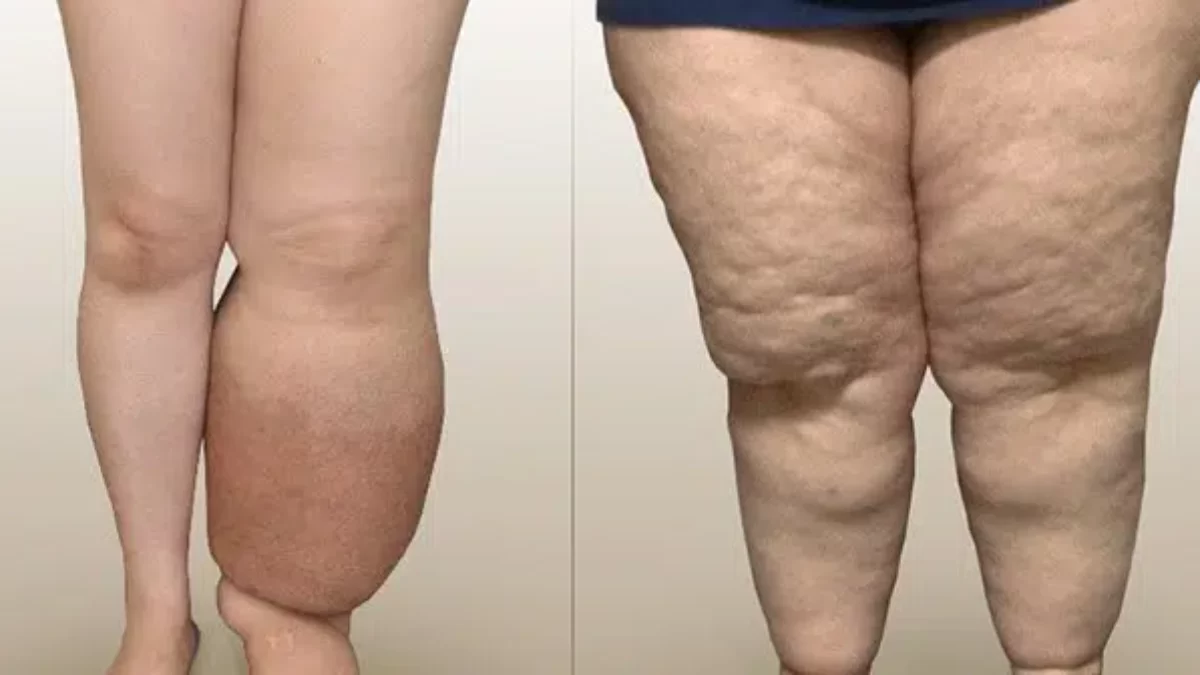
Lymphatic Drainage Massage for Lipedema Recovery: Benefits, Techniques & When to Seek Treatment
Key Takeaways While lymphatic drainage massage can be a helpful tool in lipedema recovery by reducing swelling, easing pain, and improving mobility, it’s most effective as part of a comprehensive plan that includes compression, movement, and diet. Start therapy early when you detect disproportionate limb swelling, tenderness, or skin changes to slow progression and optimize […]

Emotional Recovery After Lipedema Treatment: Challenges, Strategies, and Support
Key Takeaways Recovery from lipedema treatment is an emotional roller coaster of grief, impatience, and identity changes. Mark both physical and emotional milestones to know your own pace and avoid frustration. Body image can shift post surgery and may even temporarily deteriorate. Be mindful, photo journal your progress, and employ affirmations to help adjust. Use […]