Key Takeaways
-
Deep-water aqua jogging provides a low-impact workout that supports cardiovascular health, strengthens muscles, and reduces joint stress, making it an effective option for athletes managing lipoedema.
-
Taking advantage of the hydrostatic pressure and buoyancy of water increases circulation, controls fluid retention and supports longer, more comfortable workouts.
-
Routines with warm-up, main set, intervals and cool-down maximize workout impact and promote incremental fitness gains.
-
Selecting the appropriate gear — including flotation belts, resistance tools, and swimwear — enhances safety, comfort, and performance during each session.
-
By tackling physical, emotional, and access obstacles with individualized tactics and a supportive community, she nurtures sustained motivation and achievement.
-
Check water, effort, and pain cues to keep every aqua jog safe, fun and healthy!
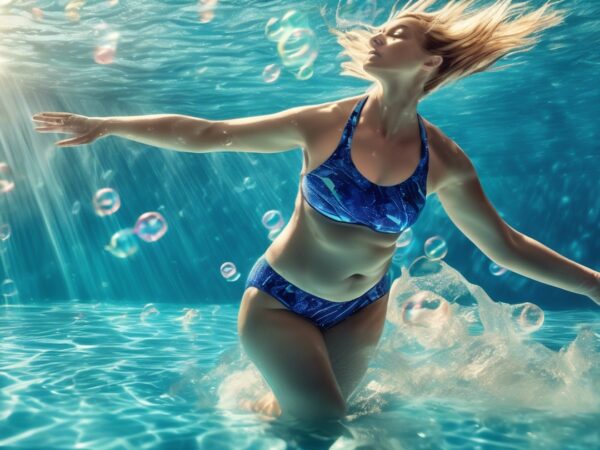
A deep-water aqua jogging routine for lipoedema athletes is a low-impact workout done in a pool where athletes jog without feet touching the bottom. It minimizes pressure on joints and can promote improved blood circulation in the legs, which is crucial for lipoedema patients. Most consider water’s lift makes movement less painful and swelling stays low. Aqua jogging can accommodate all levels of athletes — from novice exercisers to experienced champions. Sessions frequently utilize a float belt for equilibrium and allow participants to determine their own tempo. Designed to work the entire body, deep-water aqua jogging is an excellent cardio workout that is both challenging and low-impact. The following segments outline how to begin, attire, and safety considerations.
Aquatic Advantages
Deep-water aqua jogging presents an innovative, science-based solution for lipoedema athletes. The water’s unique qualities — buoyancy, hydrostatic pressure and viscosity — combine to provide a soothing but effective workout. Not only do these properties help support the body, but they increase muscle strength, endurance, and comfort. With deep-water fitness regimens, players can enhance conditioning, control symptoms and experience less risky movement — all while shielding joints and soft tissue.
Hydrostatic Pressure
Hydrostatic pressure is the pressure water exerts on the body in all directions. This light compression assists in pushing fluid back toward the heart, which reduces swelling and helps veins function more efficiently. For the lipoedema folk like me it translates to less pain and less potential for post workout fluid pooling in the legs.
This pressure also aids lymphatic drainage, which washes waste and fluid from tissues. By working out in deeper water, you can take advantage of this effect, which is a huge bonus for recovery. Patients with lipoedema typically feel more comfortable and less sore post-session, which helps to maintain an exercise regimen in the long-term.
Buoyancy Benefits
Water’s buoyancy removes weight from the joints and fat deposits, allowing for much easier movement. For lipoedema athletes, this equates to a reduced likelihood of pain and each step in the pool feels lighter than in air. A flotation belt can make deep-water jogging even more steady, so you can get in the zone without fear of sliding.
The buoyancy of water allows you to train harder for longer without becoming fatigued. Plus, by tilting your body or incorporating different aids, you can isolate specific muscle groups, making the session enjoyable and effective.
Viscosity Resistance
Navigating through water is distinctly unique compared to navigating on solid ground. Water is 12 times thicker than air, so each movement encounters firm resistance. This helps build muscle and tone, even with basic jogging steps or knee lifts. You can switch up speeds, incorporate arm swings, or experiment with different moves to intensify or simplify the workout.
Water resistance implies you expend more energy—up to 40% more calories compared to comparable land-based exercises. Because deep-water jogging keeps your body vertical, you receive four times the resistance that swimming does resulting in superior muscle and endurance gains.
Cardiovascular Benefits
|
Benefit |
Description |
|---|---|
|
Improved Endurance |
Longer sessions with less joint pain |
|
Better Fitness Levels |
Higher calorie burn and increased heart rate |
|
Recovery Support |
Maintains fitness during injury or rehab |
|
Efficient Circulation |
Helps blood flow and reduces swelling |
The Deep-Water Routine
A deep-water aqua jogging routine provides lipoedema athletes with a lower joint-stress training alternative. This exercise taps into water’s inherent resistance—up to 12 times that of air—to strengthen muscles, cardio and stamina. Each segment of the routine – warm-up to cool-down to cool-down – counts for safety and results.
1. Warm-Up
Begin with languid, sweeping motions in the pool for 5-10 minutes. Keep the objective to increase your heart rate in a consistent manner, allowing your body to prepare itself for more intense labor.
Add some dynamic stretches such as leg swings and light twists for the torso. These moves help loosen tight muscles and prep your legs and core for the main set. Concentrate on being upright, with a tall back and relaxed shoulders. Breathe deep and steady—this primes you to enter the exercise headspace.
2. Main Set
A nice main sets alternates easy jogging with intervals of more intense efforts. Experiment with three minutes of jogging in place, then incorporate high knee lifts or wide lateral steps for a more difficult mini-workout. This combo develops both strength and endurance, as the water’s high density forces every muscle to work harder than air.
Change up your routine. For instance, following a bout of standard jogging, transition to rapid side stepping or backward jogging for 60 seconds. The relentless resistance of water sustains the body and compels the heart and upper body to labor harder, particularly when swimming at low to moderate speeds. It’s natural to feel more winded than on dry land, so target a heart rate between 65% and 75% of your max.
Watch for how you’re working hard. If you experience sharp pain or can’t maintain good form, decelerate. Listen to your body, and adapt for your specific fitness and lipoedema requirements.
3. Interval Training
Sprinkle in intervals to punch up your workout and keep it interesting. Experiment with sprinting for 30 seconds and slow jogging or floating for a minute. This routine may significantly enhance your cardiac fitness and calorie burn. Water-based exercises can burn 40% more calories than land-running, with less joint impact.
As you get fitter, extend the fast stints or reduce the rest. You could begin with 6 to 8 rounds, then increase as you get better. Intervals can ignite fresh muscle growth and keep boredom at bay — ensuring you remain committed to your regimen week after week.
4. Cool-Down
End with 5 minutes of gentle movement.
Add in light stretches for your legs and arms.
Focus on deep breathing as your heart rate drops.
End with a minute of still floating or slow walking.
Essential Equipment
Deep-water aqua jogging requires the appropriate equipment for security, ease, and positive outcomes. Lipoedema athletes thrive on smart body-specific options that ease the load. A simple checklist keeps prep smooth: buoyancy belt, water shoes, supportive swimwear, resistance tools, gloves, and a towel.
Buoyancy Aids
Flotation belts provide consistent core support, allowing you to run in place without plunging to the pool bottom. This keeps your joints protected and allows you to concentrate on the motion, not keeping your head above water. Getting the right belt makes a difference—a snug, but not too tight, fit is ideal. Others experiment with foam noodles or hand buoys for additional support or to alter their motion. These supports assist with standing tall, allowing your leg muscles to do more work and making it easier to maintain good form. Steady buoyancy is essential for lipoedema warriors, who require less compression and more ease during long exercise sessions.
Resistance Tools
-
Aqua boxing gloves (such as web Lycra gloves) enhance muscle power while decreasing the chance of injury.
-
Resistance loops can wrap around your wrists or ankles to focus on arms or legs.
-
Hand buoys provide extra resistance in the water, turning arm moves into arm workouts.
-
It works the upper body and balance.
-
A frisbee is a soft option, releasing stress from the upper back.
-
Underwater treadmills and AquaBikes provide low-impact cardio and increased resistance.
-
Water cycling gear provides anti-swelling relief and joint support.
Cycle in resistance equipment to target different muscles and keep routines new. Review your form to maximize every motion and prevent bruising.
Proper Attire
Properly fitting trunks that would stretch, dry quickly and not chafe. Seek out designs that flow with your body but provide ample support for ease. Water shoes prevent slips and provide arch support—a necessity for pool tiles or coarse pool floors. Most athletes supplement with a buoyancy belt or vest for additional security and to assist in maintaining proper form. Gear should match water temperature: thermal suits for cold pools, light fabrics for warm water, so you stay comfy the whole time.

Water Therapy Equipment
An AquaBike – or pool bike – gives you the ability to go deeper, deriving more benefit from hydrostatic pressure. Water cycling gear is good for lipoedema athletes too, because it helps reduce swelling fast and is easy on joints. Underwater treadmills introduce a novel form of motion, combining walking or running with water’s gentle thrust. A lot of pools have these instruments, but do a check ahead.
Overcoming Barriers
Deep-water aqua jogging is powerful for those with lipoedema, except there are genuine hurdles. They can encounter physical strain, psychological pressure and difficulty securing optimal training venues or camps. Breaking down these barriers gets more people moving and achieving their fitness goals.
-
Modify workouts for pain or fatigue by familiarisation sessions or a slow start.
-
Use proper form: keep your body a bit forward and bend arms at 90°.
-
Cheer little successes, create actual objectives and exchange experiences in communities
-
Check out pools with deep-water classes, or experiment with at-home routines.
-
Chat with trainers or health pros for feedback and tweaks to your plan
-
Be kind to yourself and be vocal about failures and requirements.
-
Advocate for more specialized programming and increased pool access in your community
Physical Discomfort
Most lipoedema athletes experience pain or inflammation, particularly in the initial stages. Aqua jogging helps, since water reduces impact by more than 90%, providing nearly the same cardiovascular bang as running. Even so, swimming in deep water has its own aches if you push too hard or use bad form.
Coping means hearing your body. Try brief stints initially. Adopt the right technique—trunk slightly tilted forward, elbows bent, ease up if you experience any stabbing pain. Certain initiatives provide health surveys pre-launch to identify dangers, however not all. Discuss with a coach if possible. They can assist you in adjusting your maneuvers or changing up schedules, thus you create power without additional discomfort. Cross-train with aqua jogging, even when you’re not injured, to stay fit and reduce injury risk.
Emotional Hurdles
-
Establish mini-goals for every session—such as hanging 10 minutes longer or supporting good form.
-
Track your progress and treat yourself when you reach a milestone.
-
Sign up for lipoedema athlete online or local meet-up groups, where you can exchange tips and share your tough days.
-
Don’t be discouraged by setbacks — remember it takes weeks to get better. Whether in deep water or on dry land, workouts that break down barriers can lift mood and life quality. Familiarisation sessions, prior to full workouts, can reduce anxiety and keep you coming back.
Access Issues
Finding the perfect pool can be difficult. Not every region has deep-water classes or lipoedema-informed instructors. Others resort to home pools, resistance belts or even nearby health clubs.
Collaborate with healthcare professionals to promote lipoedema-friendly habits. Advocate for additional venue-specific sessions. If access continues to be limited, basic equipment—such as buoyancy belts—can enable safe at-home workouts, even in smaller pools.
Beyond The Jog
Aqua jogging does more than work your Physically. For lipoedema athletes, it delivers physical, mental and social benefits that transcend typical fitness-related targets. The water’s buoyancy aids in reducing pain and inflammation, and the group classes and mind-body practices provide a community spirit and tranquility.
Mind-Body Connection
Remaining alert while deep-water jogging allows you to identify subtle shifts in your body, such as muscle soreness or inflammation. That can translate into improved self-care and more acute attentiveness. Try using easy breathing drills, such as slow inhales for four counts and exhales for six, which can reduce stress and help you stay calm during tough sets.
Others use visualization to maintain their drive. Imagine conquering a hard interval or gliding across a finish line—this can inject mojo into monotonous routines and establish mental toughness. Every session is an opportunity to tune into your emotions, which can both strengthen your self-trust and make it easier to identify what serves you best.
Holistic Integration
Deep-water running sacrifices only 5% of the aerobic benefits of land running yet with a fraction of the impact to leg joints. It torches to 40% more calories due to water resistance, and standing vertical in water engages your muscles 4 times harder than swimming. Supplementing aqua jogs with yoga or stretching aids flexibility, while light strength moves either in the pool or on dry land develop muscular balance.
Most discover that combining aqua jogging with nutrition, massage and stress care provides a whole-body advantage. For instance, balanced meals and massages can reduce inflammation and soreness. Taking the time to stress relieve, even just breathe or meditate, rewards you with more energy and deeper sleep. A good plan might incorporate 1-2 days a week of land-based strength/balance workouts as well.
Community Support
Joining a local or online lipoedema group lets you swap tips about gear, routines, or bumps in the road. Community classes or charity swims bring a social spark, leaving workouts less lonely and more fun. Most athletes have tales of hitting milestones, whether that’s jogging a kilometer or attempting HIIT.
Others trade tips for staying on track, like setting calendar reminders or locating an “aqua buddy.” Even a brief conversation with a coach or fellow student can boost your spirits and nudge you to follow through.
Safety Protocols
Safety protocols for deep-water aqua jogging require heightened focus on water surroundings, bodily signals and conscious exercise pacing. Lipoedema athletes can follow these protocols to decrease the risk of injury and make the most out of every session.
Water Conditions
Evaluate water prior to each workout. A proper setting promotes ease and security, particularly for lipoedema sufferers. Make sure the water is fresh and clear, with no debris or harsh chemical odors. Water depth should be just under your height—at least 5″ less—for best support. This assists with buoyancy, keeps your head above water, and saves your joints from unnecessary stress.
|
Condition |
Ideal Range/Criteria |
Why It Matters |
|---|---|---|
|
Temperature |
27–29°C |
Prevents chills or overheating |
|
Depth |
5 cm less than your height |
Ensures buoyancy, reduces injury risk |
|
Cleanliness |
Clear, odorless, debris-free |
Reduces infection, skin issues |
|
Chlorine/pH |
Within pool safety standards |
Protects skin, eyes, and airways |
Modify your effort according to the water. Cooler water will cause the muscles to tighten and warmer water will fatigue you quicker. If you’re using a bungee cord or resistance band, secure it to a stationary, durable location — no slips! Inform pool employees if you observe issues, such as hazy water or unusual odors. This way you’re keeping you and others safe.
Exertion Levels
Control your exertion during each exercise. Aqua jogging doesn’t feel like land running. The water provides increased resistance for your upper body, causing your heart to work harder, even at slow to moderate speeds.
The “talk test” is a really easy intensity litmus—if you can still talk in full sentences, you’re good to go. If you’re gasping for air, decelerate. Over time, as your fitness develops, you can gradually increase the pace. Don’t be in a hurry to go faster, it’s safer and better for your joints.
Tune in to your body. Slow down or quit if you feel faint, have chest tightness, or become fatigued.
Pain Signals
Distinguish between regular muscle work and acute pain. Muscle soreness is anticipated, but sharp, stabbing, or sudden pain indicates you need to cease immediately. Lipoedema athletes typically have to listen in to regions most impacted by swelling or sensitivity.
Change your routine if you experience pain. Take additional rest days or exchange in lighter movements if soreness persists. Work with a doctor or therapist to plan if you have persistent issues, injuries, or other health concerns. Warm up and cool down with easy jogging to avoid muscle pull.
Conclusion
Deep-water aqua jogging provides lipoedema athletes a safe method to exercise, strengthen, and relieve pain. The water removes the stress from joints and assist muscles to operate with less hazard. Every session introduces new opportunity to expand and experience grounded. Basic equipment such as a float belt keeps the body afloat. Little steps accumulate, and the in-betweens come in the way the body feels so good after a swim. Communities and coaches keep your goals top of mind. For true transformation, hold fast to the schedule and monitor results. Give a pool routine a whirl. Celebrate the victories, regardless of their size, and establish the pattern. Every plunge could mean more ease and more endurance.
Frequently Asked Questions
What are the main benefits of deep-water aqua jogging for lipoedema athletes?
Deep‑water aqua jogging alleviates joint pressure, facilitates lymphatic circulation and enhances mobility. The water’s resistance tones muscles and can relieve pain — perfect for lipoedema athletes.
What equipment do I need for deep-water aqua jogging?
A flotation belt is critical to keep form and buoyancy. Water shoes and resistance gloves are helpful, but optional. Select gear that suits your body and exercise.
How often should lipoedema athletes practice deep-water aqua jogging?
Ideally, shoot for 2-3 sessions per week. If you’re sore, don’t do it as often — if you aren’t sore, try doing it more. Regularity breeds results.
Can deep-water aqua jogging help with lipoedema symptoms?
Yes, it can minimize swelling, increase circulation and help with pain management. The low impact environment is kind to tender spots and aids in increased overall well-being.
What safety precautions should be taken during deep-water aqua jogging?
Never train in unsupervised pools or alone. Employ flotation and hydration. Tell employees or buddies about your schedule, and halt if you experience aching.
Are there any barriers to starting deep-water aqua jogging for beginners?
Typical obstacles are deep pool access, equipment options or water comfort. Begin at a gentle pace, get advice and join community sessions.
Can deep-water aqua jogging be combined with other exercises?
Yes, pair it with some mild stretching, weights or water physiotherapy. This balanced approach can boost overall fitness and control lipoedema symptoms effectively.