
Key Takeaways
-
Fibrosis is a natural response to tissue injury after lipedema liposuction, frequently leading to hard tissue and an irregular skin surface.
-
It’s critical to identify fibrosis early, including abnormal lumps and sustained swelling for timely intervention and improved results.
-
Individual risk factors including genetics, underlying health conditions, and surgical technique are a major consideration in fibrosis.
-
Appropriate postoperative care, including lymphatic drainage and following recovery guidelines, can help minimize the chance and extent of fibrosis.
-
Professional interventions, including manual therapies and device-assisted treatments, provide powerful tools for managing and treating existing fibrosis.
-
Open communication with your healthcare providers and a healthy lifestyle can help support your recovery and long-term management of fibrosis symptoms.
Fibrosis after lipedema liposuction refers to when thick, hard tissue develops under the skin as you heal. Others get hard lumps, edema, or taut skin in areas where fat was suctioned out. This is when your body forms scar tissue post-surgery.
Early signs often manifest within weeks, but the issue can persist for months. Understanding what causes fibrosis and how to best treat it aids in recovery. The sections below detail symptoms, causes, and care options.
Understanding Fibrosis
Fibrosis is the accumulation of additional fibrous connective tissue, often as a response to trauma or surgery. Our bodies can sometimes respond to the trauma of liposuction by depositing this tissue, which results in areas that feel hard or tight. Collagen is a major culprit.
Though collagen is necessary for repair, an excess or too much of the wrong type can make tissue rigid and less supple. Functional collagen repairs and supports tissues, but dysfunctional collagen accumulates in clumps, resulting in fibrosis. This isn’t exclusive to liposuction; fibrosis can occur following other surgical and non-surgical treatments, like RF microneedling or cellulite surgery.
Understanding how and why fibrosis develops enables patients and providers to better control and treat it following liposuction.
1. The Healing Process
Here’s why fibrosis happens. Inflammation comes first, followed by tissue repair and ultimately, remodeling. Immediately following surgery, swelling and bruising are expected as the body heals by removing injured cells. This initial phase recruits infection-fighting immune cells and initiates the cascade that can produce scar tissue.
Well-functioning lymphatic drainage is key during such moments. It aids in draining fluids and debris, reducing inflammation and decreasing the risk of fibrosis. When the lymph system is slow or compromised, extra fluid hangs around, providing an easy target for fibrous tissue to develop.
Factors such as bad circulation, smoking, or chronic disease work against healing and exacerbate fibrosis.
2. Cellular Mechanisms
Fibroblasts are the primary cells responsible for fibrosis. They get activated by tissue damage and begin producing collagen. Other cells, such as macrophages, release cytokines that amplify this reaction.
When inflammation drags on, these signals continue instructing the body to deposit more and more collagen even long after the affected area has mostly healed. Growth factors guide this process as well. They determine collagen production and organization.
When out of balance, these growth factors can push fibroblasts to produce dense, interwoven scar tissue that does not behave like normal skin or fat. This can cause enduring lumps or bands beneath the skin, which can last for years if unaddressed.
3. Lipedema’s Role
Lipedema patients have fat that’s distributed in a very unique pattern, and this often makes healing more difficult post-operatively. Their tissue is primed to bloat and retain fluid, which can activate fibrosis more quickly.
Lipedema implies the body’s lymph system functions less efficiently, so swelling persists. This group generally requires treatment regimens aimed at reducing inflammation and assisting lymphatic function.
Typical treatments won’t cut it, which is why additional sessions with massage or ultrasound may be required. Without a tailored strategy, the likelihood of chronic fibrosis increases and healing can drag on and feel agonizingly slow.
4. Surgical Impact
The method of performing liposuction is important. Soft skills and soft tissue blunt trauma techniques reduce fibrosis risk. Using blunt cannulas and resisting over-aggressive suction helps keep tissues from being torn or bruised too much.
When fat isn’t suctioned uniformly, certain areas recover in a different way, resulting in pockets of hard tissue or uneven skin. The decision between local or general anesthesia can alter the rate of tissue recovery, as both swelling and healing are influenced by blood flow and movement during and after surgery.
5. Physical Manifestations
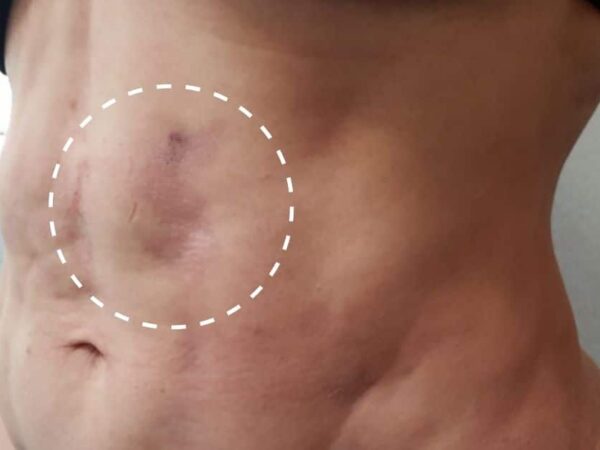
Hard lumps or ridges underneath the skin are a common manifestation of fibrosis. These areas can be tense or painful, and the skin may appear dimpled or puckered. Unlike normal edema, fibrosis is hard and not very mobile to palpation.
Pain or discomfort can persist, particularly when pressed or massaged. Some develop sensitivity for years, complicating daily life or additional treatments. You need to distinguish normal post-surgery swelling, which tends to subside, from fibrosis, which either persists or even worsens.
Identification and Diagnosis
Early detection of fibrosis following lipedema liposuction is critical to avoid permanent damage. Fibrosis, the accumulation of hard, scar-like tissue, can impede healing and impact quality of life if not addressed early. Lipedema itself is a chronic, frequently misdiagnosed disorder that primarily impacts females and results in painful fat deposits on the legs, hips, and occasionally arms.
Fibrosis may occur post liposuction, liposculpture, or other fat removal surgeries, so it’s crucial to identify initial symptoms and get an early intervention. Accurate diagnosis relies on solid symptom monitoring, clinical exams, and appropriate imaging technologies.
Early Indicators
-
Hard or firm lumps under the skin
-
Uneven skin texture or tightness
-
Persistent swelling not improving with time
-
Pain or tenderness in the treated area
-
Skin color changes or thickening
-
Limited movement or stiffness near the surgery site
Patients must observe their recuperation for these alterations. Not all swelling or hardness is abnormal. Some is expected as part of the healing process. If it does not go away or worsens, it may indicate fibrosis.
Discussing new or changing symptoms with a healthcare provider can make all the difference. Early reporting helps doctors intervene early and that frequently improves outcomes. Being vigilant for minor shifts can prevent fibrosis from progressing.
Clinical Assessment
There are a number of ways doctors identify fibrosis post lipedema surgery. Physical exams allow them to palpate for hard tissue, test for pain, and determine how much movement is lost. They might look for skin discolorations, swelling, and palpate to see if the tissue feels different from normal healing.
Imaging is a big part. Ultrasound scans, including special Cellulite Ultrasonography, can reveal deeper tissue transformations, scar accumulation and assist in differentiating between healthy swelling and fibrotic tissue. This scan examines skin laxity and other post-liposuction concerns.
Armed with those images, physicians can visualize the extent of tissue involvement and map out next steps. MLD is used at times to relieve swelling and encourage the lymph system to function more efficiently, which can decrease the risk of fibrosis.
Swelling control is important because the earlier it is treated, the better the response to fibrosis treatment. If lipedema goes untreated, it can transform into lipo-lymphedema, a more serious issue in which swelling from lymph stagnation intensifies.

A complete work-up, including patient history, physical examinations and imaging, leads physicians to recommend the ideal treatment plan. This can span from massage therapy and compression to more specialized care.
Early and accurate identification, coupled with consistent follow-up research, fosters durable enhancements in discomfort, inflammation, and mobility.
Contributing Factors
Post-lipedema liposuction fibrosis is influenced by several factors. These may be patient-specific, surgical approach-specific, or related to post-operative care. It’s not a single factor that leads to fibrosis, but a combination of many, frequently acting in concert.
Below is a table to show the main contributing factors:
|
Factor Type |
Example Elements |
Impact on Fibrosis Development |
|---|---|---|
|
Patient Profile |
Genetics, health history, body composition |
Alters healing response, risk level |
|
Surgical Variables |
Technique, surgeon experience, operation duration |
Influences tissue trauma, healing outcomes |
|
Postoperative Care |
Compression, massage, follow-up, patient compliance |
Affects inflammation, swelling and fibrosis |
Patient Profile
Every one of our bodies is unique and so is our healing. Anyone with lipedema can have more swelling and water retention post-liposuction, which in turn can make fibrosis more likely. Chronic inflammation is common with this and it can impede the body’s usual repair.
Age is another culprit. Older patients could recover more slowly. If a person is generally not in good health or has co-existing illnesses, their body may have difficulty controlling inflammation or swelling post-surgery.
Genetics lurk in the background with a stout contribution, influencing how the body responds to injuries and forms scar tissue. Daily habits do matter. Lifestyle habits, such as how one eats, moves and cares for their body can modify risk.
Those who eat well and stay active tend to heal more quickly. If you’re sedentary or poorly nourished, your fibrosis risk could increase. A well-crafted care plan should fit the individual. An approach that considers health history, lifestyle, and the condition of the body can reduce risk.
Surgical Variables
It’s really about the surgery. If the surgeon handled tissue with a light hand and not with excessive force, there is less tissue damage, which could translate into less fibrosis. Some techniques, such as tumescent liposuction, have less trauma.
How extensive the surgery is factors in. Deep or longer procedures may cause more swelling and pain, increasing the risk of scarring or hard tissue. The particular surgeon’s skill and experience is factor number one.
An experienced surgeon can detect issues early and modify technique to reduce hazard. Detailed pre-op planning assists in identifying potential hazards and strategizing to avoid them.
Postoperative Care
-
Early use of compression garments aids in the reduction of swelling and supports tissue during healing.
-
Lymphatic drainage massage, begun shortly after surgery, can reduce water retention and accelerate recovery.
-
A gradually firmer massage from the second or third week aids in softening early fibrosis.
-
Ultrasound massage, whether LED or not, helps break up hard tissue.
-
Controlling pain, swelling and oedema early has better results.
Lymphatic drainage is popular for decreasing swelling and minimizing the risk of fibrosis. Compression post-massage maintains those gains. Follow all care teams’ directions.
Skipping steps or missing follow-ups can delay your healing and exacerbate fibrosis. Routine visits to the doctors can detect hard tissue at an early stage, which means treatment can begin before it worsens.
Professional Interventions
Pro interventions are crucial for fibrosis after lipedema liposuction. Dealing with fibrosis is a marathon, not a sprint. It takes weeks to years. They create personalized treatment plans, which could incorporate any combination of manual, instrument-assisted, and medical approaches.
The key is to catch it early, have weekly sessions, and receive guidance from certified health professionals. Outcomes differ, but research indicates consistent improvements in mobility, decreased pain, and improved quality of life.
Manual Therapies
Professional interventions MLD is a gentle massage that helps move lymph fluid, reduce swelling, and is known to debulk capillary fragility in lipedema. It can help to make tissues supple and flexible, which can alleviate pain and stiffness.
These weekly sessions, typically five to twenty in a course, help break up hard areas. Some experience transformations within a few weeks, while others require a longer duration.
Soft tissue mobilization, such as myofascial release or Tui Na massage, is aimed at the thickened tissue and nodules. These direct manual strategies can help physically disrupt fibrotic tissue, accelerate healing, and promote lymphatic circulation.
Confronting puffiness first renders these methods more successful. These techniques should only be executed by credentialed therapists, as the right touch is key to safety and optimal outcome.
Therapeutic massage provides relief through its ability to increase blood flow, decrease tightness, and ease movement. Long-term research connects consistent manual therapy with sustained reductions in discomfort and inflammation, along with improved mobility and life satisfaction.
Device-Assisted Treatments
Ultrasound therapy uses sound waves to reach fibrotic tissue deep under the skin. This method helps to break up any hardened areas, reduce swelling and encourage better movement of the lymph.
Other device-based treatments, including pneumatic compression pumps and radiofrequency devices, have been demonstrated to enhance lymphatic flow and soften fibrosis.
Compression therapy is still a staple in mitigating post-liposuction swelling and fibrosis. Compression stockings or pneumatic devices prevent fluid from accumulating, which is important prior to beginning other therapies.
Cutting-edge drugs provide fresh alternatives, but outcomes require regular dosing combined with other treatments.
Medical Options
They can employ medicines to soothe inflammation and fibrosis. Steroids, for instance, can reduce inflammation and promote tissue recovery. Pain relievers help you commit to physical therapies and feel better on a daily basis.
Others require regular doctor visits to adjust their regimen. Titrating medications and intervening early with new treatments as symptoms shift keeps gains intact.
Every course of treatment is different and is influenced by an individual’s reaction and requirements.
Proactive Prevention
Fibrosis prevention after lipedema liposuction requires proactive measures pre and post surgery. Fibrosis, or the accumulation of excess connective tissue, can lead to tightness, discomfort, and uneven skin texture. Clear, early action is the secret to a smooth rebound.
Below are proactive steps to lower risk:
-
Be frank with your surgeon about your history and concerns.
-
Drink enough fluids each day to help healing.
-
Smoking and sun exposure should be avoided for a minimum of six weeks.
-
Begin MLD within a week post-surgery.
-
Employ light to stronger massage starting in week two.
-
Wear progressive compression garments for 2–6 weeks.
-
Check in with your healthcare team every 2–4 weeks.
-
Take supplements such as vitamin C, zinc, and omega-3s after a doctor’s consultation.
-
Allow skin to recover 1–7 days between sessions.
-
Combine short daily drainage with deeper fibrosis massage as needed.
Pre-Surgery
Open conversations with your surgeon assist in identifying complications early. Review your medical history, allergies, and prior healing problems. This assists your care team in formulating a plan tailored to you.
Some real expectations go a long way. Recovery is incremental. A little swelling and bruising is expected and will subside over weeks. Being aware of this can relieve nerves and help you maintain your care plan.
Preparing your body counts as well. Maintaining a balanced diet with sufficient protein, vitamins, and minerals can support tissue repair. Prevention is the best medicine. Pace yourself. Don’t smoke or drink because both slow healing.
Mental prep goes a long way. Knowing what to expect, arranging time off work and support at home can keep you calm and centered. Stress can impede healing, so use whatever coping mechanisms you have.
Post-Surgery
Checklist for Recovery:
-
Follow wound care steps as advised.
-
Wear compression as directed (2–6 weeks).
-
Start MLD in the first week.
-
Limit sun and avoid smoking.
-
Drink plenty of fluids.
-
Use gentle massage from week two.
-
Visit your doctor every 2 to 4 weeks.
Being consistent with these steps can minimize inflammation, assist skin recovery, and reduce scarring.
Light movement, such as walking, increases blood circulation and enhances healing. Too much rest can delay healing or increase clot risk. Too much activity too soon can damage tissues. Hear your body.
Frequent lymphatic drainage, performed by a trained therapist or yourself, moves fluid and softens tissue. Begin with brief, light massage and incorporate stronger massage if your skin is up to it.
Keep an eye out for swelling, hard lumps, redness, or pain. Communicate any modifications to your care squad. Early checks ensure fibrosis does not get worse.
The Patient’s Perspective
Fibrosis, after lipedema liposuction: the patient’s perspective Many experience persistent pain, erratic swelling, and alterations in body image. The experience can impact daily life, psychological well-being, and personal relationships. Everyone’s experience is different, with their symptoms, support systems, and healing times varying.
Getting into the patient’s mind helps illuminate the real-world challenges and underscores practical means to cope and recover.
Emotional Impact
Fibrosis can alter body image. Lumps, firmness, or uneven skin can make patients feel self-conscious, causing self-esteem issues. Others can no longer do the things they enjoyed or feel at ease in social situations.
The chronic pain and swelling of lipedema, pre-surgery, often already weigh on the mind, and fibrosis can increase that burden. Mental health support is crucial. Counseling or therapy, either individually or in a group, provides patients a space to discuss frustration, anxiety, or low mood.
It’s natural for your emotions to roll around while healing, particularly if it’s a slow or ambiguous process. Whether online or in person, support groups allow people to share their stories and pick up practical advice from others living with complications.
Coping mechanisms, such as mindfulness, daily walks, or hobbies, can improve mood and reduce stress. Even these little victories, like less pain and more movement, build confidence and keep recovery on track.
Long-Term Management
Tackling fibrosis isn’t a quick fix. It requires routine visits to your doctors to monitor progress and detect emerging problems. Doctors might recommend interventions such as light massage, compression garments, or physical therapy to aid in successfully minimizing hardness and swelling.
Lifestyle changes are important. Consuming a balanced diet, remaining active through low-impact exercise, and staying adequately hydrated can have an impact. For most, lifestyle modifications become the norm, assist in symptom control and prevent deterioration.
Being informed means finding out about new treatments, therapies, or self-care options that could be beneficial. Asking questions at every appointment, reading reliable sources, or engaging in patient communities helps keep patients informed and provides them with greater autonomy in their treatment.
Realistic Expectations
Recovery from liposuction varies from patient to patient. Certain individuals observe discomfort or inflammation reduction in weeks while others require more time. Fibrosis may slow healing, and areas of hardness or tension may require months to relax.
The patient’s point of view is essential. Progress can be incremental and there can be relapse. Open discussions with professionals establish clear objectives and assist in fine-tuning plans.
Anticipating highs and lows gets patients ready for the journey and keeps impatience at bay.
Conclusion
Fibrosis post-lipedema liposuction may manifest differently from individual to individual. Some people have gentle, mushy lumps. Some encounter thick, firm areas. Early checks help detect changes quickly. Simple care steps, such as soft massage or light movement, can often make a big difference. Expert medical teams provide solid guidance. Straightforward conversations between patients and care teams establish trust and assist in setting realistic goals. Keep in mind that every recovery journey is different. Your story might help other folks as well. For additional tips or to inquire, contact a local clinic or support group for lipedema. Be proactive in your care and you will have the best shot at good results.
Frequently Asked Questions
What is fibrosis after lipedema liposuction?
Fibrosis is the presence of dense, scar-like tissue beneath the skin. Post-lipedema liposuction, fibrosis can result in firmness, lumps, or reduced skin suppleness of the treated area.
How can I recognize fibrosis after my procedure?
You might detect hard or bumpy spots, less skin mobility, or pain in the treated location. If you notice these symptoms, have your physician investigate.
What causes fibrosis after lipedema liposuction?
Fibrosis can be caused by the body’s healing process, incorrect aftercare, or heavy-handed surgery. Genetics and pre-existing conditions can contribute.
Can fibrosis be prevented after lipedema liposuction?
Yes. Adhering to your surgeon’s aftercare instructions, wearing compression garments, and participating in follow-up appointments can all help minimize your risk of fibrosis.
How is fibrosis treated by professionals?
Specialists might employ massage therapy, ultrasound, or medications to treat fibrosis. Sometimes, intervention is required.
Is fibrosis dangerous to my health?
Fibrosis is typically not life-threatening, but it can lead to discomfort or change the appearance of the treated area. Treatment in the early stages of fibrosis will help improve outcomes.
Will fibrosis after lipedema liposuction go away on its own?
Fibrosis can get better over time, but stubborn cases typically need treatment. Intervening early can make a difference in better skin texture and comfort.