
Key Takeaways
-
Early diagnosis and effective treatment options are crucial for managing lipedema and enhancing quality of life worldwide.
-
GLP-1 medications can assist your metabolism, help with weight loss and decrease inflammation. All of these factors can make you a better candidate for and aid recovery from lipedema surgery.
-
GLP-1s before lipedema surgery might improve surgical outcomes and recovery by getting you into better weight and metabolic shape pre-surgery.
-
If patients are candidates for GLP-1 medications before lipedema surgery.
-
Multidisciplinary care and a coordinated care team among healthcare professionals play an important role in lipedema management.
-
Ongoing monitoring, compliance with prescribed regimens, and patient education regarding medication use optimize benefits and safety.
GLP-1 medications before lipedema surgery assist with weight and blood sugar control in individuals with lipedema. Many doctors are prescribing these medications, like semaglutide and liraglutide, to reduce inflammation and fat accumulation pre-surgery.
There is evidence that pre-treating patients using GLP-1 drugs can improve surgical outcomes by reducing health risks. The following sections will discuss how these drugs work and what to expect going into surgery.
Understanding Lipedema
Lipedema is a chronic condition that causes fat to accumulate in strange ways. It primarily affects the legs, but sometimes the arms, and causes a disproportionate lower body to upper body appearance. This fat rests under your skin and is difficult to shift or reduce, even with dieting or regular exercise.
Most individuals with lipedema are females, and it tends to be hereditary. Too often, lipedema sufferers are told they simply have to lose weight, but the fat in lipedema won’t budge with traditional weight loss regimens. Not even giant leaps like bariatric surgery make much of a dent in lipedema fat.
Pain plays a very large role in the lives of those with lipedema. The tissue can bruise easily, be tender, and even swell after long days of standing. These pains are referred to as lipoalgia. The swelling can make it difficult to move, walk, or complete everyday tasks.
As the pain and swelling progressively limit a person’s ability to stand or walk, the heaviness of the limbs makes it even more difficult to move. Others find their ankles and wrists appear much thinner than their legs or arms, another indication of lipedema. Even simple things like climbing stairs or standing for extended periods become tougher as the disease advances.
Discovering lipedema in its early stage is important. Many cross their fingers and hope they don’t have it. Doctors believe it is obesity or lymphedema, but lipedema is not. An early diagnosis is crucial because it means that people can begin to identify the right care earlier, such as pain control, edema management, and surgical preparation.
When lipedema is discovered early, physicians can recommend more effective means of symptom management and decelerate the toll on daily living. Addressing lipedema typically requires a combination of approaches. There’s no cure, but a good plan goes a long way.
A balanced diet will benefit swelling and inflammation, but it does not reduce lipedema fat. Surgery, primarily tumescent liposuction, extracts some of the stubborn fat and can relieve pain and inflammation immediately. As much as 30% of the fat can return over time, so it’s not a complete solution.
Because lipedema tissue is unlike normal fat, it responds poorly to typical treatments, which is why so many patients are dissatisfied with their treatment. Improved metabolic health and an even approach with support from a care team can work wonders!
GLP-1 Medications
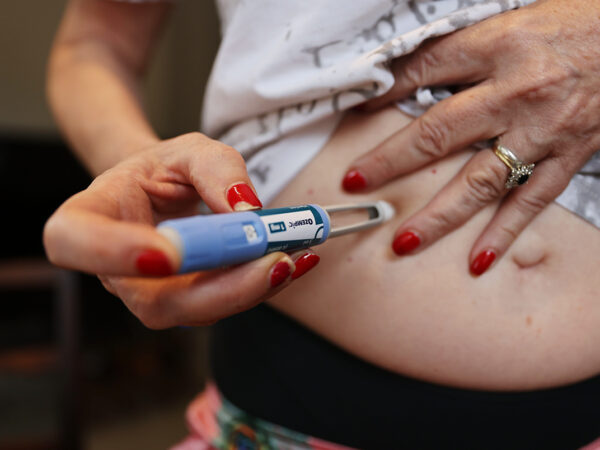
GLP-1 drugs are a class of medications that assist with weight loss and enhance the body’s sugar management. Physicians already prescribe them to type 2 diabetics or folks who are obese. These drugs work by stimulating the pancreas to release more insulin when blood sugar is elevated. They reduce appetite by altering brain signals associated with food cravings. They assist by delaying stomach emptying, so individuals experience a prolonged sense of fullness post-meal.
GLP-1 drugs are rediscovered to be relevant for treating metabolic issues. They aid in weight loss, which is essential for individuals with lipedema. Lipedema is a chronic health condition where fat accumulates in the lower body, frequently leading to pain and swelling. While lipedema fat is difficult to shed, weight management is a major component of treatment.
GLP-1 medications can help here. While they might not shrink lipedema fat specifically, they can reduce overall body weight. This difference can make it more comfortable for individuals to be active, wear compression stockings, or engage in light exercises such as walking or swimming. Others experience reduced bloating and aches as well, which may be due to GLP-1 medications reducing bodily inflammation.
A lot of researchers initially viewed GLP-1 medication as assistance for diabetes patients. They now recognized it’s helpful for a broader population. Because these drugs can alter how hungry or full you feel, they’re useful for anyone who needs to control their weight.
Other research indicates that certain GLP-1 drugs, such as semaglutide, assist individuals in shedding fat and optimizing their body’s insulin sensitivity. This is useful for lipedema patients who have both excess fat and difficulty utilizing insulin.
Below are some common GLP-1 medications and their key points:
-
Semaglutide is used for both diabetes and weight loss. It may help reduce body fat and improve blood sugar levels.
-
Liraglutide: Approved for weight loss and diabetes. It delays gastric emptying and aids in appetite control.
-
Dulaglutide is mostly for diabetes and can help with weight loss in some cases.
-
Exenatide is used to treat diabetes and can help with moderate weight loss and blood sugar control.
For patients with lipedema, GLP-1 medications prior to surgery could potentially put them in a better position with some weight loss to reduce swelling and improve their general well-being. These medications don’t cure lipedema, but they reinforce a more comprehensive treatment protocol.
We all know how a few pounds here and there can make a huge difference in life.
The Pre-Surgical Bridge
GLP-1 medications are functionally a pre-surgical bridge. These Type 2 diabetes medications aid weight loss, enhance insulin response and decrease inflammation. For those patients facing surgery, this can translate into an easier journey and improved outcomes.
Regarding GLP-1 dosing, clinicians are used to holding GLP-1s prior to procedures, but the data supporting a long pause is sparse. Research indicates that the danger of aspiration is minimal, three per 100,000. The stomach emptying delay from these drugs is only around 36 minutes, certainly not enough to account for a week hold.
Even so, some providers have patients discontinue GLP-1 agonists for four weeks or seven days prior to surgery. Every case requires a blood sugar control plan, particularly in diabetics. Blood work and nutrition screens months in advance identify issues. High protein shakes are important, and make sure to let providers know about current GLP-1 use!
1. Metabolic Optimization
GLP-1 medications can support the body’s ability to use insulin more efficiently and maintain blood sugar levels. This translates into less chance of anything shooting or nosediving during surgery. With more stable blood sugar, healing post procedure is more predictable.
It might not be the easiest thing to hear, but for lipedema patients, strong metabolic health translates into less likelihood of complications like infection or slow healing. Many folks shed pounds, too, with GLP-1 therapy, potentially simplifying and safeguarding the surgical process.
Improved metabolic function means fewer surprises in the OR. This strategy empowers both physicians and patients and helps lay the foundation for an easier recovery.
2. Inflammation Reduction
GLP-1 therapy can reduce inflammation, a major component of lipedema. Excessive inflammation can impede healing and intensify pain post-surgery. With reduced swelling comes reduction in symptoms such as lipoalgia.
Less inflammation can render the tissue easier to work with for surgeons and thus potentially produce better cosmetic and medical outcomes. Handling inflammation isn’t only surgery-related; it makes life with lipedema easier all around.
3. Weight Management
Weight loss is a major component of preparing for lipedema surgery. GLP-1 meds help patients lose fat, not just water weight. This helps reduce risk during surgery and can promote postoperative healing.
Weight maintenance with GLP-1s is most effective when coupled with well-balanced meals and daily activity. Others track with apps or visit a nutritionist. Maintaining weight post-surgery is equally critical in addition to pre-surgical loss.
It helps slow the progression of lipedema and keeps results prolonged.
Steps for effective weight control before surgery:
-
Talk to your doctor about beginning GLP-1 therapy.
-
Monitor blood tests, including blood sugar and nutrition panels.
-
Combine it with a high-protein shake every day for at least one week before and two weeks after surgery.
-
Follow a simple, balanced meal plan and stay active.
-
Report any changes or side effects to your care team.
4. Surgical Readiness
GLP-1s help get patients to a safer weight, making surgery less dangerous. They can help reduce anxiety by providing patients a feeling of momentum. Getting to a stable weight and improved metabolic health before surgery enables surgeons to plan and execute more precise procedures.
Surgeons can administer less anesthesia, and patients can be in recovery a shorter period of time. Patient education is key: knowing the benefits and potential risks of GLP-1s helps set realistic expectations and build trust with the care team.
5. Post-Op Recovery
Post-surgically, GLP-1 drugs can help maintain weight and minimize new swelling. Appetite control is yet another advantage, keeping you from gaining it all back quickly. Continued GLP-1 use can stabilize blood sugar and maintain low inflammation, which is great for healthy healing.
Patients experience superior and longer-lasting results and feel more comfortable during the recovery process. Good post-op care with GLP-1s can translate to a massive quality of life boost.
Patient Suitability
Figuring out if GLP-1 drugs are a good fit prior to lipedema surgery requires thoughtful screenings. It’s about aligning treatment to patient suitability, which boils down to matching medical need to personal health goals. Good outcomes frequently hinge on selecting patients with the appropriate health profile and outlook.
Every patient requires a tailored plan depending on their weight, metabolic health, and the extent of their lipedema. Physicians have to evaluate each case, consider the risks, and check labs. Safety measures like halting GLP-1s four weeks prior to surgery and screening nutrition labs are routine.
The Ideal Candidate
|
Characteristic |
Explanation |
|---|---|
|
BMI ≥ 27 kg/m² with comorbidities |
Indicates need for weight control and possible metabolic support |
|
Motivation for lifestyle change |
Patient shows will to stick with dietary and activity changes |
|
No severe GI disease |
Reduces risk of serious side effects from GLP-1 medications |
|
Stable mental health |
Helps maintain compliance and follow-up |
|
Willing to follow medical advice |
Essential for safe use and pre-surgical prep |
Tackling obesity and co-morbidities is crucial. Patients who are overweight or have metabolic issues like Type 2 diabetes stand to benefit most from GLP-1 drugs. This can contribute to reducing weight, which usually results in improved surgery recovery and reduced risk.
Purpose counts. Patients who are prepared to modify their diet, maintain an exercise regimen, and implement their doctor’s recommendations typically do best. Family or friend support helps as well.
Each patient’s case is unique. Physicians have to do a complete workup, including blood work, diet, and medications. This step identifies any deficiencies, such as low pre-albumin, and repairs them prior to surgery.
Potential Risks
-
Nausea
-
Vomiting
-
Diarrhea or constipation
-
Possible pancreatitis
-
Rare risk of gallbladder issues
-
Low blood sugar (mainly in diabetic patients)
-
Risk of dehydration
A few patients on high doses might require a liquid diet 24 hours prior to surgery because of GI side effects. Lab checks months prior to surgery allowed doctors to identify issues early. Patient selection and informed consent are crucial.
Patients need to understand all the risks going in. Physicians and patients should discuss when to discontinue therapy and how to monitor for issues, particularly if blood sugar requires careful management. Working together with a doctor or nurse helps identify problems quickly and maintains safety.
The Team Approach
Treating lipedema with GLP-1 medications is a team effort. Surgeons take care of the surgery and timing, and dietitians assist with meal and shake planning to enhance recovery. Nurses and PCPs monitor blood tests and adjust diabetes medication.
When these specialists collaborate, patients receive optimal treatment. Communication helps you adhere to fasting guidelines and modify your diet around surgery. This team model empowers the patient, assists them in adhering to the plan, and reduces risk.
Beyond The Scale
GLP-1 meds are more than pre-lipedema surgery weight loss. For others, these medications deliver benefits that extend beyond the scale. Lipedema is not like standard obesity. It results in a stubborn accumulation of fat that does not dissipate with diet or even more exercise. This is why so many with lipedema feel trapped despite having tried every program and workout.
GLP-1 drugs like semaglutide and liraglutide can help people shed as much as 10 to 20 percent of their weight, which is more than what is typically achievable with dieting. Discounting kilos is only the beginning. These medications typically assist in reducing blood sugar, which is great for individuals with or susceptible to type 2 diabetes.
Blood pressure and cholesterol can fall, and emerging research finds a reduced risk of heart attack and stroke in certain patients. GLP-1 meds can reduce inflammation in the body, which is good news for lipedema patients because inflammation exacerbates pain and swelling.
Another advantage is how these medications silence “food noise”—the compulsion or ruminations about eating, despite not feeling hungry. Most say this ceaseless call to eat diminishes and that they feel more empowered in their decisions. This shift can be a relief after years of fighting with food and dieting disappointment.
When hunger is managed, it’s much simpler to follow through with a meal plan or do the healthy things, and this in turn usually results in a better headspace and more optimism for what’s ahead. Lifestyle modifications and adjunct therapies still count a great deal. GLP-1 drugs are most effective when accompanied by a healthy diet, consistent exercise, and guidance from medical teams.
Others might require assistance from dietitians, therapists, or groups to maintain these new changes. Today, most clinics take a team approach, combining pharmaceutical treatments with nutritional advice, pain management, and stress reduction. This provides people the most benefit from treatment and equips them for surgery if necessary.
Losing weight and feeling like your body looks better can certainly have a real impact on mental health. Folks tend to feel lighter not only in body but in spirit as well. It can mean increased self-esteem, decreased self-loathing, and hope.
For others, simply enjoying a respite from pain and swelling translates to better sleep and more quality time with family, friends, or hobbies.
Practical Considerations
Lipedema surgery patients who initiate GLP-1 medications must strategize carefully. Every step, from timing your meds to monitoring and alternative approaches, contributes to better surgical outcomes and health overall. With thoughtful planning and communication with healthcare providers, you have laid the groundwork for safer procedures and easier recovery.
Medication Timing
GLP-1 medication timing is crucial when surgery is scheduled. Too close to the procedure may not give you enough time to acclimate to the drug or experience the benefits. Many providers suggest initiating GLP-1 therapy a few months prior to surgery, depending on a patient’s health history and treatment objectives.
This affords slow weight loss and improved blood sugar control. If the patient is on a higher dose, conversion to a liquid diet 24 hours prior to the operation may assist in minimizing stomach side effects. It’s crucial that patients don’t eat or drink after midnight before surgery.
GLP-1 drugs are frequently discontinued four weeks before surgery and resumed four weeks after, assuming recovery is going well. For GLP-1 users with Type 2 diabetes, a backup glucose control strategy during this time must be created with a care provider or endocrinologist.
Monitoring Progress
Checking progress is key with GLP-1s. Labs are generally pulled months prior to surgery in order to identify and address any nutrition issues, with testing such as a metabolic panel and pre-albumin level. Monitoring weight, blood sugar and side effects helps make sure that the treatment is headed in the correct direction.
Once a month visits let the care team tweak the plan by changing doses or adding supplements. This is where the open communication of patient and provider comes into play. Patients must report new or worsening symptoms immediately so changes can be made prior to surgery.
Taking a high-protein shake daily, beginning a week prior and continuing for two weeks after surgery, may assist in your healing and nutritional profile.
Alternative Strategies
-
Practical Matters: Diet modifications, like cutting down on processed foods and incorporating more whole foods, usually assist with weight management and symptom regulation.
-
Exercise, such as walking or swimming, can enhance mobility and might relieve pain or swelling.
-
Compression therapy, through the use of specialized garments, aids with the swelling that accompanies lipedema.
-
Lymphatic drainage massage can offer relief for some patients.
-
Investigating these choices with a multidisciplinary team assists every patient in discovering what functions for them, providing sensible resources beyond drug treatments.
Conclusion
About: glp-1 meds before lipedema surgery While these meds might reduce weight and potentially alleviate swelling, they’re not for everyone. Doctors consider your health, needs, and goals to determine if these medications are a good fit. Others feel they are more prepared for surgery after taking them. Side effects can arise, therefore individuals should discuss with their care team. Everyone’s journey with lipedema and treatment is unique. Discovering the right plan requires candid conversation with reliable doctors. To find out more, connect with a care team or support group. See what suits you best. Be informed and inquisitive, and you can make the right decision for you.
Frequently Asked Questions
What are GLP-1 medications and how do they relate to lipedema surgery?
GLP-1 pills to take before lipedema surgery could aid in trimming body fat and swelling before lipedema surgery for a safer operation and smoother recovery.
Can GLP-1 medications improve outcomes before lipedema surgery?
Yes, GLP-1 medications can help reduce inflammation and body fat. This can enhance surgical results and reduce the risk of complications while undergoing lipedema surgery.
Who is a good candidate for GLP-1 medications before lipedema surgery?
Could people with lipedema who have obesity or co-morbid conditions benefit? A healthcare provider will evaluate your individual health needs to see if it’s right for you.
Are GLP-1 medications a substitute for lipedema surgery?
No, GLP-1 meds do not cure lipedema. They can assist in symptom management and pre-surgical body preparation but do not substitute for surgical intervention.
What are the potential side effects of GLP-1 medications?
Typical adverse reactions include nausea, vomiting, and diarrhea. Serious side effects are uncommon, but can consist of pancreatitis or allergic reactions. Just make sure you check in with your doctor.
How long before lipedema surgery should GLP-1 medications be started?
This differs by patient and surgery type. Most physicians recommend initiating a few weeks to months before surgery. As always, listen to your doctor.
Do GLP-1 medications affect recovery after lipedema surgery?
Glp-1 medications before lipedema surgery vary. Talk to your surgeon’s recovery plan!