
Key Takeaways
-
Compression therapy is a cornerstone of lipedema treatment that promotes lymphatic flow and reduces swelling and pain, allowing lipedema patients to stay active and mobile.
-
Daily wear of correctly fitted garments can help soften tissue, reduce disease progression and decrease the risk of secondary lymphedema. As your body shape changes, have the fit and pressure level reevaluated.
-
Select garment type, knit and compression class depending on disease stages and limb shape in consultation with a lymphology or lymphedema specialist.
-
Pair your compression with complementary treatments like manual lymphatic drainage, low-impact exercise, nutrition, and skincare for optimal results.
-
Create practical guidelines for measuring, putting on, wearing, and laundering garments. Employ donning aids as necessary and monitor compliance to uncover and address obstacles to regular use.
-
Manage emotional and social effects by establishing a daily self-care routine, maintaining coping mechanisms, and reaching out to support groups or therapists for ongoing adjustment.
Compression therapy reduces the pain and swelling of lipedema by applying sustained pressure. It enhances lymph flow, provides tissue support, and reduces the risk for bruising.
Patients commonly say they feel more comfortable doing daily tasks and experience less heaviness in their limbs. Compression garments come in a range of pressures and fit, so proper sizing and gradual introduction make a difference.
Along with exercise and skin care, compression is a cornerstone of ongoing symptom management and quality of life.
The Lipedema Challenge
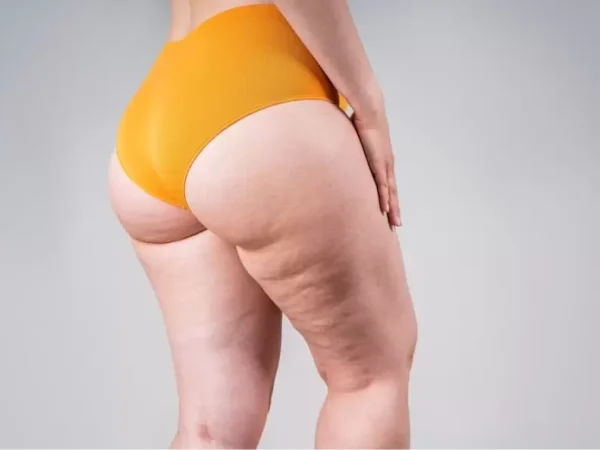
Lipedema is a chronic condition characterized by a symmetrical accumulation of subcutaneous fat and persistent limb swelling. It usually impacts the legs and occasionally the arms, producing a symmetrical look unlike normal obesity. Overlooked and underdiagnosed, it is thought to impact around 10% of women, meaning many endure the symptoms for years before a definitive plan is put in place.
Early diagnosis and early intervention matter because treatments work better before tissue becomes fibrotic. A comprehensive approach is needed. Compression therapy, lifestyle steps, skin care, and targeted movement form the backbone of practical management.
Pain
Unrelenting pain is a signature symptom of lipedema and frequently doesn’t correlate with mere weight gain. The pain can be diffuse, tender to the touch, and flares after standing or exercise. As subcutaneous fat and nodules develop, the pain intensifies, restricting the desire to mobilize.
Targeted treatment like daily or near-daily compression can reduce pain. Around 54% of patients experience relief by wearing compression garments. Coupling compression with low-impact, consistent exercise typically provides superior pain management compared to either in isolation.
Swelling
Swelling in lipedema emerges from dysfunctional lymphatic flow and localized fluid retention in involved tissues. It tends to fluctuate during the day, being more severe after prolonged standing or sitting, and may diminish to some extent overnight. This fluctuation contributes to limb deformity and impairs mobility.
In other words, reducing swelling is key to treatment. Compression assists by applying graded pressure to reduce fluid build-up and support lymph flow. Research indicates dramatic decreases in swelling and heaviness when compression is combined with exercise for a four-week period.
Tissue Changes
Tissue alterations such as painful nodules, hardened skin, and rubbery and enlarged fat deposits cause the skin to bruise easily. Over time, this soft tissue can harden into fibrotic tissue, which is much harder to treat and heals more slowly.
These alterations heighten the risk of skin breaches and infections, so skin care and protection on a daily basis are important. Compression supports tissue by decreasing micro-edema, enhancing comfort, and reducing bruising. When initiated early, it delays the transition from soft to fibrotic tissue.
Mobility
Swelling and tissue changes compromise joint range and overall mobility, resulting in activities such as walking, stair use, and day-to-day tasks feeling more exhausting than usual. Less movement then loops back into weight gain and accelerated disease advance.
Staying active maintains muscle pump action that supports lymph flow and prevents loss of strength. Wearing compression while active feels better and can help people get moving more. Information shows that patients who wear their garments five to six days a week experience more symptom reduction than those who wear them less.
Compression’s Role
Compression is a fundamental, scientifically supported lipedema treatment. It aids lymphatic and venous return, decreases fluid retention in adipose tissue, and assists in decelerating fibrate structural changes that exacerbate symptoms. Here below are the key mechanisms and practical effects, presented so that clinicians and informed patients can understand how compression integrates into a long-term strategy.
1. Lymphatic Support
Compression raises interstitial pressure and provides a gradient to push lymph toward central drainage points. This diminishes the lymphatic fluid pooling that causes limbs to feel swollen and heavy. When flow is enhanced, compression reduces the risk that transient edema turns chronic and helps prevent secondary lymphedema from forming after recurrent inflammation or trauma.
Lowered lymph load decreases stretch on lymph vessels and nearby tissues, which reduces pain and tenderness. It is recommended as a first-line therapy in many guidelines because it keeps lymph transport going as other interventions, such as manual lymphatic drainage and exercise, operate more optimally.
2. Pain Reduction
Compression from garments takes pressure off the tissues and compresses small fluid pockets, which alleviates nerve tension in subcutaneous fat. Less swelling means less nerve irritation, fewer stabbing or burning sensations, and less baseline pain. That shift frequently enables patients to get moving and participate in light strength and mobility exercises that continue to decrease pain with time.
Consistent, good-fitting compression can reduce the need for painkillers and anti-inflammatories, particularly when paired with exercise and weight loss.
3. Tissue Softening
Regular compression prevents the chronic inflammation that causes fibrosis and hard nodules in the fat layer. When tissues remain softer, the skin surface appears and feels smoother, and complications such as compromised skin integrity decrease. Softer tissue better responds to manual therapies.
Lymphatic massage and decongestive techniques move fluid more easily in pliable tissue. As a recent review article notes, early and consistent application of compression makes it more likely to achieve long-term tissue softness and easier maintenance.
4. Progression Slowdown
By preventing recurrent swelling and fibrotic change, compression prevents lipedema from progressing to the later, more disabling stages. By minimizing fibrosis, edema, and connective tissue proliferation, compression can postpone or avoid the need for invasive alternatives like liposuction.
Getting it taken care of early reduces the chance of secondary issues such as chronic venous insufficiency and skin breakdown. Reevaluation is key. Compression levels and garment types should be adapted as symptoms and limb size fluctuate.
5. Proprioceptive Feedback
Compression garb provides continuous proprioceptive cues that enhance postural and movement acuity. Enhanced proprioception aids in balance and decreases the likelihood of stumbles in those with compromised gait.
This feedback promotes safer limb positioning during walking and exercise, thereby making rehabilitation and everyday activities more efficient. Aiding the physiotherapy process with compression offers functional gains that help preserve mobility goals.
Choosing Compression
Compression is key when it comes to controlling lipedema. The proper compression garment alleviates pain, controls fluid accumulation, and helps support tissue during movement. Select compression based on disease stage, limb shape, skin condition, and daily requirements for optimal results.
Below are pragmatic considerations to help steer selection and illustrate why expert advice counts.
Garment Types
Leggings, stockings, bandages and footless leggings are the staple choices. That choice depends on where the lipedema is most active and how bad the swelling is.
-
Leggings
-
Stockings
-
Bandages
-
Footless leggings
Leggings cover the hips and thighs, which is helpful when upper legs and butt are impacted. Stockings work well when the cellulitis is only in the lower leg or when foot circulation counts. Footless leggings allow the ankle and foot to stay free while providing calf and thigh support.
Short-stretch or multi-layer bandaging is typically reserved for intensive post-surgical or advanced stage decongestion. A handy comparison table matching each type to typical uses, advantages and disadvantages, and wear times aids patients and clinicians in making their selection.
Knit Differences
Flat-knit vs. Circular-knit garments Flat-knit garments are produced in panels and then sewn. They offer a firmer, more tailored fit and can be manufactured in wider size ranges. This makes them well-adapted to irregular limb contours and areas with significant circumference variations.
Circular-knit garments are seamless and softer. They often feel more comfortable for day wear and work well in mild cases or for maintenance after decongestive therapy. Skin condition matters: fragile or scarred skin may tolerate circular-knit better, while significant contour change or large folds usually need flat-knit.
Decide on knit type by checking limb shape, skin integrity, and whether the goal is everyday comfort or intensive support.
Pressure Levels
Compression classes refer to the average pressure range and application. Select the level according to the stage and symptom burden.
|
Class |
Typical Use |
|---|---|
|
Class 1 (mild) |
Early stages, maintenance, pain relief |
|
Class 2 (moderate) |
Established swelling, daily control |
|
Class 3 (high) |
Advanced stages, larger volume, post-surgical care |
Upper classes provide more powerful support and require a more exact fit. Too much pressure or the wrong size can lead to pain, skin breakdown, or reduced circulation.
Best measure limbs properly and test wear for a few hours before full-time adoption.
Custom vs. Standard
Custom garments are measured and made to shape. They conform to odd contours and severe deformity more effectively and frequently increase compliance and outcomes.
Standard sizes are effective when body shape aligns with the ranges and for early stage lipedema. They are less expensive and faster to acquire.
Body contours change with treatment, so modifications maintain function and comfort. See a lymphologist or special lymphedema unit for individualized selection and fitting.
Beyond The Garment
Compression is just one aspect of lipedema care. It decreases limb volume and relieves pain. It shines most when combined with complementing therapies targeting fluid dynamics, tissue health, mobility, and lifestyle. These subtopics cover actionable, research-supported supplements that pair with compression to optimize symptoms and function. Record what therapies you employ and note results to inform tweaking.
Manual Drainage
Manual lymphatic drainage is a gentle, rhythmic massage administered by a qualified therapist to move lymph and decrease stagnation in the impacted regions. It pulls on skin and subcutaneous tissues to help stimulate lymphatic movement toward active nodes and relieve local edema. This decreases fluid accumulation that compression alone might not completely evacuate, decreases limb tightness, and can relieve pain activated by pressure and stretching.
Weekly sessions slow fibrosis progression by increasing tissue suppleness and disrupting nascent fibrotic changes. Therapists apply targeted strokes and sequences for each limb and lipedema stage. Seek out a course of treatment from a certified lymphedema therapist, which generally begins with multiple visits a week and ends with maintenance visits once your volume levels out.
Movement
Movement increases lymph and venous return via muscle pump and joint action. Low-impact activities such as walking, swimming, cycling, and water aerobics are ideal, offering rhythmical muscle pumping without taxing joints. They keep joints loose, develop calf and thigh muscle tone that promotes circulation, and promote stamina.
Movement helps curb additional fat gain by enhancing metabolic health. Pairing exercise sessions with compression garments amplifies the benefit. Compression adds external pressure that supports venous flow while muscles do the internal pumping. Begin with brief, regular sessions and increase time or intensity gradually as tolerated.
Nutrition
Note: Diet changes are intended to reduce inflammation and assist in weight management, not to cure lipedema. Concentrate on whole foods, a combination of vegetables, lean protein, grains, and good fats. Reduce processed foods and additional salt because sodium causes the body to hold on to more fluids and can exacerbate swelling.
Track how foods impact you with a food diary, making note of swelling, bloating, or pain post-meals. Others thrive on specific plans that eliminate simple sugars and refined carbs. Any diet change should be coordinated with a nutrition professional that understands lipedema and comorbidities.
Decongestion Therapy
CDT – or complete decongestive therapy – combines compression, manual drainage, skin care and exercise into a phased program to minimize significant swelling and reshape limbs. It begins with an intensive phase that includes daily drainage, bandaging, and skin care, followed by a maintenance phase that uses compression garments and regular exercise.
Daily checklist for decongestion therapy:
-
Morning compression or bandaging applied correctly
-
20–30 minutes of low-impact movement
-
Skin inspection and moisturization
-
Targeted manual drainage session or self-drainage practice
-
Evening compression removal and limb elevation if needed
Use the checklist each day and record any changes in measurements or symptoms to inform care.
Practical Application
Compression needs to be applied properly in order to be effective in lipedema. Correct utilization determines how compression is delivered, how tissues react, and how skin endures the garment. The following subheadings demonstrate pragmatic application to fit, day wear, care and common barriers, along with easy tracking methods to maintain consistency of therapy.
Proper Fit
Measure limbs at several points: ankle, calf, below knee, mid-thigh, and at any wide spots. Take measurements with a soft tape measure while sitting and standing to track any changes. Note the measurements in millimetres.
Adapt to the manufacturer’s size chart instead of guessing by dress size. A comfortable fit that is not painful provides even compression from distal to proximal and reduces the chance of creases or bunching. Improper fit leads to rubbing, skin irritation, and pressure points that can exacerbate symptoms.
Re-measure every 4 to 8 weeks or following weight change, surgery, or significant fluid shifts. Most clinics provide fitting guides or even in-person fittings. Take advantage of these or use vendor charts when ordering online. If you want some custom pieces, send the maker your specific measurements and photos.
Daily Wear
Wear them awake for most of the day. Regular daytime use controls swelling, reduces pain, and maintains tissue softer and more flexible. Start users on shorter stretches—two to four hours—and gradually add an hour a day until all-day wear becomes tolerable.
Set alarms or phone reminders to dress each morning and undress at bedtime. Take off for bath and lotion and put back on. If exercise is involved, wear the compression during low- to moderate-intensity activity to facilitate fluid movement. Consult with a clinician in the case of high-intensity or aquatic activities.
Garment Care
Handwash each day or on a delicate machine cycle using mild detergent and cool water. Don’t use bleach, fabric softeners or hot water because they break down elastic fibers. Air dry flat or on a line out of direct heat, do not tumble.
Right maintenance maintains elastic strength and sanitization, mitigating odor and dermatitis. Check seams, toes and edges every week for thinning or runs. Switch out clothes when pressure starts to feel diminished or when material becomes torn.
Create a care schedule: wash daily, inspect weekly, and replace every 3 to 6 months or as recommended by the maker.
Overcoming Barriers
Typical issues are discomfort, difficulty dressing, and skin sensitivity. Utilize donning aids, gloves, or a stocking donner to simplify dressing. Experiment with softer-lined or lower-denier materials if skin responds, or alternate different styles of garments.
Break wear time into shorter chunks if continuous wear is untenable, then accumulate. Track barriers and fixes in a treatment plan to share with clinicians, including time worn, issues, and adjustments. Tackle issues quickly to prevent therapy stalls.
The Human Element
Compression therapy does more than change limb volume. It impacts everyday life, identity, and relationships for people with lipedema. Many come with pain, a feeling of ‘heaviness’, skin sensitivity, and easy bruising that make normal activities more difficult and social occasions more exhausting. That context is important before examining particular areas where compression is useful and where encouragement is required.
Body Image
These visible reminders can literally alter a person’s body shape as well as self-esteem and the way they perceive themselves. These transformations typically result in avoiding social situations or fashions previously relished. Promote re-shaping thinking toward function and health wins, such as more walking tolerance and less morning pain, instead of just size.
In practical terms, experiment with various compression brands and garment styles. Both fit and fabric can enhance your comfort and the appearance under clothes. Opting for clothing that strikes a balance between comfort and self-expression contributes as well.
Jot down a brief list of personal strengths and nonappearance accomplishments, such as work, hobbies, caregiving, and skills, to read when body image feels precarious.
Daily Routine
Schedule-driven habit tends to make therapy stick and takes stress out of care-missed worry. A firm schedule potentially translates to use every day instead of random days here and there, which is important because nonadherence rates for compression hosiery hover around 30 to 34 percent.
Use simple tools to keep on track: planners, phone reminders, or habit-tracking apps. Below is a numbered plan to build a daily routine around compression and self-care:
-
Morning: Gentle mobility exercises, put on compression before leaving home helps reduce morning swelling and pain.
-
Midday: Take a short walk or do light exercise, hydrate, and have a protein-rich snack to support tissues.
-
Afternoon: Reassess comfort, adjust garment if needed, and log symptoms in an app or notebook to track patterns.
-
Evening: Do prescribed stretching or lymph-supportive movements, remove compression for rest if advised, and note pain and fatigue levels.
-
Weekly: laundry rotation for multiple garments, appointment scheduling, and a brief review of symptom logs.
Emotional Impact
Chronic symptoms create frustration, isolation and anxiety. These feelings are normal and justified. Stress-reducing exercises lower reactivity and increase better coping over time.
Try mindfulness, creative hobbies or journaling for emotional processing. Practical coping ideas to use on hard days:
-
Deep-breathing or short guided meditations
-
Calling a trusted friend or peer
-
Simple movement like a short walk or gentle yoga
-
Distractive activities: music, puzzles, or reading
-
Short symptom journaling helps identify triggers and improvement.
Pre-plan a coping list so choices are waiting when weariness or aches reduce your willpower.
Community Support
Peer groups and forums offer actionable tips and emotional validation. Connection diminishes loneliness and provides real-life guidance about clothing labels, sizing hacks, and nearby doctors.
Participating in advocacy events transforms lived experience into mission and raises public consciousness. Build a resource list of reliable local clinics, therapists, online forums, and advocacy groups to make assistance accessible and convenient.
Conclusion
Compression aids in reducing swelling, relieving pain, and maintaining skin health in lipedema patients. Simple, steady use of the right garment gives clear gains: less heaviness, better movement, and more comfort during daily tasks. When you pair compression with gentle exercise, weight care, and good skin routines, it makes the results stick. Little stuff counts. Test the waters with a liner or sock for short wear, then graduate to stronger options as comfort and requirement increase. Discuss fit, pressure, and fabric with a clinician. Real lives change when care suits routine and ambitions. Take one clear step today: book a fitting or ask a clinician one focused question about pressure and wear time.
Frequently Asked Questions
What is compression therapy and how does it help with lipedema?
Compression therapy involves using close-fitting garments to provide targeted compression. It alleviates pain, enhances lymphatic flow, decreases edema, and increases range of motion. When used appropriately, it can decelerate symptom advancement and add to daily ease.
When should someone with lipedema start compression therapy?
Start following diagnosis, or at the onset of any symptoms — tenderness, swelling, or bruising. Early use manages symptoms and may prevent progression. Timing should be discussed with someone who works with lipedema regularly.
What types of compression garments work best for lipedema?
Medical-grade, graduated compression garments are advised. There are stockings, sleeves, shorts, and custom-fitted options. Selection is contingent on impacted zones, degree and ease.
How tight should compression garments be for safety and effectiveness?
Apply graduated compression in millimeters of mercury. A clinician or certified fitter should advise the degree. A good fit prevents areas of unnecessary tightness that can be painful or impede circulation.
Can compression therapy replace other lipedema treatments?
Compression is palliative. Mix it with manual lymphatic drainage, physical activity, weight control and, if necessary, surgical solutions such as lipedema debulking. A multi-approach yields the best results.
How long should compression garments be worn each day?
A lot of folks wear them while they’re awake, usually 8 to 12 hours or more. Begin with shorter spans and build up as tolerated. Adhere to clinicians’ instructions for daily wearing and skin examinations.
Are there risks or side effects from compression therapy?
Risks include skin irritation, improper fit, and worsening circulation if too tight. With regular checkups, correct sizing and professional guidance, risks are minimized. Discontinue use and consult if numbness, intense pain, or skin changes develop.