
Key Takeaways
-
Check the surgeon is board certified and a known lipedema specialist with documented experience and engagement in research, professional societies or lipedema foundation registry for trusted current care.
-
Emphasize lymphatic sparing and minimally invasive surgeons who customize by disease stage, body region, and individualized patient needs.
-
Request a surgical plan, before and after photos, patient outcome, and a surgical timeline, which includes pre-op checks, operative steps, and post-op recovery, to get a glimpse of real world results and expectations.
-
Use your consultation to discuss and review experience, staging, anesthesia, post-op care, insurance coverage, and costs. Be mindful of red flags like lack of lipedema-specific experience or promises of unrealistic results.
-
Select a provider who operates within a multidisciplinary team and advocates for conservative care, long-term management, and emotional and financial resources for coordinated holistic treatment.
-
Put together a side-by-side checklist of your top surgeons covering everything from credentials and techniques to volumes and outcomes, teamwork, and your intuition for your final decision-making.
Choosing a lipedema surgeon is a process of comparing credentials, experience, and patient outcomes. Key factors include board certification in plastic or vascular surgery, specific experience treating lipedema with liposuction techniques, and before-and-after results from similar cases.
Consider multidisciplinary care, preoperative assessment, and clear communication about risks and recovery. Cost and insurance options matter, but clinical outcomes and patient satisfaction should guide the decision.
Surgeon Evaluation
Surgeon evaluation starts with transparency of credentials and targeted review of lipedema-specific clinical experience. Check for board certification in plastic surgery or a related specialty and confirm licensure at the surgeon’s place of practice. Verify lipedema specialist status and request case logs demonstrating fat disorder patients and lymphatically-sparing procedures.
This should include a comprehensive medical history check encompassing hormonal fluctuations, weight gains or losses, pregnancies, and any previous surgeries. Surgeons will inquire if there is any pain, heaviness, swelling, easy bruising, and any limits to movement. A focused physical exam examining the lower extremity, upper arms, and trunk observes for skin changes, nodular or fibrotic fat, and abnormal fat distribution.
1. Specialization
Determine if lipedema is a core focus. Does the surgeon perform fat disorders routinely and utilize lymphatic-sparing liposuction? Seek continuous education, attendance at specialized conferences, and involvement in multidisciplinary teams comprising lymphologists, vascular experts, and physiotherapists.
Published papers, clinical talks, or leadership in lipedema programs indicate even deeper commitment. Verify access to a specialized lipedema center or a progressive program with staged care and post-op rehab coordinated.
2. Experience
Request concrete numbers: How many lipedema surgeries have they done and how many involved large-volume removal with lymphatic preservation? Inquire about experience in lipedema surgery and sample difficult cases.
Test heat with deeper, multi-area plans. Most patients require two to four staged sessions over twelve to twenty-four months to remain within safe per session maximums. Talk about treatment of patients with lymphedema, obesity, or venous disease to see how comorbidities are managed.
3. Techniques
Clarify which techniques the surgeon offers: tumescent liposuction, VASER, or manual extraction methods. Verify use of lymphatic-sparing techniques and request details about incision size, cannula selection, and anesthesia choices specific to lipedema patients.
See how methods are adjusted by stage and anatomical area. Request instances of when the fibrotic, nodular region was dealt with compared to softer fat.
4. Portfolio
Ask to see before and after pictures on thighs, arms, hips, and buttocks and compare cases with your severity of disease. Review patient testimonials and long-term outcome footnotes.
Scour case studies describing post-op care, complication rates, and rehab plans. Verify the range of cases, particularly advanced lipedema or higher risk patients.
5. Philosophy
Discuss the surgeon’s view on total lipedema care: conservative measures, staged surgery, and long-term follow-up. Verify they need or advise a demonstrated conservative management trial when permissible for clinical and insurance purposes.
Seek focus on patient education, joint decisions, and personalized plans honoring values and goals.
The Consultation
A consultation is often the initial step toward relief and answers for lipedema patients. It ties you directly to a provider who knows the condition and it establishes a framework for diagnosis, treatment planning, or an informed second opinion.
Bring records, photos, symptom history notes, and any previous test results to maximize the visit’s usefulness.
Your Questions
Make a list of the critical questions your doctor needs to answer regarding diagnosis, treatment, and anticipated results. Inquire about the surgeon’s experience with lipedema diagnosis and advanced treatment methods.
Ask how many procedures they perform annually and whether they use lymphatic-sparing techniques. Request specifics of the surgical plan. Will the treatment be staged? What anesthesia is planned? What operative support, such as nursing, imaging, and lymphatic monitoring, will be available?
Ask about post-operative care, compression therapy guidance, and long-term management strategies including physical therapy, manual lymphatic drainage, and exercise plans. Understand insurance, financial navigation, and possible payment plans.
A lot of insurers want to see paperwork from endocrinologists or conservative-therapy history, so inquire as to which records the surgeon requires. If you’ve been misdiagnosed or labeled obese in the past, say so and ask how they differentiate lipedema from other disorders.
Their Questions
The surgeon will want to question you about your symptoms, your medical history, and any prior conservative treatments such as compression, diet, and therapy. They’ll probably inquire about your objectives and what you anticipate, as well as if you’ve been previously diagnosed with lymphedema, obesity, or hormonal problems.
Be prepared to discuss any medications, lifestyle, and general health. This aids in determining the risk of surgery and recovery.
Tell me about prior surgeries, therapies, and any family history of fat disorders. Reference long-term relationships with other providers like an endocrinologist since the endocrine records can help demonstrate shifting over time to bolster referrals and insurance claims.
They provide candid responses that accelerate precise diagnosis and enable the team to schedule multidisciplinary care.
Red Flags
|
Red flag |
Why it matters |
|---|---|
|
Little or no specific lipedema experience |
Lipedema needs targeted techniques; inexperience raises risk |
|
No lymphatic-sparing approach |
Damage to lymphatics can cause lasting harm |
|
Promises of dramatic, guaranteed results |
Unrealistic claims indicate poor judgment or marketing bias |
|
Dismissal of multidisciplinary care or follow-up |
Care requires surgery plus rehab, compression, and monitoring |
Observe the surgeon responding to questions and describing risks, benefits, and recovery. The depth of the physical exam and history take counts: certain patients suffer for years, a decade, before receiving an accurate diagnosis.
For many, an exhaustive, respectful consult can be a life-empowering clarifying moment.
The Surgical Plan
A good surgical plan outlines what you will do and why and how you will measure outcomes. It might include target areas, how many sessions are anticipated, what results you should expect and the backup plan if they’re not.
The surgical plan must be clear that lipedema surgery is not cosmetic liposuction and is based on a diagnostic review of fat distribution, skin quality, symptom burden, and previous treatments.
Pre-Operative
Have a complete evaluation that documents lipedema stage, nodularity, fibrosis, and any articular or vascular involvement. A decent clinic records previous conservative care, imaging, lab tests, and cardiology and endocrinology consultations if appropriate.
Expect instructions on nutrition and medication changes, such as stopping or adjusting blood thinners, optimizing iron and vitamin D, and stabilizing chronic conditions. Anesthesia includes fasting rules and a risk discussion based on previous reactions or sleep apnea.
Receive detailed instructions on compression garments, including sizes and vendors. Plan on having several for washing. Get referred for manual lymphatic drainage or decongestive therapy pre-operatively when recommended to reduce baseline swelling.
Our pre-surgery fitness routine might incorporate low-impact cardio and strength work within mobility limits. There should be no sudden weight-loss schemes that shift risk.
Checklist (labs, imaging, consults): Complete blood count, coagulation profile, metabolic panel, pregnancy test if applicable, venous duplex if varicose veins are suspected, limb circumference or standardized photos, and clearance notes from other specialists. Make sure you’ve got the checklist signed and dated.
The Procedure
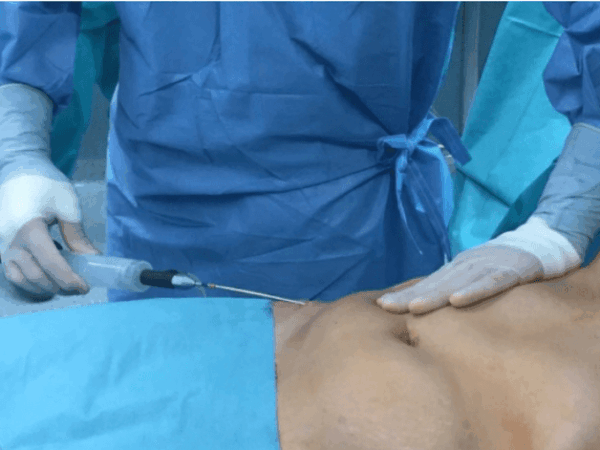
Know which liposuction technique will be used and why: tumescent for fluid and local anesthetic control, VASER for energy-assisted breakdown in fibrotic areas, or manual extraction for precise nodular removal. A lot of surgeons hybridize — request examples specific to your tissue.
The lymphatic-sparing technique should be described step by step: small cannulas, superficial approaches, and mapping to avoid major lymph collectors.
Know the anesthesia plan and who is on the team: lead surgeon, anesthesiologist, circulating nurse, and any specialty assistants. Intraoperative monitoring should encompass fluid balance, blood loss estimates, and temperature control.
Verify utilization of cutting-edge devices when asserted and seek data or published results on those devices. Surgeons will talk about debulking, lifts or resections if you have excess skin or serious nodularity.
Be told frankly that multiple staged procedures are the norm and tissue can grow back beyond treated areas.
Post-Operative
Adhere to specific wound-care directions, compression timelines, and pain-management strategies. Anticipate schedules for garment wear, showering, and activity restrictions.
Follow-ups at predetermined intervals monitor healing, prolonged edema, and adjust therapy. Or, do mandated physical therapy, lymphatic drainage or massage to maintain mobility and fluid management.
Diet, weight-stable habit, and long-term symptom care education should be included in discharge teaching. Ask for a written timeline over recovery milestones, follow-up dates, and contingency steps for problems.
A Team Approach
A team approach treats lipedema as a medical condition requiring coordinated care, not a beauty concern or character flaw. Before any procedure, expect a full diagnostic review: symptom history, patterns of fat distribution, skin quality, prior therapies, and screening for comorbidities such as thyroid disease or metabolic concerns.
A surgeon who works in a multidisciplinary team will bring that diagnostic depth and help set realistic, long-term goals for comfort, function, and quality of life.
Collaboration
Make sure your surgeon has frequent, documented contact with other physicians on your case. Inquire if there are collaborative planning meetings where the surgeon, endocrinologist, vascular specialist, and physical therapist coordinate goals, timelines, and potential interventions.
Shared EHRs matter. They cut down on duplication of tests and keep everyone on the same page. Request examples. Ask the clinic to show a care pathway or sample note that demonstrates how a plan is updated after therapy changes.
Get your support staff involved like nurse practitioners and therapists. They generally do a lot of the daily symptom tracking and patient education. Some good practical signs of collaboration are organized multidisciplinary follow-ups, a clear point of contact for questions, and documented plans for post-op rehab.
Demand clear boundaries around who manages what. For example, endocrinology manages metabolic screening and weight-management interventions, physiotherapy improves mobility and pain, and nutrition provides dietary advice.
Conservative Care
Conservative treatments should be incorporated in any care plan, pre and post surgery. Plan for a regimen of compression, manual lymphatic drainage, and custom-designed movement to optimize circulation and alleviate discomfort.
Nutrition input and obesity medicine help manage weight and metabolic health. These specialists screen for thyroid dysfunction and build realistic goals. Keep an eye on your reaction to all non-surgical therapies.
Teams frequently rely on objective measures such as pain scores, mobility tests, and limb measurements to determine when surgery is necessary. Conservative care is not just a delay tactic; it is part of a long game to minimize symptoms and optimize outcomes post-liposuction, debulking, or resections.
Experience has proven that teams of conservative and surgical caregivers report significant pain relief, increased mobility, and improved patient satisfaction. Seek out centers that provide a provider directory or database of experts as part of a dedicated lipedema program.
A trusted directory not only assists you in finding experienced surgeons and allied specialists but demonstrates a coordinated multidisciplinary team approach to care instead of piecemeal services.
Beyond The Scalpel
Successful lipedema care extends well beyond an operating room. This is more than just the scalpel; it has emotional, social, financial, and long term planning. These factors influence results as much as the surgical skill. Here are actionable steps to create a comprehensive support network and handle daily symptoms.

Emotional Support
See a counselor or mental health specialist who knows about chronic conditions and pain. Mental health clinicians assist with coping strategies for body image changes, lingering pain, and treatment decisions. They can work with you on anxiety or depression that can accompany chronic illness.
Participate in support and message groups of women who are sharing the real scoop on procedures, recovery, adaptive clothes or compression options. Hearing tips of the trade, like where to purchase well-fitting clothes or how others manage flare-ups, can save you weeks of trial and error.
Build a circle of family, friends, and clinicians who are familiar with your history – your hormonal swings, pregnancies, and past surgeries. This network accelerates communication and assists with mobility support after procedures.
Consider mental health just as medical. Regular check-ins, brief therapy or peer mentoring may decrease pain perception and increase compliance with compression, manual lymphatic drainage, and exercise guidelines.
Financial Navigation
Clarify what your insurer will cover: pre-op assessments, lipoaspiration for lipedema, compression garments, post-op therapy, and complications. Ask whether endocrinology consults or imaging are included.
Get a written quote from your surgical team. Include surgeon, facility, anesthesia, clothing, physical therapy, and potential readmission fees. Inquire about payment plans and if they provide medical necessity documentation.
Explore grants, patient assistance programs, work benefits, and local advocacy groups that fund lipedema treatment. Several organizations have lists of clinicians providing sliding-scale care.
Anticipated costs include surgeon fees, facility fees, anesthesia, compression garments, and physical therapy.
Timelines: pre-op evaluation is 2 to 6 weeks, surgery and immediate recovery is 1 to 3 days inpatient or outpatient, and full rehab is 6 to 12 months.
Documentation for claims includes medical records, specialist notes from endocrinologists and vascular specialists, imaging reports, and logs of conservative therapy trials.
Possible out-of-pocket expenses may include travel, temporary caregivers, and garment replacements.
Long-Term Vision
Set realistic goals: reduced pain, better mobility, and improved quality of life rather than complete fat removal. Lipedema fat doesn’t behave like other fat when it comes to diet and exercise, and while surgery can reduce disease burden, it’s not a cure.
Follow-up plan with 3, 6, and 12 month then yearly checks. Include pain scores, limb circumference, mobility tests, and compression fit checks.
|
Metric |
When to assess |
Target |
|---|---|---|
|
Pain score (0–10) |
baseline, 3, 6, 12 months |
downward trend |
| Limb circumference (cm) | Baseline, 6, 12 months | Reduction or stability in measurement | | Mobility (timed walk) | Baseline, 6, 12 months | Better time or distance | | Thyroid/endocrine labs | Baseline and then annually | Within normal limits |
Keep up with research and new therapies. Lipedema science is busy! Conservative care, including compression, manual lymphatic drainage, and nutrition, must be optimized prior to surgery, and endocrinologists can assist with thyroid or hormonal concerns.
Your Final Decision
Selecting a surgeon to care for your lipedema is a balance of clinical realities, your personal needs, and your long-term objectives. Start with a clear sense of what you want: symptom relief, improved mobility, reduction in pain, or cosmetic change. Just be aware that lipedema surgery is liposuction, typically regarded as cosmetic and infrequently covered by insurances.
This truth impacts decisions regarding price, scheduling, and post-treatment attention.
Checklist to compare surgeons
Make a side-by-side list with these and fill them in for each candidate.
Credentials: Board certifications in plastic surgery, vascular surgery, or related fields; membership in recognized societies that include lipedema work.
Experience: Years treating lipedema, number of lipedema-focused liposuction cases, and examples or before/after documentation.
Approach to diagnosis: Whether they use clinical staging, imaging, and consider differential diagnoses like lymphedema.
Multidisciplinary care: Access to physiotherapy, lymphedema therapists, dietitians, and mental health support.
Surgical technique: Type of liposuction (water-assisted, tumescent, PAL), anesthesia plan, fluid management, and details on how they protect lymphatic structures.
Outcomes and risks: Data on pain reduction, mobility gains, quality of life measures, rates of tissue regrowth, and complications such as prolonged edema.
Cost and coverage: Itemized fees, expected out-of-pocket costs, and clinic policy on revisions.
Follow-up: Frequency of post-op visits, long-term monitoring, and access to the team after hours.
Patient experience: Reports on communication, respect, and whether prior patients felt believed and supported.
Weighing benefits, risks, and outcomes
Weigh each surgeon’s probable advantages against documented dangers. Note that research is still evolving. Many patients report less pain and better function after liposuction, but there are reports of tissue regrowth outside treated zones and post-op edema.
Request objective outcome data and how they define success. Favor providers who provide information, not pledges. Consider scenarios. A surgeon with many cases and modest complication rates may offer more predictable results, while a newer specialist might use newer technology but lack long-term data.
Calculate cost in terms of risk appetite because insurance is scarce.
Comfort, trust, and communication
Feel during the visits. Did they take your symptoms seriously, or were they dismissed? Select a clinician who understands lipedema and treats it regularly. Good teams listen, clarify your options, and set expectations.
Trust is everything for post-op recovery and long-term care. If you feel judged, rushed, or hustled into surgery, shop around.
Aligning with your goals
Make the selected plan fit your health goals and values. If long-term mobility and pain control are paramount, prioritize surgeons who offer multidisciplinary follow-up and have documented functional outcomes.
If aesthetics are key, choose contouring experience. Do what works for your budget, lifestyle, and future care requirements.
Conclusion
There are defined steps and cool thinking needed in selecting a lipedema surgeon. Lipedema surgeon selection involves reviewing surgeon skills, patient results, and technique fits. Take notes during consultations and use them to compare plans, risks, and time to recovery. Look at the team around the surgeon, from anesthesiologists to physiotherapists. Consider long-term care, including compression, lymphatic work, and follow-ups.
Seek surgeons who demonstrate consistent results, transparent responses, and attention to your everyday concerns. Bring a list of goals and questions to each visit. Walk away from options that feel rushed or unclear.
Select one that fits you, your body, your life, and your goals. Book that extra consult or second opinion if it makes you feel sure.
Frequently Asked Questions
How do I verify a surgeon’s experience with lipedema surgery?
Verify board certifications in plastic or vascular surgery, inquire about their lipedema procedure count, and ask to see before and after photos. Verify continued lipedema training to guarantee proven experience.
What should I expect during the consultation?
Anticipate a targeted physical exam, medical history, goal and treatment discussions. There should be a transparent estimation of risks, recovery time and costs.
How do I evaluate a proposed surgical plan?
Seek a customized plan that details techniques, incision locations, anesthesia, anticipated fat removal, and recovery benchmarks. Your plans should provide a balance of symptom relief, safety, and realistic outcomes.
Why is a multidisciplinary team important?
A team (surgeon, lymphologist, PT, nutritionist) enhances results. They oversee lymphatic health, rehab, and long-term care, decreasing complications and promoting sustainable outcomes.
What non-surgical options should be considered first?
Compression therapy, manual lymphatic drainage, exercise, and weight management aid symptoms. Surgery is for stubborn functional or pain problems once conservative care has been attempted.
How do I assess post-operative care and follow-up?
Inquire about immediate postop support, lymphatic precautions, planned follow-ups, and access to the care team for complications. Good follow-up decreases your risks and enhances healing.
How can I compare cost and value between surgeons?
Compare total costs and what’s included, such as anesthesia, facility, and follow-ups. Consider complication rates and patient outcomes. Think in terms of value, not lowest price. It’s worth paying more for experience and safety.