
Key Takeaways
-
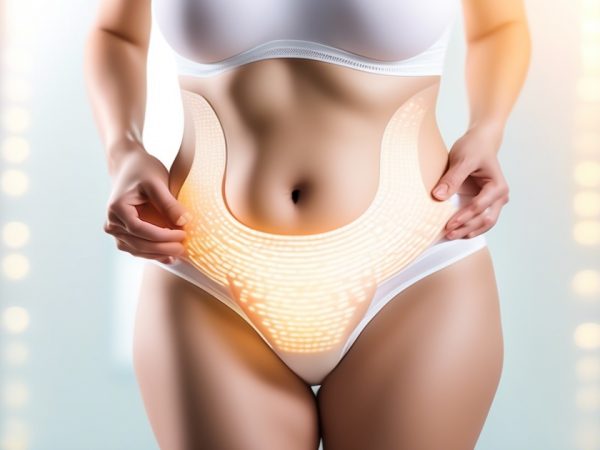
J-Plasma skin tightening is a new skin tightening treatment that applies cold helium plasma energy to revitalize and tighten skin post-lipoedema lipo.
-
Add J-Plasma to liposuction and you can enhance the overall cosmetic outcome — with smoother contours, less skin laxity and a more even result.
-
By focusing on fibrous septae and surface irregularities, J-Plasma helps combat patient confidence-killing post-lipo concerns like lumps and uneven texture.
-
The best candidates for J-Plasma are individuals with excellent skin quality, overall good health and realistic expectations.
-
Detailed consultation, individually tailored treatment plans, and attentive follow-up care are key to ensuring you get the optimal results and lasting satisfaction.
-
Patients should always consult with qualified professionals about their medical history and treatment goals to stay safe and get the most benefit from their J-Plasma procedures.
A lot of us experience that after fat is taken out, skin feels more taut and has less sag — this is typical after lipoedema surgery. J-Plasma uses cold plasma energy under the skin to initiate some tightening sans long cuts or much downtime. Results often appear within weeks, with skin continuing to tighten for months. J-Plasma skin tightening is a favorite of doctors to help tighten the arms, legs, or belly following lipoedema lipo to enhance outcomes. Everyone notices different results and it can take multiple sessions for optimal results. The meat of the post will cover what to expect, safety, and mechanism.
Lipoedema Skin
Lipoedema is a chronic disorder that alters fat and skin function, usually of the legs, hips and occasionally arms. Lipoedema skin likes to store additional fat right below the surface, making the skin soft yet dense. This fat accumulation is not like typical weight gain—it frequently persists despite diet or exercise. The skin stretches, therefore it can become loose or saggy in patches. Swelling, bruising are common because the tissue beneath the skin is delicate. Tiny little bumps can leave marks or hurt. Some observe that the skin becomes dimpled, known as “peau d’orange,” or orange-peel skin. This texture, combined with exposed lumps, can create a lot of concern around appearances and comfort.
Pain is a large component of lipoedema. Skin and tissue can be extremely sensitive – even to light touch. Some experience daily pain, while others only feel it with prolonged standing or a minor trauma. Chronic pain is prevalent, and the skin may experience a sensation of tightness or heaviness. Lipoedema-affected areas may become hard and thickened with time, complicating care and increasing the risk for additional issues. Since the skin is weaker, it can get injured or tear more easily than healthy skin. Even tight clothes or mild pressure can leave marks or cause swelling.
There is a connection between lipoedema and altered lymphatic function. Skin, fat and lymph all interfere with each other, so stagnant fluid can exacerbate swelling. Treating the skin requires care and talent, as rough remedies can cause damage more than healing. Most people treat it just like they treat swelling, using gentle methods, like compression stockings or special massage, to reduce swelling and keep the skin healthy. These measures assist, but progress can be sluggish and requires continuous maintenance.
Below is a table comparing common treatment options for lipoedema skin:
|
Treatment Option |
Effectiveness |
Expected Results |
|---|---|---|
|
Compression Therapy |
Moderate |
Less swelling, helps comfort |
|
Manual Lymphatic Drainage |
Moderate |
Eases pain, reduces swelling |
|
J-Plasma Skin Tightening |
Variable |
May smooth skin, tightens some areas |
|
Liposuction |
High |
Removes fat, may not fix skin issues |
|
Skin Care (topical) |
Low |
Eases dryness, minor relief |
J-Plasma Explained
J-Plasma is a newer technique for skin tightening, post-lipo in cases of lipoedema. The technique utilizes cold helium plasma energy, mixed with radiofrequency, to specifically attack the skin’s deeper layers. By working at this depth, J-Plasma seeks to assist the skin appear smoother, tighter and more youthful without incisions or excising additional skin.
This process is divided into two phases. First, traditional liposuction is performed to eliminate the undesired fat. Then J-Plasma is applied to tighten loose skin that remains. The plasma energy is administered through a small probe under the skin. It heats the tissue in a controlled fashion but cools rapidly, thereby preventing surface burning. This kicks the body into making more collagen, a key protein that keeps skin firm and elastic. As collagen grows, results keep getting better for months after.
J-Plasma is unique in that it can provide up to 40% better results than liposuction alone. Approximately 85% of patients experience significant improvement in their skin’s tightness and smoothness. The perks aren’t just skin-deep—the treatment reaches below the surface to assist in skin renewal. While some notice an immediate difference, the majority of the results develop gradually over the following 3 to 6 months. These results can persist for years, which can bring comfort for individuals in need of a permanent solution.
As with most procedures, swelling, bruising and soreness occur afterwards. These side effects can persist for two to four weeks. Using a compression garment for 4-6 weeks controls swelling and helps the skin shrink back to its new form. While total recovery is one to two weeks, most individuals return to their normal activities within three to five days.
J-Plasma’s primary appeal is that it can provide both instant and long term modifications. J-Plasma, with its ability to simultaneously tighten skin and enhance collagen, tackles the sagging that typically accompanies fat removal, delivering a precious tool in the aftermath of lipoedema treatment.
The Synergistic Effect
The Synergistic Effect of J-Plasma + Liposuction for Post-Lipoedema patients Combining two trusted technologies for a holistic outcome. Which is renowned to assist firmer skin, a more smooth recovery and long-term improvements in body contour. The synergy of liposuction, BBL and J-Plasma can halt sagging and sculpt a sleek, youthful appearance, leaving a significant impact in just one treatment.
-
Eliminates resistant fat and firms sagging skin simultaneously
-
Stimulates collagen resulting in as much as 90% tighter skin.
-
Reduces the risk of requiring additional surgery later on
-
Provides results that begin within one week, and continue to improve for months.
-
Provides a greater level of contentment and natural-looking, defined contours.
1. Tissue Contraction
J-Plasma works by emitting plasma energy beneath the skin, inducing immediate tissue contraction. This immediate tightening is why patients notice an almost instant lift in skin firmness following treatment. This technique combats sagging, typically seen after liposuction, by shrinking the skin to conform to the body’s new contours. Careful application of plasma energy is the trick, as it allows physicians to focus the energy on specific spots for maximum tightening impact. Many patients experience rapid skin tightening and are thrilled with the more even, toned appearance that ensues.
2. Collagen Stimulation
J-Plasma doesn’t just tighten skin in the moment, it triggers the body to create new collagen. Collagen is a precursor to elastic, youthful skin. Post-care, this process continues for months, gradually increasing firmness and texture. Robust collagen remodeling is critical for long-term results, assisting skin in remaining taught and smooth rather than lax or wrinkled. This collagen growth makes the skin feel and look better over time, contributing to patient satisfaction.
3. Fibrous Septae
Fibrous septae – these are connective tissue bands that can cause lipoedema skin to appear bumpy or uneven. J-Plasma addresses these structures, assisting in breaking up difficult bands and smoothing the surface of the skin. Post treatment, the lines and bumps induced by septae can diminish, resulting in a more even contour. Treatment of fibrous septae is the important first step for anyone in search of a shapelier, crisply defined outcome post liposuction and skin tightening.
4. Surface Irregularities
Lumps, dips and uneven skin commonly occur following liposuction. J-Plasma irons out these imperfections by toning and smoothing the skin. Plasma energy enhances texture and promotes a more even appearance. This clean cut makes humans happier with their appearance.
5. Overall Contour
J-Plasma contours the body by firming lax skin post-lipoedema liposuction. This synergistic method enhances your lines and symmetry, therefore the end result is more balanced. Tighter skin translates to a more sculpted, athletic silhouette — which numerous patients desire. Improved contouring can enhance confidence and body image.
Ideal Candidates
The best candidates for J-Plasma skin tightening after lipoedema liposuction have a few things in common. Evaluating skin quality, health status and realistic goals is crucial for optimal results. The table below outlines core characteristics:
|
Characteristic |
Description |
|---|---|
|
Age Range |
Typically 30–65 years |
|
Skin Laxity |
Mild to moderate laxity, not excessively loose |
|
Skin Quality |
Good elasticity, not severely damaged |
|
Health Status |
Generally healthy, no uncontrolled medical issues |
|
Expectations |
Realistic, understands likely outcomes |
|
Medical History |
No contraindicated conditions or medications |
|
Weight Stability |
Maintained stable weight post-lipoedema lipo |
|
Consultation |
Evaluated and cleared by a qualified professional |
Lipoedema Stage
Lipoedema stage plays a huge part in J-Plasma candidacy. When we think about skin tightening, the earlier stages are typically better candidates as they tend to have less skin laxity. Later stages display more obvious skin laxity and fibrotic tissue which can affect J-Plasma efficiency.
Tailoring treatment plans based on the progression of lipoedema is crucial. Not every patient will benefit equally. Those with advanced lipoedema may need a different approach or a combined therapy. A thorough evaluation of lipoedema severity before recommending J-Plasma ensures that treatment plans align with the patient’s needs and expected results.
Skin Quality
-
Skin elasticity: Firmer, more elastic skin responds better.
-
Texture: Smoother skin improves tightness outcomes.
-
Thickness: Thicker skin often fares better than thin, fragile skin.
-
Scarring: Areas with fewer scars generally respond more predictably.
Examining skin quality is a fundamental step prior to suggesting J-Plasma. Understanding a patient’s skin type and history – such as stretch marks, sun damage or prior scarring – can set realistic expectations and guide the best approach for each patient.
Patient Health
-
Get chronic illnesses (i.e. diabetes and heart disease) under control ahead of time.
-
Keep body weight stable and avoid major fluctuations.
-
Disclose all medications, supplements, and prior treatments.
-
Maintain healthy habits: balanced eating, exercise, and avoid smoking.
Controlling medical conditions is important for both safety and recovery. Healthy habits can assist in skin recovery and the success of J-Plasma. Complete medical disclosure at consultation is imperative to avoid risk and to achieve optimal outcomes.
Realistic Expectations
J-Plasma results will vary. For some, certain areas may experience significant firming, for others, just slight improvements.
Patients need clear, realistic goals to avoid disappointment.
Detailed discussions bring together what’s feasible with what everyone wishes for.
The Patient Journey
How Intuitive’s Patients Take Their Journey Considering J-Plasma Skin Tightening after Lipoedema Liposuction! All three stages are essential for safety, satisfaction, and the best results.
-
Initial consultation with a qualified provider
-
Comprehensive review of medical history and treatment goals
-
Visual assessment and candid conversation about expectations
-
Procedure day: preparation, anesthesia, and technique explained
-
Post-treatment recovery guidance and monitoring
-
Ongoing support, follow-up care, and long-term maintenance
Consultation
A good consultation establishes the foundation for the entire journey. Here, the patient reviews his complete medical history and talks about any surgeries, allergies or conditions. The surgeon hears the patient’s objectives, say tighter skin or better contour post lipoedema lipo. A visual evaluation assists in determining what areas require the greatest attention and if J-Plasma is a suitable option. Patients should ask questions, voice concerns and clarify expectations. Honest communication creates trust and facilitates customization, assisting patient and provider to establish expectations.
Procedure
J-Plasma skin tightening is a minimally invasive procedure that delivers cold plasma energy beneath the skin. Patients are typically administered local or tumescent anesthesia for ease and comfort. The doctor makes incisions, inserts a thin wand and treats the zones. It usually takes an hour or two. Numerous patients observe skin tightening immediately, albeit swelling and numbness are typical initially. The minimally invasive approach generally translates to less scarring and quicker recovery kick-offs. Anesthesia choices are still very much on the table when it comes to pre-op chats.
Recovery
Generally, patients sleep for three to five days – and it’s crucial to recovery. No heavy lifting or intense activity for two weeks. Compression garments provide skin support and aid with swelling that can linger for days, or even weeks. Numbness or tingling is common but dissipates quickly. Although most everyone is better in a week, it can take as long as 6 months to recover. Daily moisturizing and adequate hydration keep the skin pliable and hydrate the healing process.
Long-Term
J-Plasma encourages collagen growth, so skin continues to improve for months. Hydration and sun protection are key for results that stick around. The majority of patients experience advantages for 3 to 8 years, varying on age and skin type. Better skin quality is almost always a great self-esteem booster.
A Surgeon’s Perspective
Surgeons believe that J-Plasma is a game changer for lipoedema patients. It’s a less invasive option that aids in skin tightening post-liposuction, particularly when there is residual loose skin. Unlike a tummy tuck, which requires substantial incisions and lengthy recuperation, J-Plasma utilizes a tiny probe beneath the skin. This means less scarring and faster healing. Surgeons frequently combine J-Plasma with liposuction to eliminate resilient fat and tighten skin in a single treatment. It’s not a solution to muscle separations—that remains the domain of a tummy tuck—but it’s great at reducing and toning the skin.
Several surgeons will highlight that the true power of J-Plasma is its impact on the skin’s appearance and texture. The treatment employs cold plasma energy to stimulate collagen, so patients experience immediate skin tightness and additional improvements over several months. For instance, some of our patients achieve up to 80% tightening, which is huge for those battling sagging post-lipoedema surgery. Surgeons find J-Plasma is effective on several different parts of the body, such as the arms, thighs and abdomen, making it a versatile instrument for body contouring.
How surgeons perform these operations matters, as well. They could recommend a compression garment for 4-6 weeks to control swelling and assist the skin as it retracts. Everyone experiences some swelling and soreness afterwards, but these are easy to manage with medication. Most patients resume normal activities within a week or two — far faster than with conventional surgery.
Patient education is the secret for achieving real results. Surgeons discuss what J-Plasma could and couldn’t do. They talk about how it’s ideal for loose skin, and doesn’t repair muscle, and that results can continue to improve for months. As new treatments are released, surgeons continue to educate themselves and combine old and new options to assist patients in achieving their goals with less risk and less downtime.
Conclusion
J-plasma skin tightening can provide real relief post-lipoedema lipo. It can make loose skin or skin caused by weight loss feel firm and provide a smoother appearance. Doctors observe fewer lumps and less sag. They tend to like the improved contour and texture of their legs or arms. Not everyone is going to get the same result, so it’s critical to talk with an experienced doctor. Not to mention a lot of patients report walking easier and feeling more comfortable in their clothes. J-plasma is a powerful option for skin in need of a lift after lipoedema surgery. For anyone interested to see if that fits their needs, book a consult with a doctor who knows both lipoedema and J-plasma. Find out before you try it!
Frequently Asked Questions
What is J-Plasma skin tightening?
J‑Plasma uses cold plasma energy to both tighten and rejuvenate skin. It’s a minimally invasive procedure frequently employed post-lipo to help tighten skin.
Does J-Plasma help with loose skin after lipoedema liposuction?
Yes, J-Plasma does tighten loose skin after lipoedema lipo. It promotes skin tightening and can optimize results for numerous patients.
Is J-Plasma safe for those with lipoedema?
J-Plasma is safe, especially in the hands of an experienced surgeon. That’s for a consultation to discuss on an individual basis.
How soon after lipoedema lipo can I get J-Plasma?
Most surgeons advise to wait until early healing is over, typically several weeks. How soon exactly varies based on your recovery and surgeon’s recommendation.
What are the benefits of combining J-Plasma with lipoedema lipo?
J-Plasma + lipoedema lipo = skin tightening, less sagging and better contour. This can provide smoother, more satisfying results.
Are there risks or side effects with J-Plasma skin tightening?
Some side effects are swelling, bruising, and temporary discomfort. Major complications are uncommon in experienced hands.
Who is an ideal candidate for J-Plasma skin tightening after lipoedema lipo?
The best candidates are those who have mild to moderate skin laxity following lipoedema lipo, are in good health and have realistic expectations.