Key Takeaways
-
Hot weather can increase inflammation and fluid retention in lipedema, making symptoms harder to control.
-
Cooling from ice packs to cool environments is really helpful in managing swelling and discomfort.
-
By ensuring you stay hydrated with water and hydrating foods and by adhering to an anti-inflammatory diet, you’re setting yourself up for better symptom control.
-
Donning breathable compression crafted with lightweight fabrics will feel good and will combat swelling in the heat.
-
Light activity like swimming or stretching and frequent breaks help encourage lymphatic flow and reduce discomfort.
-
Building emotional support networks and self-care is important for managing the mental and social toll of lipedema flares during summer.
Hot weather lipedema flare management refers to taking measures to relieve swelling, pain, and tightness during the warmer months. Heat can exacerbate lipedema, so relief is essential.
By staying cool, keeping your skin dry, and wearing loose clothes, you can reduce the pain. Others discover light movement and elevated legs helpful as well.
Some simple daily habits might help you curb flares and make those summer days less tough. Then, customize and test which ways work best for your daily necessities.
Understanding Heat’s Effect
Hot weather presents its own challenges for those of us with lipedema. Heat tends to aggravate symptoms. Pain, swelling, and skin discomfort all escalate when the weather is warm. There are a number of other ways the body reacts to heat that can ignite or intensify flares, such as increased inflammation, fluid retention, and vasodilation.
These symptoms can significantly complicate the management of lipedema in summer, frequently impeding general comfort and mobility.
Increased Inflammation
Heat can exacerbate inflammation, particularly in limbs already impacted by lipedema. Redness, pain, and tenderness are common signs that intensify with additional heat exposure. Others experience the skin feeling warmer or looking flushed after just an hour or two outdoors.
This inflammation can become widespread and increase your pain, making it difficult to move or even sleep comfortably. Cold packs or cool cloths on swollen areas can help reduce inflammation. A cool—not cold—shower in the evening frequently calms angry skin and lessens flare-ups.
It aids in monitoring for alterations in pain and swelling. Others keep daily symptom logs to identify trends and learn if particular temperatures or activities exacerbate their condition. Inflammation is not localized to the affected limbs. It can wreak havoc on your health overall.
Summer can make your child feel lethargic or sick, so it’s important to address flare ups early and stay away from triggers when you can.
Fluid Retention
In hot weather, fluid accumulates more rapidly in the legs and arms. Adequate water intake each day is crucial to help the body achieve fluid balance. They’re diuretics. The foods, such as cucumbers or watermelon, and the drinks, like herbal tea, assist the body in shedding excess water.
Maintaining a log of swelling, diet, and time in heat allows individuals to identify what induces acute fluctuations. Fast swelling occurs in a matter of a few hours if you’re outside. Others feel their legs get heavy or tight in the afternoon or evening.
Recording these shifts assists with chronic control. Compression garments can assist. They’re more difficult to wear in heat. Getting them on before swelling takes hold works better than waiting until later.
Here are some common compression therapy options:
|
Compression Type |
Description |
Notes |
|---|---|---|
|
Compression stockings |
Graduated leg support |
Wear early in the day |
|
Compression wraps |
Adjustable bandages |
Good for variable swelling |
|
Custom garments |
Tailored fit |
Best for severe or uneven swelling |
Vasodilation
Heat causes blood vessels to vasodilate which allows more blood and fluid to get into the tissues. This is a normal body response for lipedema folk that typically translates to increased swelling and pain. Swollen tissue can become taut and skin may be more sensitive or tender to the touch.
Cold compresses or ice packs can offset this by constricting blood vessels and decreasing inflammation. Cooling breaks in cool, dry spaces help restrict heat exposure to the legs. Staying in the house or in the shade, particularly from noon to 4 p.m., prevents symptoms from becoming more severe.
Knowing how the body shifts when it’s hot aids with scheduling your day. Little things such as laying with your legs elevated above the heart for 20 to 30 minutes in the evening shift fluid back toward the torso and minimize swelling overnight.
Proactive Summer Strategies
Handling lipedema in the heat of summer requires foresight and action to control symptoms. Summer can cause even more swelling, heaviness, and pain, so it contributes to using various methods of keeping cool and comfortable. Most discover that a combination of cooling, hydration, nutrition, proper clothing, and exercise yields the best results.
Go in prepared. Check the weather, pack cooling tools, and plan breaks out of the sun. Advice and support-sharing in lipedema groups can help all of us find what works.
1. Cooling Therapies
Cold showers, ice packs and cooling gels can help calm the skin and relieve pain. Menthol creams could soothe irritated skin, particularly after sun or heat exposure. A spritzer bottle of cold water can cool off skin on the move, and it’s convenient to carry.
Others employ cold compresses under airy clothes to reduce body temperature, particularly while traveling or attending outdoor activities. Lymphatic drainage massage is another approach to assist in moving fluid and reduce swelling. This comforting method can be performed by a professional practitioner or picked up at home.
A gentle massage a few times a week could provide relief and comfort during heat waves.
2. Smart Hydration
Make sure you drink a minimum of 2 to 3 liters of water daily. This will help keep your lymph system flowing and prevent bloating. Watermelon, cucumber, and celery are packed with water and can be incorporated into meals or snacks.
Monitor urine color. Pale yellow is a good sign that you are well hydrated. Dark yellow means to add some water! Don’t overdo caffeine or alcohol. They can dehydrate you and exacerbate symptoms.
Having a water bottle nearby is a simple way to remind yourself to sip regularly.
3. Anti-Inflammatory Diet
Consume more fruits, vegetables and anti-inflammatory rich fats like olive oil and fatty fish to combat swelling. Reduce processed food and sugar because these can cause more inflammation. Omega-3 foods, such as salmon, flaxseed or walnuts, might reduce flare-ups for a few individuals.
A food diary can identify which foods alleviate or exacerbate your symptoms. This allows you to easily identify trends and tweak your eating for improved days.
4. Breathable Compression
Put on some toasty hot compression gear designed for summer. A good fit is important; too tight or too loose won’t assist swelling. Switch between pairs to stay clean and dry. This keeps your skin happy.
Go for lighter, wicking fabrics for less heat around the limbs. Toggle styles as necessary—knee-highs, sleeves, or full tights—until you discover what best suits your day-to-day and your climate.
5. Gentle Movement
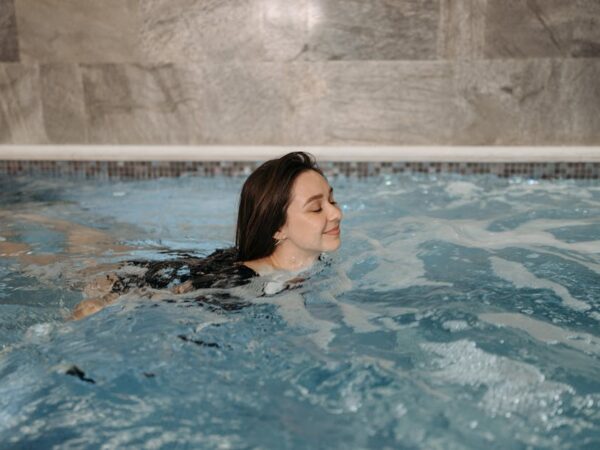
Swimming or water aerobics are ideal workouts for keeping active and cool. They’re easy on joints and get lymph fluid moving. Walking inside or in shaded parks is an alternative if you escape the hours of maximum heat from 11 to 16.
Lipedema-specific stretching, yoga or Pilates routines can relieve stiffness and increase mobility. Schedule mini breaks to get up and move and prop your legs for 15 to 20 minutes several times a day to counteract fluid retention.
Beyond The Basics
Taking care of lipedema in the hot weather requires more than the basics. Heat and humidity tend to exacerbate swelling, tightness, and discomfort, primarily by causing blood vessels to dilate and retain fluid. Most of us experience our symptoms shift throughout the day, with legs feeling heavier or more swollen by night.
A broad strategy combining medical, natural, and novel treatments can make day-to-day living easier during the summer months.
Topical Solutions
Making your skin feel good during flares can be a game-changer. Anti-inflammatory cream, usually with calendula or aloe, can soothe redness and relieve itching on sensitive skin. A lot of users swear by tea tree oil, renowned globally for its anti-microbial effect.
A few drops mixed into lotion can help soothe irritation. MOISTURIZING KEY Dry skin cracks, so a thick lotion applied immediately after a bath traps moisture and avoids additional issues. Other brands even make balms specifically for lipedema sufferers, incorporating additional elements like menthol or herbal oils for a cooling sensation.
These may not suit everyone, but offering options in everyday care is key.
Lymphatic Support
Lipedema causes fluid retention, so lymphatic support is key, particularly in warm weather. Manual lymphatic drainage, a soft massage technique, can alleviate swelling and assist in unblocking fluid. Ongoing months of visits to a certified lymphedema therapist can be included in a plan.
At home, foam rollers and massage balls are no-brainers that countless individuals employ to release knots and assist lymphatic flow. Staying on top of medical visits allows providers to monitor lymphatic health and fine-tune treatments when necessary.
It’s tricky to wear compression in hot weather. Others wear them early in the day when legs are less swollen and the air is cooler. Spritzing ice water on your clothes or cranking up the fans and air conditioning inside brings relief.
Cool showers at night and elevating legs above your heart for 30 minutes might keep swelling down while you sleep.
Medical Consultation
Maintenance counts. Routine appointments with a provider monitor how your symptoms change with the seasons. Talking about new symptoms, like sudden tightness, pain, or changes below the knees, allows doctors to tweak care plans or medications for the summer.
Open, honest conversations facilitate discovery of what works and what doesn’t and may involve exploring surgical options if conservative approaches prove lacking.
A clean diet, heavy on water-laden foods such as fruit and crisp vegetables, promotes overall symptom control. Easier meals and water, while simple, work. Sleeping on cool sheets and staying inside at the height of the heat tame flare-ups.
|
Emerging Treatments for Lipedema Management |
|---|
|
Advanced lymphatic devices |
|
Low-level laser therapy |
|
Specialized compression technologies |
|
Enzyme-based injections |
|
Microvascular surgery techniques |
The Emotional Weight
Handling lipedema in the heat is about more than the physical. The emotional toll is just as hard. Summer flare-ups just exacerbate symptoms, such as additional heaviness and tightness in the legs, which can be incredibly frustrating and distressing.
A lot of people feel like their momentum is crushed when a ‘good day’ in winter becomes a ‘bad day’ in summer. The state is not deteriorating permanently, but it can seem like it when the pain hits its crescendo. Summer has less clothes to conceal areas of damage, which can increase anxiety and self-consciousness.
There’s the emotional weight of having to wear compression garments, even when it’s hot. Staying cool with fans or AC and wearing compression in the morning can help, but the emotional weight is real.
Body Image
Constructing a wholesome body image is crucial if you have lipedema. This emphasis on capability over appearance helps shift the mindset. Strengths, accomplishments, or even small daily victories can be a source of pride.
Support groups or online communities provide somewhere to share stories, exchange tips, and get encouragement. It can be incredibly powerful to read about other people’s struggles and wins and feel less isolated. Connecting with real kindred spirits creates community.
We all have those ugly thoughts about ourselves. Treating yourself with self-compassion, as in talking to yourself kindly instead of critically, disrupts the cycle. It makes a difference to challenge these thoughts and replace them with more balanced ones.
There’s an emotional weight to picking out summer clothes that make you feel good and comfortable. Flowing, airy materials and fresh hues are choices that a lot of people feel buoyed by.
Social Isolation
Those with lipedema can pull back from social life, particularly in the warm months. Connecting with friends and family for indoor or outdoor activities can help combat this. Even a quick chat or walk can help.
Planning outings that accommodate your needs, choosing venues with shade or seating, for example, takes some of the scariness out of socializing. Open communication with your family and friends creates empathy and provides a foundation of support.
Don’t underestimate local or virtual support groups. They can fill in the blanks when your friends and family don’t understand. They know what you’re going through and give you a place to blow off some steam or seek advice.

Mental Fatigue
Self-care when it counts — summer flares. Taking some time to relax, read, or indulge in a hobby can help refresh. Calming breaths or meditation can ease anxiety or tension. Just a few minutes a day can be sufficient to reduce stress.
My small summer goal system helps overcome this overwhelm by setting goals for realistic chunks of summer activities. Breaking things up and generally giving yourself permission to say no helps manage mental fatigue.
Drinking plenty of water and avoiding a horrible diet supports both body and mind by reducing inflammation.
Adapting Your Wardrobe
Tackling lipedema flare-ups during the summer requires mindfully approaching your daily wardrobe. Summer means more sun and heat, so most folks grab lighter, shorter attire. For those with lipedema, that introduces new challenges. The right wardrobe can aid comfort, skin health, and self-confidence during flare season.
Consider these clothing options:
-
Oversized tee or tunic dresses and billowing skirts, particularly of the maxi or midi variety.
-
Light tops with wide sleeves or sleeveless cuts.
-
Wide-leg pants, culottes, or soft drawstring joggers.
-
Stretch denim with at least 5% spandex and a straight-leg cut.
-
Long, button-up shirts for layering and easy airflow.
-
Loose, wicking fabrics such as cotton, bamboo, or technical blends.
-
Simple slip-on shoes or sandals with adjustable straps.
Loose-fitting styles increase airflow and reduce friction. This can reduce the likelihood of skin rashes, acute sun, and heat-related ailments. Light fabrics such as cotton or bamboo are soft-feeling and allow the skin to breathe. Moisture-wicking blends assist in pulling sweat away from you, keeping you dry.
Steer clear of heavy, stiff fabrics that either trap heat or rub on sore spots. Long, flowy dresses and skirts are ideal for covering your legs while still allowing air to circulate. Maxi and midi cuts flatter most shapes and provide a timeless aesthetic. These clothes are functional and fashionable, so you don’t have to sacrifice.
Stretchy or adjustable waistbands provide a better fit throughout the day. Swelling can move, making this crucial for all-day comfort. Soft joggers, wide-leg pants, and elastic skirts are all great options. When selecting jeans, seek out options that incorporate 5% or more spandex.
These are more flexible and won’t pinch swollen regions. A straight leg cut is best since it won’t squeeze your calves like skinny jeans do. Stay away from capris, cropped pants, and petal pushers. They finish at the thickest part of the leg, which can cause swelling to pop and feel constricting.
Layering is good for summer. A loose button-up can protect your skin and keep you cool. Using multiple pairs rotates through them, which keeps them cleaner, especially when you sweat more. This easy habit can keep you safe from skin infections and increase your comfort.
Accessories count, too! A wide-brimmed hat protects your face and neck from severe sun. Sunglasses protect your eyes, and a lightweight scarf can be convenient for additional coverage if you desire. These small touches keep you sun-safe and complete your look.
A Sustainable Approach
A sustainable approach to hot weather lipedema flare management means making choices that last and fit daily life. These health-forward decisions help keep inflammation, pain, and discomfort at bay during the steamiest months. Most readers seek practical, sustainable actions that can flow within a hectic schedule and diverse environments.
Committing to smart, lasting lifestyle habits is the name of the game for anyone with lipedema. Hydration is all that matters in the heat. Hydrate by drinking 8 to 12 glasses of water a day. It aids the lymphatic system in moving fluid and reduces bloating. Eating hydrating foods like watermelon, cucumber, and celery contributes additional fluids and nutrients.
These foods are convenient to access and pair well in meals or as snacks. Easy meal swaps, such as replacing processed foods with whole grains, lean proteins, and fruits, can go a long way to keeping inflammation and swelling down. Minimizing processed, salty, or sugary foods helps your body retain less water, making flares less brutal.
Green products can be a part of a sustainable plan. By making conscious material choices, many compression garment brands now utilize recycled fibers and skin-safe dyes. These seamless or skin-tone pieces are designed to be worn with summer clothes, allowing individuals to feel comfortable and confident.
Wearing compression wear for a couple hours in the evening can reduce swelling and pain without retaining heat during the middle of the day. These choices are waste-minimizing and skin-saving, which is crucial for those who suffer from sensitive skin or allergies.
Physical habits count as much as food and fashion. Easy walks of 20 to 30 minutes in the morning or evening, when the sun is less intense, assist with lymph flow and don’t risk overheating. When walking isn’t feasible, elevating the legs for 15 to 20 minutes two or three times a day can alleviate swelling and heaviness.
Water-based activities, such as swimming or pool workouts, provide an additional opportunity to stay cool while engaging in physical activity. Water supports the body, making exercise easier on joints and less painful. These activities are convenient and require no expert training or special equipment, so they’re simple to begin and maintain.
Regular treatment helps keep symptoms under control. If you schedule lymphatic massage or manual drainage weekly or every other week, it can reduce pain and swelling long term. These body sessions, performed by trained therapists, encourage enhanced circulation and can potentially stave off flares.
Increasing awareness and advocating for additional lipedema research is progress toward improved treatment universally. Whether it’s sharing facts, joining support groups, or talking to health professionals, every action helps build a stronger voice for those living with lipedema. This can lead to more funding, better treatment options, and reduced stigma.
Conclusion
How to stay cool this summer – hot weather lipedema flare management Loose clothes and light shoes keep skin joyful. Short walks in the early morning or late at night escape the intense sun. Big fans or a splash of water can cool down fast. A few find soft wraps or light compression easy to throw on in the heat. Adding in pauses, slow steps, and a prioritization of ease can help each day flow. Swapping tips with friends or online groups builds community. Every little bit counts. For additional assistance or fresh inspiration, consult a health professional. Stay inquisitive, experiment with what resonates, and share the wealth. A little tweak here and there can brighten summer’s days for countless folks.
Frequently Asked Questions
How does hot weather affect lipedema symptoms?
Hot weather can exacerbate swelling and pain in lipedema. Heat makes blood vessels dilate and puts more fluid in the affected areas. This can cause increased pain and heaviness in the legs or arms.
What are quick ways to reduce swelling during a heatwave?
Hydrate, apply cool compresses and elevate your legs when possible. Compression garments combined with avoiding sun exposure for longer than ten minutes helped me manage the swelling on these hot days.
Can certain foods help manage lipedema flares in summer?
Yes, consuming low salt foods and those high in water content, such as fruits and vegetables, encourages hydration and can help prevent fluid retention, decreasing the likelihood of flares.
Are there specific clothing tips for lipedema in hot weather?
Select loose, breathable apparel and moisture-wicking fabrics. Summer compression garments assist with flare management and are SWELLEGANTLY comfortable!
How can I stay active without triggering a flare in the heat?
Work out at cooler periods of the day – early morning or evening. Opt for low-impact activities such as swimming, which keeps your body cool and encourages lymphatic flow.
What emotional challenges can arise with lipedema in summer?
Many of you feel self-conscious or frustrated by visible swelling or clothing limitations. Reaching out to others with lipedema and taking care of yourself can aid in managing these emotions.
Is it safe to use cooling gels or sprays for lipedema relief?
Most cooling gels and sprays are safe, but as with any topical treatment, always double-check ingredients for skin sensitivity. Talk to your doctor before experimenting with new products, particularly if you have allergies or skin conditions.