
Key Takeaways
-
With early diagnosis and a personalized care plan, manage joint pain and slow lipedema progression. So see a specialist for evaluation and customized treatment.
-
Consistent low-impact physical exercise and therapy help maintain and improve joint function and mobility. Walking, swimming, and controlled strength work are good examples.
-
Swelling and discomfort can be alleviated with compression garments and limb care. Find out proper sizing and wear schedules from a clinician.
-
Weight management and anti-inflammatory diet choices support joint health and symptom control. They emphasize balanced meals and gradual, sustainable changes.
-
Pain can be managed with a combination of medications, topical treatments, and nonpharmacologic approaches such as heat, ice, and relaxation techniques when utilized with medical assistance.
-
Pursue multidisciplinary support from physical therapists, lipedema specialists, and mental health practitioners to manage your physical symptoms and quality of life.
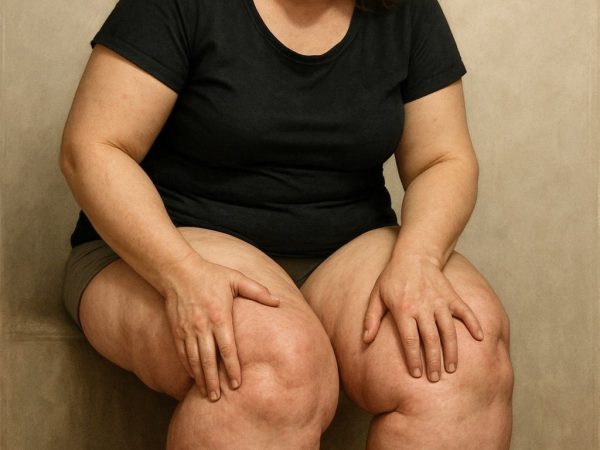
Managing joint pain lipedema is a technique to relieve pain and enhance mobility for individuals with lipedema. It consists of manual lymphatic drainage, compression garments, specialized low-impact exercise, and weight-aware care to relieve joint pressure.
Pain management addresses anti-inflammatory strategies and focused physical therapy for balance and strength. The aim is consistent symptom relief and improved day-to-day function, detailed further below.
Conclusion
Getting a hold on lipedema joint pain requires consistent, deliberate action. Begin with a care plan that connects gentle exercise, weight support, and skin and lymph care. Go for low-impact moves such as walking, water exercise, or short bike rides. Apply properly fitting compression and examine for any skin problems frequently. Follow pain and function with basic notes or an app. Work with a team: a GP, a physio, and a lymph specialist. Test local pain alternatives initially, then pursue procedures only after others have not succeeded. Tiny, consistent changes accumulate. For instance, replacing long runs with three 20-minute pool sessions a week can reduce pain and increase mood. Need assistance establishing a plan? Schedule a consultation with your care team today.
Frequently Asked Questions
What causes joint pain in people with lipedema?
Joint pain can result from surplus weight and disproportionate fat deposits. This puts extra pressure on joints and changes the way you move. Inflammation and immobility can play a role.
How can compression therapy help joint pain?
Compression alleviates swelling and enhances circulation. This alleviates joint pressure and can boost mobility comfort by wearing it with an appropriate fit along with clinical direction.
Which exercises are safe to reduce joint pain with lipedema?
Low-impact activities such as walking, swimming, cycling, and water aerobics are safe. They build up muscles surrounding joints and increase mobility without putting too much stress on the joints.
Can weight management reduce joint pain from lipedema?
Yes. Slow weight loss via nutrition and low-impact exercise reduces joint load and ameliorates pain. Collaborate with your health providers to create a customized, sustainable plan.
When should I see a clinician about joint pain?
Consult a clinician if pain restricts daytime activities, is escalating or follows swelling, redness or fever. Early evaluation not only assists in eliminating alternative sources but directs specific healing.
Are pain medications effective for lipedema-related joint pain?
Short-term OTC pain medication can assist. Long-term use should be overseen by a clinician. Address the underlying factors, such as swelling and mobility, for full effectiveness.
Can physical therapy improve joint pain and function?
Yes. Physical therapists can provide customized exercise, movement retraining, and manual therapy. This minimizes pain, enhances function, and prevents additional joint stress.