
Key Takeaways
-
How large and visible your scar(s) are after lipedema lipo depends on the size and location of the incisions, the surgical technique, and your individual healing factors.
-
Recovery comes in stages and scars tend to be red and raised initially. They fade and flatten with time.
-
Regular scar care in the form of silicone therapy, gentle massage, and strict sun protection is essential to help minimize scars and promote optimal healing.
-
Lipedema can make tissues more fragile and healing delayed, so adjusting care and seeking guidance is key.
-
Advanced treatments like laser therapy, microneedling, and medical-grade topicals can improve scar care when advised by experts.
-
Emotional care and support networks are important for managing body image shifts and the emotional effect of scars.
Scar care after lipedema lipo refers to caring for the skin and tissue post liposuction for lipedema.
We hear that folks swear by gentle cleansing, silicone gel, and mild massage to aid healing and minimize scarring. Sun care and loose clothes help scars fade.
Each scar starts in its own time, and some scars tend to morph in shape or even color as skin improves.
The bulk below, however, offers tips and options for scar care.
Scar Expectations
Post-lipedema liposuction scars can appear distinct for all individuals. They rely on surgical technique, where the incision is placed, and your personal skin healing mechanism. Most scars are tiny and fade, becoming practically invisible after a few months. Knowing what to expect allows you to manage your scars and prepare for the long term.
Incision Size
About scar expectations
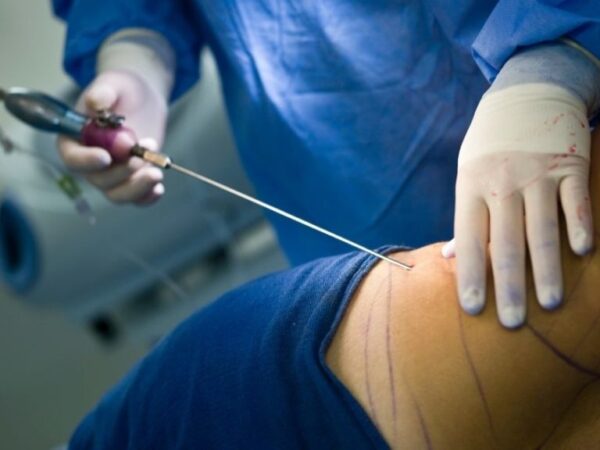
5.1. Incision size is a main factor in scar visibility post-liposuction. Lipo scars are rarely an issue because most liposuction incisions are small, typically just 3 to 5 mm in length, or less than half a centimeter. Sometimes they’re even shorter. A good surgeon will use miniaturized tools and meticulous technique to keep incisions as small as possible.
Smaller incisions almost always mean less visible scars once healed. How your skin heals makes a difference. For some, scars quickly fade and melt into the skin. Others will have the scars left hanging around a little longer. The surgeon’s technique, your skin, and your body all factor into the final appearance of your scars.
For the majority, they’re flat and begin pink, then fade to skin tone.
Incision Location
Incision placement can play a big role in scar care and outcome. We surgeons will sometimes conceal our incisions in natural creases or folds of the skin, underwear lines, or even the belly button itself. Typical locations are around bikini or underwear lines, in the inframammary fold, or navel.
Proper placement keeps scars hidden and easier to deal with in the future. Discussing these locations with your surgeon pre-surgery matters. Certain locations heal better or don’t display scars as much, so it’s wise to strategize in advance.
Incision location impacts both scar appearance and your care. Hiding incisions in creases reduces their risk of sun exposure, making them heal and fade faster.
Initial Appearance
|
Characteristic |
Description |
|---|---|
|
Color |
Light pink, red, or slightly purple |
|
Texture |
Flat or slightly raised |
|
Sensitivity |
Mildly sensitive for a few days, then not sensitive |
|
Size |
3–5 mm, often less than half an inch |
|
Swelling |
Common for the first few weeks |
Immediately following the procedure, scars are a dead giveaway. They can appear raised, red, or even a bit swollen. This is typical and typically dies down soon. Swelling decreases significantly by six to eight weeks, but scars continue to evolve for months.
It’s normal for color and shape to change as your body mends. As time passes, scars flatten and fade, often so much they’re difficult to locate. One patient told us that her boyfriend couldn’t even find her incision site six months post-op.
The Healing Timeline
The scar healing post lipedema lipo has a timeline, yet everyone’s is different with some results varying from patient to patient. Key phases define the process, each with unique characteristics and care requirements. Following the healing timeline and modifying care routines provide assistance to optimal results.
Initial Phase (A few days to two weeks)
This initial phase begins immediately post-surgery and extends to approximately two weeks. Swelling and redness have reached a crescendo. Bruising is common and will often camouflage the early outcome, making the region appear more swollen than it will later.
Numbness can set in, particularly toward the inner thighs, which can linger a month or more. Appropriate wound care is important during this time. Gentle cleaning and being dry prevents infection.
Be on the lookout for symptoms such as increased pain, warmth, pus, or fever, as these could indicate an infection requiring immediate medical care. The swelling and bruising begin to diminish as you get closer to the two-week mark, but it can be very slow.
Proliferation Phase (Several weeks)
New tissue has formed and collagen production is ramping up. This can last weeks. The scar can appear raised or pink and the skin may feel firm or hard.
Gentle massage and scar care creams, with ingredients like silicone, can accelerate healing and keep the tissue soft. Collagen aids skin reconstruction but may thicken or bump scars into hypertrophic scars.
If you see the scar getting thick, consult your doctor soon. Some use silicone sheets or gels to help control this and these are readily available. Resist the temptation to pick scabs, which can exacerbate scars.
Maturation Phase (Months to years)
This final phase is the most protracted. It can range from months to a year or more. Scars flatten, fade, and become less visible. Your skin can gradually return to its normal color and sensation; however, some numbness can persist for months.
Long-term care, like silicone and moisturizers, makes a difference. PROTECT FROM THE SUN. Sunlight can cause healing scars to become discolored.
If a scar isn’t getting better or looks abnormal, reach out to your surgeon to talk about options such as steroid injections or laser therapy. Complete outcomes from lipedema lipo, featuring the most durable shapes, tend to manifest between six and twelve months.
Long-Term Care
Continue a regimen of silicone sheets or gels and gentle massage. Sun protection is still important even once scars appear mature.
Follow-up visits with your surgeon help track healing, address concerns, and allow for adjustments in scar care. If scars are raised or dark, inquire about treatments that correspond to your skin type and healing pattern.
Essential Care Techniques
Lipedema lipo scar care requires a combination of daily routine, evidence-based therapies, and continued vigilance. There are a few easy things that, if you do them properly, can make scars heal better and appear less conspicuous as time goes on. Regular application of excellent methods and minor lifestyle adjustments can work wonders for the majority of individuals.
Some essential care techniques include:
-
Gently wash scars with mild soap and water every day.
-
Wear compression garments to manage swelling and support healing.
-
Hydrate well, approximately two liters a day, to assist your body to recuperate.
-
Perform light lymphatic drainage movements, such as ankle circles, to reduce swelling.
-
Keep your legs elevated above heart level whenever you can.
-
Wear SPF 30 or higher and reapply every 2 hours.
-
Stick to prescribed meds as your doctor says.
-
Visit your caregiver for routine checkups and tips.
-
Use silicone therapy and scar massage for improved scar outcomes.
-
Live right, eat right, and don’t smoke.
Silicone Therapy
Silicone therapy is the number one scar care pick for lipedema lipo. Silicone sheets or gels applied to scars are proven to aid in their flattening and smoothing. The silicone hydrates the area and regulates collagen production by the skin, which can prevent raised and thick scars.
Be diligent—use these products daily, not just when you think of it. Most folks maintain the sheet or gel for a minimum of 12 hours a day. Check with your surgeon on what brand or type to use, since some might be better for your skin than others. Silicone therapy is safe for the majority of skin types, and it has minimal side effects, which is why it has become a postoperative go-to.
Scar Massage
Scar massage can make your skin feel more supple and prevent the scar from becoming stiff. Make sure your wound is closed before you begin and always listen to your surgeon. When you first start, use two fingers and make small, gentle circular motions on and around the scar.
It shouldn’t hurt. If it does, stop and consult your doctor. Doing this for a few minutes a couple of times a day can break up hard scar tissue and make the skin more pliable. As time passes, you might observe the scar appears less raised and feels closer in texture to your normal skin.
Sun Protection
Scarred skin can darken or change color when exposed to sunlight. Wear a broad-spectrum sunscreen of SPF 30 or higher applied every two hours or more if you’re sweating or swimming. Protect scars with loose clothing or shade when outdoors.
Sun protection is not just for sunny days; UV rays reach the skin when it’s cloudy as well. By keeping scars out of the sun, you are helping them stay lighter longer and eventually blend in even better.
Lipedema’s Influence
Lipedema is a progressive disease that causes abnormal fat buildup, primarily in the legs, which can lead to pain, swelling and limited mobility. A chronic disorder that can worsen if left unmanaged, it impacts daily life for a multitude of people. Lipedema doesn’t just impact the body, it impacts the soul. Obtaining a diagnosis and initiating treatment is frequently a relief.
Liposuction is one of the primary treatments, aiding in symptom reduction and occasionally making other management strategies more effective. Even with surgery, however, lipedema dictates how scars shape and heal. Knowing how this disease alters recovery informs patients and care teams on better scar care decisions.
Tissue Fragility
Lipedema alters tissue response to injury. The fat and connective tissues in lipedema patients are more delicate than in non-lipedema patients. This brittleness increases the likelihood of issues in healing, such as slow healing or worse scar formation. Scars could be wider, thicker, or delayed in maturing.
Other patients notice small wounds take longer to close and the skin can break down more easily. Soft wound care is crucial. Clean incisions with mild soap and water, gently pat dry with a soft towel, and do not aggressively rub. Soft silicone sheets or gels can aid in diminishing scar thickness without depriving delicate skin.

It is clever to bring up any issues of slow healing or skin alterations with the surgeon early on. Personalized guidance makes scar care tailored for someone with lipedema.
Lymphatic Health
Your lymphatic health is related to your healing. Lipedema frequently coincides with lymphatic issues, both of which can delay recovery and increase scar visibility. Swelling from lymphatic congestion can stretch healing tissue, causing scars to become larger or more pronounced.
Assisting lymphatic flow post-surgery does. A few minutes of light walking, gentle stretching and hydration all promote lymphatic drainage. Some physicians advise manual lymphatic drainage, a special massage, to reduce swelling and circulate fluid.
Keep an eye out for lymphedema symptoms, such as persistent swelling or skin alterations, as this can complicate the healing process and require additional treatment.
Healing Adjustments
Every lipedema patient’s healing journey is unique. The post-operative care plan may require adjustments depending on how the body responds to surgery. For some, longer downtime is necessary, while others can incorporate light activity earlier. Wound protection, infection screening, and frequent follow-up visits all contribute.
Be aware of complications associated with lipedema, including increased infections or lymphedema. Your care team can help catch these early and recommend solutions. Personalizing your scar care plan with assistance from your surgeon, nurse, or physical therapist makes all the difference.
Adjusting the plan as healing proceeds ensures it aligns with the patient’s desires, limitations, and goals.
Advanced Scar Treatments
Specialized scar therapies for lipedema lipo assist in minimizing the appearance and texture of scars, accelerate recovery and decrease the likelihood of permanent marks. Various alternatives can be combined, depending on your skin and scar type. Below is a summary of some key advanced treatments:
|
Treatment |
Key Benefits |
Common Use |
Typical Duration |
|---|---|---|---|
|
Laser Therapy |
Improves texture and color, boosts collagen |
Raised, red, or dark |
3–6 sessions, 4 weeks apart |
|
Microneedling |
Stimulates collagen, smooths scars |
Flat or pitted scars |
3–5 sessions, 4–6 weeks apart |
|
Medical-Grade Topicals |
Softens, fades, and flattens scars |
All scar types |
Daily for 3–12 months |
|
Silicone Gel |
Seals and hydrates, reduces scar height |
New or fresh scars |
Twice daily, 3–6 months |
|
Scar Massage |
Softens tissue, breaks down tight fibers |
All scar types |
Daily, after 2–3 weeks post-surgery |
|
Sun Protection |
Prevents darkening, supports healing |
All scars |
Daily, SPF 30+ |
Laser Therapy
Laser therapy targets scars with concentrated light, typically resulting in a smoother, more skin-colored appearance. Various lasers depend on your skin tone and scar nature. For instance, fractional lasers can be applied to lighter complexions for deeper scars, while pulsed dye lasers address redness in newer scars.
For most, multiple treatments a month apart are necessary to achieve optimal results, as a single treatment seldom provides a complete effect. A dermatologist or plastic surgeon will examine your skin and scar and assist in choosing the safest and most effective laser.
They might suggest pairing laser therapy with other treatments like silicone gel or massage to achieve even better results. Protecting treated skin from the sun is key, as UV rays can darken healing scars. Be sure to apply a broad-spectrum, SPF 30+ sunscreen daily.
Microneedling
Microneedling employs small needles to create micro-injuries in the skin that can stimulate collagen production and scar healing. This option is appropriate for many skin types and frequently does wonders on both fresh and aged scars. It’s not painful, but a little redness and swelling may occur following each session.
Physicians often complement microneedling with topical serums, such as hyaluronic acid or growth factors, administered during or immediately following treatment to aid in recovery and enhance outcomes. Scar massage and proper hydration, drinking water all day long, can help in healing after microneedling.
Be certain to always work with a licensed clinic or provider, as home microneedling tools do not offer the same results and can be dangerous if misused.
Medical-Grade Topicals
Medical-grade topicals like silicone gels and prescription scar creams can assist scars in softening, flattening, and fading with time. Silicone gel is one of the most common options, is safe for all skin types, and is used twice a day for three to six months.
Others may apply topical remedies containing onion extract, vitamin E, or corticosteroids, all under the supervision of a physician. If you supplement your daily routine with topical treatments, gentle moisturizing and scar massage, you can make your scar more comfortable and better looking.
You need to watch your skin, as certain ones could induce redness or itching. If this occurs, address your doctor to shift the treatment. Scar care is typically painless and convenient, making it a feasible component of post-lipo recovery.
The Emotional Impact
Scars post-lipedema lipo tend to evoke a lot of emotions. It’s natural to be concerned with how you look. Roughly 30% of folks have emotional ups and downs post-surgery, from elation to concern, sometimes even depression. Pain, swelling, and years of being misunderstood because of lipedema can all accumulate and weigh heavy.
While surgery can assist in escaping this cycle, the scars left behind may still influence the way you feel about yourself and interact with others.
Ways to address emotional challenges related to scarring:
-
Open up about emotions to loved ones and professionals.
-
Join support groups or seek counseling if needed.
-
Practice positive self-talk and acceptance.
-
Try mindfulness activities like meditation or yoga.
-
Set realistic expectations and give yourself time to heal.
Body Image
Conspicuous scars can alter your self-perception. Others experience insecurity or performance anxiety, particularly in social settings or intimate relationships. This is very common and it can persist for weeks or more if left untreated.
Many patients feel like scars are a reminder of their battle with lipedema, while some view them as a badge of honor and a symbol of their empowerment.
Positive self-talk can go a long way toward changing your mindset. Instead of cruel thoughts, substitute gentler ones. Think about the emotional toll. Routine activities that nourish self-worth, such as art, gentle exercise, and volunteering, can go a long way.
At times, consulting a therapist experienced with body image can assist you in processing difficult thoughts and developing new perspectives.
Patience
Scar healing is a lengthy process. Some days it’s easier to take than others. Scars can take months to fade, soften, or flatten. Everyone mends in their own time, so don’t compare with others.
Having realistic expectations about the appearance of your scars keeps worry and disappointment at bay.
PATIENT IS A SKILL TO PRACTICE. Remind yourself that recovery is physical as well as mental. Self-compassion counts. If you’re feeling down, take a deep breath or do some light stretching.
Keep in mind that study after study finds that 80% of patients are less depressed six months after surgery. Time and self-care do pay off.
Support Systems
A good support system goes a long way. Whether it is family, friends, or even online groups, it can assist you in sharing your story and learning from others. Discussing our scars and recovery with kindred spirits makes it less lonely.
Sometimes, the emotional hiccups stick around. If depression or nervousness persist, you would be prudent to consult a professional. Support groups and counselors provide new tools and perspectives that make it easier to get through each day after surgery.
Conclusion
To assist scar healing after lipedema lipo, consistent care goes a long way. Soft massage, mild soap, and good sun cover are basic things that help your skin bounce back. We’ve heard anecdotally that some observe pink lines diminish rapidly, while others experience gradual shifts. However, a majority discover skin appears improved with the passage of time. Silicone sheets and laser treatments are new technologies and methods if scars remain hard. A lot of people are anxious about scars initially, but those small victories compound. Every individual’s skin has its own healing process. To optimize results, communicate with your care team and ask questions early. Share your story or tips with other LP readers to hear all about scar care after lipedema lipo.
Frequently Asked Questions
What should I expect from scars after lipedema liposuction?
Lipedema lipo scars are typically minor and diminish as time passes. These depend on your skin, the healing process, and post-op care.
How long does it take for scars to heal after lipedema lipo?
Most scars get better in six to twelve months. Initially, they can be red or raised, but they typically flatten and fade as they heal.
What are the best ways to care for scars after lipedema surgery?
Keep scars clean, moisturized, and out of the sun. Massage gently and heed your doctor’s guidance to encourage healing.
Does lipedema affect how scars heal?
Yes, lipedema does affect healing. Edema and tissue fibrosis can impede healing, so diligent care and observation are necessary.
Are there advanced treatments for scar improvement?
Advanced options include silicone sheets, lasers, and professional scar cream. Ask your provider what is the best pick for your skin.
Can emotional support help with scar acceptance?
Emotional support, counseling or support groups can assist you in dealing with prominent scars and build up self-esteem throughout recovery.
When should I seek help for my scars after lipedema lipo?
Consult your doctor if scars become infected, unusually painful, or do not heal as anticipated. It is best to get started as early as possible.