
Key Takeaways
-
Lipedema is a long-term fat disorder that leads to bilateral limb enlargement, tenderness, and bruising and needs identification separate from obesity for prompt treatment. See a clinician if symptoms correlate and then review diagnostic factors such as limb symmetry and foot sparing.
-
Pain is frequently disproportionate to visible swelling and recalcitrant. It responds best to a multidisciplinary plan merging conservative therapies including compression, manual lymphatic drainage, and personalized low-impact exercise.
-
Dietary and medical strategies can calm inflammation and support metabolic health. Maintain a food diary, consult with a clinician about anti-inflammatory and weight-management options, and continue to monitor medication effects.
-
Surgical options, especially specialized liposuction methods, can offer dramatic pain reduction and mobility enhancement for late-stage disease. Discuss with a specialist the risks, anticipated results, and the possibility of staged procedures.
-
Emotional and social effects are frequent and essential to address as well as physical symptoms. Incorporate counseling, peer support, and stress-reduction practices and monitor mental health into your treatment regimen.
-
Craft your own stage-based management plan with a multidisciplinary team, set SMART goals, review progress frequently, and adapt interventions as symptoms and evidence change.
Lipedema pain management strategies are techniques to alleviate pain and make life easier for individuals with lipedema. These include compression therapy, specific low-impact exercise, manual lymphatic drainage, and specialized weight and nutrition plans.
Pain relief can come from physical care, symptom tracking, and coordinated care with trained clinicians. Many individuals mix and match to discover consistent symptom relief and improved movement.
The main body provides actionable advice and supporting research for each alternative.
Understanding Lipedema
About Lipedema Lipedema is a chronic adipose tissue disorder separate from typical obesity, most common in women. It shows up as stubborn, disproportionate fat that refuses to budge with diet and exercise. Because the condition is often under or misdiagnosed, the actual prevalence is unknown, though estimates range from as rare as 1 in 72,000 to research putting the figure as high as a stunning 11% of adults.
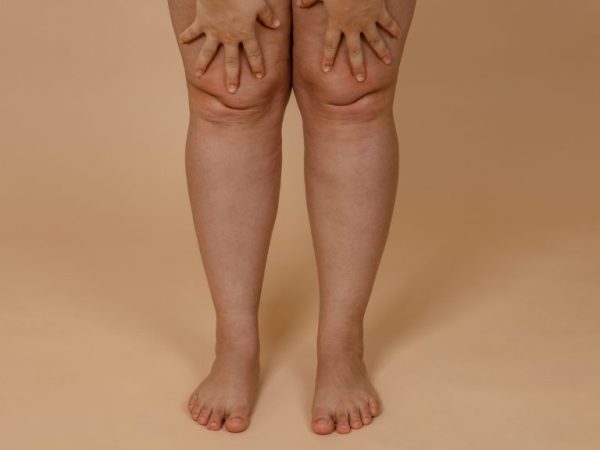
Clinical presentation is characterized by symmetrical swelling, limb tenderness, easy bruising, and persistent fat deposits, often sparing the feet. Lipedema tissue is different from normal body fat in its nodularity, propensity to bruise, and microvascular and lymphatic alterations leading to metabolic dysfunction and lymphatic compromise. The condition is possibly connected to estrogen since it affects more women than men and frequently begins at times of hormonal change, such as puberty, pregnancy, or menopause.
Physically, it can cause limited range of motion and joint stress, while emotionally, it can trigger feelings of frustration and body image issues, anxiety, and diminished quality of life.
The Pain
Pain in lipedema is usually different and out of proportion to the visible swelling and persistent. It typically exacerbates with touch or pressure and manifests as deep aching, burning, or sharp pain in the tissue. Common locations are the thighs, lower legs, buttocks, and occasionally the arms.
Patients complain of heaviness and tenderness that interfere with walking and standing. Pain frequently worsens as inflammation and fibrosis advance. Fibrotic adipose tissue and chronic low-grade inflammation induce local nociceptive and neuropathic pain drivers. Efficient pain control is key. By addressing inflammation, reducing mechanical stress with compression, and treating fibrotic changes, we can lower pain and restore activity.
The Stages
Lipedema evolves into four clinical stages, ranging from mild fat deposition to significant deformity with fibrosis. Stage one is characterized by a smooth skin surface and a thickened, nodular hypodermis. Stage two induces uneven skin surfaces and palpable hypodermal masses.
Later stages present with a significant volume increase, enhanced tissue fibrosis, and greater pain. Advanced disease can develop lipolymphedema where lymphatic compromise causes secondary lymphedema, compounding swelling and limiting mobility. Knowing the stage helps direct treatments. Early stages respond best to conservative treatments such as compression, manual lymphatic techniques, and targeted exercise, whereas late stages may require surgical interventions.
The Diagnosis
Its diagnosis is based on clinical criteria and involves ruling out other causes. The hallmarks of the disease are symmetrical limb enlargement with sparing of the feet, tissue tenderness, and resistance to weight loss via diet or exercise.
It’s often misdiagnosed as obesity or primary lymphedema, which delays care. Important labs, including liver, kidney, thyroid, lipid profile, and insulin resistance, should be screened prior to imaging.
-
Symmetrical fat deposits on limbs
-
Easy bruising and pain on pressure
-
Feet usually spared
-
Poor response to diet/exercise
A comparative table of lipedema, lymphedema and venous disease clarifies areas of overlap and difference for the clinician.
Pain Management Strategies
Lipedema pain management ranges from conservative and medical to surgical. The objective is to minimize pain, arrest advancement, and restore or maintain function. With an emphasis on continuous evaluation and patient education, treatment selection and timing is informed by close collaboration among a multidisciplinary team that customizes care to disease stage, comorbidities, and patient objectives.
1. Conservative Therapies
Compression therapy decreases swelling, supports lymphatic flow and relieves pain in the legs. Fitted compression garments and pneumatic compression devices both assist, with pneumatic devices for lipedema as well as lymphedema. Manual lymphatic drainage and complete decongestive therapy administered by certified lymphedema therapists reduce swelling and pain.
These sessions instruct self-care strategies. Mild exercise increases mobility and reduces inflammation. Low-impact options such as walking, cycling, aquatic exercise and focused strength work to support joint integrity. Specialized routines target lymphatic flow and muscle pump.
Skin care avoids infection and ulceration by moisturizing, providing immediate care of breaks and monitoring for cellulitis. Lipedema – conservative treatment should be attempted as current data do not demonstrate that correction of venous insufficiency surgically improves lipedema. For many patients, this provides symptom control and delays surgery.
2. Dietary Approaches
An anti‑inflammatory diet is balanced and can help decrease systemic inflammation, which can soothe pain. Focus on vegetables, lean meats, whole grains, and omega‑3 foods, and avoid processed foods and sugars. Weight control alleviates both mobility and symptom burden, with portion control and lower consumption of fatty processed foods being realistic steps.
Among other things, including the rare adipose disorder diet principles and glycemic control for metabolic health benefits. Maintain a food diary or table that allows you to monitor your intake and changes in your symptoms.
Record on certain days when you experience more pain, bruising, or swelling to identify any patterns. Dietary changes on their own rarely reverse lipedema, although they can help support other therapies.
3. Medical Interventions
Medications address pain, inflammation, and metabolic issues. Analgesics, NSAIDs, and agents targeting neuropathic pain may be used. For patients with obesity or metabolic disease, weight-loss drugs are an option under specialist care.
Adjunct therapies such as physical therapy and manual therapy can reduce pain and restore function. Regular monitoring for side effects and effectiveness is important. Bioimpedance spectroscopy can track extracellular water differences between lower and upper limbs and help assess response to therapy.
MRI may be used diagnostically to assess lymphatic widening when needed.
4. Surgical Options
Liposuction is the main surgical treatment for lipedema tissue removal. The tumescent technique employs Klein solution, which consists of saline or lactate Ringer, lidocaine or prilocaine, epinephrine, and sodium bicarbonate, to saturate fat. Sometimes, liposuction without general anesthesia recovers faster.
Staged procedures are preferable, rather than taking off all the fat in one sitting. Multiple techniques exist: power-assisted, water-assisted, laser-assisted, and jet-assisted. Each has tradeoffs in bruising, tissue trauma, and recovery.
Surgery can provide substantial pain relief and enhanced mobility in advanced disease. Results vary with stage and spread.
5. Alternative Methods
Massage, yoga, and some lymphagogue supplements can support traditional treatment. Noninvasive options like coolsculpting are for very mild cases only. Relaxation and stress-reduction techniques aid in controlling chronic pain.
Investigate alternatives with clinicians to be safe and avoid interactions.
The Emotional Toll
Lipedema presents ongoing physical manifestations that contour daily existence and psychological health. The chronic pain, progressive fat deposition, and regular misdiagnosis result in an emotional toll that extends well beyond body mass index and frequently results in anxiety, depression, and a diminished quality of life.
Mental Health
Depression, anxiety and a sense of powerlessness are prevalent. Pain is debilitating for so many and it can evoke symptoms of depression. Research demonstrates that people with lipedema have more anxiety and depression than those without, even adjusting for BMI.
Emotional lability—quick mood changes associated with intense emotions—emerges in certain patients and can complicate daily activities. Access to counseling and therapy helps address these impacts. CBT can target negative thoughts tied to pain and body image.
ACT can reduce experiential avoidance and increase goal-directed action under distress. Peer-led support groups provide hands-on advice and community. Online groups are a godsend when your mobility is limited.
Easy mindfulness and stress-reduction methods minimize reactivity. Short daily practices—five minutes of breathing, body scans, or brief mindful walking—not only lower immediate anxiety but help with emotion regulation across time.
Track mood alongside pain and mobility. A two-column daily log noting pain level from zero to ten and mood can reveal patterns and guide treatment choices.
Social Impact
Swelling and restricted mobility alter social roles and access. Social occasions can feel taxing when mobility is difficult or attire shifts. This influences engagement at work, family reunions, or public venues.
Embarrassment or misunderstanding by others increases the risk of withdrawal. They might reject friendships or cancel plans, which fuels loneliness and compounds the damage.
-
Local patient organizations and lipo clinics that have support groups.
-
National healthcare foundations with educational materials and helplines.
-
Online forums and moderated social media groups for tips.
-
Virtual therapy platforms specializing in chronic illness mental health.
-
Community rehabilitation centers offering adapted exercise classes.
Build your own resource list by region and online. Add contact information, hours, and accessibility notes to simplify connecting.
Body Image
Such progressive changes in leg and arm shape play havoc with self-esteem and can set off cruel self-criticism. This is important because negative self-talk exacerbates stress and can even amplify pain.
Feed yourself with some self-compassion and positive body work. Center on what the body does instead of just how it looks. Celebrate small victories such as a ‘pain-free week’ or a moment of light movement.
Enlist in confidence-building activities such as adaptive yoga, in-water exercise, or art classes to redirect focus from what you look like to what you can do. Don’t compare yourself to others.
Sites like Instagram can distort expectations and amplify shame. Swap out the judgments for observations and note three specific things the body accomplished that day.
A Personalised Plan
Your personalised plan starts with a quick evaluation of stage, symptoms, lifestyle, and co-morbidities. This gives a clear picture of what to target: pain, mobility, swelling, nutrition, or mental health.
Multidisciplinary care is typically more effective because lipedema impacts tissues, circulation, and day-to-day function. Plans often combine medication, focused exercise, compression, dietary changes, and stress reduction.
Your Team
Among the indispensable members are a lead clinician to help orchestrate care, a certified lymphedema specialist for compression and manual lymphatic work, a nutritionist for anti-inflammatory and weight-related eating strategies, and a psychologist for coping.
Other collaborators might be a physio, pain specialist, or even surgeon if interventions are contemplated.
Checklist: primary clinician for overall plan and meds, lymphedema therapist for fitting and training in compression garments and manual therapy, dietitian for anti-inflammatory meal plans and hydration targets, mental health pro for cognitive strategies and stress reduction, physiotherapist for mobility, strength, and low-impact exercise.
Good communication and joint decision making count. Have regular patient reviews or brief team calls and maintain notes on agreed steps. Keep a simple contact list that includes name, role, phone, email, and clinic hours. This accelerates access during flares and keeps care unified.
Your Goals
Set SMART goals: specific, measurable, achievable, relevant, time-bound. Example goals include reducing average leg pain from a level of 6 out of 10 to a level of 4 out of 10 in three months.
Increase daily steps from 2,000 to 5,000 within eight weeks. Drink 2 liters of water per day, tracked weekly. Add some functional goals like climbing 2 flights without stopping or taking a 30-minute low-impact class twice a week.
Use journals, apps, and even simple charts to record pain scores, step counts, compression wear hours, or food logs. Tracking helps spot patterns, such as experiencing pain after long standing or worse days after poor sleep.
Celebrate milestones, like a week of consistent gentle yoga or meeting hydration targets for a month. Refresh goals to maintain progress that is grounded and inspiring.
Your Journey
Journaling the quest aids nurture and spirit. Track symptom fluctuations, treatments attempted, side effects, and notes along these lines.
Photos or a visual diary can capture slow changes that numbers miss. Create a timeline of major events: diagnosis date, start of compression, first therapy session, and medication changes.
Anticipate setbacks. Flares and plateaus are inevitable. When they occur, instead of throwing out the plan, revisit it with your team.
Publicize pieces of your experience to trusted groups or peers to generate support and awareness. This provides practical advice and reduces isolation.
Emerging Research
New research has shed light on various aspects of lipedema biology and identified surgical and non-surgical avenues for treatment. Recent research ties immune signals to fat transformations and clinical trials look beyond just diet and exercise. This emerging research explains why many typical weight-loss interventions fail to alleviate lipedema and why customized strategies are important for pain management and mobility.
New frontiers in research
Recent advances chart disease mechanisms more concretely. Emerging research finds MIF’s role in disease, with increased local expression associated with inflammation and tissue remodeling. Researchers present morphological analysis of adipose tissue as well as molecular data indicating that fibrosis and inflammation correlate with disease stage and severity.
These results offer insight into why tissue is hard or sore in later phases and highlight potential targets for anti-inflammatory or anti-fibrotic drugs. Current work investigates adipogenesis and lymphatic function. Researchers study how fat cells expand and communicate with lymph vessels.
On some teams, we find altered lymphatic flow and microangiopathy. On others, we find enhanced angiogenesis in affected tissue. Excessive small-vessel growth could promote leakiness, swelling, and pain, which means angiogenesis could become a treatment target. Meanwhile, lymph function research seeks to distinguish initial lymphatic issues from secondary alterations induced by pathological fat.
Clinical studies and trials
Clinical studies and trials are testing treatments. Liposuction has the most robust and obvious evidence base for symptom relief and size reduction, yet literature tends to focus on surgery. Skeptics cite publication bias and demand long-term, controlled trials comparing surgery to organized non-surgical care.
Non-surgical research involves compression therapy, manual lymphatic drainage, and graded exercise programs aimed at load reduction and pain control. Dietary work is mixed; several studies suggest routine diet and exercise have limited effect on lipedema distribution, while smaller reports show low-carbohydrate, high-fat diets can improve pain and metabolic markers for some patients.
These nutritional insights require larger tests before wide advice.
Patient groups and research bodies
Patient groups and research bodies lie at the heart of the advance. Groups like the Lipedema Foundation and Fat Disorders Resource Society finance studies, establish research priorities, and construct patient registries that enable more extensive epidemiologic efforts. Current prevalence estimates indicate that lipedema may impact approximately 10% of women.
Registries and standardized screening are required to verify these figures across different areas. One practical resource for clinicians and patients is a short table of promising therapies, evidence level, and key risks.
These therapies include surgical liposuction, compression, lymphatic care, anti-inflammatory agents, and dietary paths. This allows people to weigh options with clinicians and plan multi-modal care.
Beyond The Physical
Lipedema extends beyond the physical. It has the potential to shift in how people experience, behave, and relate. Beyond The Physical – This section explores why care has to extend beyond swelling and pain to encompass emotional and social needs, what to modify in daily life, how to seek out community, and why the holistic approach matters for enduring benefit.
Holistic care means addressing pain, mood, sleep, movement, and social life as a unit. Such pain, chronic swelling, and limited mobility often cause a decrease in activity and increase the risk of anxiety or depression. Bad body image and low self-esteem feed one another. When pain keeps someone from moving, fitness and mood fall, and isolation grows.
Health plans should cover mental health screening, therapy, and transparent lipedema education so people know what to anticipate and what to do.
Lifestyle overhaul and sustainable habits make life livable. Regular low-impact exercise, like walking, cycling or water aerobics, helps reduce pain and aids lymphatic flow. Compression garments can relieve pain during exercise. Anti-inflammatory nutrition, balanced meals with whole grains, vegetables, lean protein and controlled sodium, can assist with swelling and energy.
Good sleep, stress reduction, such as paced breathing or a daily mini vacation, and pacing activity to prevent flare-ups are tangible actions that hold pain and fatigue at bay. Simple examples include planning three 20-minute walks per week, swapping processed snacks for fruit and nuts, and using a 10-minute guided breathing app each evening.
Self care, bodies, body image, agency. Light self-massage or lymphatic drainage, consistent skin care, and manageable movement goals restore trust. Tracking small victories, such as longer walks and less pain on some days, provides tangible evidence of success. Knowing what to expect from treatments and from recovery further reduces frustration.
Community, advocacy, and peer support break down isolation. Connect with local or online support groups to trade tips on compression, therapists, and surgeons. Attend awareness events or advocacy workshops to fight for improved care and insurance coverage. Peer mentors can provide useful, practical, and emotional reassurance.
Advocacy work transforms your personal struggle into social action, which can be self-affirming. Long-term benefits come from mixing physical and emotional care. When you control pain and treat mood, they move more, sleep better, and engage socially, all of which reduces symptom burden.
Ongoing check-ins with clinicians, mental health providers, and peers are needed to adjust plans as needs change along this integrated path.
Conclusion
Lipedema pain demands consistent, precise action. Employ a combination of mobility, light load, and focused attention. Keep note of what motions reduce pain and what motions exacerbate pain. Add heat or cold for immediate calm. Test compression that fits and move more in feel-good ways. Discuss with clinicians about medication and surgery only after you evaluate risks and objectives. Tackle mood and body image with group support or a counselor. Maintain a basic log of flare triggers, sleep, and diet to identify patterns. New research brings promise, but genuine progress happens with little wins and a plan tailored to your lifestyle. Test a change for two weeks and see what happens. Discover, tweak, and push on.
Frequently Asked Questions
What is lipedema and how does it cause pain?
Lipedema is a chronic disease that results in disproportional fat deposits, primarily on the legs and arms. It causes pain from pressure on nerves, inflammation, and excess fluid. This results in sensitivity, easy bruising, and restricted motion.
Which non-surgical pain management methods work best?
Compression, manual lymphatic drainage, low-impact exercise, weight management, and an anti-inflammatory diet often help. A combination of these approaches typically provides the most symptom relief and increased functional ability.
When should I consider surgical options like liposuction?
Consider surgery if conservative care fails to reduce pain or improve mobility. Specialized liposuction for lipedema can reduce painful tissue and improve shape. Consult a lipedema-experienced surgeon for personalized risk and benefit assessment.
Can physical therapy reduce lipedema pain?
Yes. A physical therapist experienced in lymphatic and connective tissue care can teach you movement, strengthening, and manual techniques that alleviate pain, swelling, and stiffness.
Are there medications that help with lipedema pain?
No approved drug exists for lipedema. Pain relievers, anti-inflammatories, and medications targeting nerve pain may assist in the short term. Employ these under physician guidance in a holistic plan.
How can I manage the emotional impact of chronic lipedema pain?
Psychological support, peer groups, counseling, and stress-reduction techniques help. Managing mental health leads to better coping, adherence, and quality of life.
What promising research or treatments are emerging?
Research investigates better surgeries, lymphatic therapies, anti-inflammatories, and genetic origins. Active research is working on better pain control and better long-term outcomes.