
Key Takeaways
-
Know lipedema as a chronic fat disorder marked by disproportionate fat, pain, and easy bruising that’s distinct from obesity and lymphedema. Seek out a clinician if you observe persistent symptoms.
-
Make your self-care a priority. A daily mix of lymphatic support, gentle movement, and compression wear helps ease swelling and boost comfort.
-
Self-Care: Eat an anti-inflammatory diet that emphasizes whole, unprocessed foods. Experiment with low-carb or time-restricted eating while logging meals and symptoms to identify what works for you.
-
Construct a sustainable routine by committing to tiny habits, modifying as symptoms evolve, and establishing weekly movement and self-care objectives.
-
Self-care routines for lipedema – Incorporate daily moisturizing and regular skin checks to protect skin integrity. Include mindfulness practices and a support network to safeguard mental well-being.
-
Know your failures—what prevents you from sticking to your self-care routine? Time? Pain? Make simple plans to overcome each barrier. For example, take a short break, modify your activity, or rest. Maintain a symptom and care log to stay motivated.
Lipedema self-care routines are daily habits and therapies that help manage pain, swelling, and mobility. They encompass gentle movement, targeted compression, skin care, and lymphatic self-massage.
Diet and sleep have an impact on symptoms and energy levels. Routines differ by stage and comfort, and can be modified with clinician input.
These sections describe actionable advice, easy-to-access resources, and scheduling to create steady, realistic care that adapts to various lives and requirements.
Understanding Lipedema
Lipedema is a chronic disorder characterized by the abnormal accumulation of fat tissue, predominantly in the legs and occasionally in the arms. It typically begins or exacerbates during periods of hormonal fluctuation, like puberty, pregnancy, or menopause. This fat is nodular and painful to the touch, and it resists diet or traditional weight-loss efforts. It can advance for years, impacting mobility, comfort, and lifestyle.
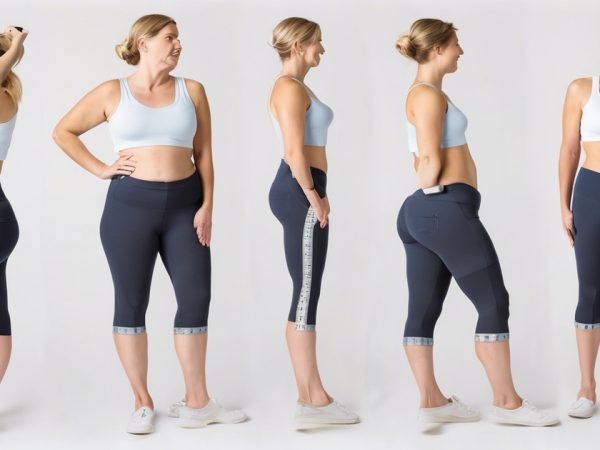
Lipedema is not synonymous with obesity or lymphedema. Unlike simple overweight, lipedema shows a disproportionate pattern: the trunk may remain relatively small while lower limbs enlarge. Pain and easy bruising are common and not typical for obesity alone. Lymphedema includes protein-rich edema and skin fibrosis, whereas lipedema frequently spares the feet in early disease, producing a distinct ankle cuff.
Clinically, lipedema patients complain of tenderness, heaviness, and impaired mobility. These symptoms assist in differentiating it from other types of edema.
Common signs and symptoms include:
-
Out of proportion fat on the legs and sometimes arms, with a smaller waist and torso.
-
Pain or tenderness in affected areas to pressure or movement.
-
Easy bruising with little or no trauma.
-
Skin feels nodular or has a “cottage cheese” texture.
-
Feet typically spare early. There may be an ankle cuff or sharp demarcation.
-
Reduced mobility and a sense of heaviness in limbs.
-
Progression over time, often symmetric on both sides.
-
It gets worse with standing for long periods or in heat and is partially relieved with rest and elevation.
Lipedema is often mistaken for simple obesity or for lymphedema because all may result in large legs. Allen and Hines at Mayo Clinic and Moncorps in Germany first described lipedema in 1940. Even with that record, lipedema remains underrecognized in part because extra female leg fat is occasionally shrugged off as family disposition. Under-recognition delays diagnosis and treatment.
It’s more than just the body. Roughly 85% of women with lipedema report that it impacts mental health, coping, and self-esteem. By way of comparison, rates of depression reported in studies vary from 18 to 35%, which is much higher than the general population.
Medical risks exist: lipedema is linked with increased aortic stiffness, and very high BMI over 50 kg/m2 can bring metabolic problems, trigger lymphedema, and worsen lipedema. Prevalence estimates vary: roughly 6.5% in US children, 6%–8% of women in Germany, and 15%–19% among cases seen in vascular clinics.
Education and diagnosis are the initial actions in being able to take effective self-care and clinical intervention.
Core Self-Care Routines
Lipedema self-care revolves around core routines that help circulation, decrease inflammation, protect skin, and maintain emotional equilibrium. These routines emphasize actionable steps you can apply daily, using straightforward techniques and easy-to-execute activities that translate across environments and resources.
1. Lymphatic Support
Methodically, administer gentle lymphatic massage or dry brushing every morning to mobilize fluid to lymph nodes. Use light, upward strokes on the limbs and a soft brush for the skin for 5 to 10 minutes.
Elevate legs for 15 to 20 minutes following long days of standing or sitting to relieve heaviness and promote fluid return. Whole body vibration plates for 10 to 15 minutes a day can invigorate circulation and energize you; begin at low intensity and build up gradually.
Drink water regularly, 1.5 to 2.5 liters depending on your size and activity level, to keep lymph fluid circulating and kidneys running optimally. Short, frequent breaks to stretch and flex ankles throughout the day help.
2. Anti-Inflammatory Diet
It’s hard to argue with a low-carb or ketogenic approach depending on your health goals, emphasizing steady weight control and less inflammation. Check with a clinician before making big transitions.
Intermittent fasting, such as 12:12 or 16:8 windows, may reduce systemic inflammation and improve energy regulation for some people. Prioritize whole foods: leafy greens, colorful vegetables, oily fish, nuts, and olive oil provide antioxidants and healthy fats.
Reduce processed foods, added sugars, and fatty fast foods. Maintain a food and symptom diary in which you track what foods cause swelling or pain. Record the timing, the amount you ate, and changes in symptom severity to detect a pattern.
3. Gentle Movement
Low-impact exercise, such as walking, swimming, and cycling, promotes lymph flow without over-stressing joints. Try to get at least 150 minutes of moderate activity each week, broken into bite-sized chunks.
Utilize fitness apps or guided classes to remain on track and select those with seated or low-impact alternatives. Take movement breaks every 30 to 60 minutes during desk work: stand, walk for two minutes, or do gentle leg lifts.
Establish mini, transparent weekly targets such as a pair of 30-minute swims or five 20-minute walks and tweak accordingly.
4. Compression Wear
Wear compression garments every day to minimize swelling and feel lighter in affected limbs. Get the right fit. Either measurements or a fitting by a trained fitter assists so support is snug but not tight.
Experiment with various brands and fabrics and rotate your clothes to increase longevity. Follow care instructions. Hand wash or use a gentle cycle, air dry, and replace when elasticity drops.
5. Skin Integrity
Emollients – Moisturize skin every day to prevent cracks and reduce infection risk, using fragrance-free emollients. Check skin regularly for redness, bruising, or wounds.
Get care early for any breaks. Stick to mild cleansers, avoiding harsh soaps, and protect skin from strong sun and irritants. Soft clothes and shoes minimize friction and help agility.
Beyond The Physical
Lipedema is not just physical. It can transform self-perception and relationships. Emotional turmoil arises both from how the body shifts and how society responds. This permeates day-to-day life, professional life, personal relationships, and identity. A complete self-care regimen has to address the head and heart just as intentionally as it addresses inflammation and agony.
Mindfulness practices like meditation and deep breathing provide an easy, inexpensive means to reduce stress and restore tranquility. Brief guided meditations, even just five to ten minutes a day, can decrease anxiety and help redirect your attention away from body-centric worry.
Box breathing—inhale for four seconds, hold for four seconds, exhale for four seconds, hold for four seconds—is simple to master and effective in moments of acute stress. Progressive muscle relaxation, performed on your back, can both release tension in your legs and hips and sharpen the connection between bodily sensation and emotional experience.
Use a timer and experiment to find what feels consistent and applicable with a hectic schedule. Surround yourself with a support system: friends, family, clinicians, and peers who understand lipedema. Inform one or two trusted individuals of particular needs, such as practical assistance after treatments, reminders for compression wear, or simply a listening ear.
Online communities are essential when local ones are lacking. Forums and private social-media groups offer shared advice on clothes, therapists, or surgeons, and provide emotional support. Peer-led meetups, whether virtual or in person, help reduce isolation and provide real-world examples of coping strategies across cultures and ages.
Cultivate hobbies and creative outlets to build an identity beyond the diagnosis. Creative work such as journaling, collage, music, and craft provides an immediate outlet to work through loss, anger, and grief. Physical passions modified to comfort levels, like aquatic activities, light dance, or chair yoga provide an endorphin boost without over-stressing pain points.
Little achievements such as completing a short story, planting some herbs, or picking up a new song can restore your confidence and turn your attention from what you can’t do to what you are capable of doing and growing. Schedule downtime and you time. Schedule restorative blocks of twenty to forty minutes twice a week for quiet activities such as reading, warm baths, or reflective writing about progress and setbacks.
Be kind to yourself, celebrate every little thing you accomplish, and rely on functional affirmations focusing on resilience and values versus your appearance. Emotional care bolsters physical care, and both are required for enduring quality of life.
Building Your Routine
To build your routine is to create a daily activity list, a repertoire you can swap as demands fluctuate. For lipedema patients, establishing a no-nonsense routine guides symptom management, combats decision fatigue, and builds consistent care habits.
Begin by enumerating activities that promote mobility, pain management, skin care, sleep, and mental well-being. Incorporate items such as compression garments, light exercise, scheduled meals, hydration, and brief relaxation. Be detailed about timing and duration so that your routine maps onto actual days.
-
Dig down to a couple of your #1 self-care priorities and carve them into your potential daily routine.
-
Compression wear each morning
-
Twenty to thirty minutes of low-impact exercise, such as walking, swimming, or recumbent cycling
-
Ten minutes of lymph-stimulating circular movements or self-massage
-
Evening skin care and wound checks
-
Consistent sleep time for seven to nine hours
-
Note exact times, like ‘walk at 08:00’ or ‘compression on by 09:00,’ so the plan feels concrete. Remind yourself with calendar alerts or habit apps.
Start with incremental changes and stack habits over time. Select one or two off the list to start. If you do nothing, add compression in the morning and one 10-minute walk every other day.
Two to four weeks later, bring in another habit — a basic stretch set, for instance, or 1.5 to 2 liters of water a day. Small wins create confidence and calm overwhelm. Record progress with a basic chart or notes in a phone journal.
Build your “routine repertoire” and swap out “songs” that no longer fit. Maintain a continuing repertoire of activities that work, and tag those that don’t as replaceable ‘songs.’
If a nightly 30-minute yoga session ceases to fit your schedule or exacerbates pain, replace it with 10 minutes of guided breath work or a shorter mobility set. Reflect on what activities seem helpful and which feel like a burden.
Adjust the routine based on symptoms and life demands. Evaluate your routine every 8 to 12 weeks. Note changes in swelling, pain, energy, and mood.
If flare-ups occur, shift focus to rest, lymphatic stimulation, and skin checks. If travel or work increases, compress activities into shorter blocks. Take three 5 to 10 minute movement breaks instead of one long session.
Regular re-evaluation keeps the plan practical and effective. A custom routine can provide an increased sense of control, lower stress, and better well-being for those with lipedema.
Navigating Challenges
Caring for lipedema introduces pragmatic and psychological challenges that impact your day-to-day life as well as long-term management. Plan for not enough time, unpredictable energy, and the unpleasantness of swelling or sensitivity, and make your plans match real life. Set short, clear goals: three 20-minute walks per week, 10 minutes of gentle yoga each morning, or daily compression during active hours.
These tiny moves avert additional kilos and maintain drive when full workouts seem out of reach. Second, stay hydrated. Drink frequently during the day as this will help keep your tissues moist and can alleviate symptoms.
Anticipate physical pain by having alternatives on hand. If long walks aggravate, supplement with low-impact activity like swimming or cycling, or tai chi and yoga, which many experience as pain-reducing and balance-supporting. Wear compression as you move to restrict swelling, but they’re hard to make yourself wear.
Manual lymphatic drainage, either daily or weekly by a trained therapist or learned self-massage, can reduce fluid build up and improve comfort. Book appointments ahead or discover home remedies for when professional care is out of reach.
Motivation sinks when flares or slumps hit. Create a menu of low-effort care tasks: 5 to 10 minute stretches, a focused breathing session, or sitting leg elevation while watching TV. Record minor victories in an easy log—short walks, days with uniform compression, or water targets—to nurture confidence.
Build social supports: connect with peers online or locally to share tips, vent, and find accountability. Emotional challenges such as frustration, anxiety, or self-consciousness are common. Consider peer groups, counseling, or even quick check-ins with a trusted friend to mitigate isolation.
Troubleshooting list for setbacks and maintaining momentum:
-
If you’re short on time, split the activity into two 10-minute sessions and use standing breaks during work.
-
If garments feel uncomfortable, consult a fitter for different sizes or styles, try gradual wear-in schedules, and use soft liners.
-
If energy is low, swap to gentler practices like yoga, tai chi, or seated lymphatic self-massage.
-
If pain or swelling spikes, pause high-impact exercise, increase compression and elevation, and contact a clinician.
-
If hydration fails, carry a marked water bottle and set phone reminders.
-
If motivation crumbles, join a support group, set very small daily goals, and celebrate consistency over intensity.
-
If professional access is limited, learn safe self-massage techniques and follow structured online or printed programs.
Sticking to a sustainable blend of movement, nutrition, compression, and self-care develops strength to survive more independently with lipedema and minimizes long term consequences.
The Mind-Body Connection
Lipedema is not just about legs and fat. Stress, mood, and nervous system activity can change swelling, pain, and how people feel day to day. Up to 35% of women with lipedema report depression and almost 30% report anxiety, so mental health and physical symptoms often co-occur.
The mind-body connection occurs through routes such as the sympathetic nervous system, immune signals, and hormonal changes. Researchers are still mapping exact mechanisms, and low heart rate variability and chronic sympathetic arousal are common accompaniments of depression, anxiety, and long-term stress that can exacerbate pain and diminish tolerance for everyday tasks.
Understand the mind-body connection of chronic stress to your physical symptoms. Chronic stress can increase blood pressure, decrease heart rate variability, and maintain the body in a state that promotes inflammation and fluid problems. For a person with lipedema, that state can translate into more pain, heavier legs, and less energy.
Track simple markers: sleep patterns, mood swings, and changes in swelling after stressful events. Wearable heart rate variability or heart-rate trackers can provide a rough view of stress trends. Observe where they tend to spike after bad sleep, long days, or fights. That information aids in directing which stressors to eliminate.
Stress reduction is good for the mind and body. Mindfulness and breathwork are well supported by studies demonstrating lower blood pressure and improved lymphedema and lipedema outcomes. Try slow breathing sessions: inhale and exhale to reach about eight breaths per minute for a few minutes, then return to normal pace.
Short daily sessions, 5 to 10 minutes, can lower blood pressure and aid HRV. Incorporate grounding exercises such as seeking out ‘rainbow colors’ on your walk to remain mindful and re-engage with the body. Soft guided meditations, body scans and progressive muscle relaxation can alleviate pain and sleep.
Cheer yourself on and love your body – combat those bad feelings! Replace self-criticism with practical, fact-based statements: note what you can do today, celebrate small wins, and set realistic goals. Write about function and comfort, not style.
Others write quick affirmations or log what their body permitted them to accomplish, whether it’s a 20-minute walk or standing without pain while doing a chore. That record can recalibrate attention from constraints to potential.
Consider the advantages of holistic self-care in enhancing life with lipedema. Pairing stress reduction, breathwork, grounding, and nice self-talk can reduce blood pressure, HRV trends, and symptom burden. We need more research, but sufferers swear these habits provide clearer mood, less pain, and better daily function.
Conclusion
Lipedema self-care accumulates incremental benefits in everyday life. Small moves like gentle massage, the right compression, and low-impact exercise reduce pain and sculpt. Solid sleep hygiene and consistent meals provide energy and reduce flare ups. Mind work — breath practice, short walks outside, and steady talk with a therapist — keeps mood steady and focus clear.
Set a couple obvious follow-through steps. Experiment with a post-shower 10-minute massage, a 20-minute walk three times a week, or an easy three-day meal plan. Trace what feels easier, keep the notes.
Join a support group or discuss with a clinician your personalized care. Pick one tiny habit to start this week and see it build.
Frequently Asked Questions
What is lipedema and how does it affect self-care routines?
Lipedema is a long-term disease resulting in uniform fat deposits and edema on the arms and legs. Self-care is about pain minimization and improving or maintaining mobility and preventing progression with compression, gentle movement, skin care, and expert guidance.
Which daily self-care steps help manage lipedema symptoms?
Daily steps: Wear properly fitted compression, practice low-impact exercise, maintain skin hygiene and moisturize, follow a balanced anti-inflammatory diet, and schedule rest periods to reduce pain and swelling.
How do compression garments help, and how do I choose one?
Compression enhances fluid movement, relieves pain and stabilizes tissues. Professional fitting is important for the right level and fit. Begin with medical-grade garments and replace them when they are stretched or worn.
Can exercise worsen lipedema? What types are best?
High-impact or very intense exercise can exacerbate pain. The best options are low-impact activities such as walking, swimming, cycling, yoga, and water-based workouts. Concentrate on consistency and light resistance training to help remain mobile.
Are there dietary changes that reduce lipedema symptoms?
There is no cure. An anti-inflammatory and balanced diet can help alleviate symptoms and promote weight maintenance. Make whole foods your focus, decrease processed sugar and salt, and drink plenty of water. See a dietitian for custom plans!
When should I seek professional care or treatment?
See a specialist if pain, mobility loss, or swelling worsens despite self-care. Seek lymphedema clinicians, vascular specialists, or lipedema-trained surgeons for evaluations and treatment options such as manual therapy or surgery.
How can I protect my mental health while managing lipedema?
Make rest a priority, limit yourself to achievable goals, find support groups, and consult mental health experts. These little victories, regular self-care, and community support all reduce stress and consequently boost long-term coping.