
Key Takeaways
-
Lipedema has four stages and symptoms of each vary in severity. Awareness at an earlier stage is better.
-
Diagnosis relies on a comprehensive clinical examination by experts, aided by imaging methods like ultrasound or MRI to determine the degree and severity of the disease.
-
Hormonal influences, lymphatic changes, and tissue inflammation play significant roles in the development and progression of lipedema, highlighting the need for a comprehensive understanding of its underlying mechanisms.
-
Management encompasses conservative care including compression therapy, lifestyle modifications, and physical therapy to surgical interventions for advanced cases. This necessitates a personalized, multidisciplinary strategy.
-
Venous insufficiency, hypermobility, and lymphedema can complicate lipedema management. These comorbidities must be treated for the best possible outcome.
-
The emotional and psychological consequences of lipedema are profound. This emphasizes the importance of mental health care, patient education, and robust support systems for well-being.
Lipedema stages 1, 2, 3, 4 symptoms include swelling, pain, and fat accumulation in the legs and occasionally arms.
Stage 1 may present with smooth skin and mild edema.
Stage 2 introduces additional pain, skin dents, and swelling.
Stage 3 displays hard fat lumps and significant shape deformities.
Stage 4 can lead to mobility issues and additional swelling.
There are symptoms at each stage. Next is a breakdown of each stage.
Lipedema Progression
Lipedema is a long-term condition of disproportionate fat accumulation, particularly in the lower extremities. It progresses through four stages with distinct symptoms and tissue transformations. Early recognition is important, as early action can assist in slowing the condition and alleviating symptoms.
Lipedema presents differently by body part, with certain individuals experiencing increased fat on their hips or knees while others notice it initially in the upper legs or arms.
1. Stage One
You get localized fat beginning to accumulate in your legs, occasionally in the upper arms. The skin appears even and smooth, but the tissue underneath is soft and tender to the touch. Most experience pain or aching following extended standing or walking.
Bruising occurs more easily with light pressure. No significant swelling at this time. The lymphatic system is working fine at this stage, so fluid retention is not a major issue.
Maintaining a healthy body weight, being physically active, and wearing compression garments can all help slow the progression to these later stages.
2. Stage Two
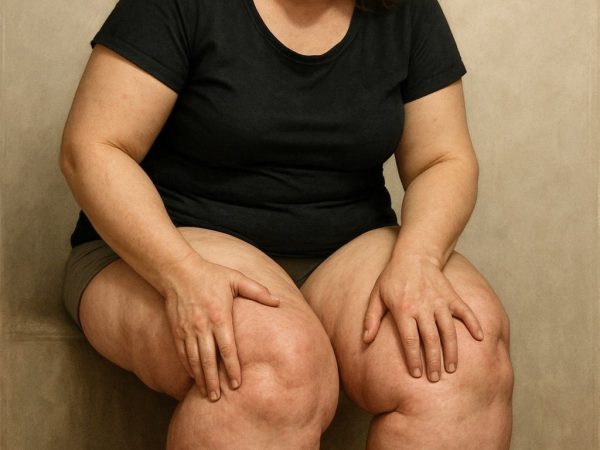
Fat lobules increase in size and the skin exhibits ‘peau d’orange’ or dimpling. This stage can include Type II lipedema, with fat folds around the knees. The tissue beneath the skin begins to feel harder and more nodular.
Bruising and soreness increase in frequency, and the pain may linger longer post-activity. Early lymphatic issues can arise, resulting in slight swelling in the legs or arms.
Lifestyle actions such as consistent physical activity and eating a nutritiously balanced diet can still assist in controlling symptoms, and medical guidance becomes increasingly necessary. For most, the fat begins to spread to the buttocks and hips.
3. Stage Three
Swelling is far more apparent and the fat accumulation is more advanced. The skin is firm and nodules create under the surface. Fat frequently extends beyond the knees, and folds occur on the inner side.
Pain is more intense and can restrict mobility. Orthopedic concerns like joint strain or knee pain are frequent and complicate your day-to-day activities. Your lymph system can get compromised which causes chronic swelling.
It is during this stage that the majority require expert assistance, ranging from physical therapy to tumescent liposuction surgery. Surgery can reduce pain and enhance quality of life, but the risk of complications is elevated.
4. Stage Four
The fat is even more fibrous and hard. Swelling is pronounced and skin could appear uneven or bumpy with large folds. Lymphedema, which is a dangerous fluid accumulation, frequently occurs and adds to increased discomfort and the danger of infection.
Walking or even bending joints can be difficult and many everyday tasks become harder. This stage takes a complete management plan, often with compression, manual therapies, and sometimes additional surgery.
There is no cure, but some treatments can halt the progression of symptoms for years.
Diagnostic Journey
Getting a clear diagnosis for lipedema is not simple. Many patients face delays, misdiagnosis, or confusion because lipedema shares some signs with other conditions like obesity or lymphedema. Often, people need to visit more than one doctor or specialist to get answers.
The road to a diagnosis can be slow and frustrating because many healthcare workers are not fully aware of lipedema or its stages. Because of this, a detailed clinical evaluation and a thorough look into a patient’s symptoms and history are key steps.
Clinical Evaluation
A clinical exam begins with a physical examination. Physicians will examine for symptoms such as pain, edema and distribution of adipose tissue to the legs, hips and occasionally the arms. One tell-tale sign is that mushy, oversized lump of fat that doesn’t seem to fit the rest of your body.
Skin tends to be cool and may bruise easily. Doctors test for something known as ‘Stemmer’s sign’, which is generally negative in lipedema. You can pinch and lift the skin on the toes or fingers, as opposed to lymphedema.
It’s important for the doctor to examine how fat feels and its location. The tissue may be lumpy and the swelling does not subside with elevation of the leg. All of these features help distinguish lipedema from uncomplicated obesity.
To rule out lymphedema, lymphedema has a positive Stemmer’s sign and frequently initiates at the feet, whereas lipedema spares the feet and hands initially. Patient history is crucial. Physicians will inquire about the presence of pain, heaviness, or swelling, when symptoms began, and whether other family members experience similar manifestations.
Self-reported symptoms are hugely important. Pain and swelling are not always visible but are common, which makes patient input as valuable as what the doctor observes.
Imaging Techniques
Doctors can run tests such as ultrasound or MRI, but these are not the primary mechanism of diagnosis. Ultrasound can reveal the appearance of the fat and tissue beneath the skin. It assists in identifying the thickened adipose layer and can frequently display alterations of lymphatic flow.
MRI offers a more detailed diagnosis, revealing fat distribution and helping detect other conditions that could mimic lipedema. These images go a long way in measuring how severe it is. Thick, nodular fat layers on scans may indicate a more advanced stage.
Imaging can assist in selecting optimal treatment by revealing whether there are lymph issues as well. However, imaging by itself cannot diagnose lipedema. It is valuable when the diagnosis is uncertain on exam. Occasionally, imaging is obtained to exclude other sources of swelling.
Underlying Mechanisms
Lipedema is a long-term condition characterized by irregular fat accumulation beneath the skin, typically in the legs and arms. No one knows the exact cause, but studies indicate a combination of hormonal, lymphatic, and inflammatory factors. These mechanisms feed off each other, rendering the condition difficult to treat with traditional weight-loss methods and necessitating a stage-specific approach.
Hormonal Influence
-
Estrogen and other hormones impact fat storage. In lipedema, estrogen could push fat to accumulate in specific locations, particularly in females. Research indicates that estradiol, one specific form of estrogen, can activate ZNF423, a gene involved in adipocyte proliferation.
-
When hormone levels fall out of whack, fat cells can reproduce and pack on extra fat. This can exacerbate the lumpy, uneven fat deposits characteristic of lipedema.
-
Hormonal changes during puberty, pregnancy, or menopause tend to exacerbate symptoms. These times may cause increased swelling, pain, or alterations in skin texture.
-
With hormones being such a strong factor, testing for imbalances is critical in treating lipedema. Ongoing hormonal screening can inform care plans and identify shifts early.
Lymphatic Changes
Lipedema can interfere with the lymphatic system’s ability to flush fluid out of tissues. This issue begins in the tiny vessels that assist in draining excess fluid. As we age, these vessels may not function as well, causing swelling and soreness.
If lymphatic flow becomes sluggish, fat accumulation can worsen and cause additional tissue alterations. Lymphatic issues can be exacerbated the longer lipedema remains untreated.
Lymph vessels damaged by cancer treatment can leak fluid, which makes swelling more difficult to manage and increases the potential for serious symptoms in the advanced stages.
There is a connection between lymphatic health and the speed at which lipedema progresses from one stage to the next. Maintaining the lymphatic system functioning optimally is one method to slow down the disease process.
Caring for the lymphatic system! Compression, exercise, and manual drainage can alleviate symptoms and prevent progression.
Tissue Inflammation
Inflammation is common in lipedema and contributes to pain and tenderness. Enlarged fat cells can pinch nerves and blood vessels, leading to pain. Researchers discovered that genes related to inflammation behave abnormally in lipedema tissue, causing additional swelling and sensitivity.
Redness, warmth, and heaviness in the limbs are indicative of inflammation. These indications may emerge early and worsen as time goes on.
Chronic inflammation can make the condition more difficult to treat. It can even alter the function of adipocytes and tissue repair. This chronic process can cause skin hardening, increased discomfort, and an increased risk of infections.
Anti-inflammatory measures, such as with specific medications or a healthy diet, may be beneficial. These actions are intended to reduce inflammation and inhibit the accumulation of fat and fluid.
Management Strategies
Lipedema management requires a strategy that is tailored to the individual and the phase. Care tries to slow the disease, relieve symptoms, and make life better. It typically requires more than one type of therapy. The best results occur when patients collaborate with a team of medical professionals.
-
Multidisciplinary care: doctors, nurses, physical therapists, and dietitians
-
Stage-based plans: more advanced stages may need surgery
-
Non-surgical options: compression, diet, exercise, therapy
-
Surgical options: tumescent liposuction, advanced lipedema surgery
-
Ongoing education: helps patients make informed choices
-
Regular check-ins track progress and adjust treatments as needed.
-
Combination approach: mix surgical and non-surgical steps
Team-based care is critical as lipedema is chronic and touches many aspects of life. There is no one-size-fits-all solution. Early-stage lipedema responds best to conservative care, while later stages may require more invasive options. Education promotes self-management and prepares patients for what to expect as their condition varies.
Conservative Care
-
Compression therapy: reduces swelling, slows progression, eases pain
-
Manual lymph drainage involves gentle massage that moves fluid and supports lymph flow.
-
Diet and weight management includes balanced meals, less salt, and a focus on whole foods.
-
Regular physical activity: walking, swimming, water aerobics
-
Skin care: prevent infection, keep skin clean and dry
Compression therapy is the bread and butter for many. It can help decelerate lipedema, mitigate pain, and decrease the risk of swelling. Patients are frequently fitted with compression stockings or wraps.
Lifestyle changes count. Eating lots of vegetables, lean protein, and whole grains is a healthful way to go. Keeping active keeps your muscles toned and aids mobility. Exercise is supposed to be low impact. Swimming and walking are both good options because they are easy on joints.
There’s physical therapy and lymphatic drainage. Therapists instruct movements that increase lymphatic flow and maintain limb mobility. Manual lymphatic drainage is a special massage that focuses on fluid retention. Rest and elevation can be beneficial, particularly when swelling increases as the day progresses.
Tweak care required. Lipedema is a chronic disease. What works early can be different as the disease progresses. Consistent follow-up aids in customizing treatment for every phase and individual.
Surgical Options
Surgery is for those who don’t get sufficient assistance from conservative care or have advanced lipedema. Tumescent liposuction is performed early and late. This technique injects a fluid to loosen fat prior to suction, which reduces trauma to other cells. Research indicates tumescent liposuction is your best bet and can prevent symptom recurrence for up to five years on average.
Liposuction for lipedema is not simply fat removal. Surgeons employ tiny tubes and gentle, meticulous suction. This helps safeguard lymph vessels and reduces the chance of additional swelling or injury. Other surgical options include removal of excess skin when necessary, but these are more rare.
Every surgery has risk. Patients could experience infections, scarring, or alterations in limb sensations. To see doctors who know lipedema is important. Not all surgeons have dealt with this chronic condition, so finding a specialist is essential to successful outcomes.
Associated Conditions
Lipedema seldom comes without company. It frequently accompanies a constellation of chronic diseases, all impacting quality of life in diverse manners. The table below outlines common conditions linked with lipedema and their impact:
|
Condition |
Impact on Health |
|---|---|
|
Venous insufficiency |
Increases swelling, leg heaviness, discomfort; complicates care |
|
Lymphedema |
Triggers further fluid buildup, worsens swelling and pain |
|
Obesity |
Raises risk of “lipo-lymphedema”, may speed up fat accumulation |
|
Hypermobility |
Leads to joint instability, more pain, and mobility loss |
|
Depression, anxiety |
Heightens perception of pain, reduces motivation to seek treatment |
|
Inflammation, hypoxia |
Damages fat tissue, further impairs fluid transport |
Treating these comorbidities is essential for effective management. Disregarding them can decelerate momentum and intensify pain as the days pass.
Venous Insufficiency
Venous insufficiency is prevalent among individuals with lipedema. It can exacerbate inflammation and pain. This is because bad vein function causes blood and fluid to pool in the legs, compounding the weight and ache already caused by the lipedema fat.
Excluding venous disease, we’ve heard that it is a very common symptom and is often attributed to lipedema exclusively. However, the vein issues may co-exist and contribute to that.
Associated Conditions Treatment may include compression therapy, exercise, and sometimes procedures to improve vein function. Dealing with both lipedema and venous problems concurrently yields superior outcomes. Collaborating with vascular specialists and those experienced in lipedema yields optimal results.
Hypermobility
Hypermobility can significantly impact individuals with lipedema.
|
Stage |
Hypermobility Impact on Lipedema Symptoms |
|---|---|
|
Stage 1 |
Mild joint pain, subtle instability |
|
Stage 2 |
Noticeable joint looseness, muscle fatigue |
|
Stage 3 |
Increased falls, difficulty walking, frequent pain |
|
Stage 4 |
Severe loss of mobility, chronic pain, daily activity limits |
Joint instability in hypermobility can make ambulation or standing more difficult and raise injury risk. This decreases autonomy and increases suffering on a daily basis.
Therapies should focus on building muscle strength and protecting joints. Physical therapy helps by teaching safe movement during healing and building up weak areas. Over time, this can decelerate mobility loss and enable individuals to continue performing everyday activities.
Lymphedema
Lymphedema can develop in conjunction with lipedema leading to “lipo-lymphedema.” This contributes additional fluid accumulation, which exacerbates pain, swelling, and range of motion issues.
Early symptoms include persistent swelling, tight skin, or infections.
-
Or in both legs or feet – worse at night.
-
Skin changes include thickening or tightness.
-
Increased pain or heaviness not relieved by rest.
-
Frequent infections or wounds that heal slowly.
Identifying lymphedema in its early stages and commencing treatment, such as manual lymphatic drainage, compression, and skin care, can help avert severe complications. This is key in preventing symptoms from spiraling out of control.
Beyond Physical Symptoms
Lipedema’s not just about the body changes or pain. It can impact how a person experiences, processes, and navigates the world. It runs much deeper than external appearances. For many, the emotional and mental side of lipedema defines their experience as much as the swelling or discomfort.
Emotional Impact
When swelling and fat deposits pop in the legs, hips or arms, it’s difficult to be comfortable in your own skin. These shifts frequently begin prematurely and can leave folks feeling insecure. Others won’t wear shorts or swim, even when it’s hot. This can lead to low self-esteem, particularly if they’re stared at or are subject to remarks.
Anxiety and depression among people with lipedema can also be significant. To live beyond physical symptoms can feel overwhelming. There is nothing so hopeless as living with an incurable condition that keeps getting worse. Concern over how the body appears or moves, or over persistent pain can contribute to stress.
It’s not all tears; it can be difficulty sleeping, difficulty focusing, or feeling isolated, even among a crowd. Mental health support makes a difference. A lot of people benefit from speaking with a counselor. Whether it’s group therapy, online forums, or local support groups, it’s easier to share feelings.
We need open conversation about mental health. When friends, family, and healthcare teams inquire about feelings, not just physical symptoms, it can bust shame and help people feel less isolated.

Quality of Life
Lipedema can make easy things difficult. Walking, stair climbing, or standing for extended periods can be painful or tiring. This makes it hard to maintain work, chores, or family life. Some give up going out or playing sports. Over time, this can leave you feeling isolated.
Doctors and therapists can use functional assessments to check how lipedema changes movement and daily tasks. Knowing what someone can and cannot do helps in planning care that fits real life, not just the textbook version of lipedema.
Patient education provides individuals with resources to cope with symptoms. Knowing about the disease, pain management, and self-care practices allows individuals to feel empowered. Care team and loved ones’ support is crucial. Continued assistance, such as follow-up visits, support groups, or even a phone call, has the potential to do a great deal to alter a patient’s outlook.
Conclusion
Lipedema demonstrates in many forms as it progresses from stage 1 to 4. There are clear changes at each stage, ranging from soft swelling in the legs in earlier stages to thick, firm skin and even more pain. People miss early signs or get a late diagnosis so symptoms often accumulate quickly. Swelling, bruises, and pain can put the brakes on daily life. Good care is about getting help early, moving often, and finding the right health team. Others simply handle stress or exclusion. Understanding the stages aids in early detection of lipedema and guides optimal treatment options. To get to know more or to share your story, contact a support group or consult a healthcare professional.
Frequently Asked Questions
What are the main symptoms of lipedema in stages 1 to 4?
The lipedema symptoms include leg swelling, pain, and easy bruising. In more advanced stages, skin texture and mobility problems emerge. Each stage presents with more fat accumulation and more severe symptoms.
How does lipedema progress through its stages?
Lipedema ranges from mild swelling and soft skin in stage 1 to severe, hard swelling and skin folds in stage 4. Every stage involves equal amounts of discomfort and physical change.
What causes lipedema to worsen over time?
It can be exacerbated by hormonal changes, the lack of treatment, and inactivity. Early control can help mitigate progression and flare symptoms.
How is lipedema diagnosed?
Physicians diagnose lipedema based on physical exam, patient history, and exclusion of other causes of swelling. Imaging tests such as ultrasound can help confirm diagnosis.
What treatment options are available for lipedema?
Treatment consists of compression therapy, a healthy diet, gentle exercise, and sometimes surgery. Early treatment aids in comfort and mobility.
Can lipedema lead to other health conditions?
Yes, lipedema can lead to joint pain, restricted mobility, and mental health issues. In severe instances, it can progress to lymphedema.
How does lipedema affect daily life beyond physical symptoms?
Lipedema can affect mental health, confidence, and social life. Compassion and support assist people in coping with both the physical and emotional impact.