
Key Takeaways
-
Knowing the four stages of lipedema assists in early symptom identification and enables prompt and efficient treatment.
-
With early detection and intervention, including lifestyle changes and medical treatment, its progression can be slowed and mobility preserved.
-
Lipedema isn’t just obesity. It’s its own unique disorder and it happens to people of many different ages and walks of life.
-
Management is an individualized regimen of lifestyle modifications, conservative care, medical treatment, and medically trained support.
-
Your emotional well-being is critical, so don’t hesitate to pursue support groups and psychological assistance.
-
Consistently keeping tabs on yourself and your symptoms can inform treatment decisions and help you communicate with your doctor.
Lipedema stages explained in simple terms is my way of boiling down the four primary lipedema stages with obvious signs and what to be on the lookout for at each stage.
Lipedema is a chronic adipose disease that primarily involves the legs and arms. Each stage changes the appearance and feel of the skin and fat.
To aid early care and planning, this guide illustrates the highlights for each stage in simple language.
The Four Stages
Lipedema is a chronic disorder characterized by excessive fat deposition, primarily in the legs, thighs, and occasionally the arms. Drs categorize lipedema into four stages, characterized by skin texture, fat distribution, and swelling. Correct staging assists in informing treatment and monitoring disease progression. Early detection is the key to better management and quality of life.
1. Stage One
Stage one presents with no visible swelling. There is a thick layer of adipose beneath the skin. Smooth skin covers small hard nodules, like peas. These nodules aren’t necessarily visible, but they indicate that transformations are occurring in the fatty tissue.
Discomfort, whether it be heaviness or aching, usually rears its head before any other changes. It’s easy to pass these signs off as just wear and tear, but they indicate the beginning of lipedema. Catching these early symptoms makes a difference.
Detecting pain or other subtle differences, even when the skin appears normal, prevents the disease from progressing to the later stages. Looking for pain, tenderness, or small lumps under the skin can help you make timely health decisions.
2. Stage Two
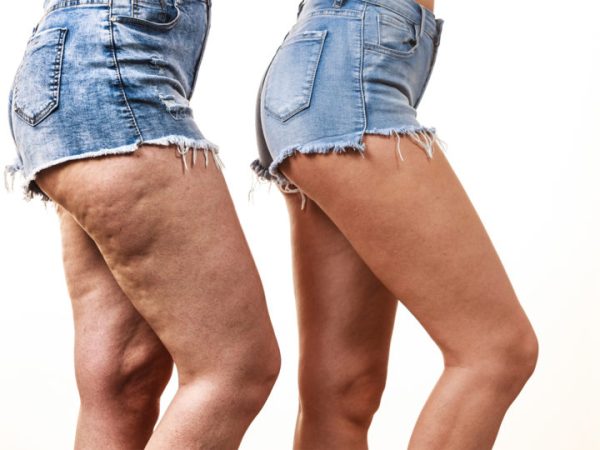
Uneven skin and dimpling begin to be visible, occasionally taking on an orange peel appearance. These bulges in particular denote stage two, with the skin laying atop bulky, lump-ridden pockets of fat. The nodules are larger and clustered.
Skin can be bumpy to the touch and some areas can feel firmer than others. These skin changes can impact self-image and restrict mobility. For others, it’s more difficult to walk long distances or stand for an extended period of time.
Pain and sensitivity begin to mount. Early intervention during this stage, like light exercise, compression, and a healthy diet, can slow disease and relieve symptoms.
3. Stage Three
Massive overhanging folds of skin and fat form, frequently rendering basic movements difficult. These folds largely manifest around the thighs and knees, although they occasionally reach the calves and ankles. The skin may appear bumpy and irregular.
The pain frequently intensifies, making walking or daily activities difficult. Swelling may not subside, even with rest. Mobility is limited, and the likelihood of infections or skin conditions increases.
At this phase, expert guidance is crucial to create a care plan that suits an individual’s needs and aids in maintaining symptom management.
4. Stage Four
Stage four, or lipo-lymphedema, is lipedema combined with lymphedema. Lymphedema occurs when lymph drainage is obstructed, resulting in even greater swelling that is more difficult to control.
The swelling extends beyond the legs into feet and sometimes arms, altering the body’s appearance and function on a daily basis. Health risks increase as well. Skin infections and wounds become more frequent.
Controlling stage four requires a full-blown approach that often combines therapy, compression, and even surgery. Collaborating with physicians is key to minimizing complications and enhancing well-being.
Why It Progresses
It actually progresses for various reasons. It’s not only about fat gain. Your body’s biology, your habits and your hormone fluctuations all matter. Several women observe the initial symptoms or an abrupt shift during puberty, pregnancy, or menopause. This ties back to hormones such as estrogen and progesterone. These shifts can exacerbate symptoms and accelerate the disease.
Swelling of legs or arms worsens during the day or with hot weather. For others, pain and movement issues appear early and continue to worsen if not addressed.
|
Factor |
How It Contributes to Progression |
|---|---|
|
Biological Factors |
Genetics, fragile capillaries, and changes in fat cell growth can push lipedema forward. The GRB14/COBLL1 gene spot is tied to how fat spreads in the body. Lipedema fat is not the same as regular fat. Fragile tiny blood vessels under the skin break easy, so bruising happens more often. Some studies show that changes in the immune system, like the endotoxin-complement cascade, may also play a part. |
|
Lifestyle Choices |
Sitting too long, not moving much, or eating too many high-calorie foods can make things worse. Poor blood flow from lack of movement, or weight gain, puts more stress on the legs. Not wearing the right compression gear, or ignoring swelling, lets the condition get worse. Even daily routines like standing for long hours or not taking breaks can drive symptoms. |
|
Hormonal Changes |
Changes in estrogen and progesterone, seen in puberty, pregnancy, or menopause, often mark the start or worsening of lipedema. Hormones change how fat builds up and how water moves in tissues. This is why many women see lipedema get worse with age or after big hormone shifts. |
It’s the daily decisions that count. Those who remain active, maintain a healthy weight, and identify swelling early can reduce the rate at which lipedema advances. Even with good habits, some of you will still see the condition advance to the next stage.
Knowing your family history highlights risks. If immediate family had lipedema or venous issues, you’re more likely to get it. By looking for early warning signs, such as swelling, easy bruising, or leg pain, it enables a greater opportunity for early treatment.
Untreated lipedema causes fat accumulation to intensify, triggering increased pain and decreased mobility. This can lead to other issues, such as osteoarthritis or blood clots. Everyday things like walking or standing can become difficult as time goes on. Chronic pain sets in.
If you know what fuels the disease, you can do something about it.
Common Misconceptions
Lipedema myths can prevent people from receiving appropriate care. One of the biggest myths is that lipedema is just obesity or was caused by weight gain. This thinking overlooks the reality that lipedema is a chronic medical condition. Unlike ordinary obesity due to overeating or lack of exercise, lipedema fat accumulates in the legs, hips, or arms and cannot be lost through diet or exercise.
This is why so many lipedema women feel scapegoated for their dimensions when their weight loss attempts fail to budge the afflicted regions. This misconception can cause shame and late presentation. For instance, even someone with a robust lifestyle can continue to observe swelling, pain, and easy bruising in their legs as the rest of their body morphs.
Another misconception is viewing lipedema as a cosmetic issue or that it’s no different from cellulite. The visible appearance of lipedema—larger lower limbs with a distinct cuff above the ankles—may sound like a superficial concern, but the reality is that lipedema causes genuine pain, discomfort, and emotional distress. Several sufferers complain of aching, heaviness, and easily bruised skin.
These symptoms can make it difficult to stand or walk for extended periods, reducing one’s quality of life. Misidentifying lipedema as a mere skin or fat problem prevents individuals from obtaining the accurate diagnosis and assistance. Lipedema is frequently confused with lymphedema, but they are not equivalent. Lymphedema is caused by lymph fluid blockage and lipedema is related to fat accumulation in specific regions, primarily in women.
There’s the myth that lipedema only occurs in older women. In fact, lipedema can begin at any point post-puberty, frequently emerging in the third decade of life. It doesn’t just impact older adults but can strike teenagers or young adults as well. This translates into the fact that early indicators are easily overlooked or rationalized away as typical weight gain.
Most people assume that lipedema is rare. However, new studies identify that up to 1 in 9 adult women in the US have lipedema, which is significantly more common than perceived.
It is education that will combat stigma and misconceptions about lipedema. Numerous people still believe it is caused by overeating or inactivity, but research proves lipedema is not caused by these lifestyle factors. It will not just go away and requires consistent treatment to prevent it from spiraling down.
Increased awareness can assist folks in identifying symptoms, reaching out for help, and getting the right treatment.
Managing Lipedema
Lipedema is a persistent medical condition that results in fat accumulating in specific areas of the body, leading to discomfort, inflammation, and bruising. Managing lipedema requires a variety of approaches that attend to the physical, mental, and social demands of each individual. A balanced strategy can assist you in slowing the disease, relieving pain, and enhancing life.
Key components of a personalized management plan include:
-
Accurate diagnosis by a trained healthcare provider
-
Ongoing symptom tracking and monitoring
-
Compression therapy and use of medical-grade garments
-
Regular low-impact exercise (such as walking, swimming, cycling)
-
Balanced, nutrient-rich diet and weight management
-
Mental health support and counseling as needed
-
Access to support groups and community resources
-
Open communication with healthcare professionals
-
Reviewing both conservative and surgical options as needed
Providers lead patients through these stages, assisting with custom plans as symptoms shift. Lifestyle changes and medical treatments provide the greatest opportunity for long-term control. The support of community groups and resources can alleviate the isolation that many people with lipedema experience.
Conservative Care
Non-invasively, compression garments, manual lymphatic drainage, gentle massage, exercise, and skin care are all options. Eating a balanced diet with more whole foods and less processed sugar, for example, can help maintain a healthy weight and ward off type 2 diabetes and heart disease.
Dietary changes are most effective when combined with other therapies because lipedema fat doesn’t respond to diet alone. Routine check-ins, like tracking pain, swelling, and bruising, help catch changes early. Self-care such as moisturizing, gentle movement, and skin checks can avoid complications, particularly in advanced stages.
Working with providers for regular check-ins makes sure treatments are on track. We can adjust it rapidly according to your progress or new symptoms.
Surgical Options
|
Procedure |
Benefits |
Risks |
Candidacy Criteria |
|---|---|---|---|
|
Lymphatic Sparing Tumescent Liposuction |
Removes excess fat, may reduce pain, spares lymphatics |
Infection, swelling, scarring, lymphatic injury |
Confirmed lipedema, failed conservative care, stable health |
|
CoolSculpting (Cryolipolysis) |
Non-surgical, minimal downtime |
Limited research, uneven results |
Localized fat deposits, case-by-case basis |
|
Traditional Liposuction |
Fat reduction |
Higher risk of lymphatic damage |
Rarely recommended for lipedema |
Liposuction, particularly the lymphatic-sparing variety, can assist in removing both stubborn fat and fibrotic tissue, enhancing mobility and alleviating discomfort. There are risks involved, including swelling, infection, and damage to lymph channels.
Candidates are determined by the stage of lipedema, response to other treatments, and overall health. CoolSculpting is less studied but may be an option for some. Once you’ve had the surgery, managing well, including compression, wound care, and rehab, is crucial too. Care teams and community support aid recovery as well.
The Emotional Toll
Lipedema carries a burden that stretches well beyond just the physical. Most everyone agrees the emotional toll is just as difficult as the physical. As lipedema progresses from stage 1 to stage 4, the shift in day-to-day life can feel overwhelming. Basic activities such as choosing clothes, making plans, or being active become more difficult.
Many people mention feeling trapped at home, isolated, or excluded. This isolation intensifies in the late stages when mobility is difficult and pain or edema prevents regular activities. The frustration of dealing with appearance and loss of mobility can be significant. For some, the mirror becomes a hard place.
This swelling won’t abate with diet or exercise, which can be confusing and discouraging. Folks may be ashamed in public or at work and have decreased social contact. Many say their work life is harmed; more than half report that their employment or career options are restricted. This loss of control and autonomy can erode confidence over time.
A large piece of this emotional toll is from not being listened to. A lot of people say that doctors or healthcare workers dismiss their symptoms. Around three in ten had a doctor dismiss lipedema as not real, and more than half felt judged about their weight. Just a third received at least some psychological support from their general practitioner, leaving many feeling abandoned to the coping burden.
Because there is no obvious professional assistance, it may result in increased fear, sadness, and anger. Mental health struggles are common for lipedema warriors. Other reports indicate increased depression, mood swings, eating problems, and feelings of isolation, particularly in the advanced stages.
Pain and the persistent heaviness compound this, making it more difficult to move or reach for assistance. Many try a psychologist, but barely 41% found it beneficial, indicating that perhaps many of the available mental health options fall short. Dealing with it ain’t easy, and there are ways to receive help.
There are things like building a support network and seeking mental health care that can assist. Here are some strategies and support options:
-
Join lipedema support groups online or in person to swap stories.
-
If a doctor doesn’t take concerns seriously, seek a second opinion.
-
Find a therapist used to working with chronic illness.
-
Be candid with family and friends about the disease and its effects.
-
Stay with mini-movement as tolerated to cheer mood.
-
Think advocacy groups for guidance and care options updates.
-
Take care of yourself. Comfort, stress relief, and such.
Self-Monitoring Guide
A self-monitoring guide provides those with lipedema a tool to monitor symptoms and changes. This guide aids in identifying patterns and facilitates sharing precise updates with health care providers. By tracking variations over time, they can detect changes in their state early and react with care that maps to their needs.
A good checklist is key for tracking lipedema. Things such as swelling in your legs or arms, skin changes, pain, and your daily mobility. Record if you notice new dimples, increased fat mounds, or if the skin texture changes. Some benefit from self-tracking their weight and BMI.
Take notes if you experience any bruising, skin discoloration, or tenderness that is new. Use your clothes as a measuring stick since tightness in certain spots can be an indicator of change. Add notes on daily activity, whether it be walking, standing, or sitting for extended periods to determine if these become increasingly difficult.
Weekly self-monitoring helps you pay attention not only to physical changes but to changes in pain or energy. Schedule, for example, once a week to monitor for new or worsening symptoms. Turn to a mirror or seek assistance when you need to inspect those hard to reach places.
Refine it with an easy pain scale, 0 equals none and 10 equals worst possible, to monitor how pain fluctuates daily or weekly. Look for patterns, like days when headaches are worse, and record what you did before the shift. This aids in identifying potential triggers, such as hormone fluctuations, stress, or specific foods and activities.
A journaling can add more detail to your self-monitoring. Keep track not only of physical changes but also your feelings about them. This will allow you to observe patterns between your mood, stress, and symptoms. You can jot down brief notes daily or write longer reflections when you observe significant shifts.
If you experiment with new treatments, such as compression wraps or new diets, write down how your body reacts. This log can assist you in discussing with your doctor what is effective and what is not.
Make sure to share your findings with your healthcare provider. Take your checklist, notes, or journal to appointments. It helps your provider get the complete story and make smarter decisions for your care.
Self-monitoring can work well alongside other treatments, such as compression therapy or surgery, by helping you and your provider observe what changes over time.
Conclusion
Lipedema can manifest in many ways. Understanding the stages allows you to detect subtle changes early on. Many are confused or overwhelmed by myths. Nothing quite cuts through that noise like clear facts. Each stage has its own symptoms and challenges. Proper attention and consistent monitoring can decelerate the process. Basic actions such as monitoring swelling or noting any alterations in clothing fit go a long way. The emotional side is real as well. There is no shame in seeking support or connecting with others. Small, consistent steps tend to be the most effective. For additional advice, visit local support groups, health care sites, or consult a physician. Keep the curious, keep asking questions, and know you are not alone on this road.
Frequently Asked Questions
What are the four stages of lipedema?
Lipedema stages defined in layman’s terms Lipedema Stages Explained (in layman’s terms) Stage 1: Early stages exhibit minimal swelling. Subsequent stages result in increased pain, skin alterations, and difficulty with movement. Early detection controls symptoms.
How can I tell if I have lipedema and not just weight gain?
Lipedema primarily affects the legs and occasionally arms. The swelling is symmetrical and typically painful. Unlike normal weight gain, the swelling does not subside with diet or exercise.
Why does lipedema get worse over time?
Lipedema can advance because of hormone fluctuations, heredity or absence of care. Without control, fat deposits rise and mobility might decrease. Early treatment can reduce the rate of progression.
What are common misconceptions about lipedema?
Too many think lipedema is just obesity or a result of bad lifestyle choices. In fact, it is a medical condition that should be properly diagnosed and treated.
Can lipedema be cured?
While lipedema has no cure, symptoms can be managed. The treatments include compression, a healthy diet, exercise, and sometimes surgery. Early treatment makes life better.
How does lipedema affect emotional health?
Lipedema can cause stress, anxiety, and low self-esteem. The physical transformations and pain can take a toll on the mind. Support and taking care of yourself emotionally are important.
What can I do at home to monitor lipedema?
Monitor for any alterations in leg contour, discomfort or edema. Follow symptoms and take measurements while noting skin changes regularly. This aids you and your doctor in handling the disorder more effectively.