
Key Takeaways
-
Understand lipedema as a disease, a unique condition that causes symmetrical fat deposits and swelling primarily in the legs, but occasionally in the arms, and obtain the proper diagnosis to separate it from obesity or lymphedema.
-
Combat lipedema swelling with a comprehensive daily approach of graduated compression, consistent low-impact movement, targeted drainage, elevation, and anti-inflammatory nutrition to reduce swelling and slow progression.
-
Wear lipedema-specific compression garments and exercise. Switch out compression wear regularly and see certified therapists for safe movement and manual lymphatic drainage advice.
-
Think about medical treatments like lymph-sparing liposuction for later-stage cases. Address related comorbidities from venous insufficiency to metabolic disease in tandem with your doctors.
-
Monitor symptoms through measurements, photos, and journaling. Set measurable goals and revise your individualized management plan according to both results and clinical guidance.
-
Develop a comprehensive strategy incorporating skin care, physical therapy, stress reduction, and mental health support in addition to lifestyle adjustments to optimize long term symptom control and daily function.
Lipedema swelling relief tips are ways to reduce pain and visible swelling in affected legs and arms. These include compression garments, low-impact exercise, manual lymphatic drainage, and a balanced anti-inflammatory diet.
Frequent weight-bearing movement and strength work help keep you mobile and minimize fluid retention. Mixing therapies under a doctor’s supervision brings more consistent outcomes with less flaring.
The bulk of the book focuses on actionable strategies, product selections, and sample routines in depth.
Understanding Lipedema
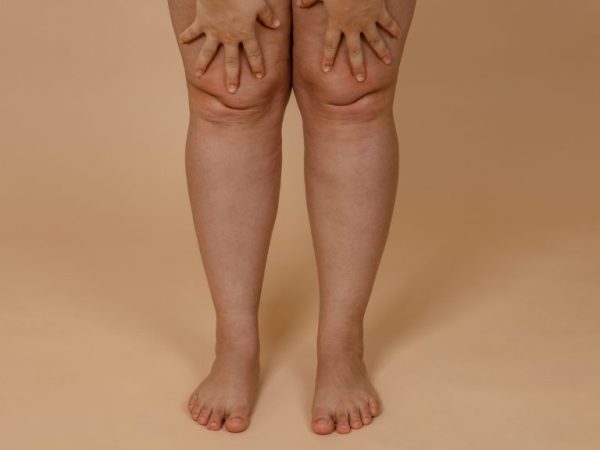
Lipedema is a long-term disorder characterized by a disproportionate, bilateral accumulation of frequently painful fat deposits, primarily in the legs but in the arms and lower torso as well. This accumulation is not just additional weight. The fat stores in an atypical pattern relative to normal body fat, so calves and thighs can be large while feet are a normal size.
The swelling is typically stubborn and sometimes progressive, with many patients describing tenderness or aching in the involved areas. Typical symptoms are chronic, symmetrical swelling, pain or tenderness on touch, bruising easily from minor knocks, and disproportionate fat that does not respond to diet or exercise.
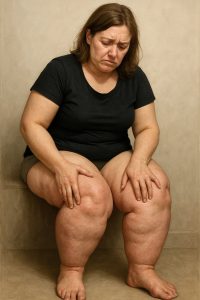
Skin can feel mushy or lumpy, and patients often report a heaviness or decreased mobility. Lipedema has stages that range from Stage 1, where the skin is smooth but fatty nodules are present beneath it, to Stage 3, where larger fat masses and skin changes can limit motion and quality of life.
Presentation varies by type Type I to V which signify where the fat is centered — from hips and buttocks to calves and ankles, and in some cases arms. It’s important to separate lipedema from obesity, lymphedema, and other fat disorders. Unlike ordinary obesity, lipedema fat is resistant to nutrition, exercise, and even weight-loss surgery.
When one loses weight, the weird fat stays behind. Lymphedema most often involves the feet and demonstrates pitting edema, while lipedema typically spares the feet and is non-pitting in the early stages. Secondary lymphedema, or lipo-lymphedema, can develop if lipedema advances and lymphatic overload ensues, which is why an early and accurate diagnosis is crucial.
Practical diagnosis is based on clinical presentation, patient history, and occasionally imaging or specialist referral to vascular or lymphatic experts. Risk factors involve a strong genetic predisposition. Family histories are common and hormonal triggers are also present.
It usually starts at times that coincide with puberty, pregnancy, or menopause, suggesting a hormonal role. Some studies associate lipedema with microvascular and inflammatory alterations and propose links to metabolic conditions, but mechanisms remain undefined.
Examples help: a woman who notices rapid thigh enlargement during pregnancy despite stable weight; a sister and aunt with similar leg swelling after puberty; a patient whose weight drops with diet but leg fat remains. Each could point toward lipedema.
Understanding lipedema is crucial for enhancing function and quality of life, as identification as a separate condition informs treatment pathways such as compression, manual therapies, and targeted interventions.
Swelling Relief Strategies
Good lipedema treatment mixes everyday habits that incorporate compression, exercise, nutrition, drainage, and elevation. Regular symptom care minimizes swelling, discomfort, and tissue advancement by promoting lymph flow and avoiding stagnation. Here are actionable strategies to use in combination, with examples and details to help construct your own plan.
1. Compression
Use graduated compression garments to stimulate lymphatic flow and minimize subcutaneous swelling in involved limbs. Select medical-grade stockings or sleeves with pressures and lengths recommended for lipedema, as women typically find custom or specialty garments more comfortable than store-bought products.
Change out compression garments every three to six months or sooner if elasticity diminishes to preserve therapeutic pressure. Incorporate compression into morning routines and stash extras for travel or gym days.
Compression and exercise have evidence of benefit. A small study of six women showed that combined therapy decreased pain and bruising, suggesting real gains when both are used consistently. Opt for clothes that are comfortable when you move and breathable for extended daily wear.
2. Movement
Get low-to-moderate exercise like swimming, walking, cycling or water aerobics to move the lymph and prevent fat accumulation. Icing is beneficial. Swimming is great in particular since the water pressure provides light compression but you can still move freely.
Steer clear of high-impact or contact activities that can aggravate pain or harm tender tissue. Plan 30 to 45 minute sessions a majority of days, combining cardio with light resistance and stretching.
Work with certified lymphedema therapists or physical therapists who know lipedema to get tailored regimens and progress safely.
3. Nutrition
Go on an anti-inflammatory diet rich in healthy fats, such as omega-3 laden fish and nuts, lean protein, veggies, and low-glycemic carbs to help control inflammation and swelling. Don’t crash diet or follow diet crazes; instead, seek manageable, sustainable dietary changes that help you maintain a healthy weight and healthy tissues.
Watch your minerals, such as magnesium and zinc, and vitamin D levels. Deficiencies can cause fluid retention and impede recovery. A few supplements said to assist are bioflavonoids (Vitamin P), Noni, Eleuthro Root and Rhodiola for inflammation and swelling.
Milk Thistle and Dandelion Root might help liver support, which in turn can contribute to fluid regulation. See a clinician before initiating supplements.
4. Drainage
Shadow manual lymphatic drainage (MLD) with a professional therapist or master safe self-massage techniques for daily home use. Under supervision, devices like lympha press can assist lymph flow and decrease edema. Periodic therapy helps avoid subcutaneous fibrosis.
Pair drainage with compression and motion for maximal benefit. Non-surgical care, including MLD, compression bandaging, and exercise, can relieve symptoms for many patients.
5. Elevation
Elevate affected limbs above heart level a few times a day to assist lymph return and reduce swelling. Employ pillows or adjustable furniture to maintain elevation comfortably while resting. Alternate elevation with brief periods of light activity to prevent stiffness.
Monitor timing and duration to determine what minimizes symptoms. While some find additional relief from surgical options such as liposuction, vein surgery, or debulking, liposuction in particular has demonstrated improved quality of life and reduced swelling for many.
CoolSculpting can assist in some cases according to a 2021 paper, but discuss risks and benefits with a specialist.
Medical Interventions
Medical interventions for lipedema seek to relieve symptoms, reduce limb volume and disproportions, and decelerate or arrest progression. Since lipedema can mimic obesity, lymphedema, or chronic venous disease and all may coexist, treatment starts with a definitive diagnosis. The U.S. Consensus guideline from May 2021 stresses discounting other causes before calling findings lipedema.
Imaging such as ultrasound and emerging markers like platelet factor 4 can assist in diagnosis acuity and treatment decision.
Manual therapies and compression are the conservative foundation of medical treatment. Manual lymphatic drainage and fitted elastic compression garments alleviate pain, tenderness, and episodic swelling for a significant number of patients. They do not eliminate the abnormal fat, but they alleviate fluid accumulation and boost mobility.
Compression is best fitted to limb shape and can require refitting as volumes change.
When conservative care fails, surgical options are explored. Lymph-sparing liposuction is the primary procedure to excise pathologic subcutaneous fat with the preservation of lymphatic channels. Tumescent liposuction utilizes significant quantities of dilute local anesthetic to numb the tissue and stop bleeding, which can significantly reduce trauma to lymph vessels.
Water-assisted or jet-assisted liposuction employs a focused water stream to gently dislodge fat and can potentially reduce lymphatic damage even more. In some refractory cases, staged interventions over multiple sessions tend to produce safer, more aesthetically shaped outcomes and can offer significant volume reduction and symptom alleviation.
Surgical planning must encompass vascular and lymphatic evaluation and realistic goal setting. Tackling co-morbid medical problems helps. Venous insufficiency treatment can minimize dependent edema and skin changes, while optimized diabetes and cardiovascular care decrease surgical risk and aid recovery.
Weight loss drugs or bariatric surgery may be indicated if obesity co-exists and contributes to symptoms. These tools can reduce overall metabolic risk but will not directly treat lipedema fat. These interventions are best decided upon following multidisciplinary review including endocrinology, vascular medicine, and a surgeon experienced in lipedema.
Different medical interventions and their benefits:
-
Manual lymphatic drainage: lowers fluid, eases pain, improves mobility.
-
Elastic compression: reduces transient swelling, supports shape, prevents worsening.
-
Lymph-sparing liposuction removes pathological fat, reduces limb volume, and improves function.
-
Tumescent liposuction results in less bleeding, lower tissue trauma, and is safer for lymphatics.
-
Water/jet-assisted liposuction offers gentle fat removal and may result in lower lymph damage.
-
Management of venous disease reduces dependent edema and improves skin health.
-
Metabolic care (diabetes, cardiovascular): lowers perioperative risk, supports healing.
-
Weight loss medications and bariatric surgery reduce overall weight and risk factors. They are not a cure for lipedema.
Holistic Management
Holistic management approaches lipedema as a concern that impacts one’s body, mind, and lifestyle. Care unifies medical input, hands-on therapies, lifestyle changes, and mental health support so symptoms are managed in a consistent, sustainable fashion.
Integrate physical therapy, skincare routines, and stress management techniques into your daily lipedema management regimen
PT and exercise keep your joints loose and minimize stiffness. With a physical therapist, develop a customized routine that combines low-impact cardio such as swimming or cycling with hip- and thigh-specific strength work, and gentle range-of-motion exercises to encourage lymph flow.
Daily skincare matters: use mild, pH-balanced cleansers, keep skin well moisturized to prevent cracks, and inspect skin often for changes. Compression, expertly fitted compression garments actually reduce post-activity swelling and offer support throughout the day.
Include stress management techniques such as short guided breathing, progressive muscle relaxation, or brief walks to reduce cortisol, which can exacerbate inflammation. Try a simple routine: 10 minutes of breathing on waking, a 20-minute PT session or walk midday, and skin care with compression after exercise.
Maintain a healthy lifestyle with regular exercise, nutritious diet, and adequate hydration to support lymphatic system function
Consistent activity aids circulation and lymph flow. Try to get at least 150 minutes per week of moderate activity broken up into manageable chunks. Prioritize sustainability over passion.
Diet can lower inflammation and promote weight stability, with some patients benefiting from low-carb approaches such as a keto-style plan or more general anti-inflammatory diets. Emphasize whole foods: vegetables, lean proteins, healthy fats, and low glycemic carbohydrates.
Monitor salt to control fluid and consume adequate water, about 2 to 3 liters a day, depending on climate and activity. Consult a dietitian to customize options to individual factors and any additional health issues. Track progress with pictures, measurements, and a symptom journal, not just scale weight.
Address mental health and emotional well-being as part of comprehensive lipedema care
Lipedema is frequently associated with shame, anxiety, or depression. Add mental health care as a standard of care. Look for therapists who have worked with chronic patients or body dysmorphia.
Peer support groups and patient networks provide practical advice and alleviate loneliness. Mind-body practices, like yoga, meditation, or tai chi can help to ease pain perception and boost mood. If there is depression or anxiety, talk to your clinician about medication or therapy.
Self-advocacy skills help when navigating care. Prepare questions for appointments and keep a clear record of symptoms and treatments.
Develop a holistic plan that combines medical, physical, and lifestyle approaches for long-term symptom control
A multi-disciplinary team of doctors, nurses, PTs, dieticians, and mental health providers develops the most comprehensive plan. Pair hands-on treatments such as lymphatic drainage or massage with medical therapies as recommended.
Personalize the plan by testing which diets and therapies yield real symptom change and adjusting over time. Monitor results, establish mini-objectives, and maintain open dialogue with providers to adjust treatment.
Common Misconceptions
Lipedema is commonly misdiagnosed and that misconception drives treatment, bias, and results. Explaining what lipedema is and isn’t aids readers in understanding where to seek an accurate diagnosis and treatment and why certain popular remedies fail.
Lipedema is not just obesity or bad diet. It’s a unique fat disease with powerful hormonal connections and probably a genetic element. A lot of patients are advised to ‘lose weight’, as if the engorged, painful fat in their limbs will behave like regular fat. That’s deceptive.
Lipedema fat is symmetric, painful to the touch and disproportionate to the torso. Telling someone their condition is lifestyle alone adds shame, social isolation, anxiety and depression, which are all documented psychosocial harms of mislabeling.
Typical weight loss protocols do not reduce lipedema tissue. Calorie restriction and cardio can reduce overall body fat, but rarely do they significantly reduce the nodular, fibrotic fat that defines lipedema. They require specialized approaches.
These include manual lymphatic drainage, compression, targeted resistance, and mobility work to maintain function. Often, lipedema-focused liposuction from skilled surgeons is necessary. Anticipate incremental gains, layered therapies, and long-term care, not a quick fix by dieting alone.
Lipedema and lymphedema are connected but distinct. Lipedema is mostly about abnormal subcutaneous fat and lymphedema is about disrupted lymph transport and fluid accumulation. Early-stage lipedema can have normal lymph flow whereas later stages can develop secondary lymphedema.
Symptoms differ: lipedema shows bilateral, symmetrical enlargement with tenderness and easy bruising. Lymphedema often starts unilaterally with pitting edema and Stemmer sign positivity. Treatment needs differ too: compression and lymph drainage are essential for lymphedema while lipedema often benefits from a combined plan addressing fat, fibrosis, and lymph health.
Common misconceptions in brief:
-
Lipedema is due to nothing more than overeating or lack of exercise. No, biology matters.
-
Lipedema is not just fat. It is the location, pain, and diet resistance that define it.
-
Lipedema is cosmetic only. No, it inflicts pain, disability, and psychosocial damage.
-
Lipedema is only in legs. Wrong, arms and chest can be included.
-
Lipedema is not simple to treat. It usually requires multimodal, specialist treatment.
-
Diet or exercise alone cures lipedema. Wrong, they support overall health but lipedema fat is hardly ever broken.
-
They confuse lipedema and lymphedema as one and the same. This is not true; they each have different pathophysiology and symptoms.
-
They’re rarely misdiagnosed. Not true; a lot of patients have delayed or misdiagnosis.
Tracking Progress
Tracking progress means keeping regular, clear records of swelling, pain, and mobility so you can see what works and what doesn’t. A record can help identify trends, demonstrate if therapies such as compression or exercise are making a difference, and empower smarter decision-making with your care team. Start with a simple baseline: note when symptoms first appeared and how they have changed since.
Maintain a daily or weekly journal that tracks swelling, pain level, and activity. Jot down when you began noticing differences, what might have triggered it, and any occurrences like weight shifts or new treatments. Use zero to ten numeric pain scores, leg circumference in centimeters, and notes such as ‘walked 30 minutes’ or ‘needed rest after 10 minutes’.
Well-shot photos at consistent angles and lighting once a week capture visual change that numbers can miss. Mix notes, photos, and measurements to make trends glaringly clear.
Establish clear, actionable objectives related to addressing symptoms and implementing lifestyle adjustments. Examples include reducing ankle circumference by 2 cm in three months, wearing compression garments five days per week, or walking 20 minutes three times weekly. Goals should be grounded and connected to the baseline.
Monitor process goals, which are what you do, and outcome goals, which are what you want to change. Process goals keep you motivated when outcomes crawl.
Modify the plan according to what tracking reveals. If compression reduces swelling and pain but irritates your skin, experiment with a different fabric or fit. If mobility gets easier with daily walks but swelling increases with prolonged standing, insert brief rest breaks or elevation.
Reevaluate goals on a monthly basis and switch them out when you reach a standstill or when life makes them impractical. Discuss tracked data with clinicians to inform decisions regarding manual lymphatic drainage, specialized garments, or surgical referral.
Tracking, as well as methods and templates, makes this work easier and more consistent. Here’s an easy markdown table you can copy and paste.
| Day | Pain (0–10) | Ankle cm | Thigh cm | Mobility (mins) | Compression worn (hrs) | Notes / Timeline events |
|——|————-|———:|——–:|—————-:|———————–:|————————-| | 2025-05-01 | 6 | 28.5 | 62.0 | 20 | 6 | Took up daily walks, first saw swelling 2019 |
| 2025-05-08 | 5 | 28.0 | 61.8 | 25 | 8 | Compression decreased soreness and there was minor skin chafing |
Recognize limits: Lipedema lacks a single definitive measure, and progression varies. Some stabilize, while others worsen without weight management. Compression has demonstrated benefits for reducing inflammation and enhancing microcirculation, so incorporate garment use in tracking.
Self-monitoring provides you with information to take informed action and recognize when a care change is necessary.
Conclusion
Lipedema means continual swelling and pain and everyday restrictions. The proper combination of TLC assuages those symptoms. Wear compression that fits, move with low-impact work such as walking or water exercise, and eat a steady whole-food diet. Consult with a clinician on lymphatic care, pain options, and surgery after definitive testing. Document progress with images, light journaling, and consistent measurements to observe what alleviates.
Small kindnesses count. Quality shoes, consistent rest, and brief walks interrupt extended sitting. Compare notes with your care team and experiment with one change at a time. Make goals small and clean. Begin a weekly log and schedule a check-in with your clinician this month.
Frequently Asked Questions
What is lipedema and how does it cause swelling?
Lipedema is a long-term fat disease that primarily targets the legs and arms. It results in symmetric, painful fat and fluid retention, with obvious swelling and easy bruising.
Can compression garments reduce lipedema swelling?
Yes. Well-fitted compression garments assist in restricting fluid accumulation, alleviating pain, and enhancing mobility. Rely on a professional fitter and wear time guidance from your clinician.
Which lifestyle changes help manage lipedema swelling?
Consistent low-impact exercise, an anti-inflammatory diet, weight control, and skin care can reduce symptoms. They promote circulation and assist the lymphatic system.
When should I see a doctor about lipedema swelling?
Visit a specialist if swelling is persistent, painful, or getting worse. Prompt examination by a dermatologist, vascular specialist, or lymphedema therapist enhances treatment planning and results.
Are there effective medical treatments for lipedema swelling?
Yes. These treatments ranged from manual lymphatic drainage to pneumatic compression and vascular care to lipedema-specific liposuction. A clinician will suggest options according to the stage of the disease and objectives.
Can medications or supplements help with lipedema swelling?
Medicines by themselves are not that much. Some clinicians employ diuretics judiciously for fluid-associated symptoms and recommend anti-inflammatory supplements as adjuncts. Don’t forget to talk to your doctor first!
How should I track progress in reducing lipedema swelling?
Rely on baseline photos, circumference or volume measurements, symptom diaries and functional records. Consistent monitoring enables your care team to customize treatment and demonstrates quantifiable progress.