
Key Takeaways
-
Lipedema type 1 exclusively involves the legs and can lead to significant discomfort, fat accumulation, and swelling that can become debilitating if not addressed quickly.
-
Proper diagnosis is key. Lipedema is different from obesity and lymphedema and responds to specific treatments for best outcomes.
-
Conservative treatment strategies such as compression therapy, manual lymphatic drainage, adapted exercise, anti-inflammatory diet, and skin care can help manage symptoms and promote general health.
-
Surgical options, including specialized liposuction methods, might be appropriate if conservative measures fail. This necessitates thorough evaluation and expert practitioners.
-
Building a multidisciplinary care team and addressing physical and mental health needs can improve quality of life and support long-term management success.
-
Early diagnosis, proactive management, and ongoing evaluation are vital to minimizing disease progression, maximizing mobility, and sustaining quality of life for those with lipedema type 1.
Lipedema type 1 legs only treatment options range from conservative care to surgical steps. Compression garments assist in minimizing swelling. Manual lymphatic drainage and physical therapy can enhance mobility and ease.
Both a healthy diet and low-impact exercise support health. Liposuction is an operable option when everything else fails. Every option has pros and cons.
Here’s more information on these treatments and what to expect:
Understanding Lipedema
It’s a chronic health condition that makes the body store fat abnormally. It primarily impacts the legs and sporadically the arms, but not the hands or feet. The fat deposits itself just beneath the skin, causing enlarged limbs that appear out of proportion to the rest of the body.
It is not typical weight gain or fluid swelling. Frequently mistaken for either obesity or lymphedema, it tends to get misdiagnosed and mistreated. Lipedema has various types, and type 1 is where it primarily manifests in the legs. Without proper care, it can progressively worsen.
Defining Type 1
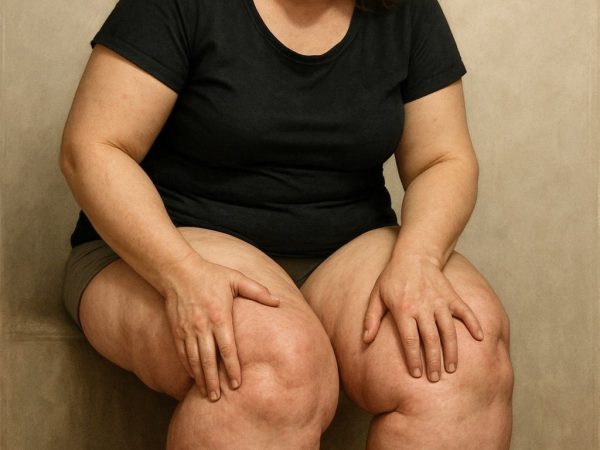
Type 1 lipedema indicates that the legs are the primary site of fat accumulation. Women who experience this type notice their legs morph into a different shape, typically far larger in size than the rest of their bodies. The fat is not diffused as it is in obesity.
It is layered on in dense clumps. It can cause swelling and lead the legs to feel heavy or sore, even after one has not stood for long. The skin can feel lumpy as nodules develop just under the surface.
Unlike normal fat, lipedema fat is more difficult to lose with diet or exercise. It’s due to the nature of how the fat cells proliferate and how the body reacts. The fat is typically more painful to touch and sometimes lumps can be sensed on palpation.
Since the majority of individuals with type 1 lipedema have a relative with the same issue, it seems genetics determine who develops it.
Recognizing Symptoms
-
Legs look out of proportion to the upper body
-
Leg swelling that is persistent and does not resolve with rest.
-
Pain, tenderness, or easy bruising in the affected areas
-
Skin is soft yet dimpled, occasionally with hard lumps or nodules.
-
Skin texture changes, appearing dimpled or “mattress-like”
-
Can be symptomatically progressive, particularly with hormonal fluctuations.
Along with changes to the skin’s surface, painful nodules are a sign of lipedema. Others may observe that the skin is cool or spongy. Symptoms can manifest differently between patients, with some experiencing more pain or swelling.
Differentiating Conditions
Lipedema differs from lymphedema in that it isn’t a result of fluid accumulation. Lymphedema causes swelling that remains even into the feet, but lipedema halts at the ankles.
Obesity can occur with lipedema, but not all lipedema patients are overweight. It’s crucial to diagnose the correct problem because otherwise you end up with treatments that miss the mark. Some other problems like venous insufficiency may resemble lipedema but require a different approach.
Nailing the diagnosis gets people to better options such as the Mediterranean diet, appropriate exercise, or even liposuction, which can reduce pain and improve mobility but does not cure lipedema.
Conservative Management
Conservative management is the initial treatment for lipedema type 1 limited to the legs. It focuses on lifestyle modifications that increase your health and comfort. We want to minimize pain, control swelling, and maximize quality of life. A team-based approach with doctors, therapists, and nutritionists typically yields the best results. Conservative treatments won’t cure lipedema, but they help people stay mobile and autonomous.
1. Compression Therapy
Compression garments are a rudimentary tool for swelling management in lipedema. These clothes assist in moving fluid out of the legs and facilitate walking. Wearing them can help shift redundant tissue, which can increase mobility and decrease pain.
It’s all about fit, as loose or tight clothing can be an issue. Compression wear should feel tight but not pinch or dig. Wearing these garments on a daily basis is optimal, particularly when involved in prolonged standing or sitting. For many, compression therapy provides consistent relief for heaviness and discomfort.
2. Manual Drainage
Manual lymphatic drainage (MLD) is a gentle massage that encourages fluid to flow through the lymph system. This simple method can reduce inflammation and assist pain in spite of minor inflammation. MLD is most beneficial for those who have both lipedema and lymphedema, and it can be advantageous in early stages as well.
It’s smart to see a trained therapist for this care. MLD can combine well with other therapies such as compression and exercise, making it an important component of a treatment regimen.
3. Anti-Inflammatory Diet
Assuming a diet rich in fruits, vegetables, and other whole foods might help reduce pain and inflammation. Avoiding sugar, fat, and chemical-rich foods can make a difference in reducing flare-ups. Being well hydrated and maintaining a consistent, healthy weight maintains lymph system health and can reduce the progression of fat accumulation.
Others experience less pain and inflammation with these modifications. A healthy diet can reduce the likelihood of weight gain, which might exacerbate symptoms.
4. Adapted Exercise
Daily movement squeezes fluid out of the legs and keeps muscles strong. Walking, swimming, or biking are gentle on joints. Exercise can reduce the risk of obesity and improve venous and lymphatic drainage.
Conservative management is best for long-term results. All you need is a little bit of exercise here and there over time.
5. Skin Care
Being attentive to your skin reduces the risk of infections, which are more common with lipedema. Conservative management involves moisturizing often to prevent dry, cracked skin. Mild cleansers won’t further irritate, especially where the skin is delicate.
In certain instances, visiting a skin doctor can assist in controlling persistent skin issues. Here’s one small step that can make a big difference to comfort and health — good skin care.
Surgical Interventions
Surgical interventions are considered when lipedema in the legs fails to respond adequately to measures such as compression or manual therapy. Surgery is offered to those with more advanced symptoms, where pain, swelling, and limited movement remain. It can assist with the burden of excess weight, the visual contour of the legs, and occasionally make walking or activity easier.
Every patient requires a treatment plan tailored to their health needs and goals and their stage of lipedema. Consultations with an expert specialist are crucial to selecting the appropriate surgical course.
Liposuction Techniques
|
Technique |
Key Benefit |
|---|---|
|
Tumescent liposuction |
Low blood loss, precise fat removal |
|
Water-assisted liposuction |
Gentle on tissues, less trauma, shorter downtime |
|
Power-assisted liposuction |
Efficient for larger areas, even fat removal |
|
Laser-assisted liposuction |
May tighten skin, less bruising |
Liposuction techniques for lipedema are different than cosmetic fat removal. These target fat beneath the skin and above the muscle, where the lipedema fat sits. Both techniques aim to preserve blood vessels and lymphatic drainage, reducing the chance of permanent damage or swelling.
Innovative instruments, such as water or power assistance, allow surgeons to isolate the fat more precisely and preserve surrounding tissues. This is functionally and aesthetically significant. Choosing a surgeon with extensive experience in lipedema liposuction is crucial.
Outcomes are skill dependent and picking the right technique for each person is important. Over the years, studies demonstrate liposuction can reduce leg size by 6.9% on average and provides sustained relief for many, with long-term studies noting durable results up to eight years.
Procedure Considerations
Prior to surgery, physicians consider general health, previous medical issues, and patient objectives. Not everyone is a good candidate, so pre-op checks count. These consist of blood tests, heart checks, and occasionally imaging.
Setting expectations is a big part of planning. Liposuction can assist, but it will not cure lipedema or normalize legs. While the majority of patients will experience better contour and less pain, minor lumpy areas will persist.
Complications, although infrequent, cannot be overlooked. The most frequent side effects are bruising and a burning sensation in the legs, which typically dissipates. There is a slight risk of life-threatening complications such as anemia or fat embolism.
Understanding these allows individuals to balance advantages and disadvantages.
Recovery Process
Post-liposuction, the majority of us lay around the house for 1 to 2 weeks. Bruising and swelling are normal and can persist for a month or longer to subside. Support stockings reduce swelling and contour your legs as they recover.
Follow-up visits monitor healing and detect issues early. Post-operative care is essential to prevent setbacks. Walking is promoted, but hard labor or extended hikes are postponed until the inflammation subsides.
Slow re-entry into exercise preserves your gains and promotes improved movement in the long run. More patients experience less pain and more flexibility. For others, relief from heaviness and aching legs means a giant leap forward into life.
The Diagnostic Journey
Obtaining an accurate lipedema type 1 diagnosis affecting only the legs is an important step for anyone suspecting they have this condition. As with other rare diseases, many patients state a long, hard diagnostic odyssey that takes years and involves visits to many different clinics. This is further complicated by common confusion surrounding lipedema and by its symptoms overlapping with other diagnoses including obesity, lymphedema, or chronic venous disease.
Recording symptoms such as pain, swelling, and bruising and then communicating them to a healthcare provider is critical. An accurate diagnosis keeps the illness from being mistaken for others and directs its path to correct treatment. Be your own patient advocate. Being your own advocate means you should speak up, ask questions, and if necessary, get second opinions to ensure you get an accurate diagnosis and better treatment.
Seeking Diagnosis
The diagnosis journey – Getting it right with a lipedema aware physician. Vascular specialists, dermatologists, or lymphedema clinics often are more familiar with the disorder than general physicians. Patients should be candid about symptoms like pain, swelling, or bruising and highlight any family history or progression.
Direct communication allows providers to see the bigger picture and not make assumptions based solely on body size or weight. An exam physical. Lipedema typically presents as symmetrical, nonpitting swelling of the legs with pain on palpation and easy bruising. It typically spares the hands and feet, which differentiates it from other diagnoses.
Misdiagnosis is common, so a second opinion can help. Many patients are given advice to lose weight or exercise, which does not treat lipedema and can postpone proper treatment!
Diagnostic Criteria
|
Criteria |
Description |
|---|---|
|
Bilateral, symmetrical lower limb involvement |
Both legs affected, similar on each side |
|
Nonpitting edema |
Swelling does not leave an indent when pressed |
|
Painful, tender, easily bruised fat |
Affected areas hurt and bruise with little force |
|
Resistant to diet/weight loss |
Fat remains despite efforts to reduce weight |
|
Pain with bimanual palpation |
Soreness when both hands press on the tissue |
|
Distal fat tissue tendrils of the knee |
Fat extends below the knee in a finger-like pattern |
|
Sparing of feet, hands, trunk |
Swelling stops at the ankles and wrists |
Diagnostic Journey includes a symptom check, a physical exam, and sometimes a pain/function survey. Things like the distribution of fat and pain with palpation are what makes a diagnosis. Continued research is attempting to fine-tune these criteria as many cases continue to be missed.
Why Early Action Matters
About the Diagnostic Journey. Early actions can minimize suffering, save the joints, and keep people mobile and independent for a longer time. If treated in the early stages, patients tend to experience improved long-term outcomes and require less support as time advances.
Proactive steps, such as wearing compression garments, beginning physical therapy, and controlling symptoms, need to begin immediately. Waiting usually translates to more pain, more restrictions, and a diminished quality of life. Good care is contingent on being educated, aggressive, and willing to try something new or get a second opinion.
A Holistic Perspective
A holistic approach to lipedema type 1, particularly when the legs are the only affected area, entails caring for more than just the physical symptoms. This approach is comprehensive, encompassing the entire individual—body, mind, and daily living. Lipedema isn’t just fat in the legs.
For a lot of people, it impacts their self-esteem and social presence. Nutrition, lifestyle, mental well-being, and social support all have a role in how individuals cope with the disease. Science supports the notion that physical, emotional, and psychological care is more effective when integrated than when treated in isolation.
Tailored by a team that listens and adapts, personalized plans deliver better outcomes and a better life.
Your Care Team
A centered care team really matters for those with lipedema. This team often consists of primary care physicians, dermatologists, dietitians, and physical therapists. Every practitioner has their own angle.
When these specialists collaborate, they can address all the fundamentals and nuances of lipedema treatment. Continuous, open communication between caregivers allows for early identification of issues and necessary plan alterations.
A nutritionist might recommend an anti-inflammatory or low-carb diet, while a physical therapist focuses on light exercise to alleviate swelling and discomfort. Dermatologists monitor skin shifts, and primary doctors watch general health. This collaboration reduces the potential for overlooked symptoms and provides the patient an opportunity for sustained recovery.
Mental Well-being
There are emotional highs and lows that come with living with lipedema. It’s not uncommon for people to be frustrated, sad, or even ashamed of how their legs appear or feel. The strain of seeking solutions or managing persistent pain can exhaust one.
Strong mental healthcare is essential. Speaking to a counselor or participating in a support group can aid individuals in exchanging coping techniques and finding solace in their solidarity. Regaining a sense of control and self-advocacy, the ability to speak up for what you need, frequently instills greater confidence and leads to enhanced treatment outcomes.
When mental health is under control, compliance with physical care plans becomes simpler.
Patient Advocacy
-
Learn about lipedema: Know the signs, treatment options, and care standards.
-
Build a support network: Connect with local or online groups for advice and encouragement.
-
Ask questions: Make sure your care team explains choices and listens to your concerns.
-
Track symptoms: Keep a journal of changes in your health and share updates with your care team.
-
Speak up: Share your story to help others and push for better awareness.
Medical awareness can help more people receive a proper diagnosis and appropriate assistance. Patient advocacy groups can be a valuable resource, offering information, updates on emerging treatments, and community support.
By sharing these experiences, we can break down stigma and show the world what lipedema really looks like.
Measuring Success
Success in lipedema type 1 treatment, which impacts only the legs, cannot be gauged by a single test or number. Instead, measuring success requires a combination of both pragmatic milestones and scientific instruments.
-
Monitor symptom relief over time, such as reduced pain, swelling, and heaviness in the legs.
-
Employ physical measurements, such as bioimpedance exams, to track limb volume fluctuations. For instance, this patient’s lower-limb volume is 32,572.21 mL, which can serve as a basis of comparison in the future.
-
Evaluate mobility gains, as maintaining and restoring movement is the primary objective. Observe what distance and time you can walk or stand before experiencing pain.
-
Employ scoring systems such as the QuASiL to quantify symptom change. A decrease in score from 81 to 58 points following 8 months of treatment indicates an almost 35 percent improvement.
-
See how you look, such as whether gynecoid lipodystrophy has been reduced and skin contours are more even.
-
Monitor mental and social health, as lipedema can negatively impact confidence and everyday activities.
-
Celebrate mini-milestones, like fitting into different clothes or being able to participate in more social activities.
-
Modify treatments according to frequent check-ins, monitor progress and relapses.
Quality of Life
Quality of life is the primary objective for the majority of individuals with lipedema. Feeling good day-to-day trumps any measure. When treatment such as liposuction, manual lymphatic drainage, or compression therapy is successful, it can assist patients in becoming more mobile, reducing pain, and participating in more social activities with less concern about their appearance.
This can boost morale and assist with mental health. Pursuing better quality of life is about taking care of both body and mind. Having friends and family and a care team behind you makes a huge difference. Keeping up with a hobby or exercise that resonates with the body keeps the spirits buoyant, even when the gains seem sluggish.
Tackling both your physical and mental health is crucial to long-term success.
Symptom Relief
Alleviation of your symptoms is a leading indicator that therapy is effective. Less swelling, pain, or heaviness frequently translates to a patient being able to walk farther or stand for longer durations. These are genuine indicators of improvement.
Be sure to discuss these changes, large or small, with your care team. This assists with calibrating the plan. Treatments like manual lymphatic drainage and compression won’t cure lipedema, but they can relieve discomfort and enhance the feel and appearance of the legs.
Regular monitoring, aided by tools like the QuASiL score, helps indicate if your symptoms are improving or require more aggressive management. Checking symptoms frequently and tweaking the plan is good care. Small victories, even if they feel insignificant, can accumulate over months.
Long-Term Outlook
Lipedema type 1 can progress to stage 3 if left untreated, transitioning from enlarged, smooth legs to profound contour changes. Early, steady care matters. Liposuction has been successful up to 12 years later, proving that long-term improvement is not out of the question.
New treatments and better tracking tools offer hope for improved outcomes. Measuring Success Staying in Touch Care teams and new research help patients keep moving forward.
Conclusion
Lipedema type 1 legs only treatment options. Diet, smart movement and good skin care all help slow the progress. Surgery such as liposuction can assist but requires careful consideration and an experienced team. Consistent doctor check-ins allow people to celebrate minor victories and identify shifts quickly. Some discover that it helps to seek support from groups or close friends. Every step, large or small, counts. For anyone dealing with this, remain receptive to new advice, remain inquisitive, and seek assistance when times get rough. Huddle with a health team to uncover the next best step for your personal journey.
Frequently Asked Questions
What is lipedema type 1 and how does it affect the legs?
Lipedema type 1 primarily impacts the upper legs, hips, and buttocks. Lipedema is a condition that causes abnormal fat buildup, swelling, pain, and easy bruising. The lower legs and feet are typically not affected.
What are the non-surgical treatment options for lipedema type 1 in the legs?
Non-surgical options cover compression therapy, manual lymphatic drainage, exercise, and diet. They assist with symptom control and comfort but do not eliminate fat deposits.
Can lipedema type 1 be cured with surgery?
Surgery, like liposuction, can eliminate extra fat and enhance mobility. It doesn’t heal lipedema entirely, and continued care may be required to keep symptoms under control.
How is lipedema type 1 diagnosed?
Diagnosing the condition includes a physical exam, a medical history, and some imaging. A specialist will search for classic fat pattern and exclude other diagnoses such as lymphedema.
What lifestyle changes can help manage lipedema in the legs?
Being active, eating a good diet, and wearing compression is very helpful. They promote lymphatic health, ease swelling, and feel good.
What are the benefits of a holistic approach to lipedema treatment?
A holistic approach treats the body and mind. It integrates medical, lifestyle, psychological, and educational interventions to optimize both short and long-term outcomes.
How is progress measured after lipedema treatment?
Where do you track your progress — reduced pain, improved mobility, less swelling, improved quality of life, and more? Routine exams assist in tracking variations and modifying the therapy strategy if necessary.